
Franco at Hendaye — October 23
's Spain is barely emerging from its civil war, bled white, dependent on imports of wheat and oil — largely controlled by the British and the Americans. Ideologically close to the Axis, Franco must nonetheless tend to an economy on the edge of famine.
On October 23, 1940, Hitler meets him at the Hendaye border station. The Führer wants to draw Spain into the war: the capture of Gibraltar would close the western Mediterranean to the British. In exchange, he dangles territories in French North Africa — but without firm commitment, since he is also handling Vichy with care. Franco also owes Hitler and Mussolini the decisive support received during the Spanish Civil War, which weighs in the balance.
Franco gauges the risks. Entering the war would expose Spain to the Allied blockade and the loss of her supplies, with no guarantee of gains. But a flat refusal to Hitler, at the height of his power, would be dangerous. The Caudillo must choose: openly ally and enter the war, refuse, or set conditions so high they would amount to a disguised refusal.
Should Franco agree to enter the war alongside Hitler?
Franco chooses C. At Hendaye, after hours of talks, he piles up demands — Gibraltar, Morocco and a large share of French North Africa, plus enormous deliveries of wheat and fuel — and makes his entry into the war conditional on a prior invasion of England. Hitler, exasperated, will later say he would rather "have three or four teeth pulled" than go through that interview again. Spain remains non-belligerent, which denies the Axis Gibraltar and keeps the strait open to Allied convoys — a major strategic asset. Franco's stance mixed economic calculation, prudence and a knack for playing for time. Spain will later send the to fight in the USSR, but will never formally enter the war.
Learn more about this event
Related polls
10
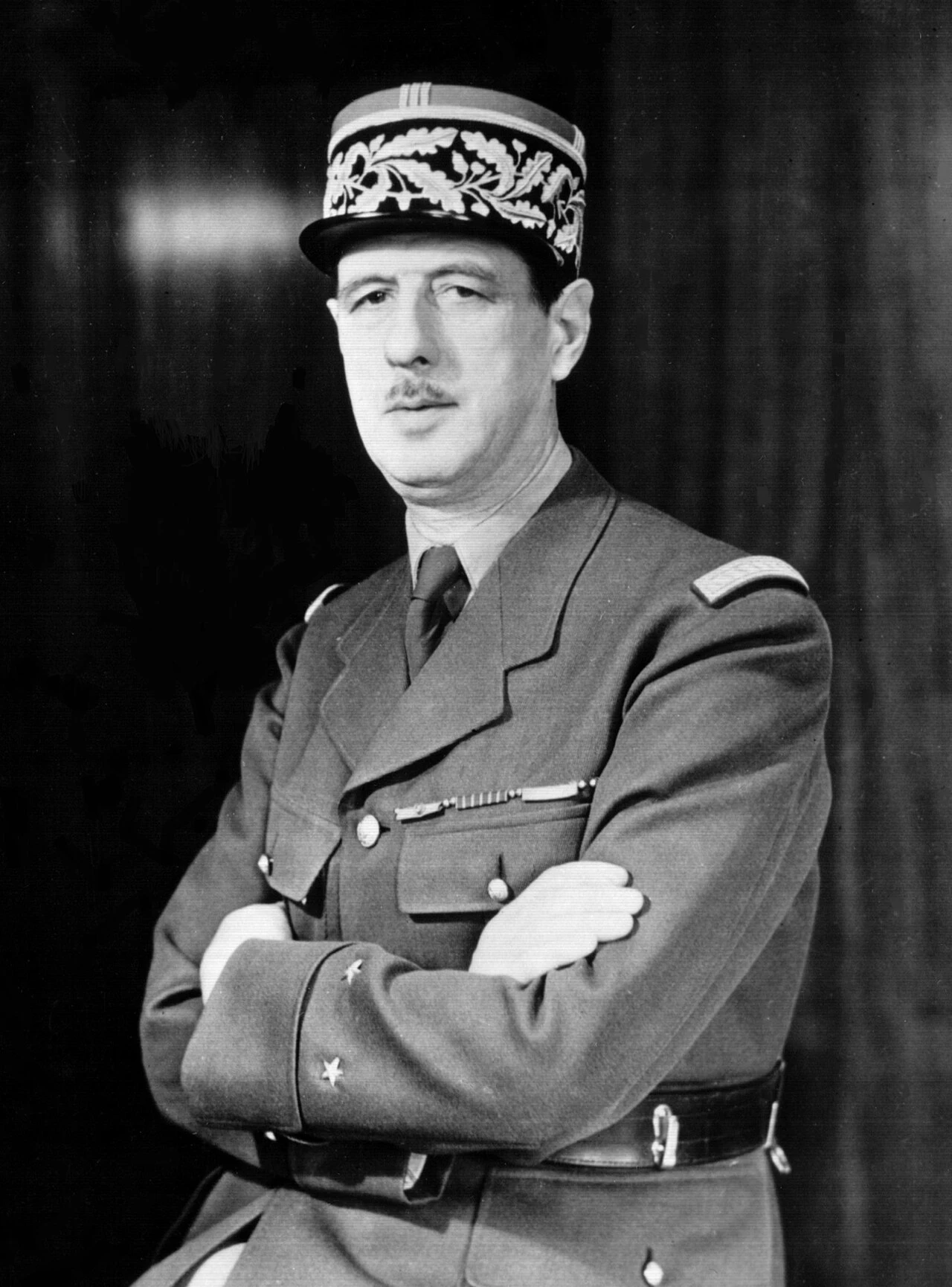
De Gaulle joins the government — 5 June
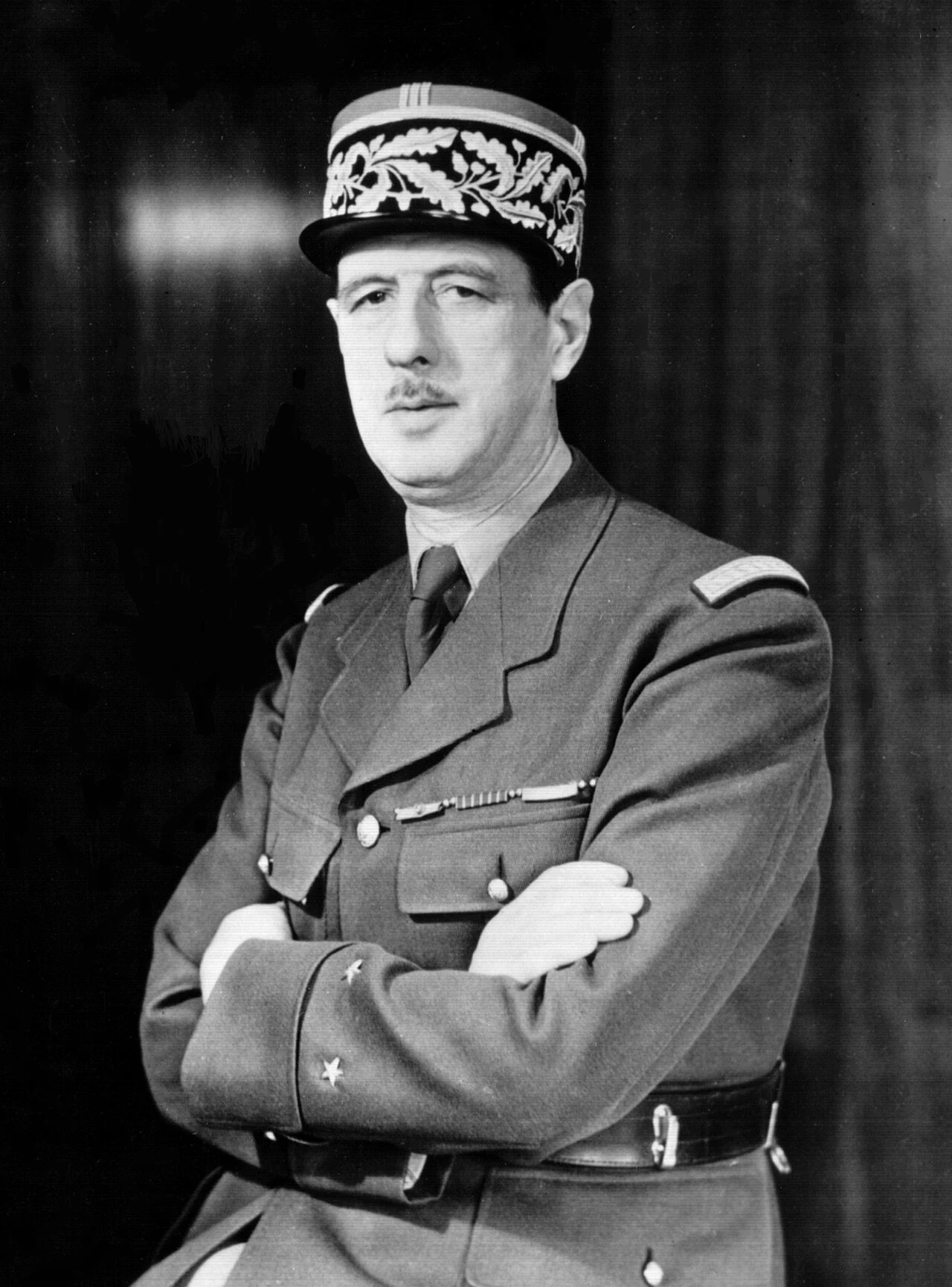
The Franco-British union — 16 June
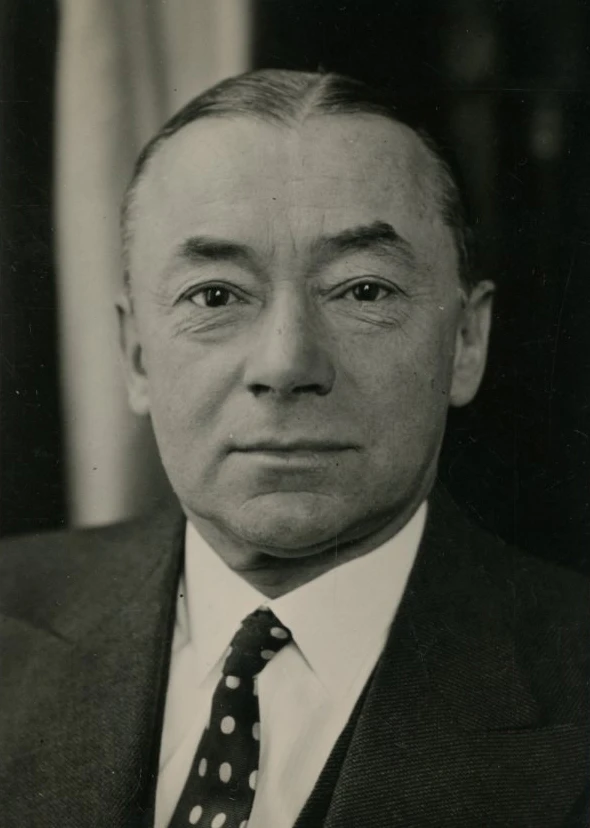
Reynaud faces the Council — Bordeaux, 16 June, 22:00
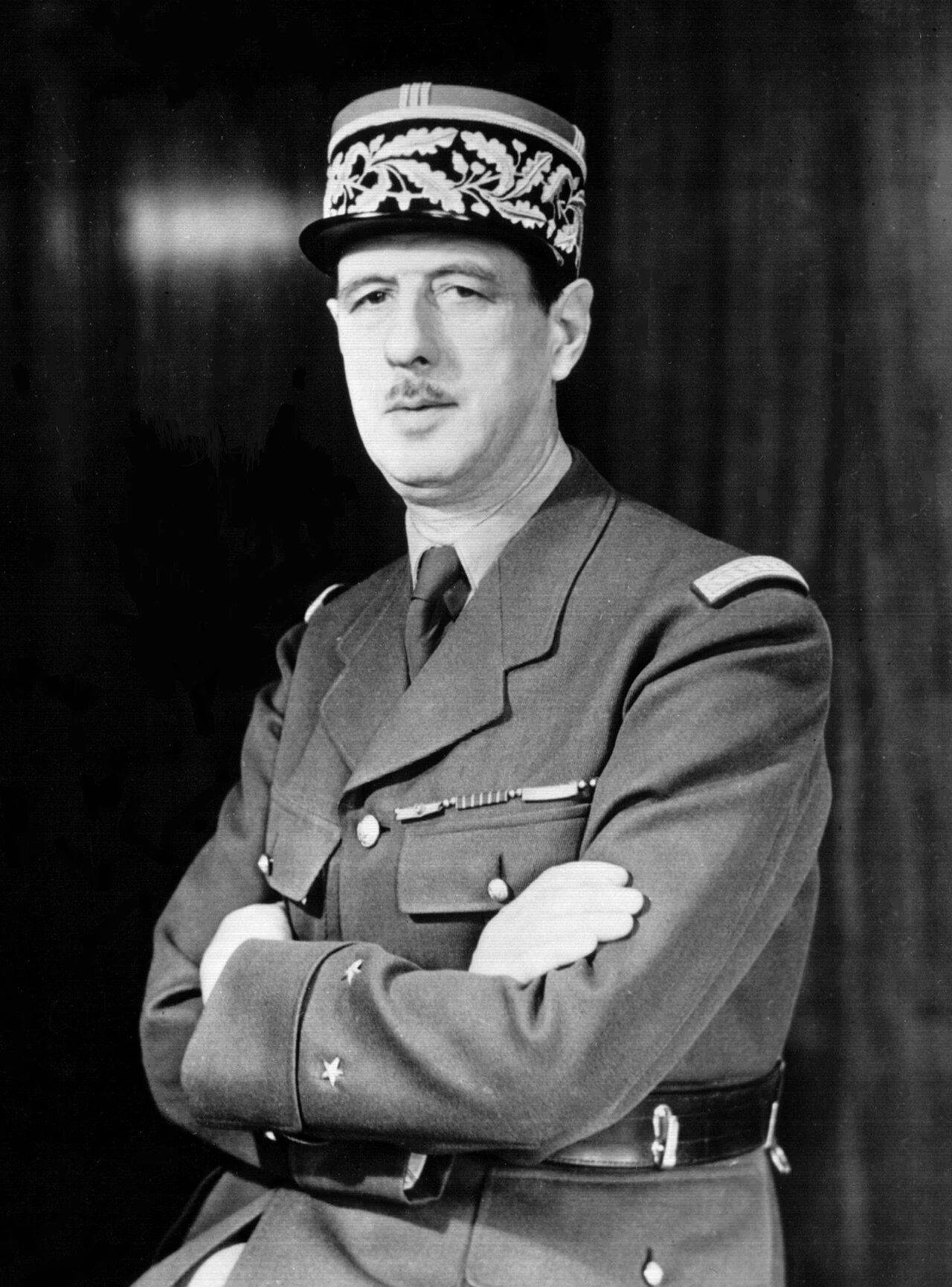
De Gaulle calls on Churchill — 9 June
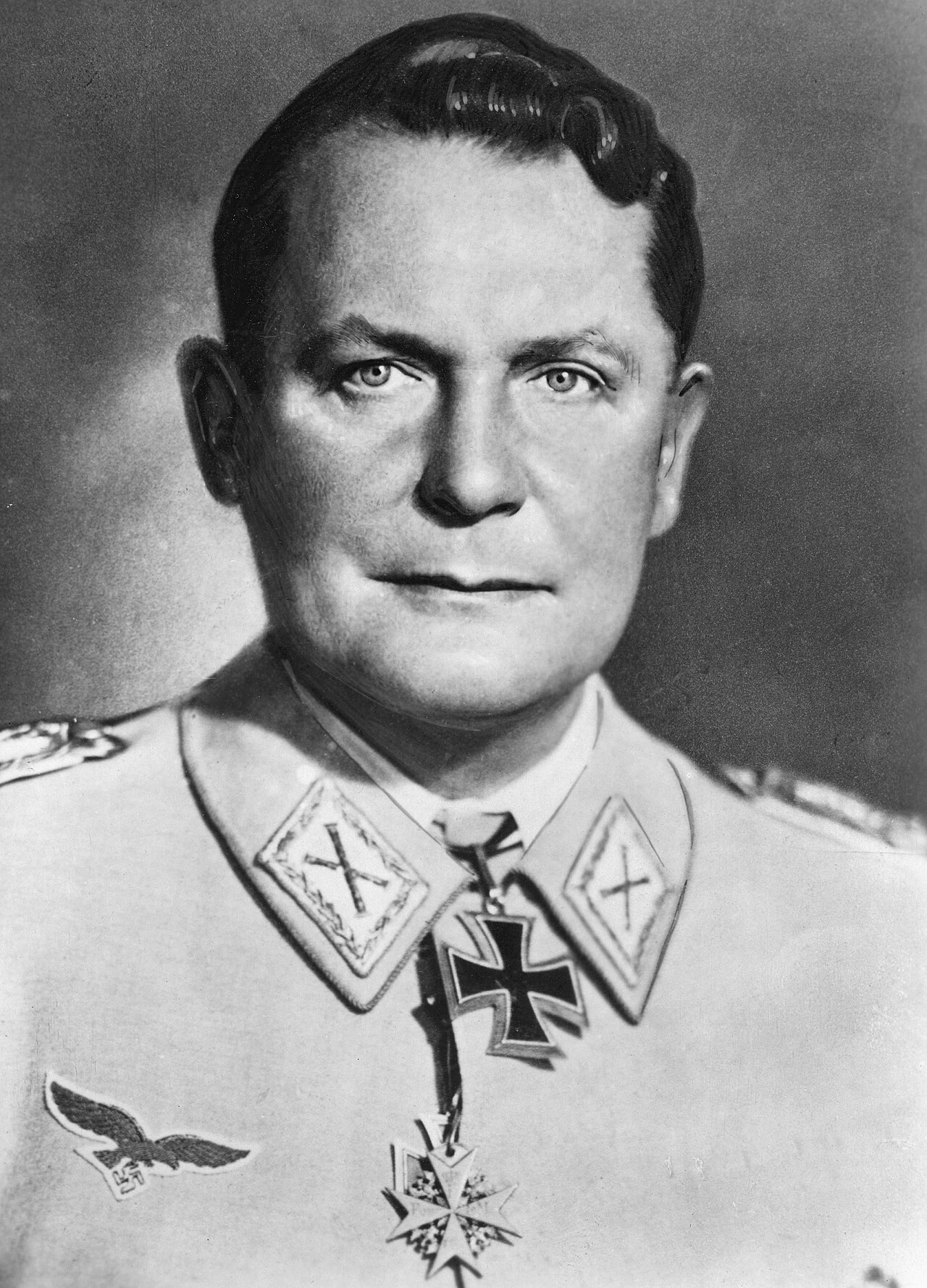
Goering at Carinhall — the promise to Hitler
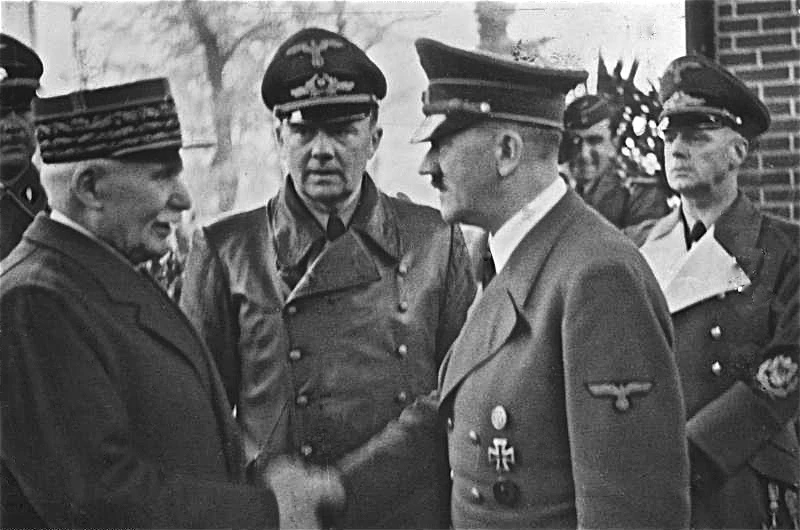
Pétain at Montoire — October 24
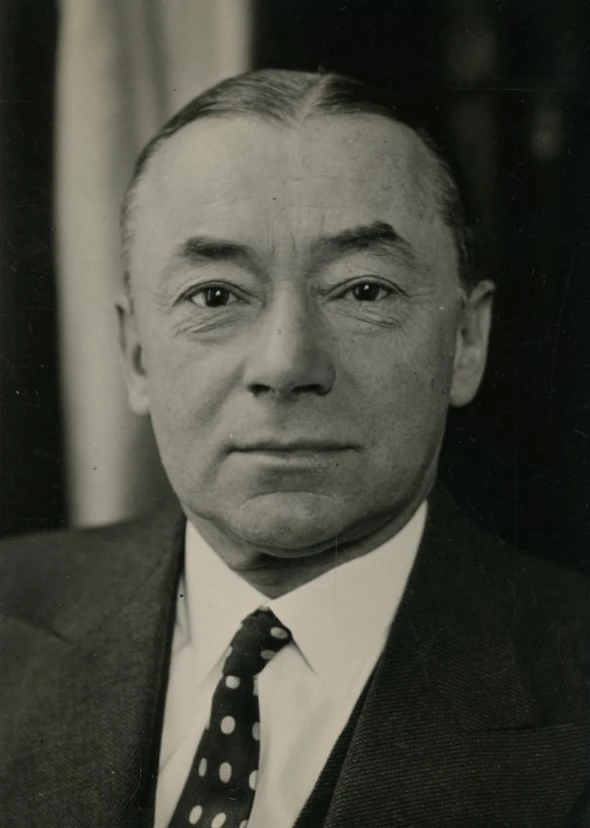
Reynaud — Matignon 21 March
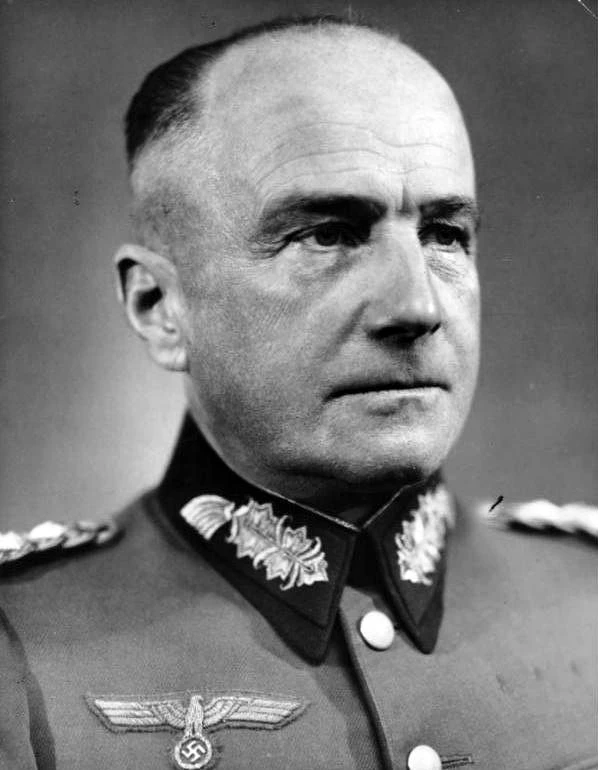
Brauchitsch — Reich Chancellery, 5 November
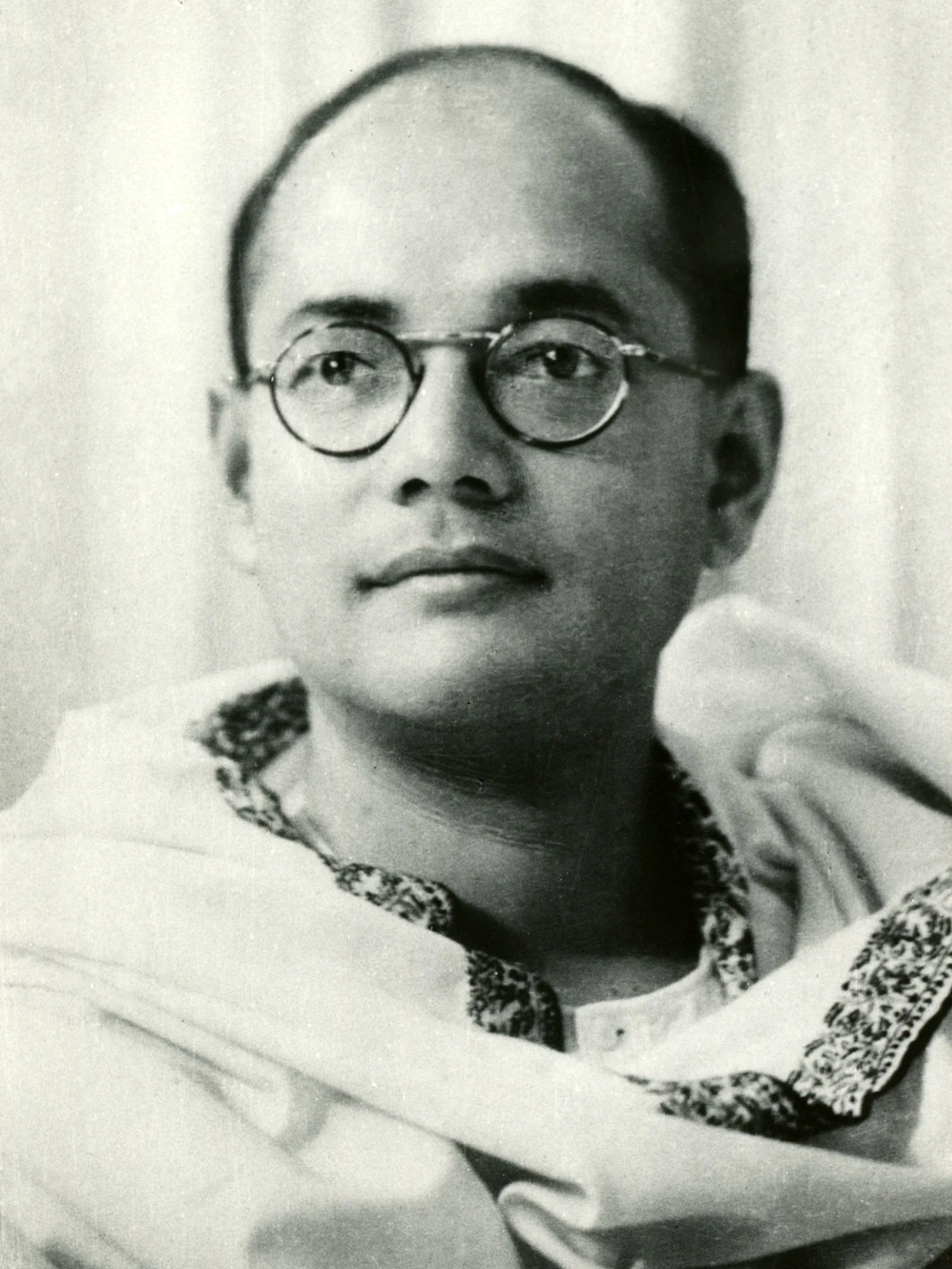
The Indische Legion — Subhas Chandra Bose in Berlin
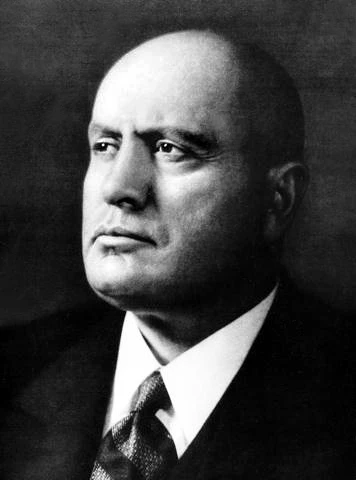
Mussolini at the Palazzo Venezia — early June
De Gaulle joins the government — 5 June
The Franco-British union — 16 June
Reynaud faces the Council — Bordeaux, 16 June, 22:00
De Gaulle calls on Churchill — 9 June
Goering at Carinhall — the promise to Hitler
Pétain at Montoire — October 24
Reynaud — Matignon 21 March
Brauchitsch — Reich Chancellery, 5 November
The Indische Legion — Subhas Chandra Bose in Berlin