
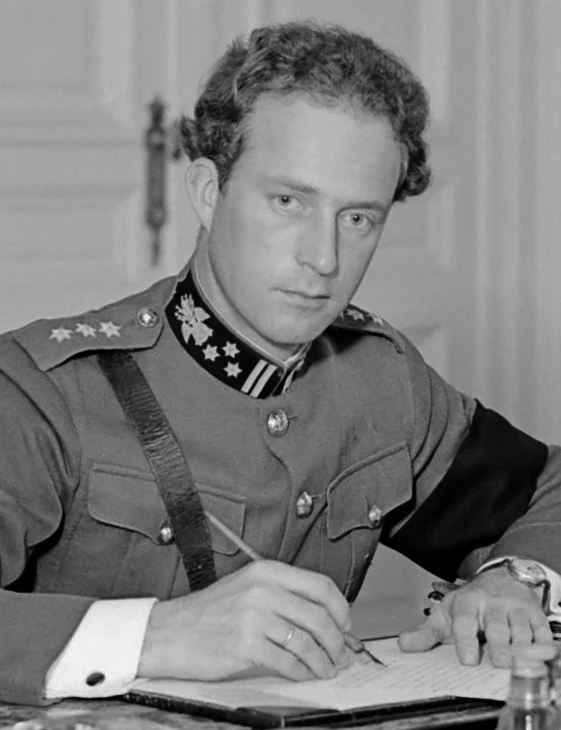
After the capitulation of the Belgian army on 28 May 1940, King , who had commanded his troops in person, faced a decisive and heart-rending choice. His government, which had left for France and then London, urged him to leave the country to continue the fight from abroad, as other sovereigns and heads of state would do (Queen Wilhelmine of the Netherlands, and later de Gaulle).
The king, for his part, regarded himself as a soldier bound to the fate of his army and his people. To leave was to embody Belgian resistance and legitimacy alongside the Allies; to stay was to share the fate of his captured soldiers and of his population under occupation, but also to place himself under the enemy's control.
had to decide. To remain in Belgium as a prisoner of the occupier, a symbol of unity with the people. To join the government in London to continue the war and preserve international legitimacy. Or to seek a role as an intermediary between the occupier and the population. The decision would have major and lasting political consequences — the "Royal Question".
Should Leopold III remain a prisoner in Belgium, join the government in London, or play the intermediary?
chose A: he refused to follow his government and remained in Belgium, held at Laeken Castle as a prisoner of the Germans. The king felt he had to share the fate of his army and his population. The Pierlot government, which had taken refuge in London, repudiated this choice, opening a lasting rift between the sovereign and his ministers. The decision, and later Leopold's meeting with Hitler as well as his remarriage, would fuel the "Royal Question" that would deeply divide the country until the king's abdication in 1951. Wilhelmine of the Netherlands, by contrast, had chosen exile and the continuation of the fight.
Learn more about this event
Related polls
10
The Capitulation of 28 May
Léopold III — Wijnendaele 28 May
Forty tonnes of gold trapped at Ostend
The Press under German Control
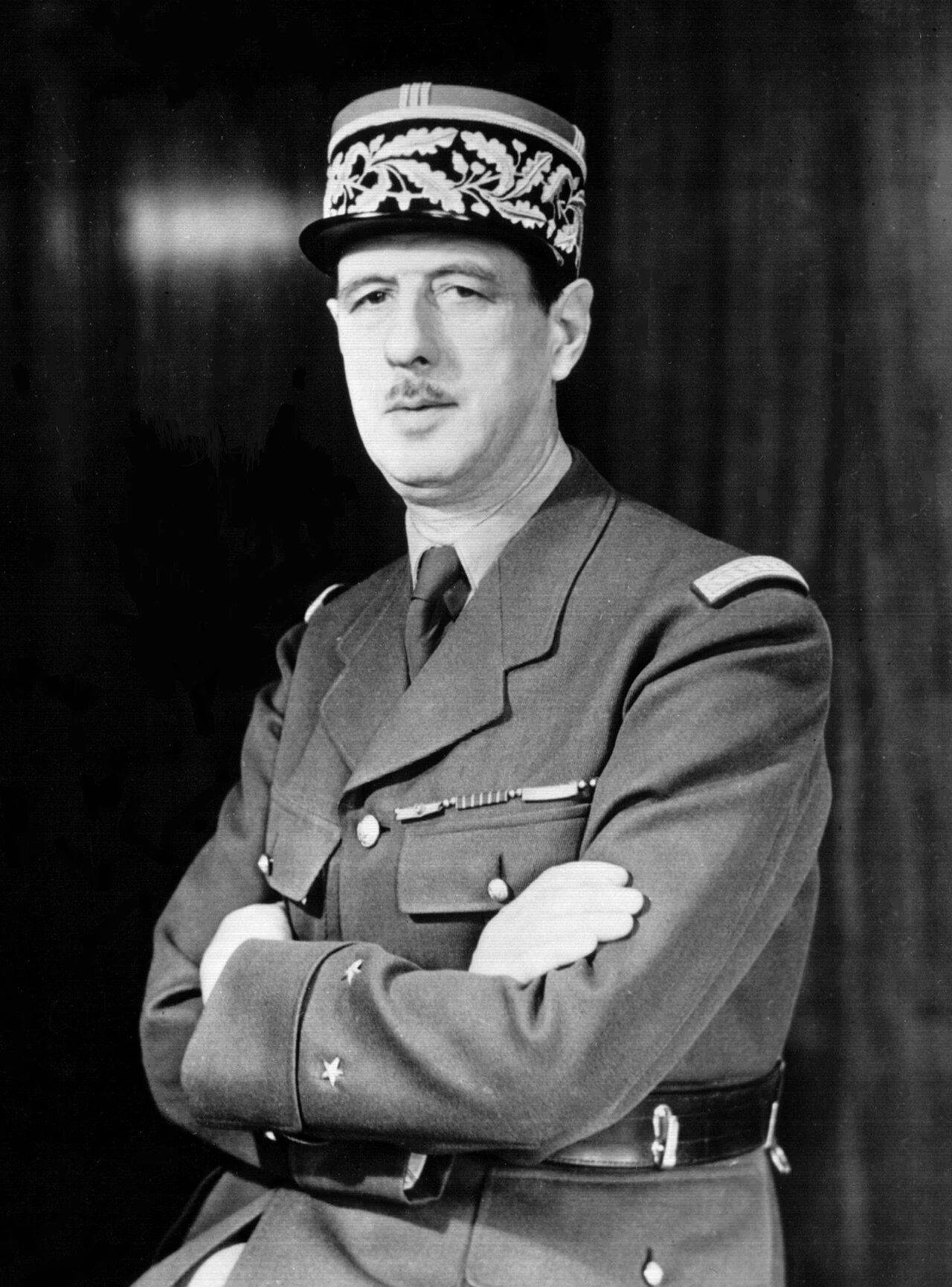
De Gaulle calls on Churchill — 9 June
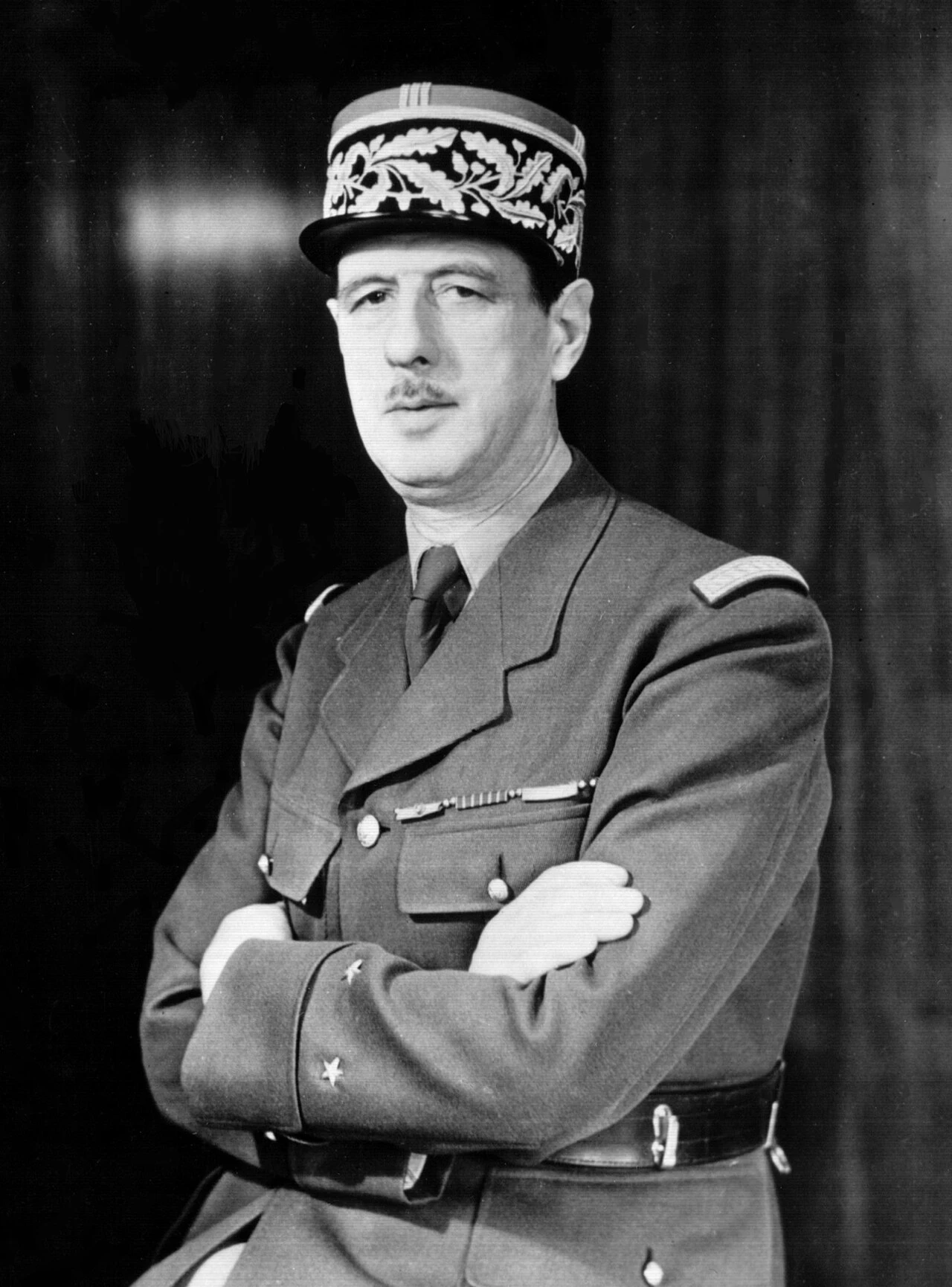
De Gaulle joins the government — 5 June
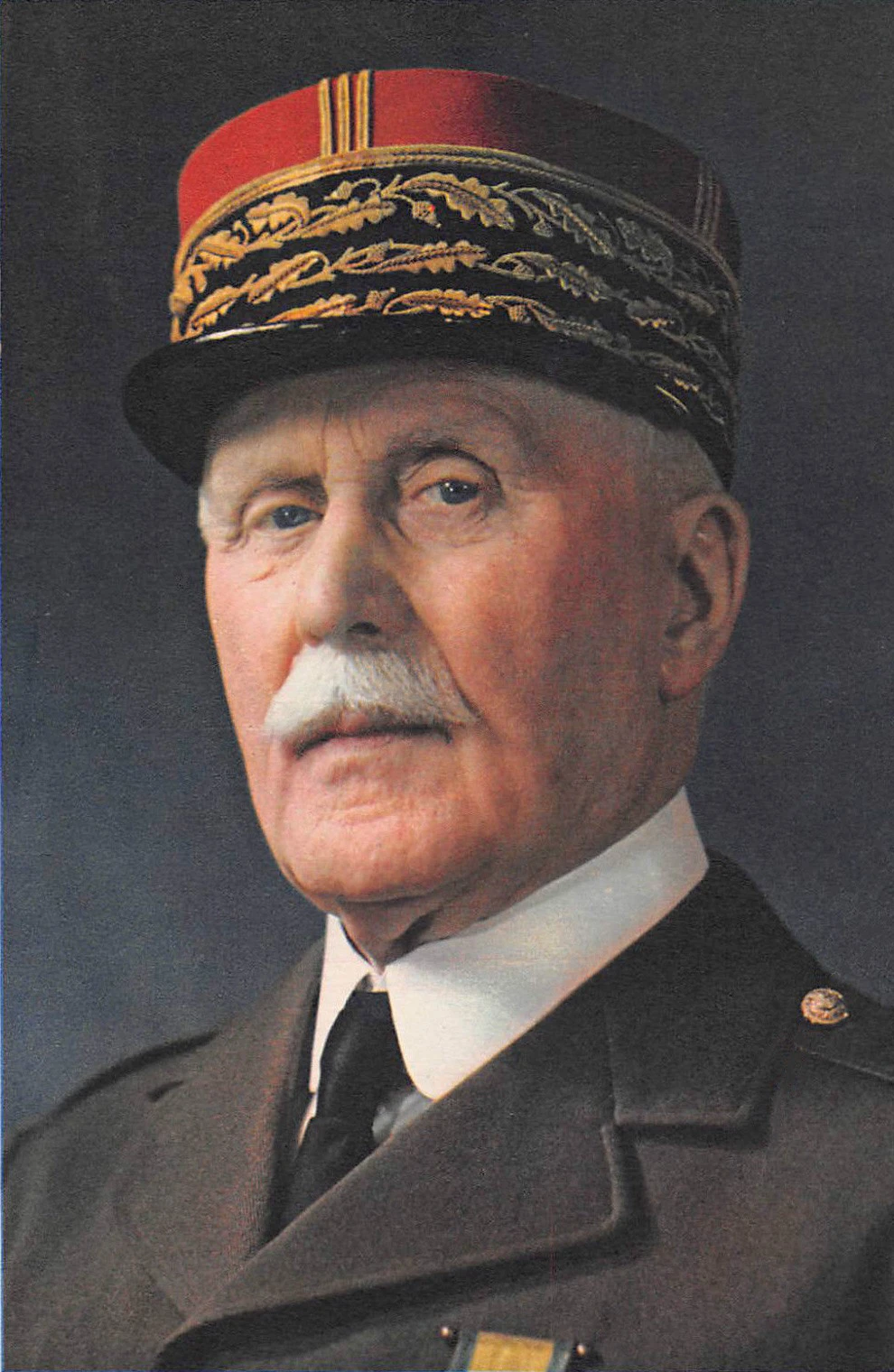
The hero of Verdun recalled from Madrid
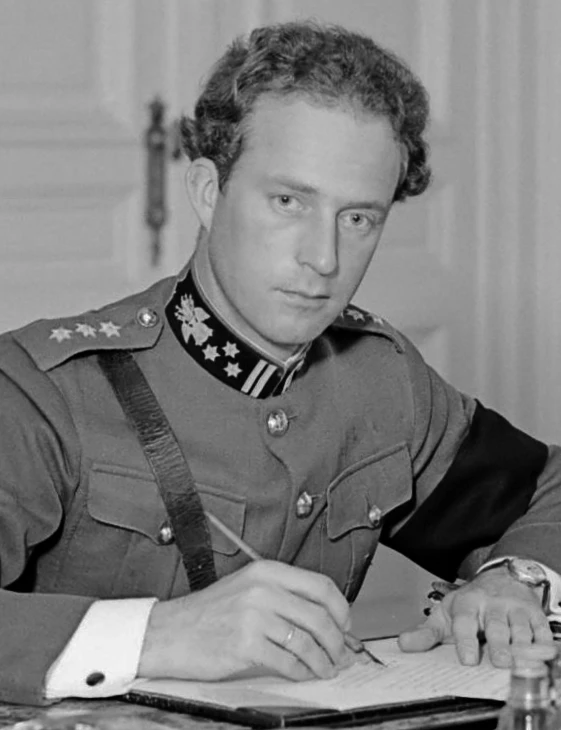
Leopold III takes command
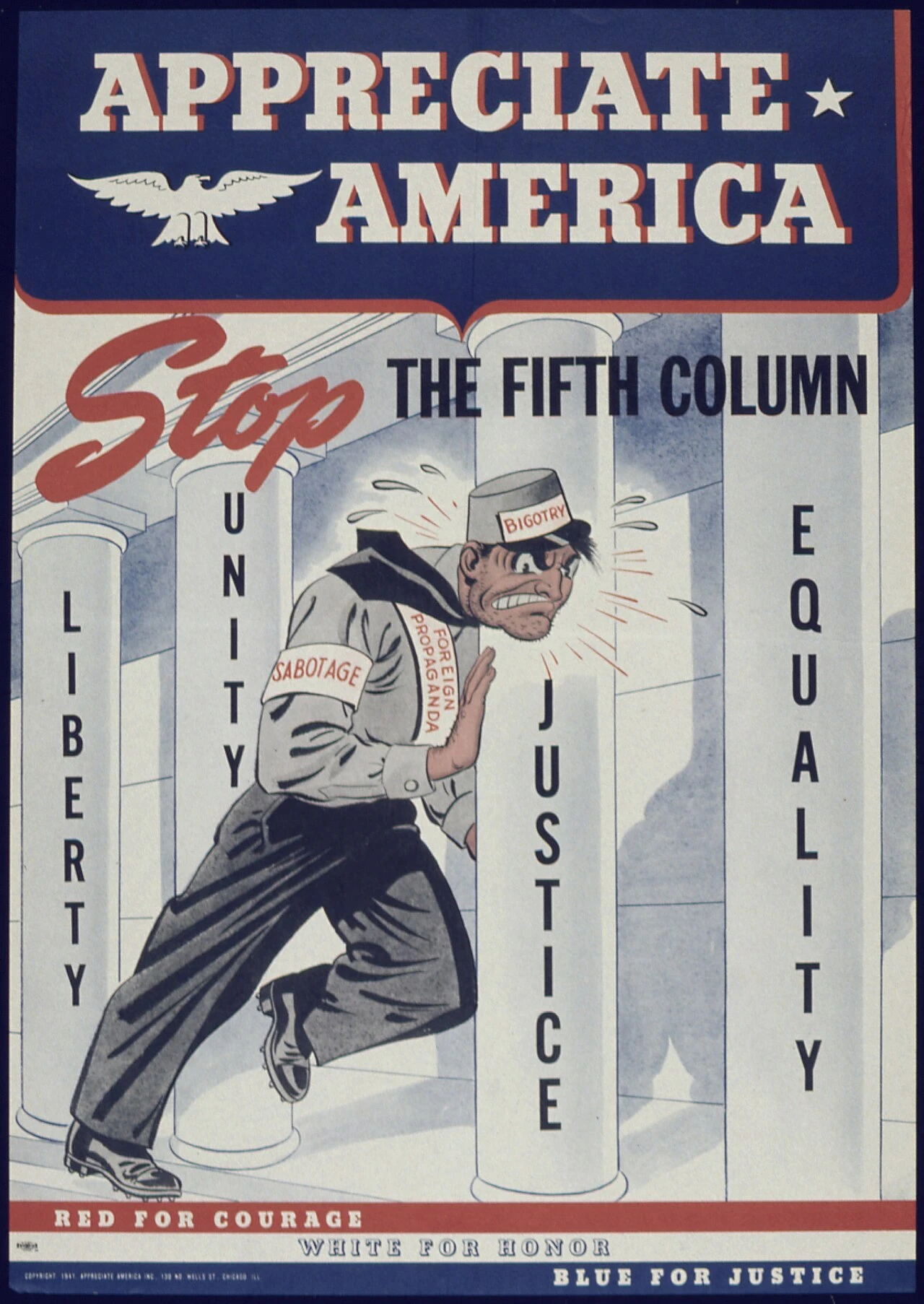
The fifth-column psychosis
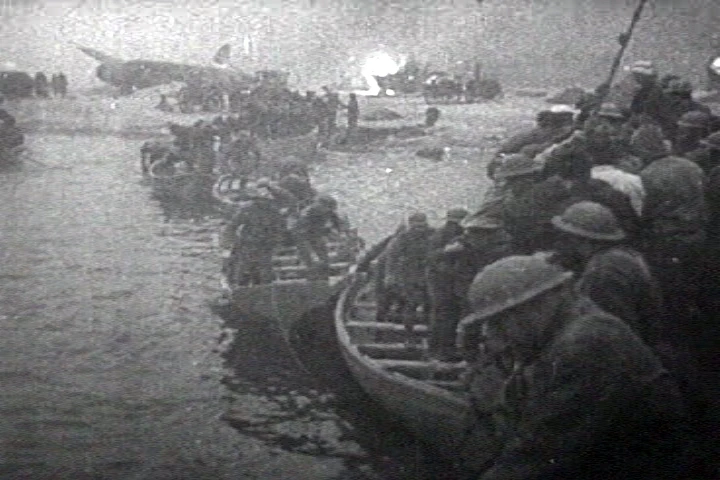
Ramsay — Dover, 14:23
The Capitulation of 28 May
Léopold III — Wijnendaele 28 May
Forty tonnes of gold trapped at Ostend
The Press under German Control
De Gaulle calls on Churchill — 9 June
De Gaulle joins the government — 5 June
The hero of Verdun recalled from Madrid
Leopold III takes command
The fifth-column psychosis