
Béthouart at Briançon — preparing Narvik
, 50, was an elite general: graduate of Polytechnique in 1908, he had headed the Alpine Section of the École militaire de haute montagne at Chamonix in the 1920s. A veteran of 1914-1918, he had commanded in Syria from 1920 to 1925. In December 1939 he took command of the new French , an Alpine formation raised for the Narvik Plan.
The brigade gathered 6,000 chasseurs alpins trained for winter combat, equipped with Rossignol skis, Berthier MAS 36 rifles, 81 mm mortars and 25 mm anti-tank guns. Its mission: to land at Narvik, in Norway, in March 1940, to cut the route of the Swedish iron ore shipped to Germany. The doctrine called for close cooperation with the Royal Navy for escort, support to the Norwegians, and liaison with the , likewise earmarked for the landing.
From 20 January to 15 February 1940, Béthouart trained his brigade at Briançon, in the Hautes-Alpes: ski exercises at altitude, manoeuvres with 40 kg packs, bivouacs at -25 °C. From 15 to 28 February, the units progressively embarked at Brest aboard 4 chartered liners — the Champollion, the Mexique, the Colombie and the Ville d'Oran. But the Narvik mission was suspended on 12 March 1940: the Peace of Moscow stripped away any pretext for aiding Finland.
Béthouart had to decide his brigade's fate after the cancellation.
What should Béthouart do after the Narvik Plan is cancelled?
Béthouart and the French command chose B. The remained embarked. On 9 April 1940, the German invasion of Norway (Operation Weserübung) triggered the mission: an immediate landing at Narvik on 14 April 1940. Béthouart commanded the operation jointly with the British general and the Polish Bohusz-Szyszko. Fierce fighting in May 1940: capture of Narvik on 28 May 1940 — the first Allied victory of the war. But the simultaneous French collapse (10 May - 22 June) forced a withdrawal. Allied evacuation of Narvik on 4-8 June 1940. Béthouart brought his brigade home to Brittany on 13 June — a few days before the armistice. He refused to serve Vichy, made his way to North Africa, and in November 1942 negotiated French acceptance of the Allied landing in Morocco (Operation Torch). He went on serving: Italian campaign, Provence, Germany. After the war, ambassador to Vienna 1946-1950. Died in 1982, aged 92.
Learn more about this event
Related polls
10
Altmayer and the 5th DLC in the Ardennes
Beauffrère and the 21st RIC at Dunkirk
Bulson — Lafontaine and the 02:00 rumour
Calais — Nicholson facing the ultimatum
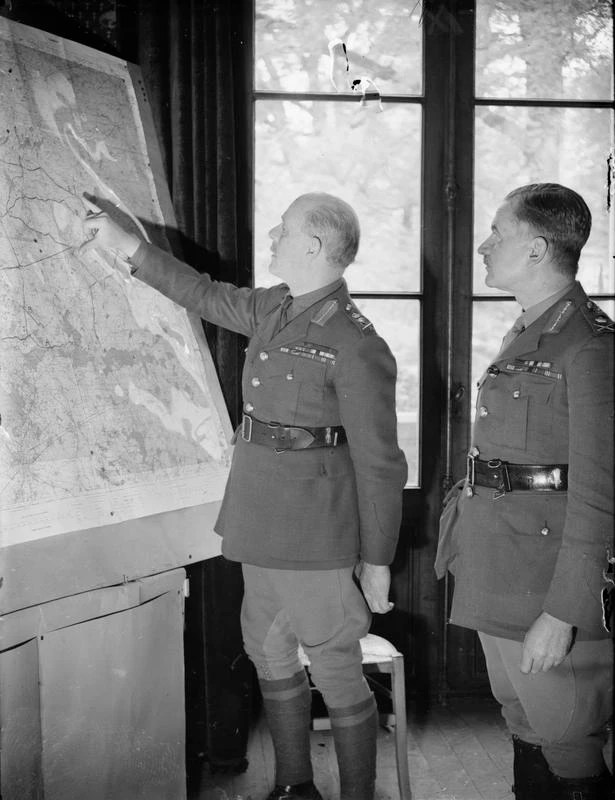
Gort at Habarcq — trust in the French plan
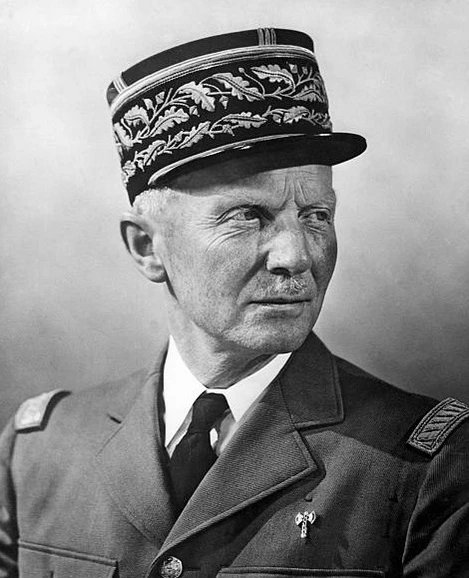
Huntziger over the Sedan reports — 13 May
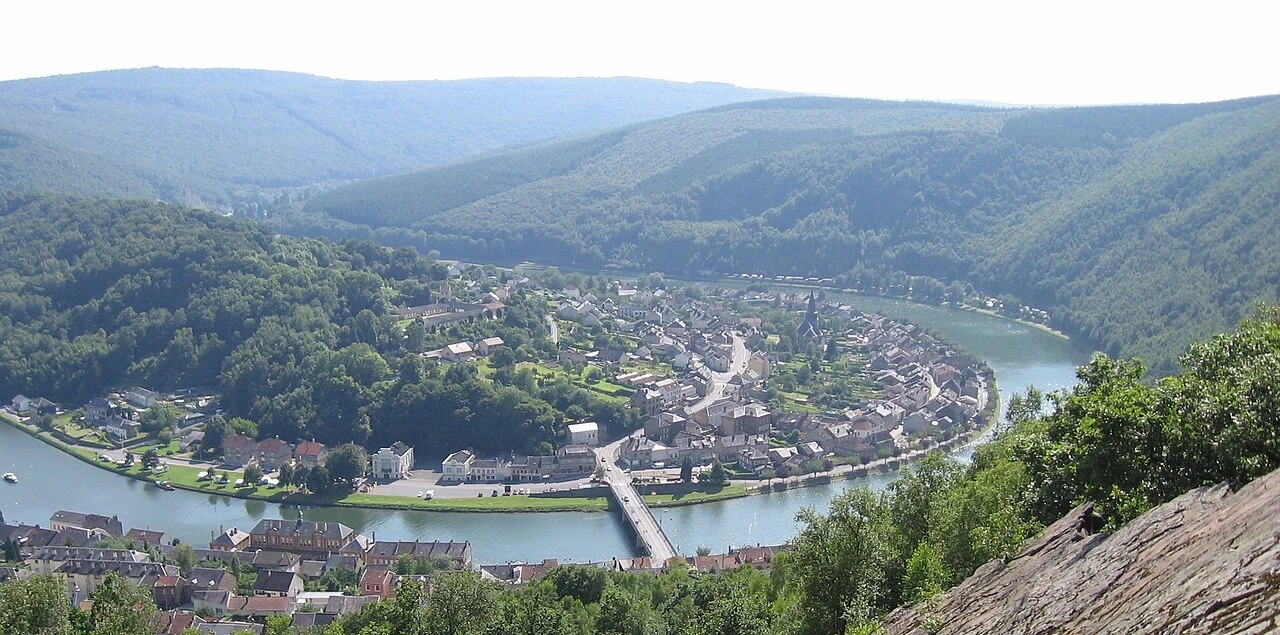
Monthermé — Portzert in the Meuse loop
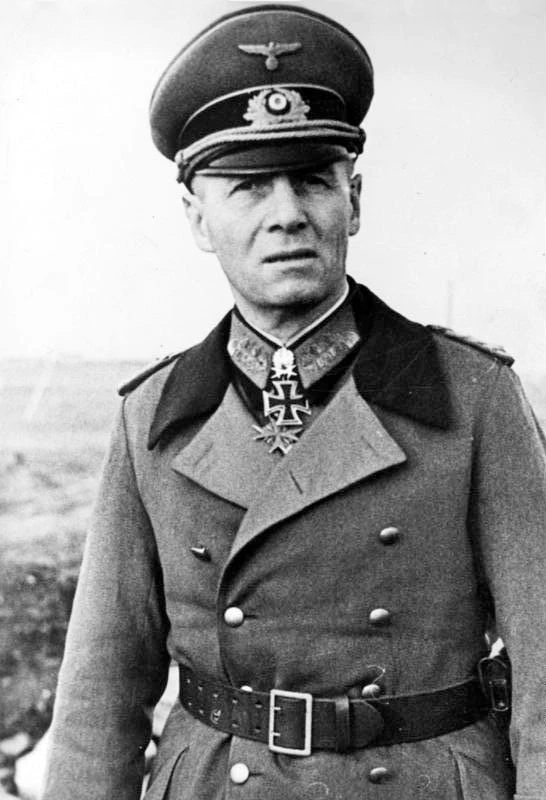
Rommel before the Serre — the Crécy bridge
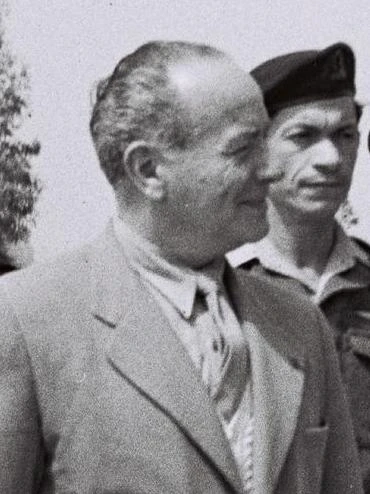
Stonne — Billotte facing the Panzer column
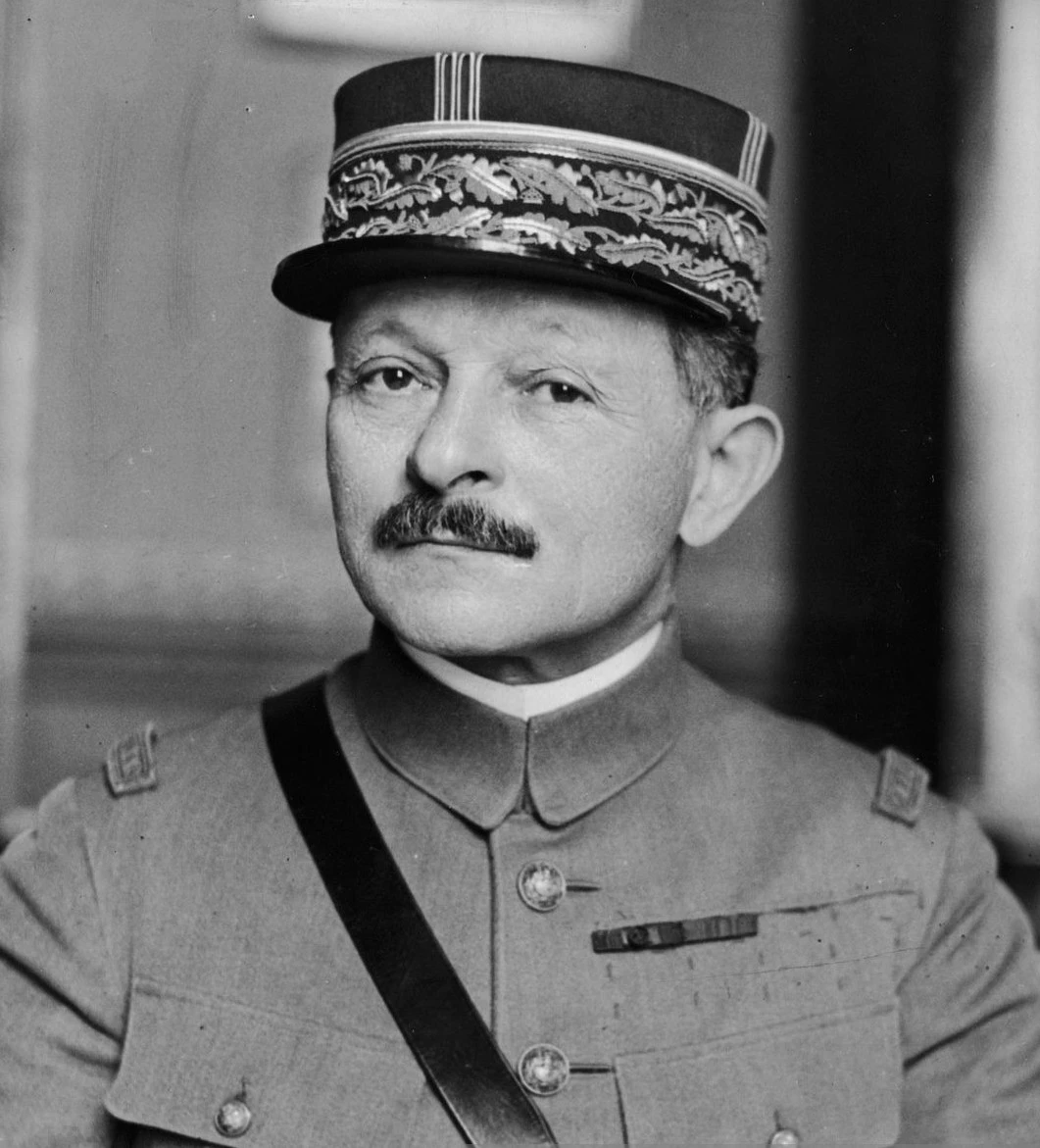
Weygand — Vincennes 20 May 02:00
Altmayer and the 5th DLC in the Ardennes
Beauffrère and the 21st RIC at Dunkirk
Bulson — Lafontaine and the 02:00 rumour
Calais — Nicholson facing the ultimatum
Gort at Habarcq — trust in the French plan
Huntziger over the Sedan reports — 13 May
Monthermé — Portzert in the Meuse loop
Rommel before the Serre — the Crécy bridge
Stonne — Billotte facing the Panzer column