
Waiting on the Beaches
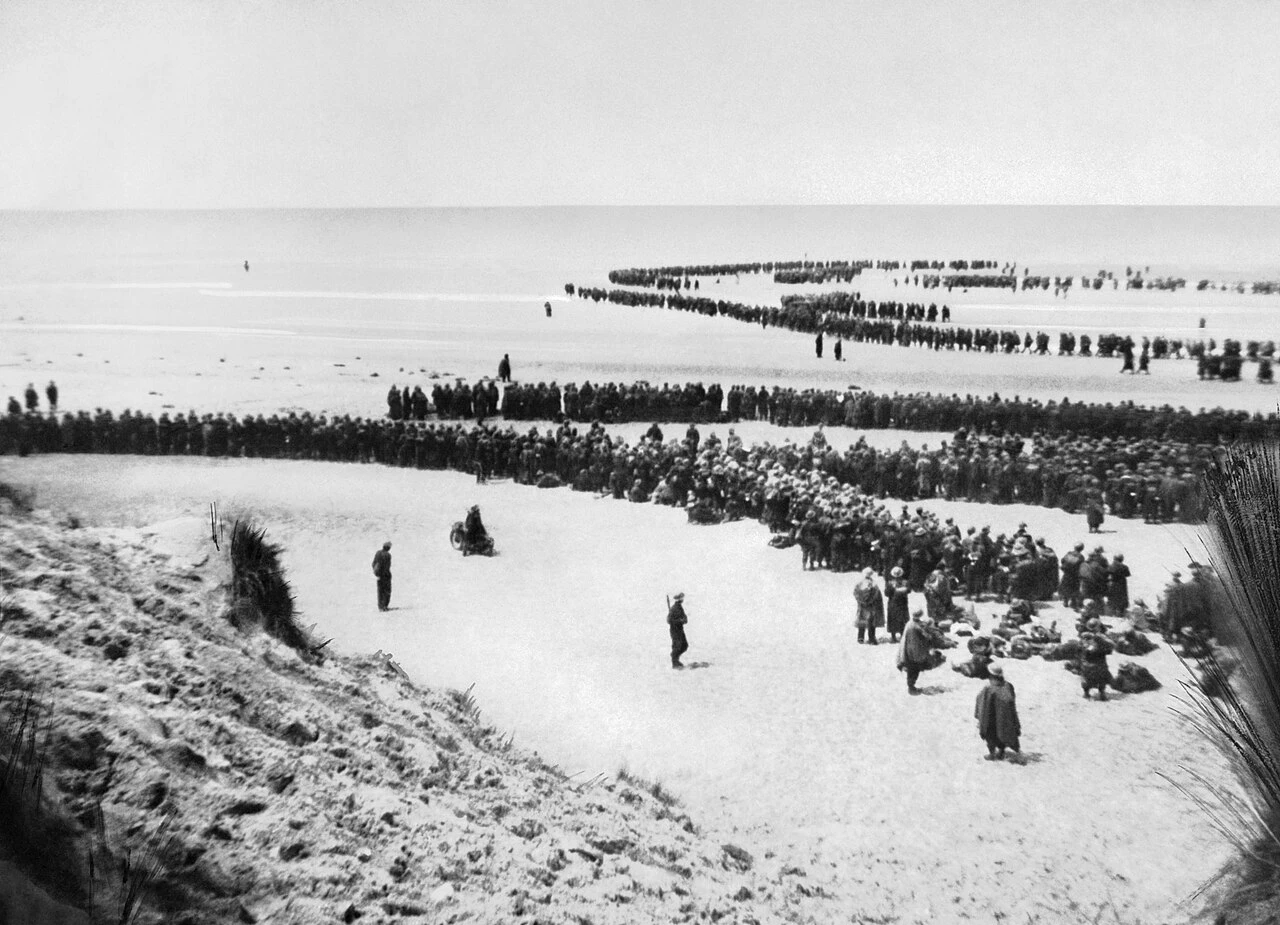
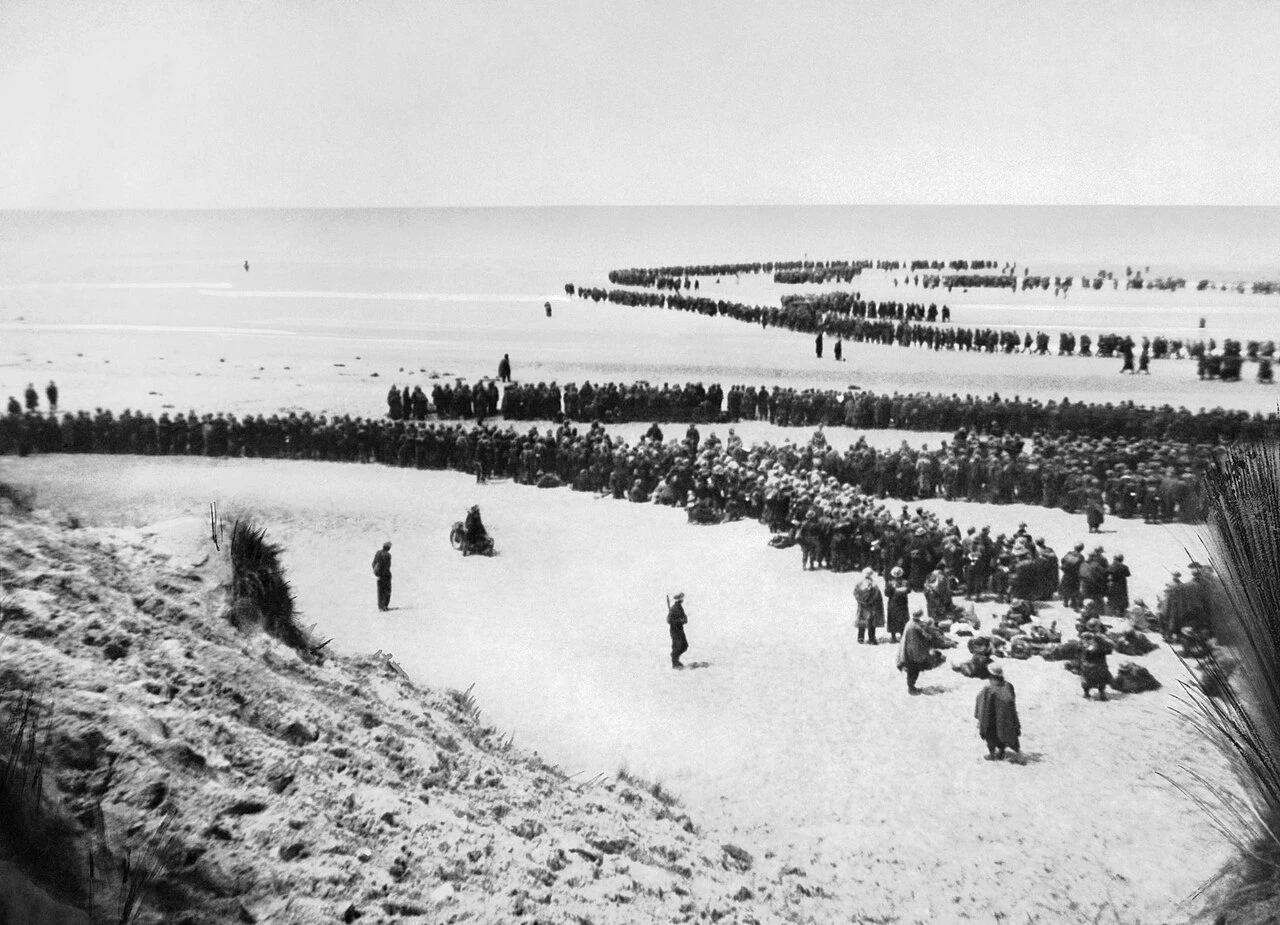
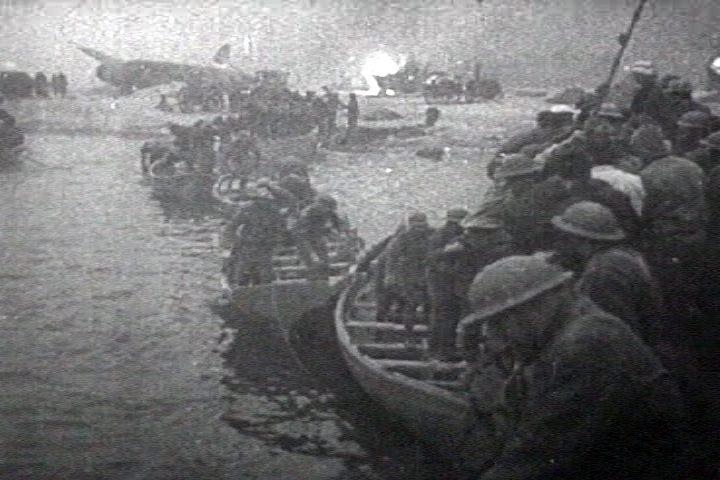
During Operation Dynamo, hundreds of thousands of soldiers crowd onto the beaches of Dunkirk and around it, waiting their turn to embark. Under the repeated attacks of the Luftwaffe, without shelter on the exposed sand, they queue for hours, sometimes days, in files that advance right into the water.
For you, the soldier, every hour of waiting is an ordeal. You may stay disciplined in the file, awaiting your turn despite the bombardments, trusting in the organisation of the evacuation. You may try to slip towards a boat as fast as possible, at the risk of disorder and panic. Or you may take cover in the dunes while waiting for a lull, at the risk of losing your place and missing an embarkation.
The temptation of every-man-for-himself is strong under the bombs, and how each man bears himself weighs on the collective fate. Should you keep your place, force your way through, or take cover? The "Dunkirk spirit" is forged in this anguished wait.
Should our soldier stay disciplined in the file, try to slip towards a boat, or take cover in the dunes?
On the whole, and despite moments of panic, it is A that predominates: the success of the evacuation depends largely on the steadiness and discipline of the men on the beach. This relative discipline of the queues, marshalled by the officers and the Royal Navy, is one of the keys to Dynamo's success. Under the Luftwaffe's bombardments — deadly but hampered by bad weather, smoke and the RAF — around 338,000 men are evacuated between 26 May and 4 June. The image of the long files waiting waist-deep in the water will become emblematic. The maintenance of order, more than acts of bravado, made possible the "miracle of Dunkirk": a military defeat turned into a rescue, which preserves the British army for the rest of the war.
Learn more about this event
Related polls
10
The French Rearguard at Dunkirk
Boulogne — Fox-Pitt and the Guards facing the port
Calais — Nicholson facing the ultimatum
The Defence of Boulogne
Dunkirk: holding the line under the bombs
Dunkirk — Tennant and the devastated port
The Weygand Line on the Somme
The Lille Pocket
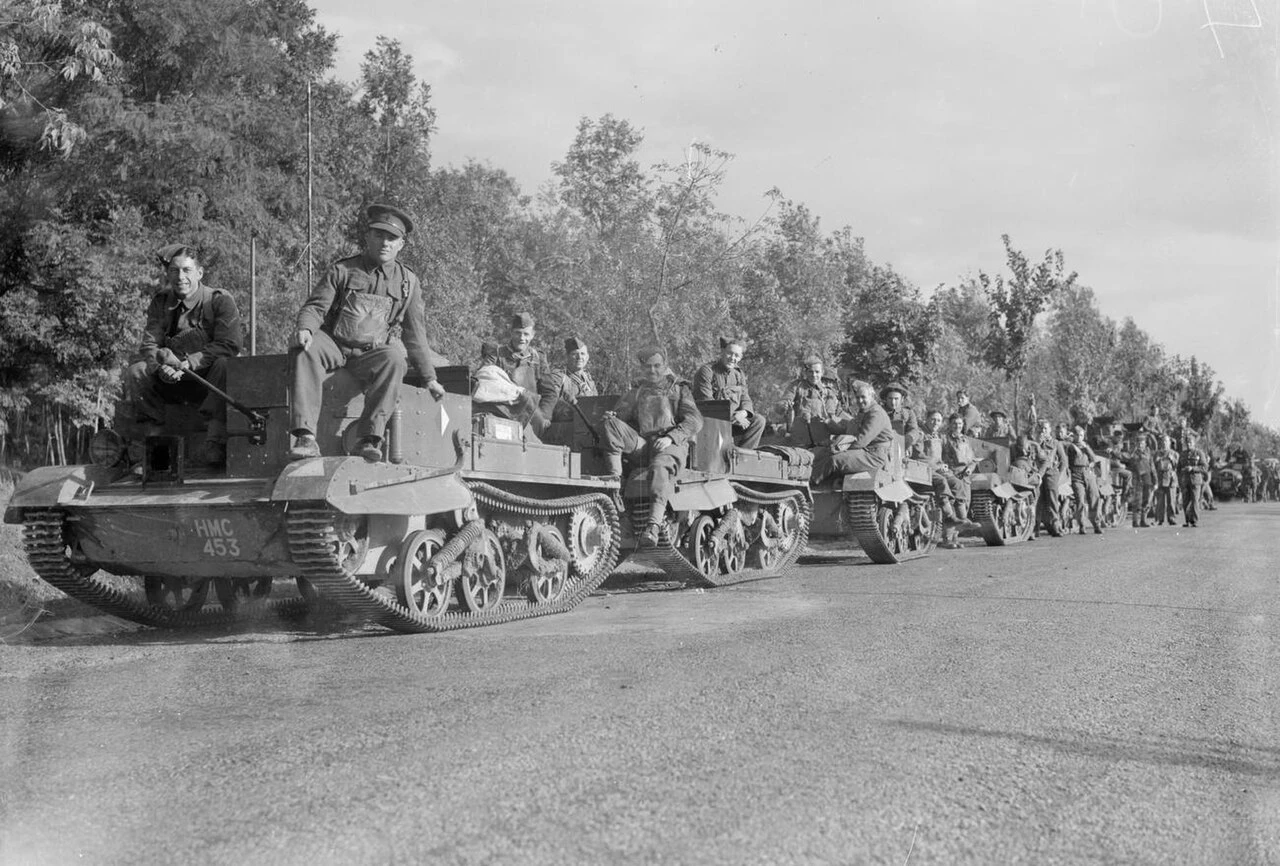
Holding the Dunkirk Perimeter
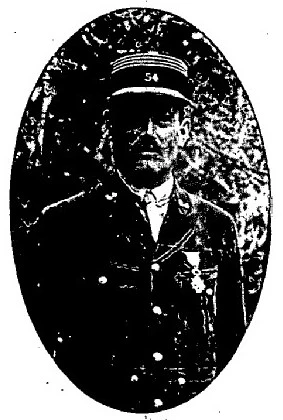
Touchon on the Aisne — Fall Rot
The French Rearguard at Dunkirk
Boulogne — Fox-Pitt and the Guards facing the port
Calais — Nicholson facing the ultimatum
The Defence of Boulogne
Dunkirk: holding the line under the bombs
Dunkirk — Tennant and the devastated port
The Weygand Line on the Somme
The Lille Pocket
Holding the Dunkirk Perimeter