
Karjalan evakot — the pre-emptive evacuation
In the wake of the Peace of Moscow, signed on 12 March 1940, Finland ceded to the USSR roughly 35,000 km²: the Karelian Isthmus, Vyborg and its environs, the northern shores of Lake Ladoga around Sortavala, and the lands of Salla and Kuusamo. The population concerned amounted to 422,000 people — 12% of Finland's total population.
As early as 27 February 1940 — even before the peace was signed — the Ryti government set up machinery for evacuating Karelian civilians. The future status of these inhabitants remained uncertain: would Moscow let them stay? would dual nationality be possible? or would Soviet citizenship be imposed? For each family the stakes were immediate: a people, a language, a culture, a Lutheran religion — and a home to leave or to defend.
The machinery, overseen by the Helsinki provincial authority under , relied on special trains. An evacuated family would have two days to pack a single bundle of up to 80 kg before being shipped to the inland provinces designated to receive them: Häme, Ostrobothnia, Päijät-Häme. On arrival, nothing was ready: no housing awaited the evacuees, and local authorities would have to requisition rooms in private homes. To leave at once with the bare minimum, to stay and accept the new sovereignty, or to try to preserve one's possessions on the spot in the hope of return: the choice lay with each household.
Our Karelian family had to choose.
What should a Karelian family do in the face of evacuation?
99% of Karelians chose C: to leave at once with the bare minimum and accept a new life in inland Finland. 422,000 people were evacuated between late February and late March 1940 — a logistical operation without precedent in Finnish history, relying on 370 special trains. The official reasoning was borne out: Moscow refused dual nationality, and Karelians could not stay on as Soviet citizens; the Finnish-Karelian people had to be preserved. Losses en route: 230 confirmed dead (accidents, heart attacks, hypothermia among the elderly). By 1 April 1940, all Karelians were settled in inland Finland. The resettlement programme: a law on land acquisition for evacuees (June 1940), which distributed 35,000 new farms in the provinces of Häme and Ostrobothnia — financed by an exceptional capital tax (10% of all non-evacuee Finns' wealth). Karelian culture survived: newspapers, schools, Karelian Orthodox parishes. Some 150,000 direct descendants of the evacuees still live in Finland today and identify with their origins. During the Continuation War (1941-1944), Finland retook Karelia; 300,000 Karelians returned home. But in June 1944, after defeat, came a second evacuation: same protocol, same 422,000 people. Karelia remains Russian.
Learn more about this event
Related polls
10
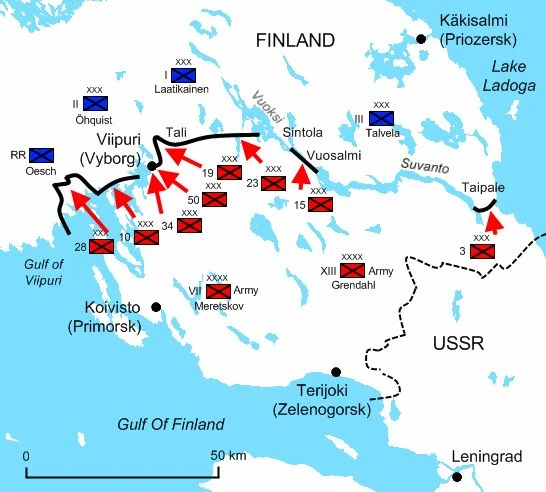
Talvela at Vyborg — 17 February
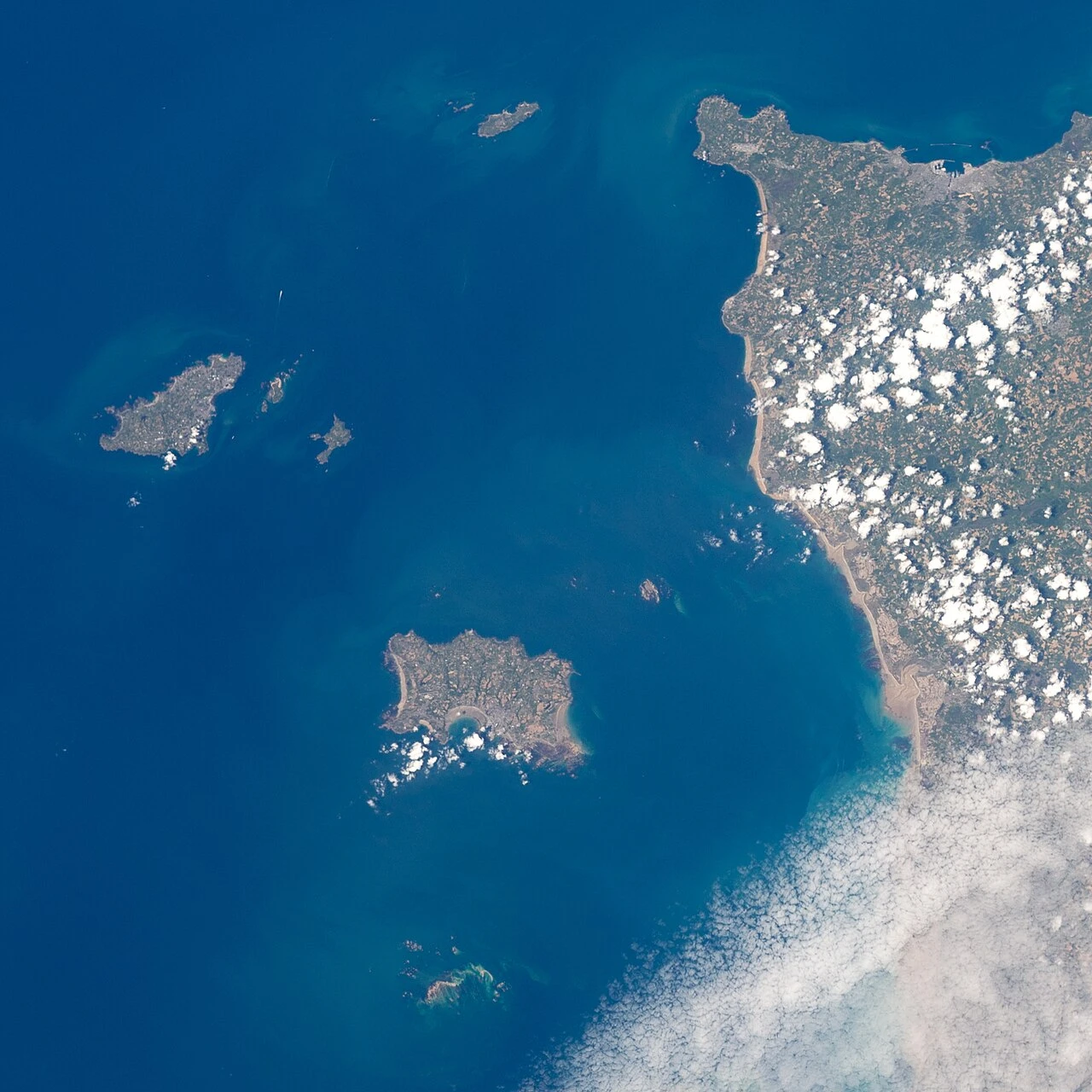
The Channel Islands — open city?
Coventry — the night of November 14
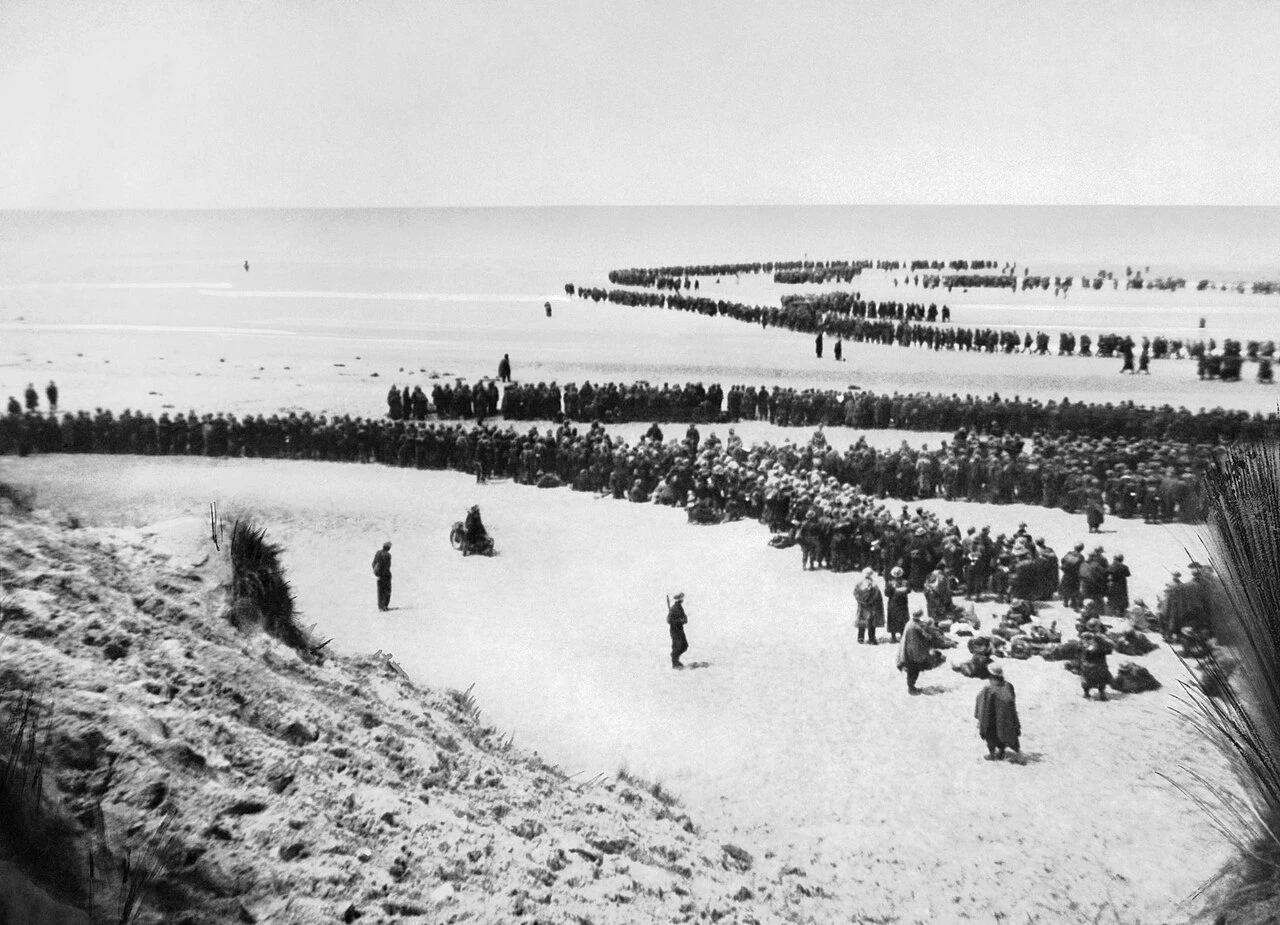
Dunkirk: holding the line under the bombs
Héring — Paris open city, 13 June
The Forbidden Zone of Alsace — what to do with the civilians of the Rhine?
The French Conscript of the Phoney War
Malta under the 'Illustrious Blitz'
Gas Masks
Warsaw Under Siege: Feeding the City or the Front
Talvela at Vyborg — 17 February
The Channel Islands — open city?
Coventry — the night of November 14
Dunkirk: holding the line under the bombs
Héring — Paris open city, 13 June
The Forbidden Zone of Alsace — what to do with the civilians of the Rhine?
The French Conscript of the Phoney War
Malta under the 'Illustrious Blitz'
Gas Masks