
Barely installed, the occupier ordered the handing in of all weapons held by the population: hunting rifles, service weapons, ammunition. Keeping a weapon became a heavily punished offence, potentially carrying the death penalty. For many veterans or simply patriotic citizens, the idea of completely disarming the country for the benefit of the enemy was unbearable.
For you, the veteran, the dilemma came early — it was one of the very first possible acts of refusal. To hand in your weapons as required, out of caution and to protect your family. To hide them (buried, walled up) in the hope of a future uprising or of a resistance that did not yet exist. Or to hand in only part of them, concealing the rest to guard against any eventuality.
In the summer of 1940, no organised resistance yet existed, and hiding a weapon was above all a symbolic gesture or a matter of instinct. But this individual choice, multiplied many times over, would later form a material and moral reservoir for the clandestine networks. The risk, for its part, was immediate and deadly in the event of a search.
Should our veteran hand in his weapons, hide them, or hand in only part of them?
The majority, out of caution and under the threat of heavy penalties, chose A and handed in their weapons. But a minority opted for B or C: rifles and ammunition were buried, walled up, concealed — individual gestures of refusal, without organisation, that would later form one of the material foundations of the Belgian Resistance. Keeping a weapon exposed one to very severe sanctions. These early concealments, still isolated in the summer of 1940, testify to a spirit of refusal that would take months to organise into networks. They are a reminder that resistance began, for many, with small clandestine and risky acts, long before any organisation.
Learn more about this event
Related polls
10
Hiding an Allied soldier
The Free-Shooter of Information — Listening to London
The First Arrests

The French in London — Who Joins?
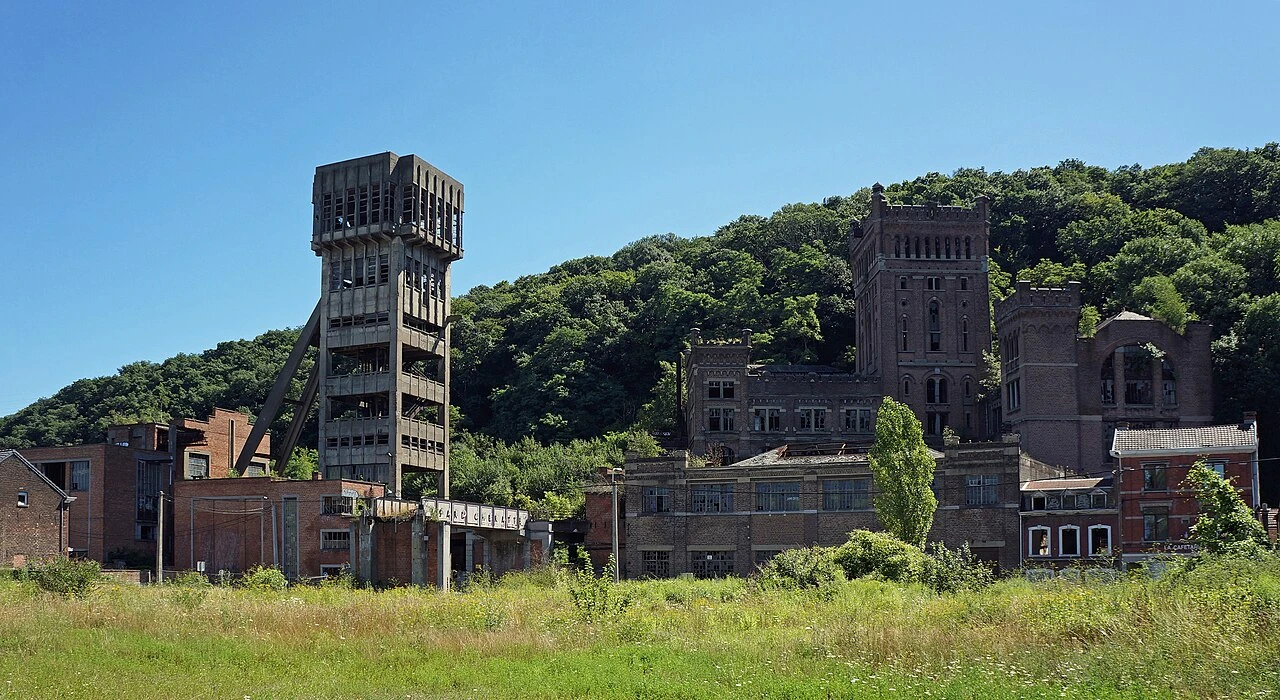
Campine Coal and the Hunger of Year One
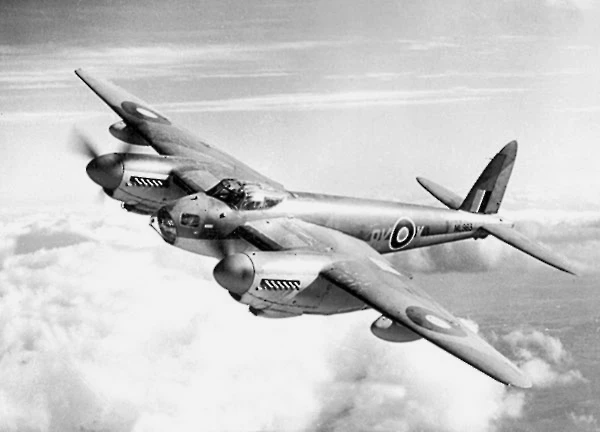
Joining the free air forces
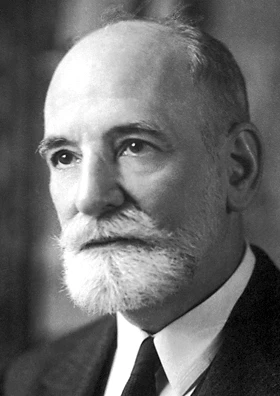
René Cassin Reaches London — 29 June
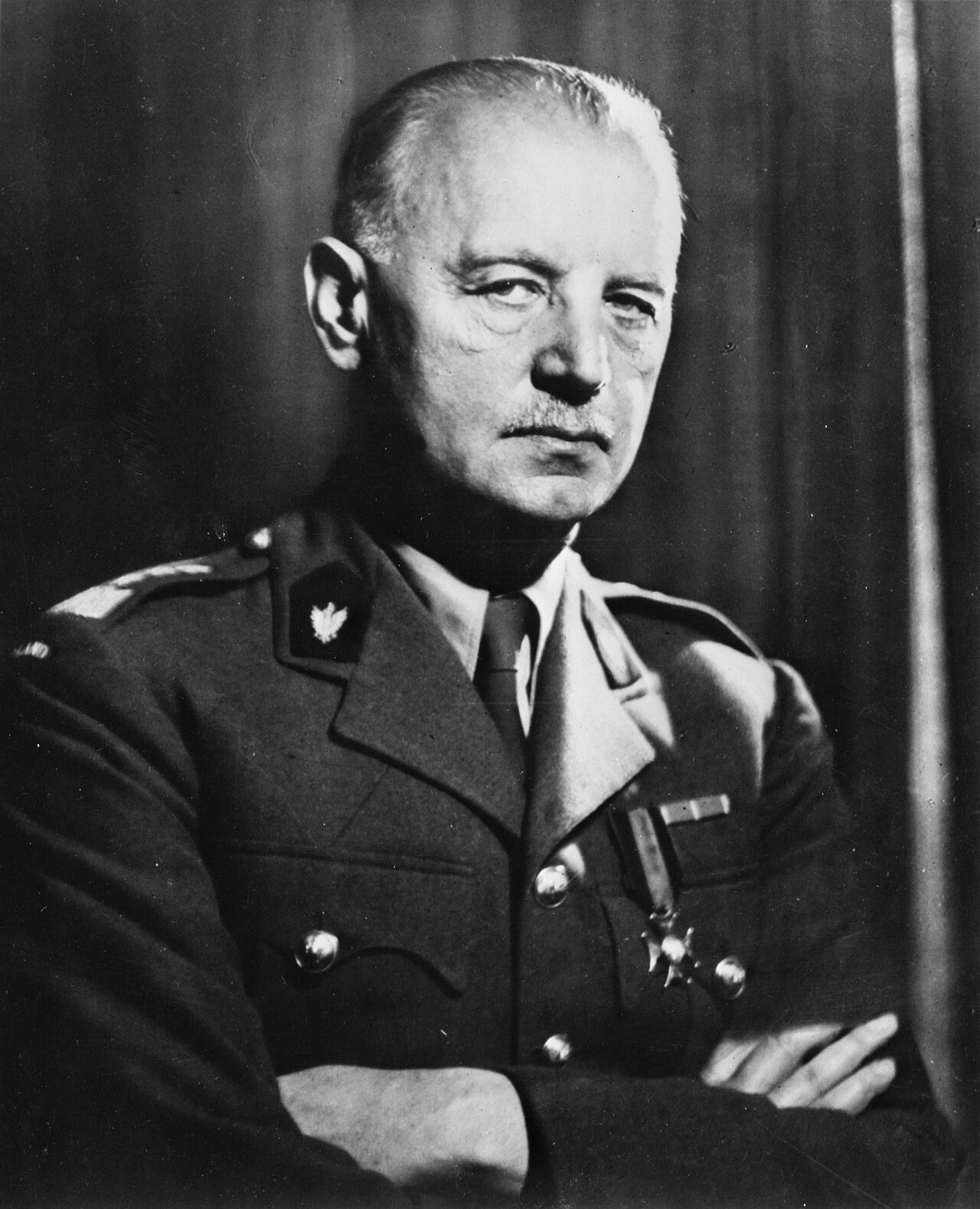
Sikorski leaves Bordeaux — 18 June
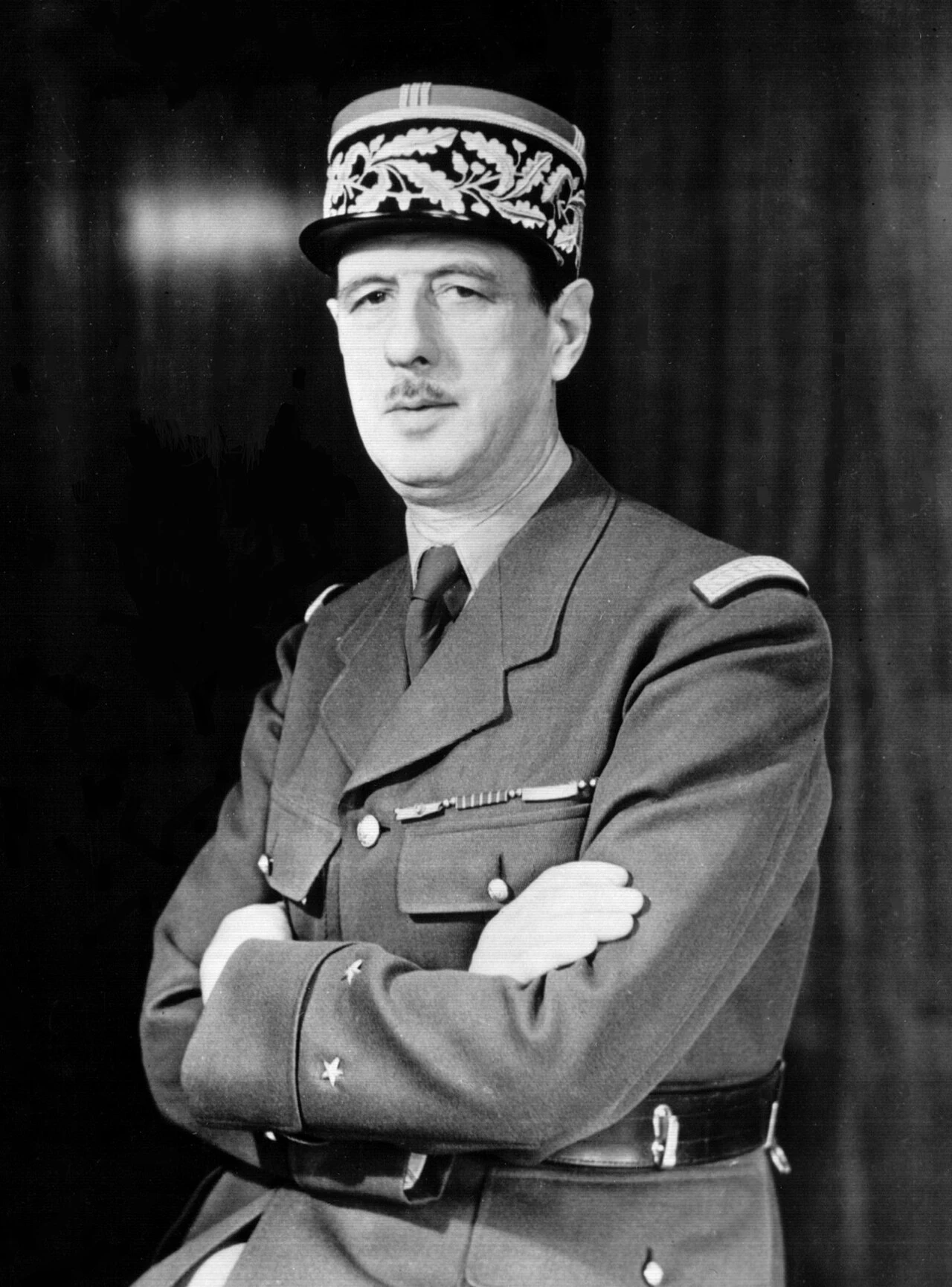
De Gaulle at the BBC microphone — 18 June, 18:00
Founding the Free Belgian Forces
Hiding an Allied soldier
The Free-Shooter of Information — Listening to London
The First Arrests
The French in London — Who Joins?
Campine Coal and the Hunger of Year One
Joining the free air forces
René Cassin Reaches London — 29 June
Sikorski leaves Bordeaux — 18 June
De Gaulle at the BBC microphone — 18 June, 18:00