
Stonne — the village taken and retaken
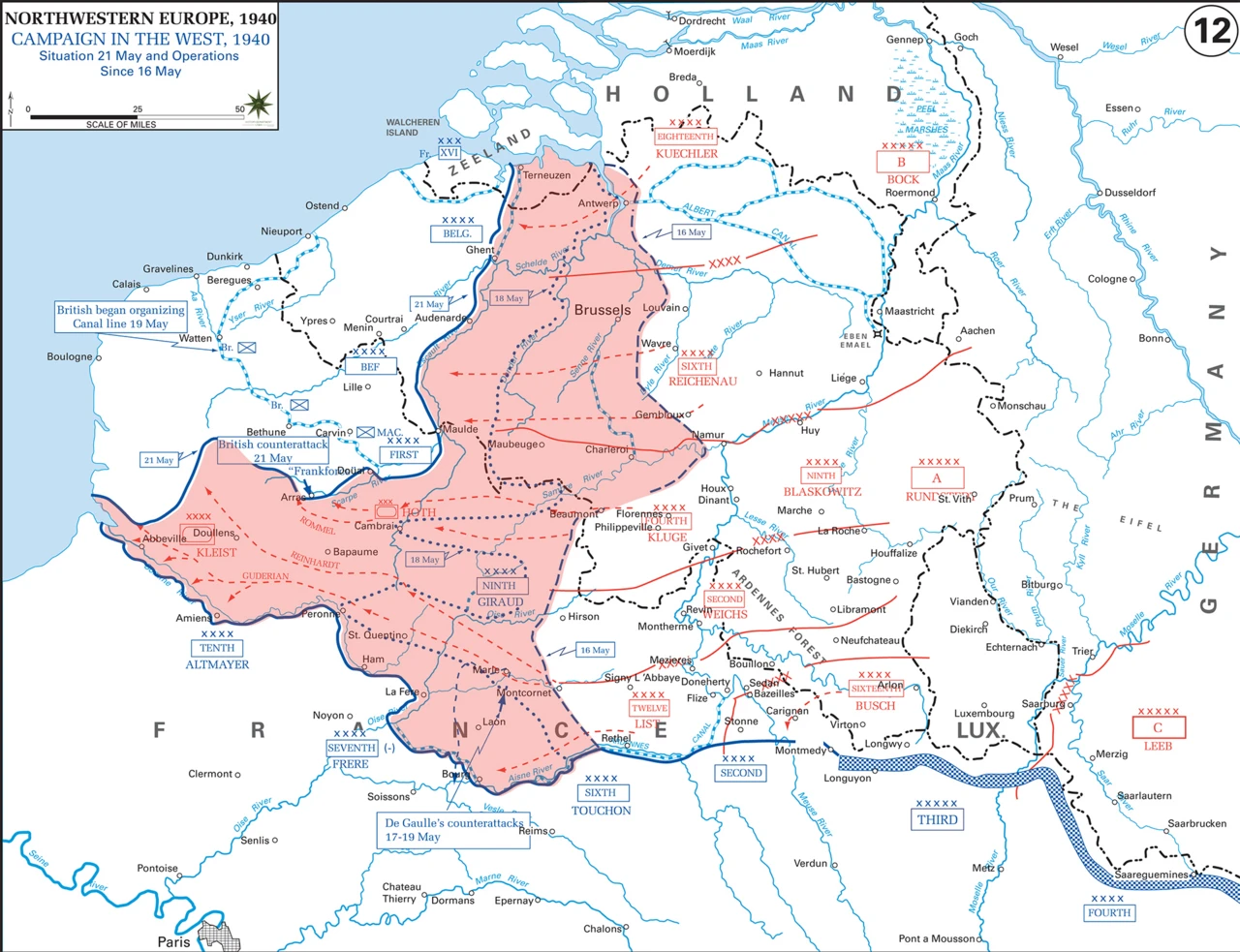
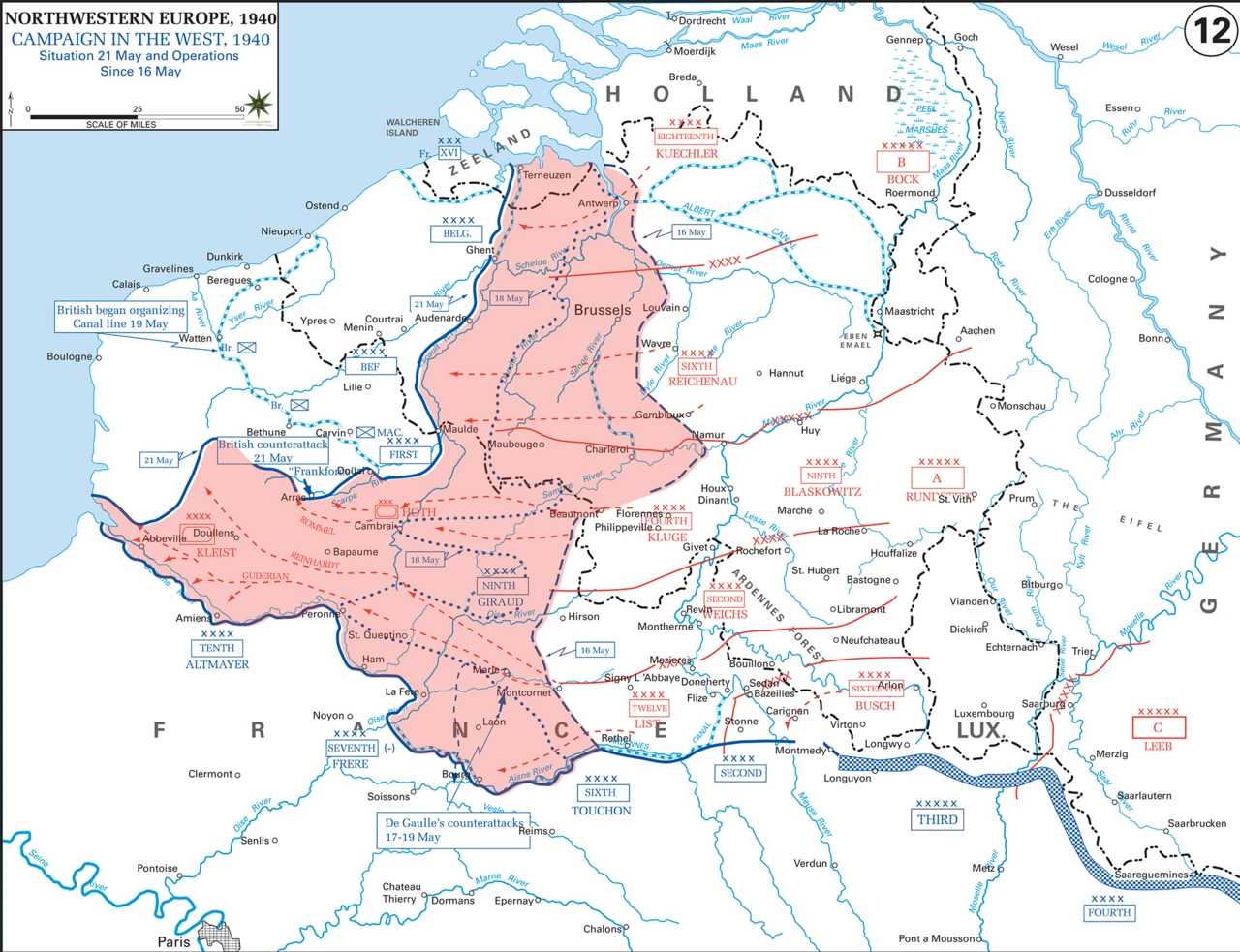
After the breakthrough at Sedan, the village of Stonne, perched on a ridge dominating the plain, became a strategic bottleneck: whoever held it watched over the southern approaches to the German bridgehead. The Germans seized it quickly to cover the flank of their advance, while French units, including heavy B1 bis tanks all but invulnerable to the enemy guns of the time, were available in the sector.
Around the village, the fighting took on a tone of extreme violence. The French command had to decide how much effort to devote to it. It could cling on at all costs to retake and hold the village, in the hope of cutting the breakthrough at its base. It could limit the effort to an economical defence, to preserve forces in the face of a general situation that was deteriorating. Or it could withdraw to a more tenable line.
Each option had its price. A ferocious struggle for the ridge could wear down the enemy, but it tied up scarce assets in the south while the bulk of the breakthrough was already racing further north. The stakes went beyond Stonne: it was a question of where to place the effort as the German rush westwards threatened to become uncontrollable.
Should the French command cling to Stonne at all costs, limit the effort, or withdraw?
The French chose A for several days: Stonne changed hands some fifteen times between 15 and 25 May, in one of the most bitterly fought engagements of the campaign — it has sometimes been called the "Verdun of 1940". Captain Billotte's B1 bis tank destroyed thirteen German vehicles single-handedly in a single engagement, a resounding feat. But the effort, poorly coordinated with a failing overall strategy, was not enough to dent the German breakthrough, which was already racing towards the Channel further north. Stonne remains the symbol of French fighting valour squandered by the shortcomings of the high command.
Learn more about this event
Related polls
10
Arras — the Matildas against Rommel's flank
Boulogne — Fox-Pitt and the Guards facing the port
Bulson — Lafontaine and the 02:00 rumour
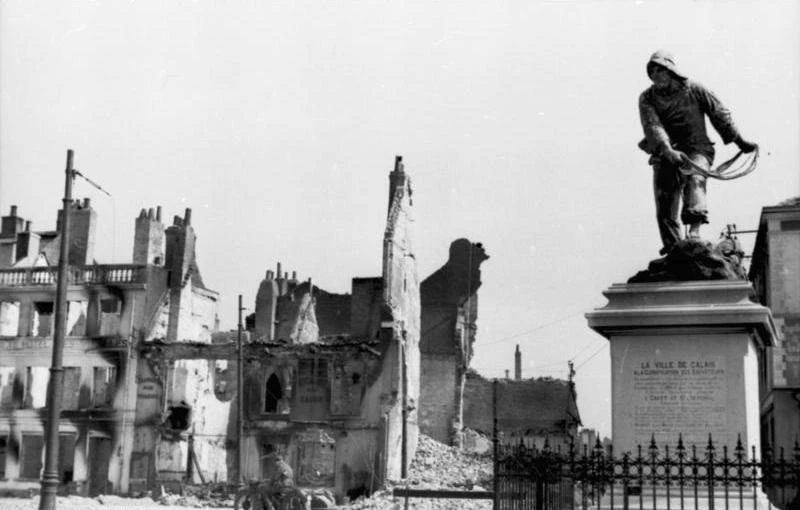
Calais — Nicholson facing the ultimatum
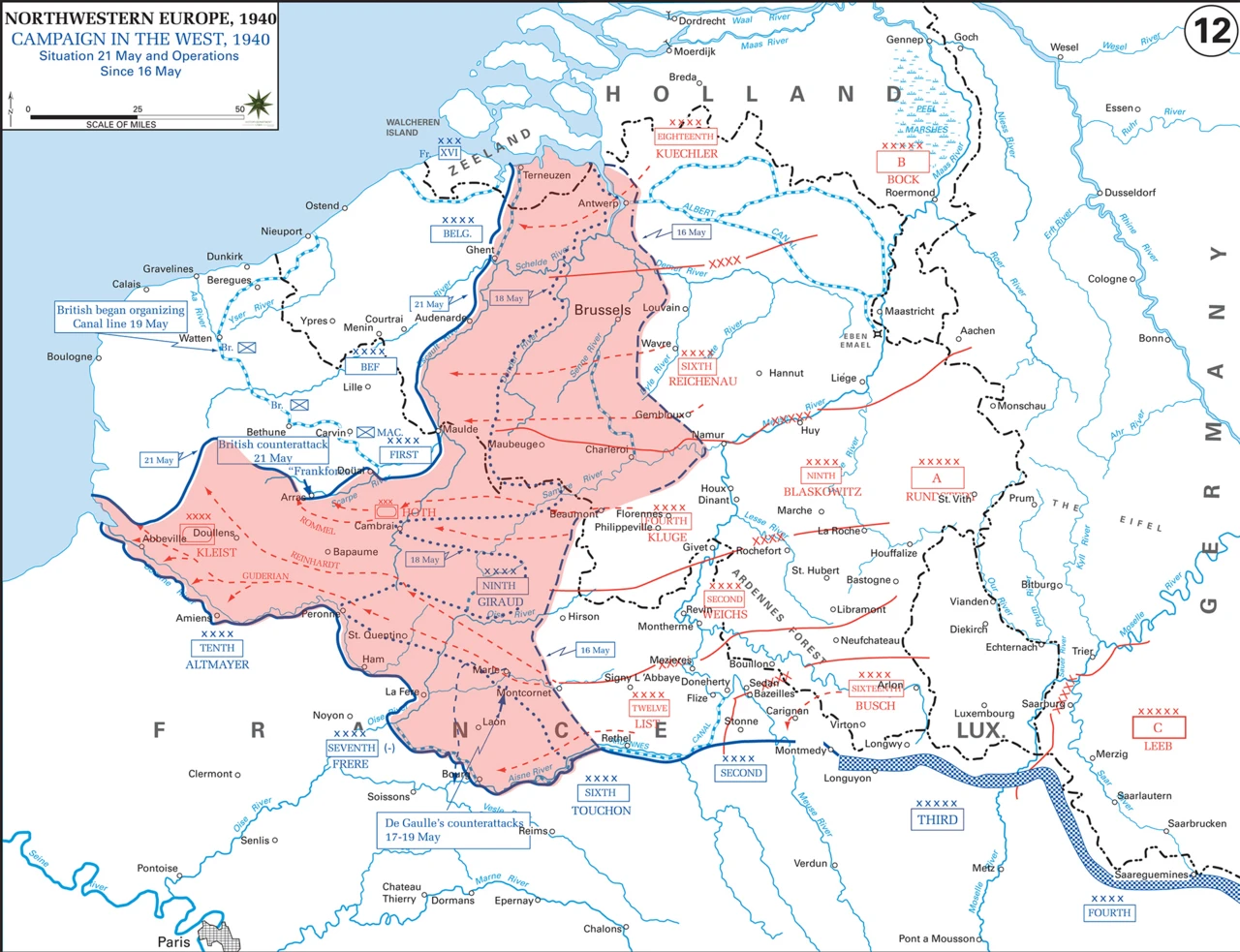
The Arras counter-attack
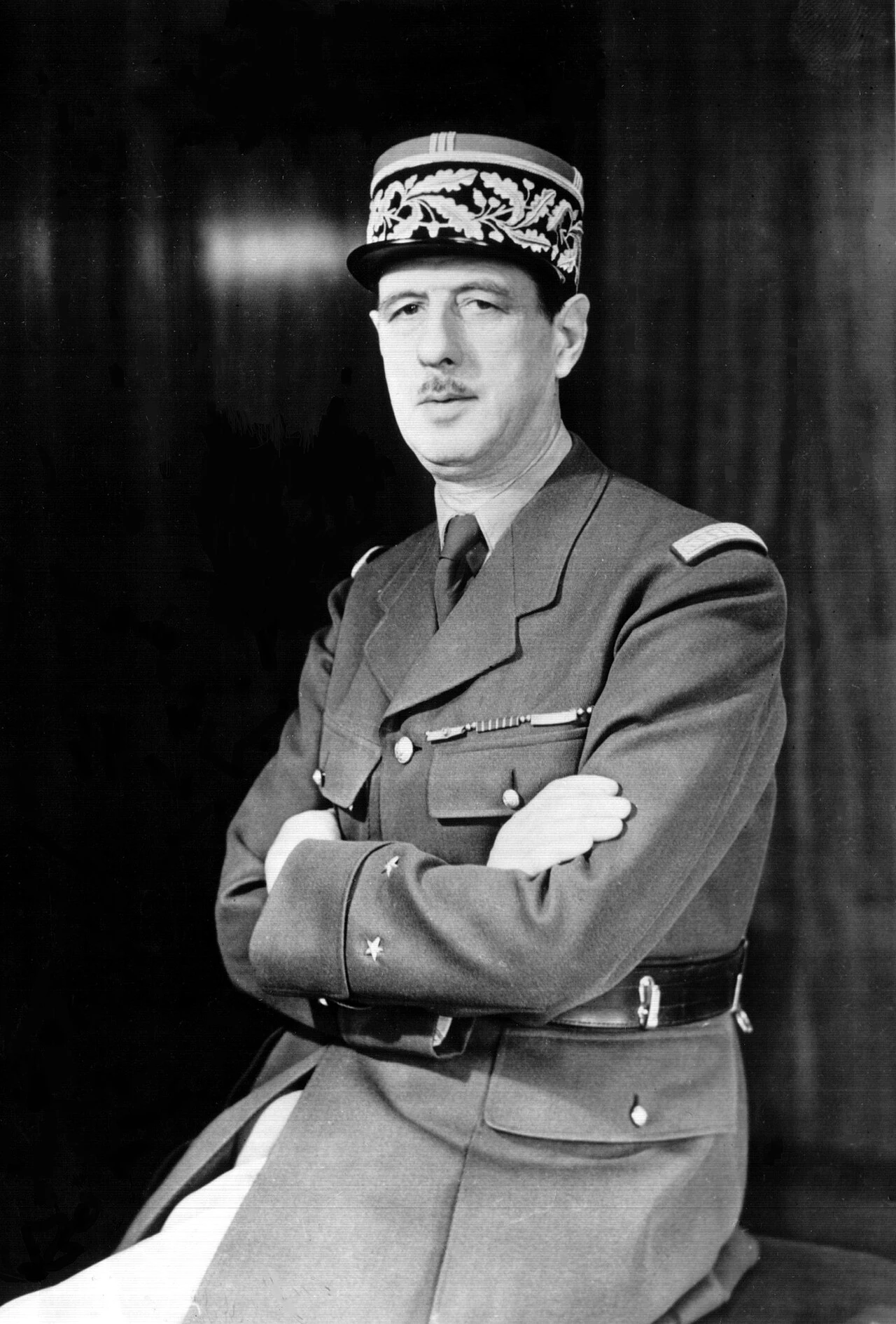
De Gaulle at Abbeville
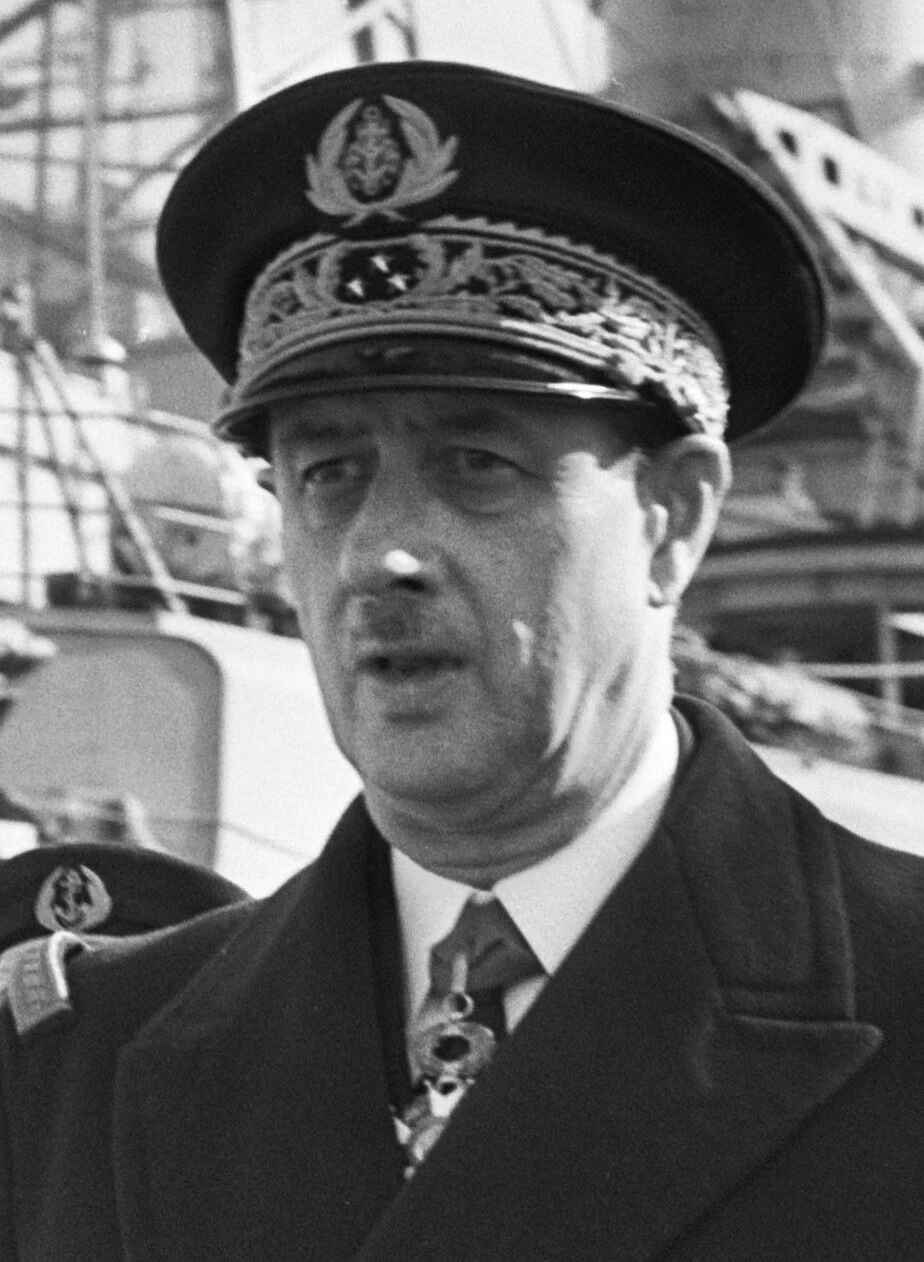
De Gaulle at Montcornet
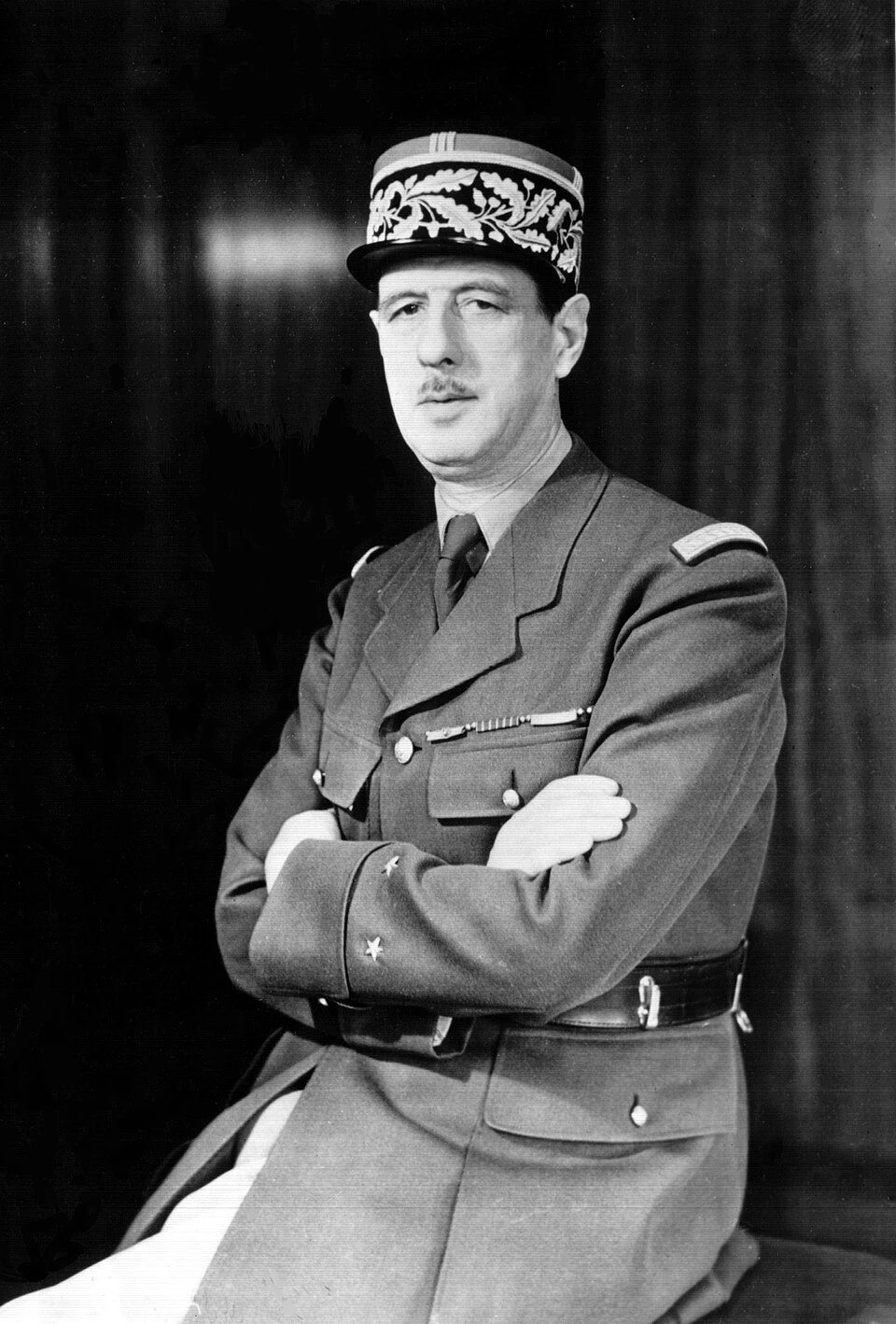
De Gaulle at Montcornet — 17 May
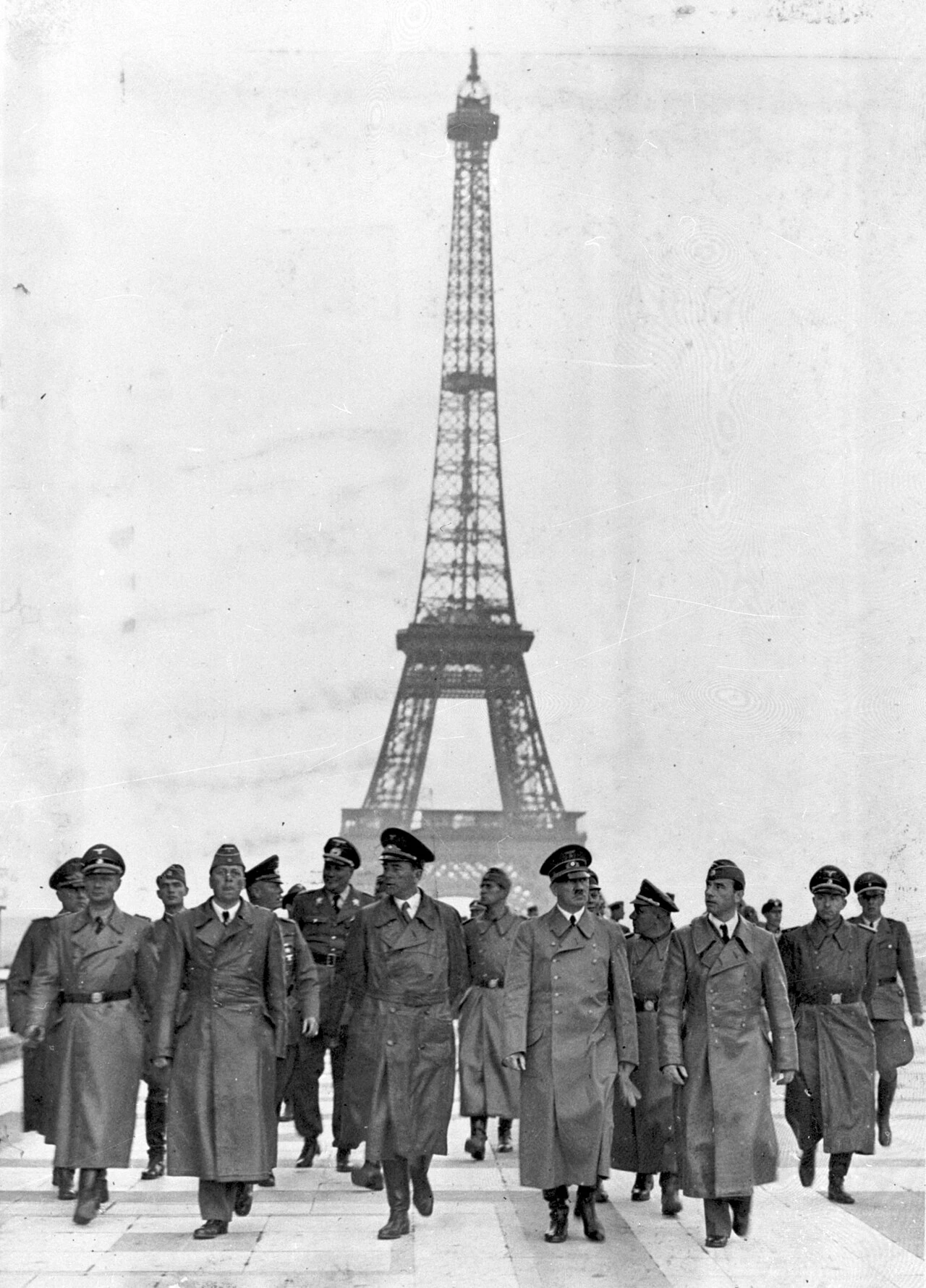
The Defence of Boulogne
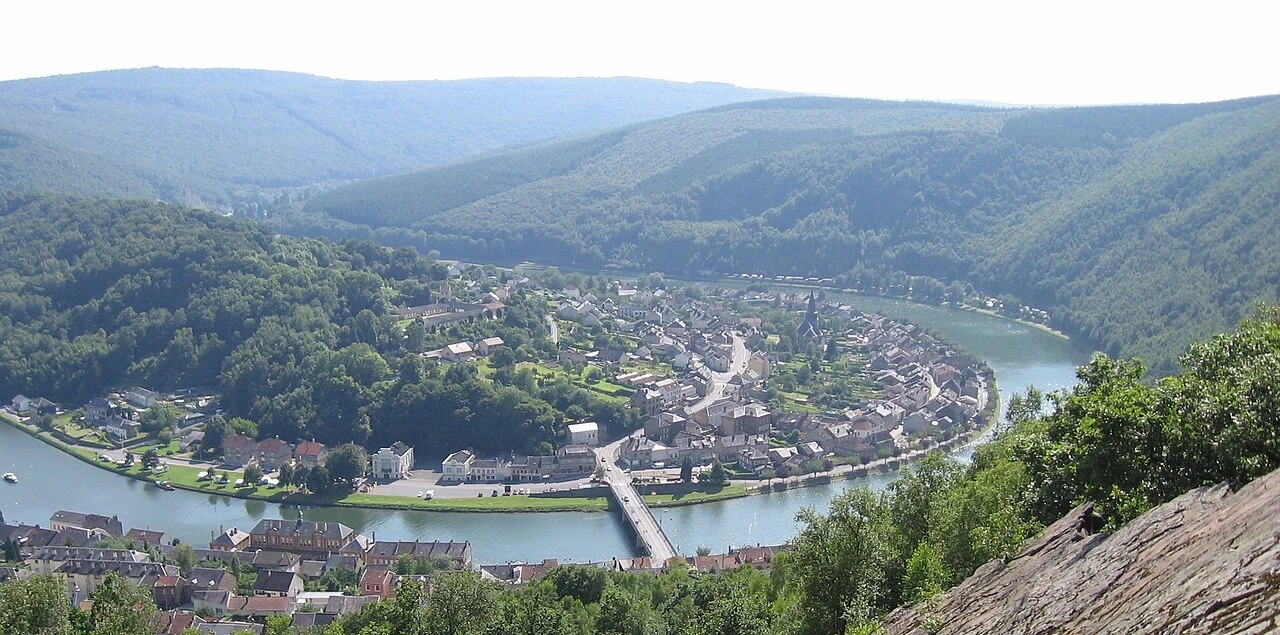
Monthermé — Portzert in the Meuse loop
Arras — the Matildas against Rommel's flank
Boulogne — Fox-Pitt and the Guards facing the port
Bulson — Lafontaine and the 02:00 rumour
Calais — Nicholson facing the ultimatum
The Arras counter-attack
De Gaulle at Abbeville
De Gaulle at Montcornet
De Gaulle at Montcornet — 17 May
The Defence of Boulogne