
Antonescu and the Iron Guard — Bucharest
The summer of 1940 has mutilated Romania: pressed by Moscow, Berlin and Budapest, she has yielded Bessarabia to the USSR, northern Transylvania to Hungary (Second Vienna Award, August 30) and southern Dobruja to Bulgaria. The country has lost a third of its territory without fighting. King , discredited, summoned General to head the government on September 4, then abdicated on the 6th in favor of his son Michael and left the country — taking with him, it is said, part of the treasury.
Antonescu, an authoritarian soldier, now concentrates power under the title of Conducător. But he has no mass party of his own. The only movement capable of mobilizing the street is the Iron Guard (the Legion of the Archangel Michael) led by , an ultra-nationalist, antisemitic and violent organization that demands its share of power.
Antonescu must decide the nature of his regime: rule alone through the army, ally with the Iron Guard to lean on its popular base, or try to keep it at arm's length at the risk of immediate confrontation.
On what foundation should Antonescu build his power?
Antonescu chooses B. On September 14, 1940, he proclaims the National Legionary State, sharing power with the Iron Guard. The alliance is unstable from the start: the Legion multiplies acts of violence and assassinations (including the Jilava pogrom and murders in November), while Antonescu wants order and German backing. In January 1941, the rivalry erupts into a Legionnaire rebellion that Antonescu crushes with Hitler's blessing, becoming sole master of the country. An Axis ally, he will commit Romania alongside the Reich in the invasion of the USSR and bears heavy responsibility for the Holocaust in Romania and in the occupied territories. Tried after the war, he is executed in 1946.
Learn more about this event
Related polls
10
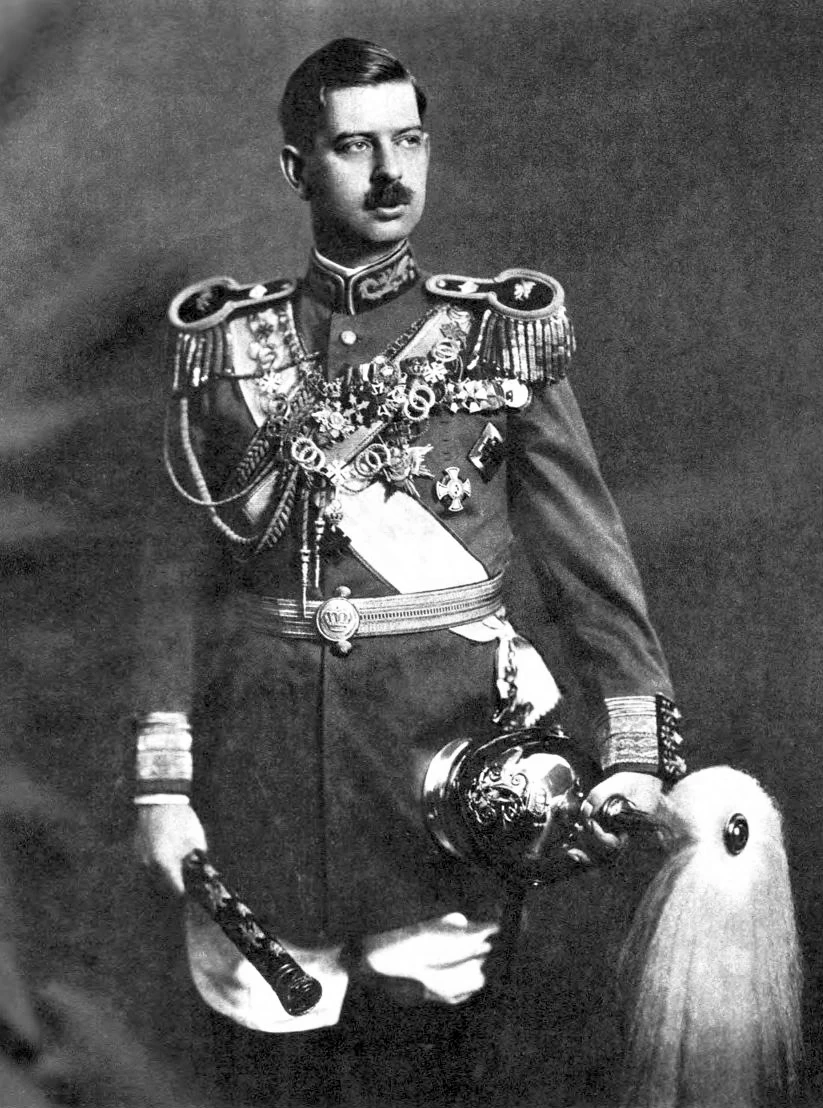
Carol II Against Antonescu — Bucharest, 6 September 1940
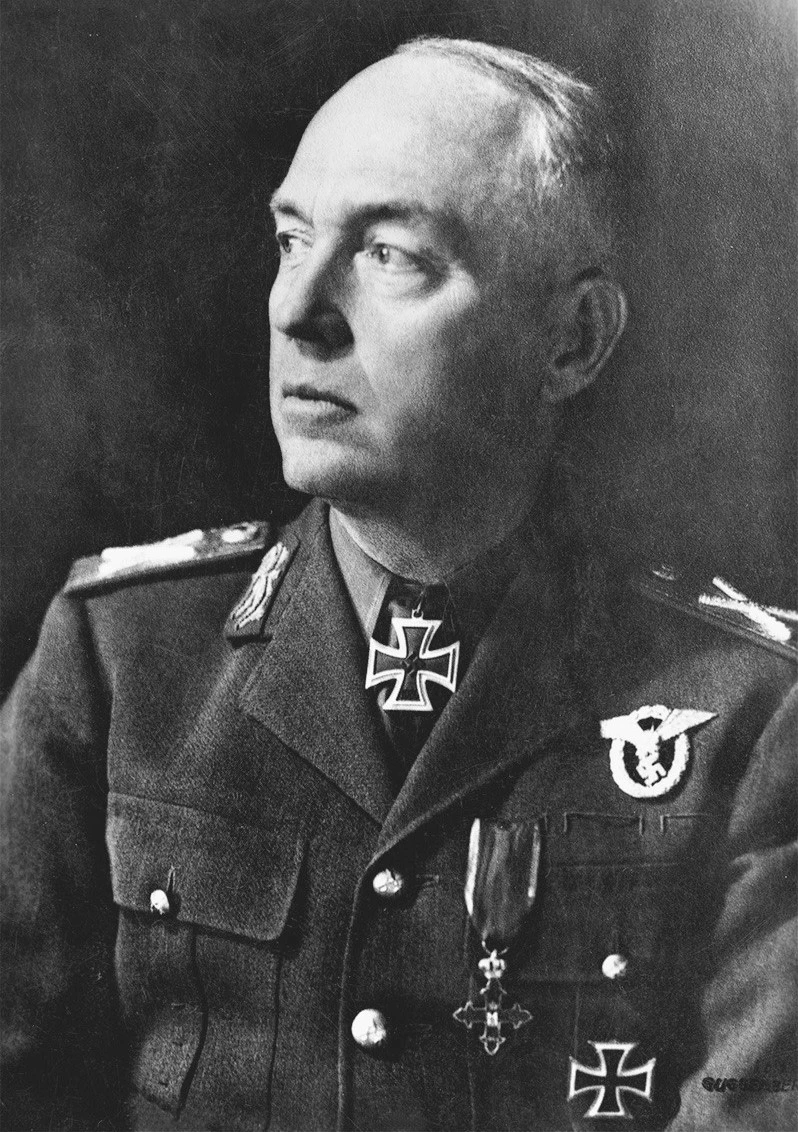
Bucharest — the Legionary rebellion
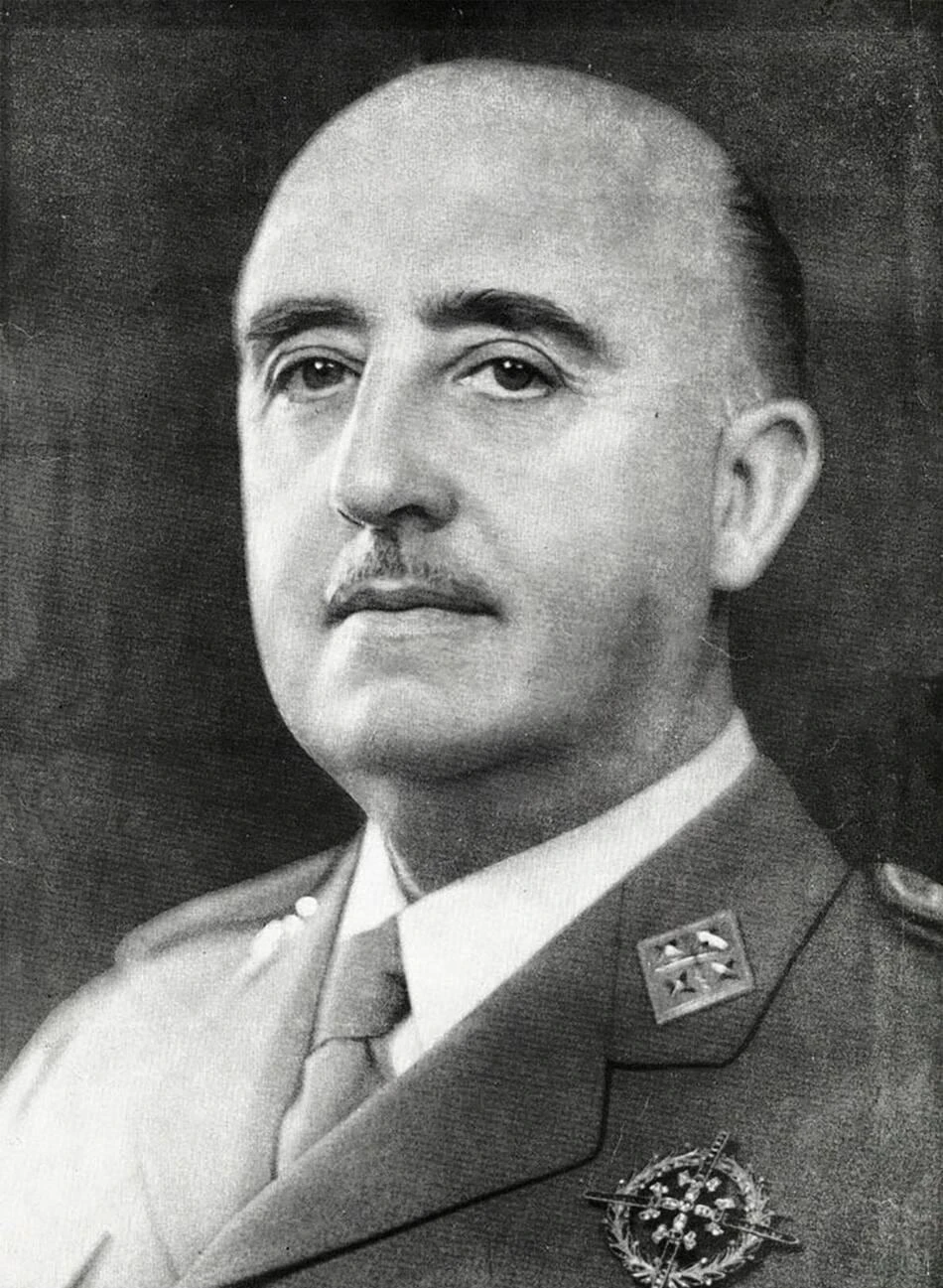
Franco at Hendaye — October 23
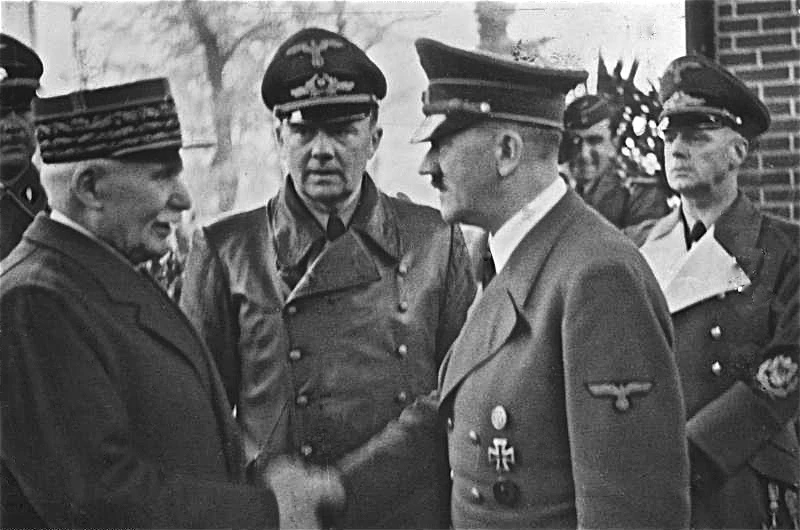
Pétain at Montoire — October 24
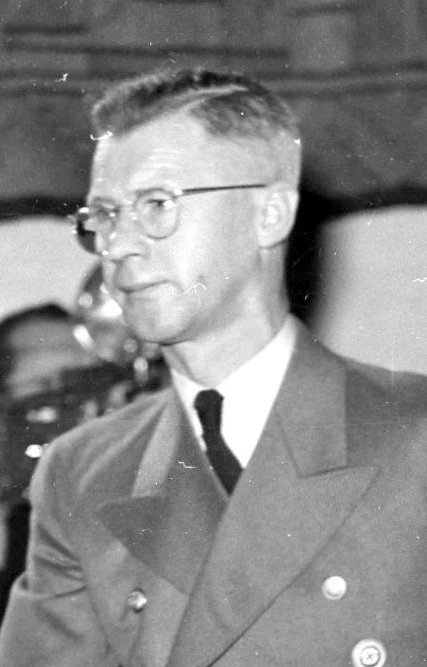
Terboven and the fate of Quisling — Oslo
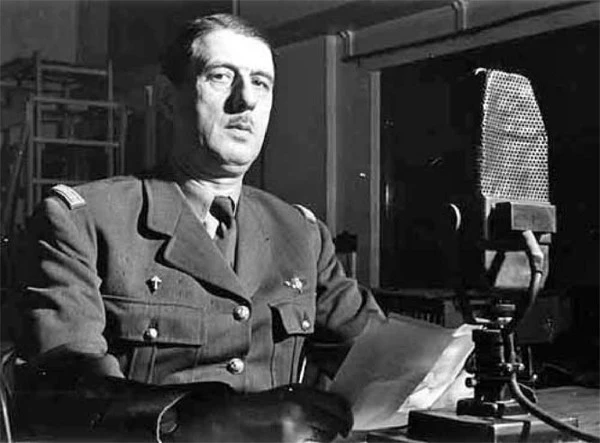
The Appeal of 18 June
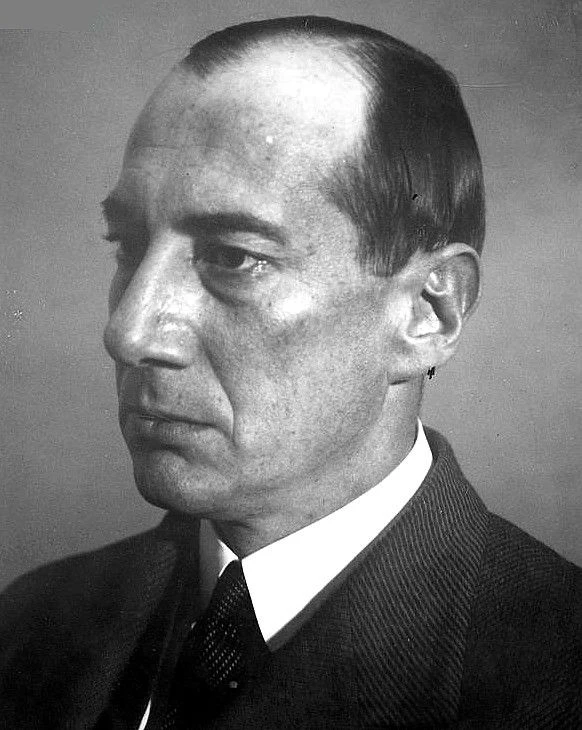
Beck in Bucharest — the Internee
Carol II in Bucharest — the Romanian balance
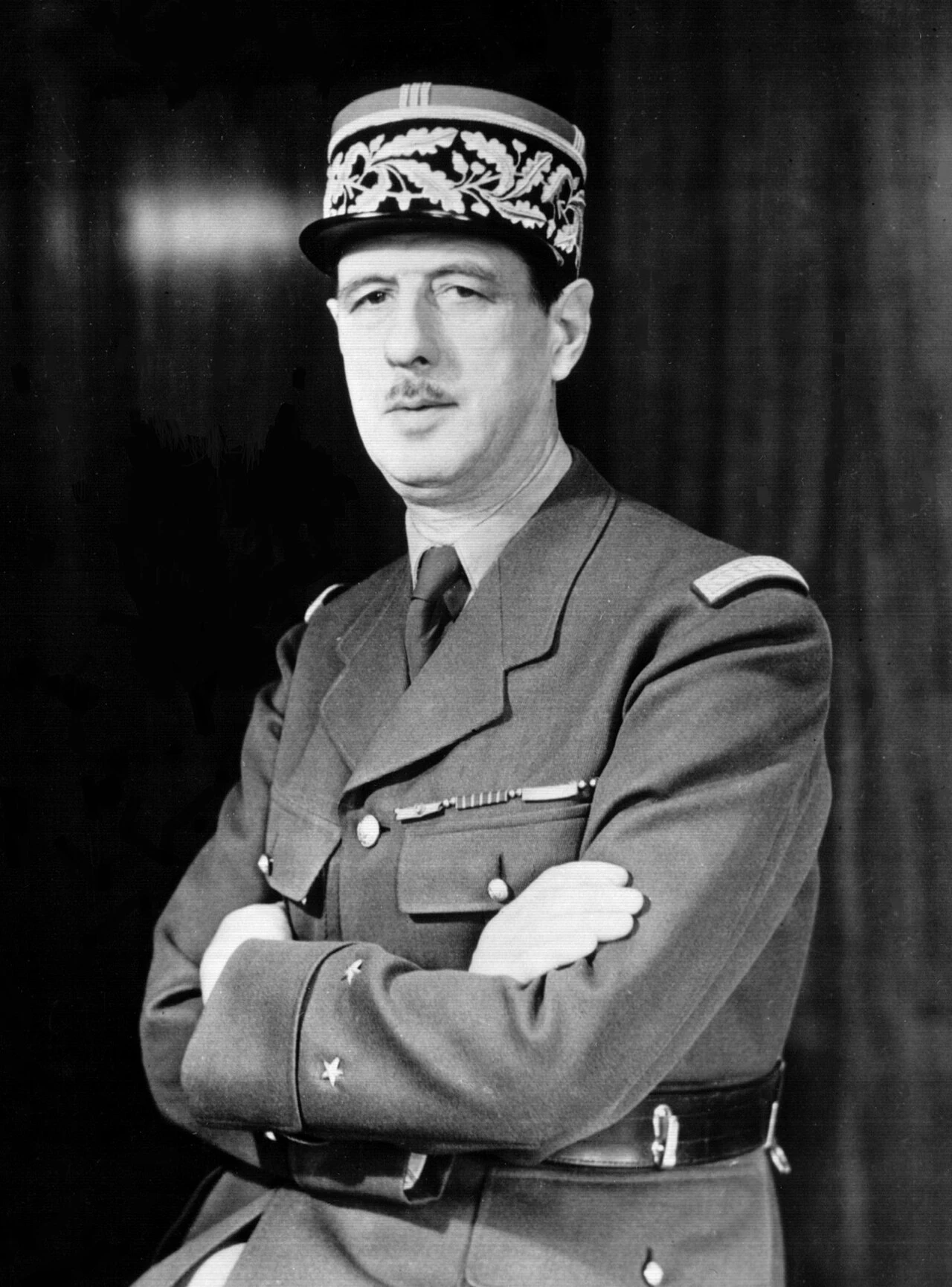
De Gaulle at the BBC microphone — 18 June, 18:00
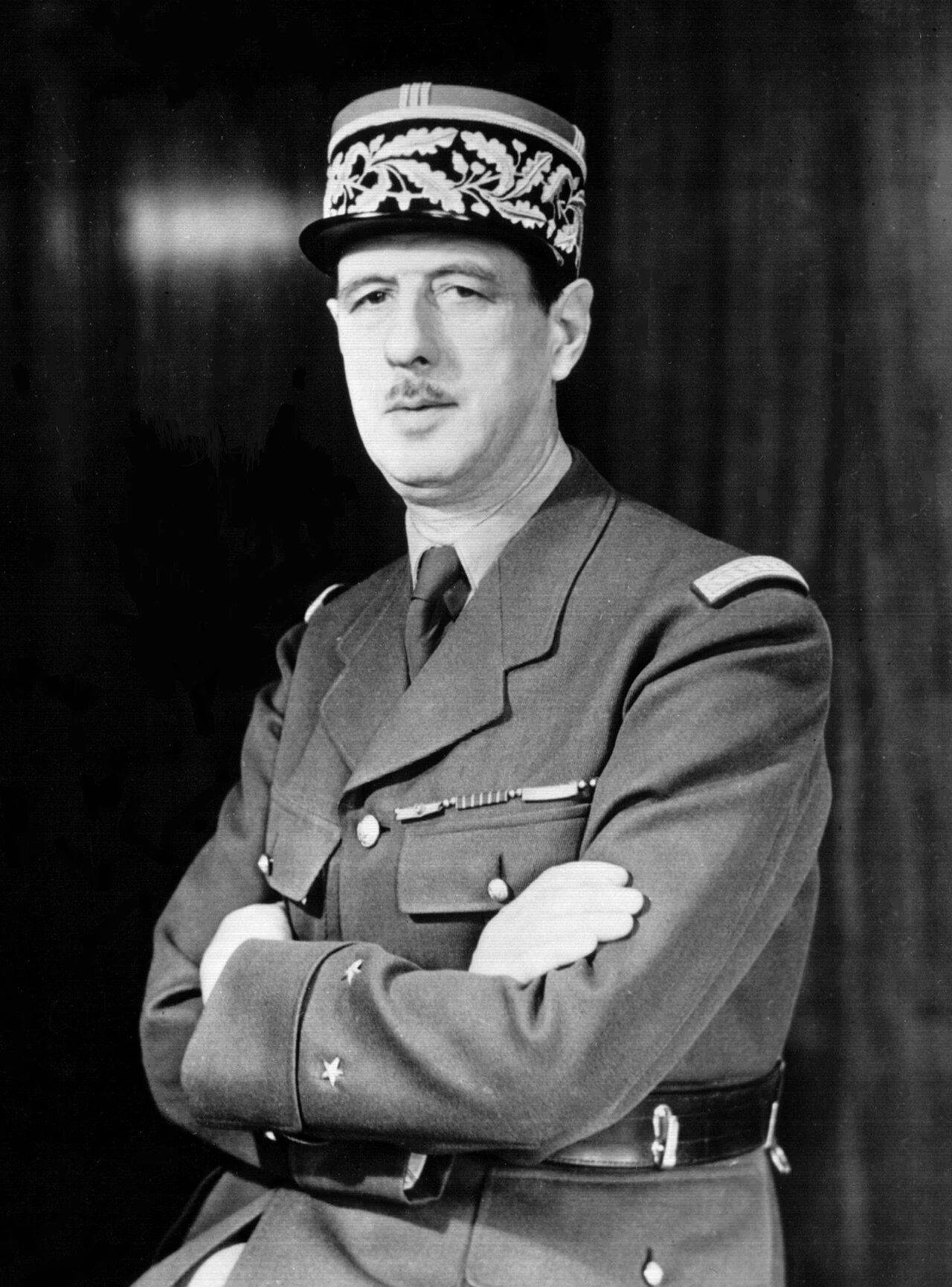
De Gaulle calls on Churchill — 9 June
Carol II Against Antonescu — Bucharest, 6 September 1940
Bucharest — the Legionary rebellion
Franco at Hendaye — October 23
Pétain at Montoire — October 24
Terboven and the fate of Quisling — Oslo
The Appeal of 18 June
Beck in Bucharest — the Internee
Carol II in Bucharest — the Romanian balance
De Gaulle at the BBC microphone — 18 June, 18:00