
Sosabowski — Coëtquidan, November 1939
, forty-seven, is a Polish infantry colonel — a veteran of the First World War in the Austro-Hungarian army (where he lost a lung), then an officer in Pilsudski's , wounded at Krasnystaw in 1916. In 1939 he commands the "Children of Warsaw" in the defence of the capital. Captured at the surrender of 28 September, he escapes from the transport trucks heading for German camps as early as 4 October, reaches Lwow, then crosses into Hungary on 25 October disguised as a merchant. On 14 November he reaches Paris.
He is at once attached to Sikorski's cabinet. His mission: to help reconstitute a Polish army in France. By 1 November 1939, 12,000 Polish soldiers escaped from the Romanian and Hungarian camps are already in France, chiefly at the training camp of Coëtquidan in Brittany. Sikorski aims at 100,000 men by the spring of 1940. France agrees, but on strict conditions: French command, French doctrine, French equipment.
On 28 November, Sosabowski is given the mission of forming the at Coëtquidan. He has a reduced cadre of officers, a disparate stock of French equipment, and soldiers from very mixed backgrounds — broken regiments, reservists called up in September, young Polish emigres who have joined the effort. He must choose between two organising philosophies.
What conception should be adopted for the new Polish army?
Sosabowski gradually adopts C, which contradicts official French doctrine and earns him friction with Gamelin and Sikorski. In September 1940, after the evacuation of Polish forces from France to Scotland (June-July 1940), he proposes the creation of a Polish parachute brigade — an unprecedented formation. The () is formed at Leven, Scotland, in September 1941. Training at Largo House and Ringway. The brigade is dropped at Arnhem (Netherlands) in September 1944 — Operation Market Garden — where it suffers catastrophic losses owing to British mismanagement (landing fourteen kilometres from the bridge, with no support, against Bittrich's SS armour). Sosabowski emerges hostile to the British command (Montgomery, Browning), and this costs him his command in December 1944. Sidelined after the war, he lives in the United Kingdom as a labourer and then an administrative clerk. He refuses to return to communist Poland. He dies at Hillingdon, London, in September 1967. Rehabilitated historically by the Netherlands in 2006 (Order of the Netherlands Lion, posthumously).
Learn more about this event
Related polls
10
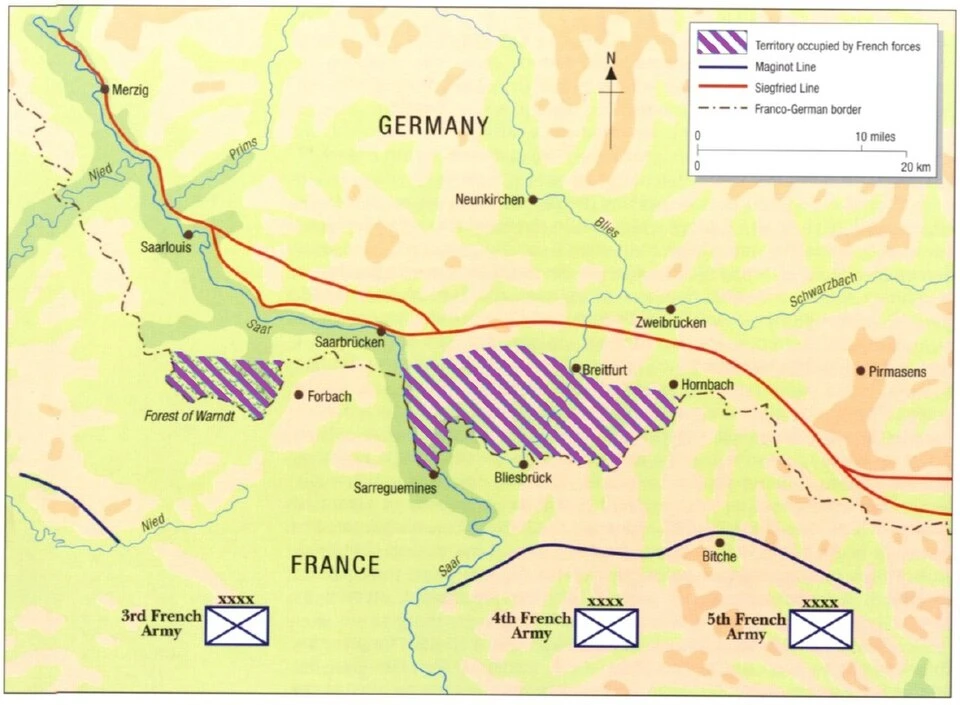
The Saar Offensive — Gamelin at Vincennes
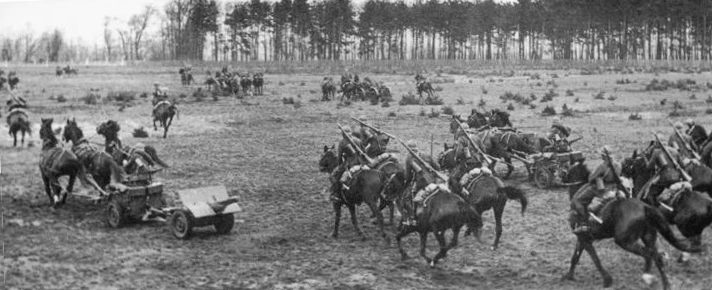
The Bzura — Kutrzeba faces the trap
Commanding a battle without radio
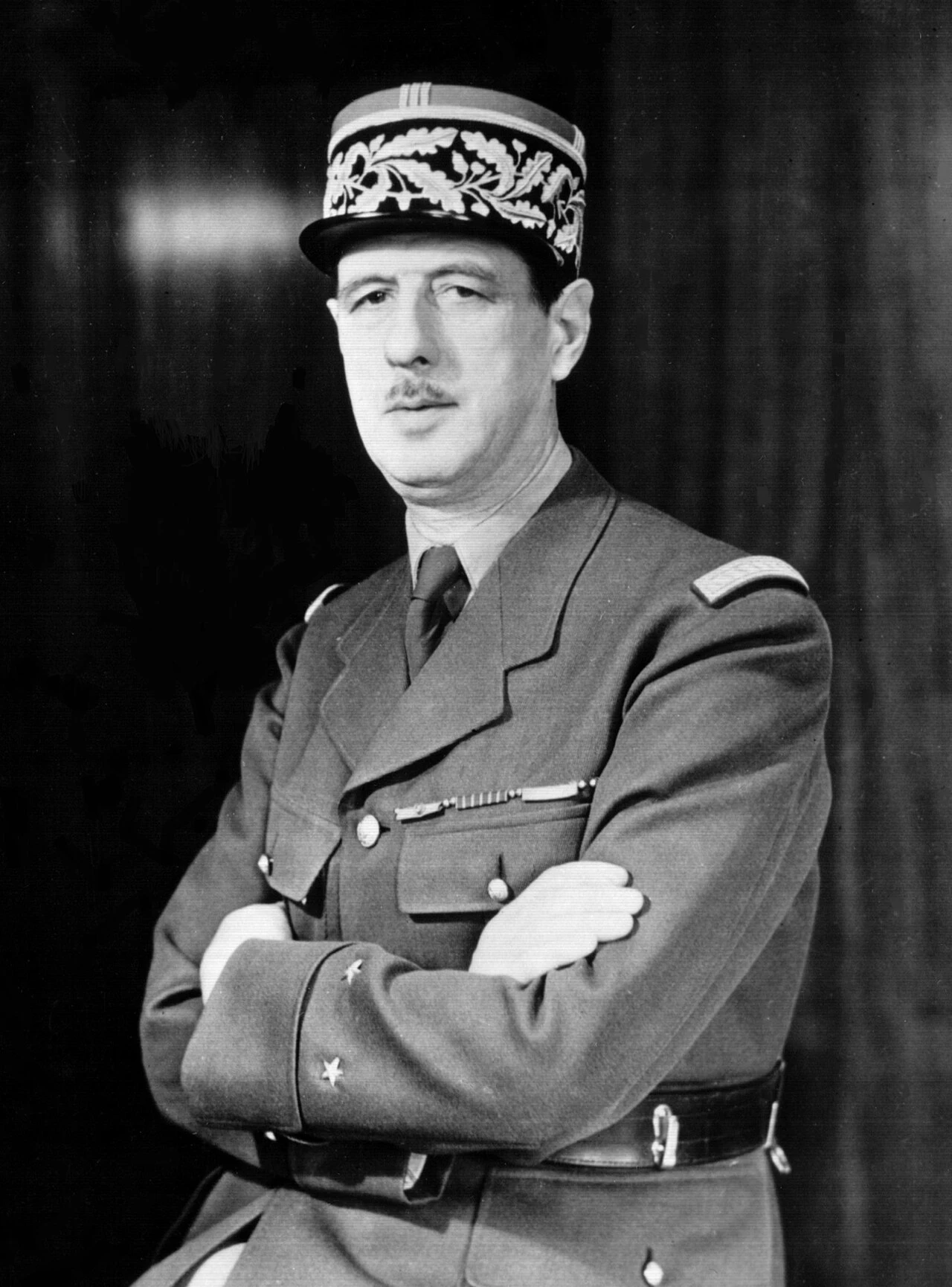
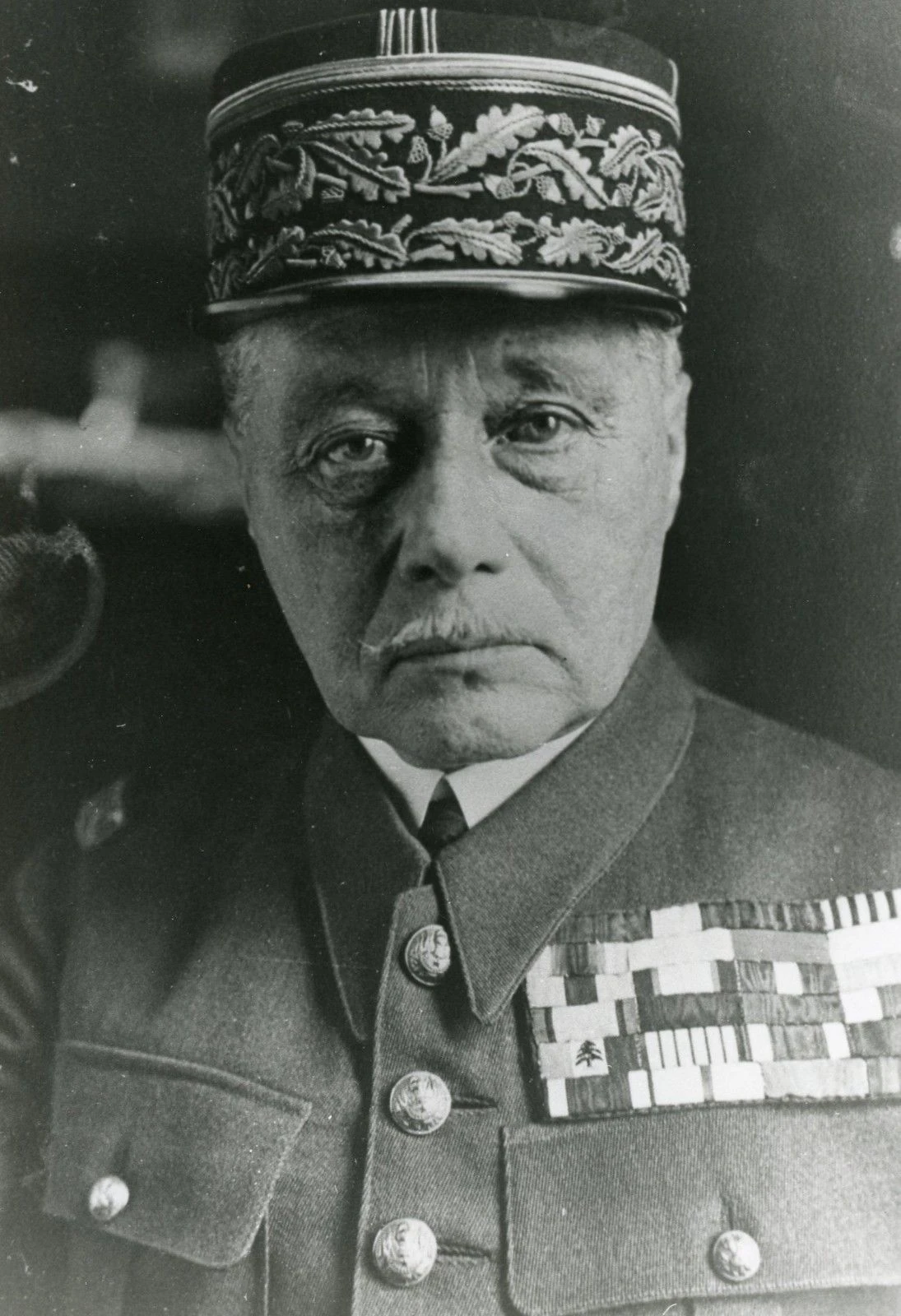
De Gaulle joins the government — 5 June
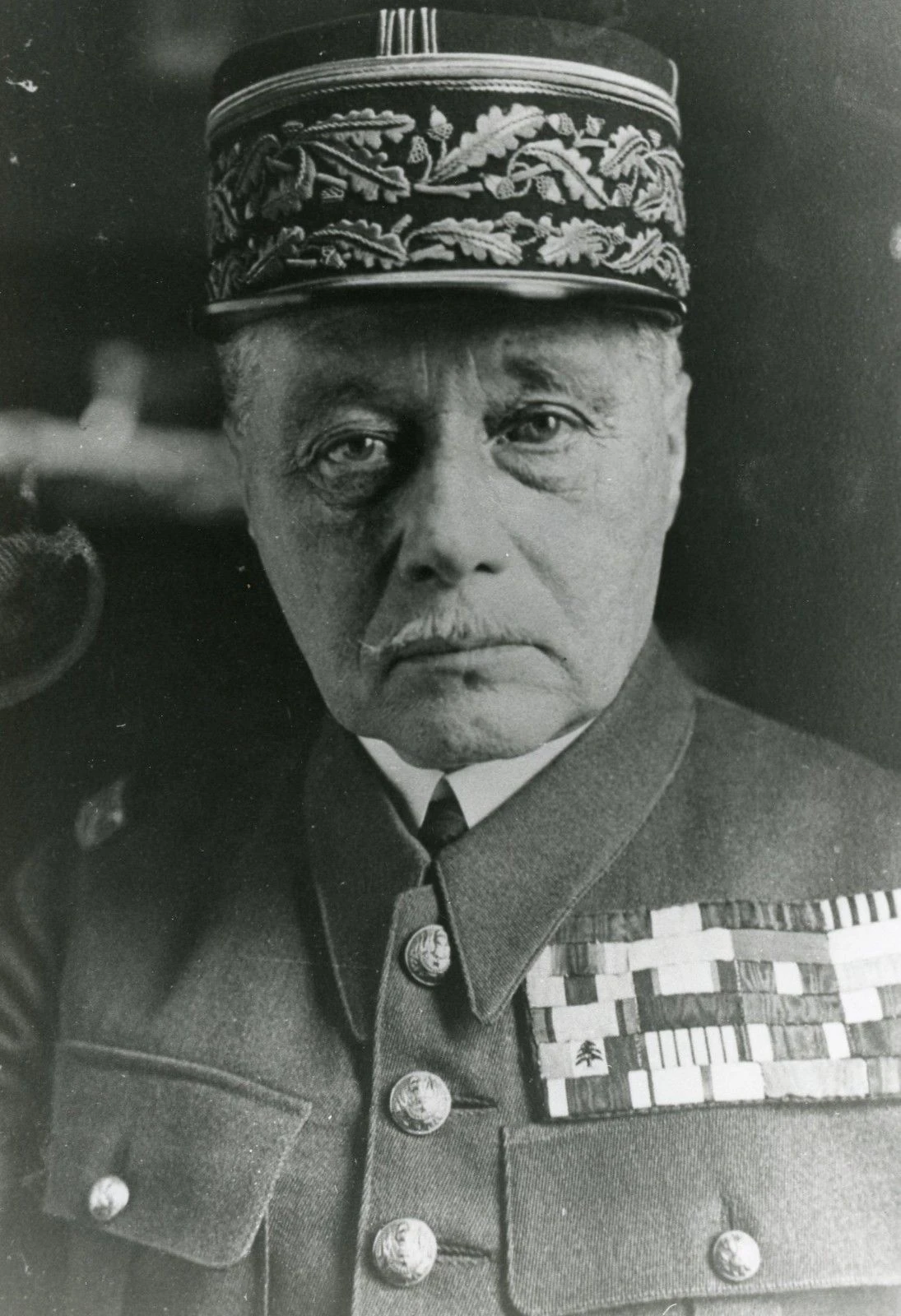
Gamelin, one last order before the envelope
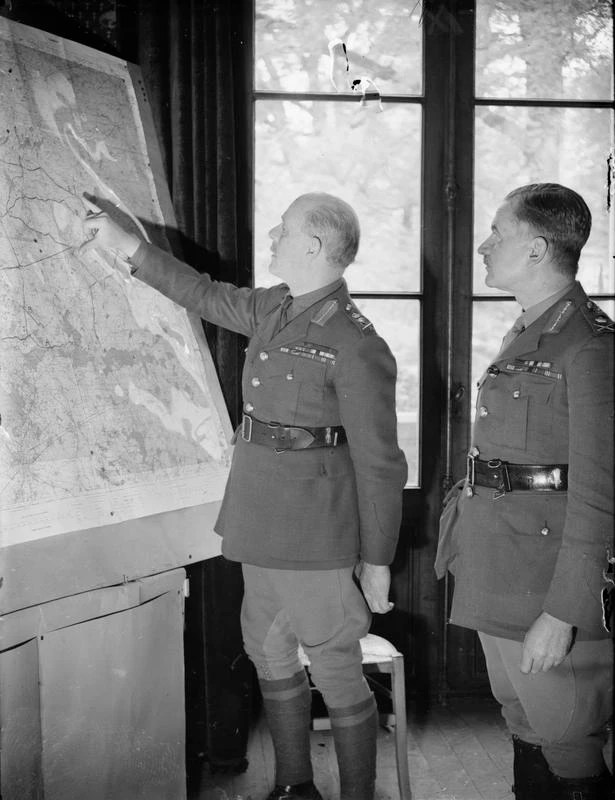
Gort at Habarcq — trust in the French plan
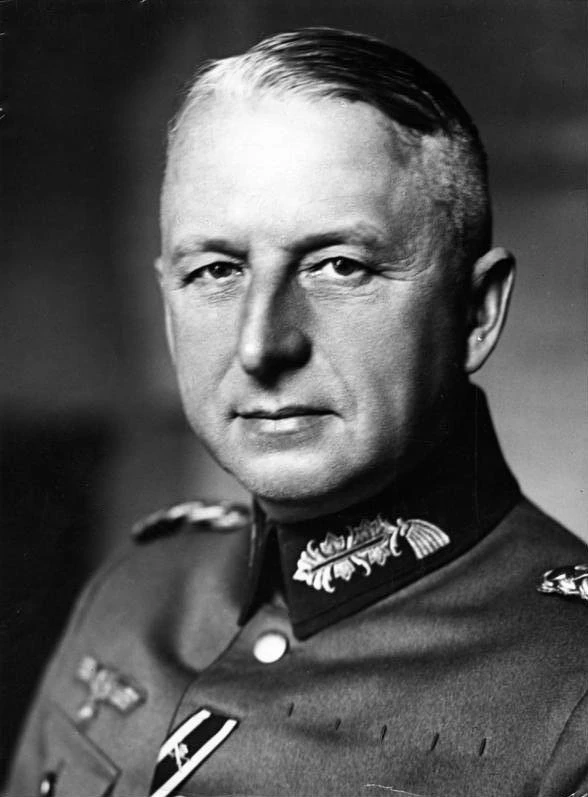
Manstein at Liegnitz — the October memorandum
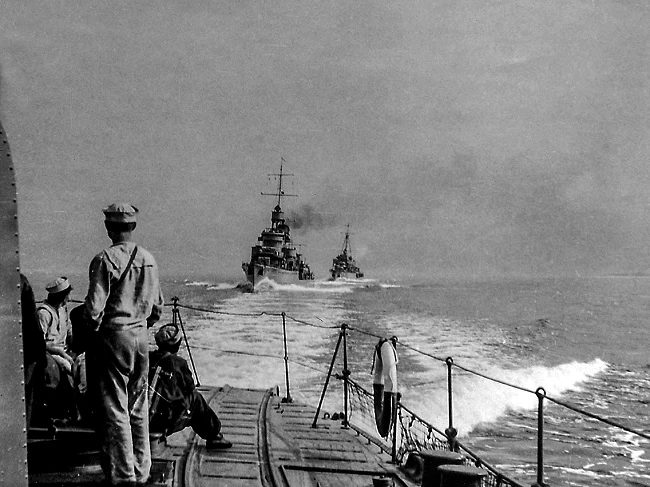
Operation Peking — Stankiewicz Facing the Sound
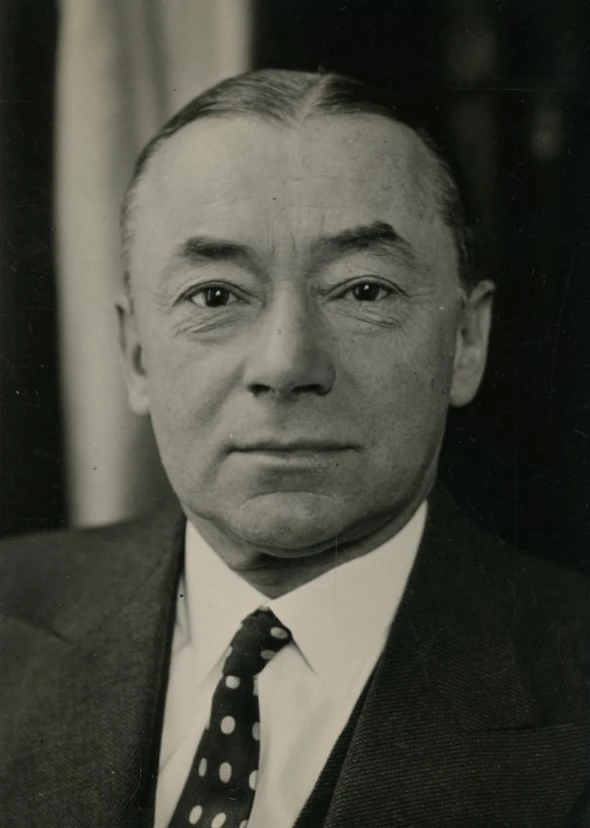
Reynaud — Matignon 21 March
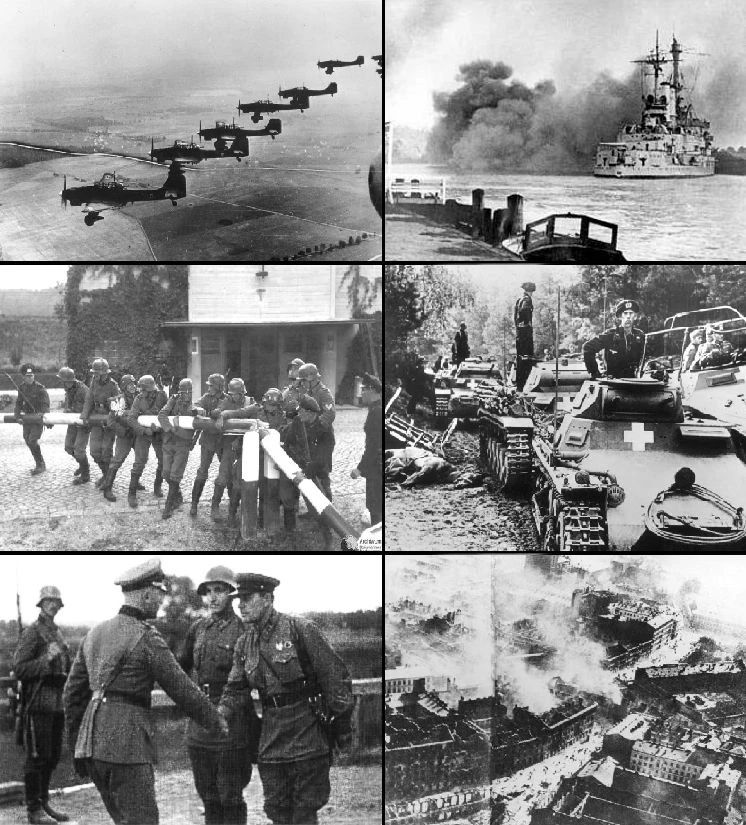
Rydz-Śmigły at Kuty — the directive of 17 September
The Saar Offensive — Gamelin at Vincennes
The Bzura — Kutrzeba faces the trap
Commanding a battle without radio
De Gaulle joins the government — 5 June
Gamelin, one last order before the envelope
Gort at Habarcq — trust in the French plan
Manstein at Liegnitz — the October memorandum
Operation Peking — Stankiewicz Facing the Sound
Reynaud — Matignon 21 March