
On 29 January 1941 , dictator of Greece and author of the 'Ohi' to Mussolini, dies suddenly in Athens of an infection, in the midst of a victorious war against Italy in Albania. His disappearance creates a vacuum at the head of the Greek state at a critical moment: the Greek army, victorious but exhausted, holds the Albanian front, but the shadow of a German intervention in the Balkans grows.
King appoints to succeed him the banker , an upright man without political stature. The new head of government inherits a major strategic dilemma, hitherto settled by Metaxas's prudence: should an expeditionary force be allowed onto Greek soil to prepare for the German attack?
Metaxas had always refused a massive British land commitment, fearing it would give Hitler a pretext to invade Greece without being strong enough to stop him. Koryzis must take up the question: maintain his predecessor's cautious line; accept the British troops Churchill is offering; or concentrate all Greek forces against Italy, gambling that Germany will not attack.
Should Koryzis accept a British expeditionary force in Greece?
Koryzis ended up choosing B: in February-March 1941, after the Athens mission of Eden and General Dill, Greece consented to the landing of a British and Commonwealth expeditionary force (Operation Lustre), drawn from the victorious forces in Libya. The gamble turned out badly: the Allied aid, too weak to stop the Wehrmacht, gave Hitler the pretext he sought. The German invasion of April 1941 (Operation Marita) overran Greece in a few weeks. Koryzis, overwhelmed, committed suicide on 18 April 1941. Metaxas's death thus deprived Greece of its leader at the worst moment, and the decision to receive the British hastened the ordeal it sought to avert.
Learn more about this event
Related polls
10

Germany first, even before the war
Auchinleck replaces Wavell
The Belgrade coup
Neutral Belgium — let the Allies in?
Bombing London — and the reply on Berlin
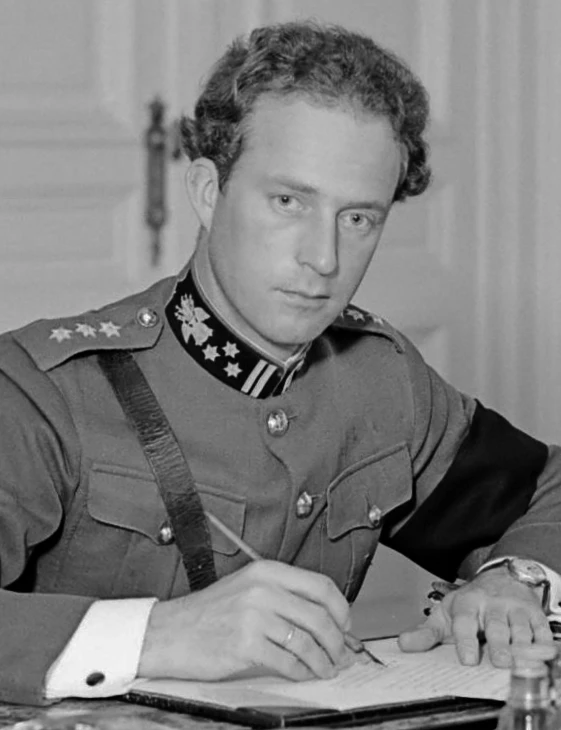
Brussels, September 1939: a small country's tightrope walk
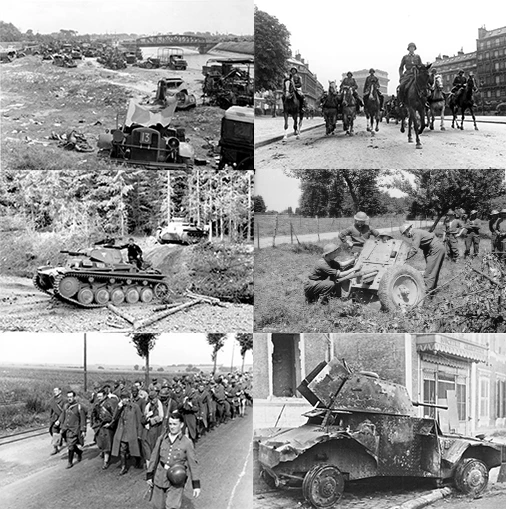
The War Cabinet — Negotiate or Carry On
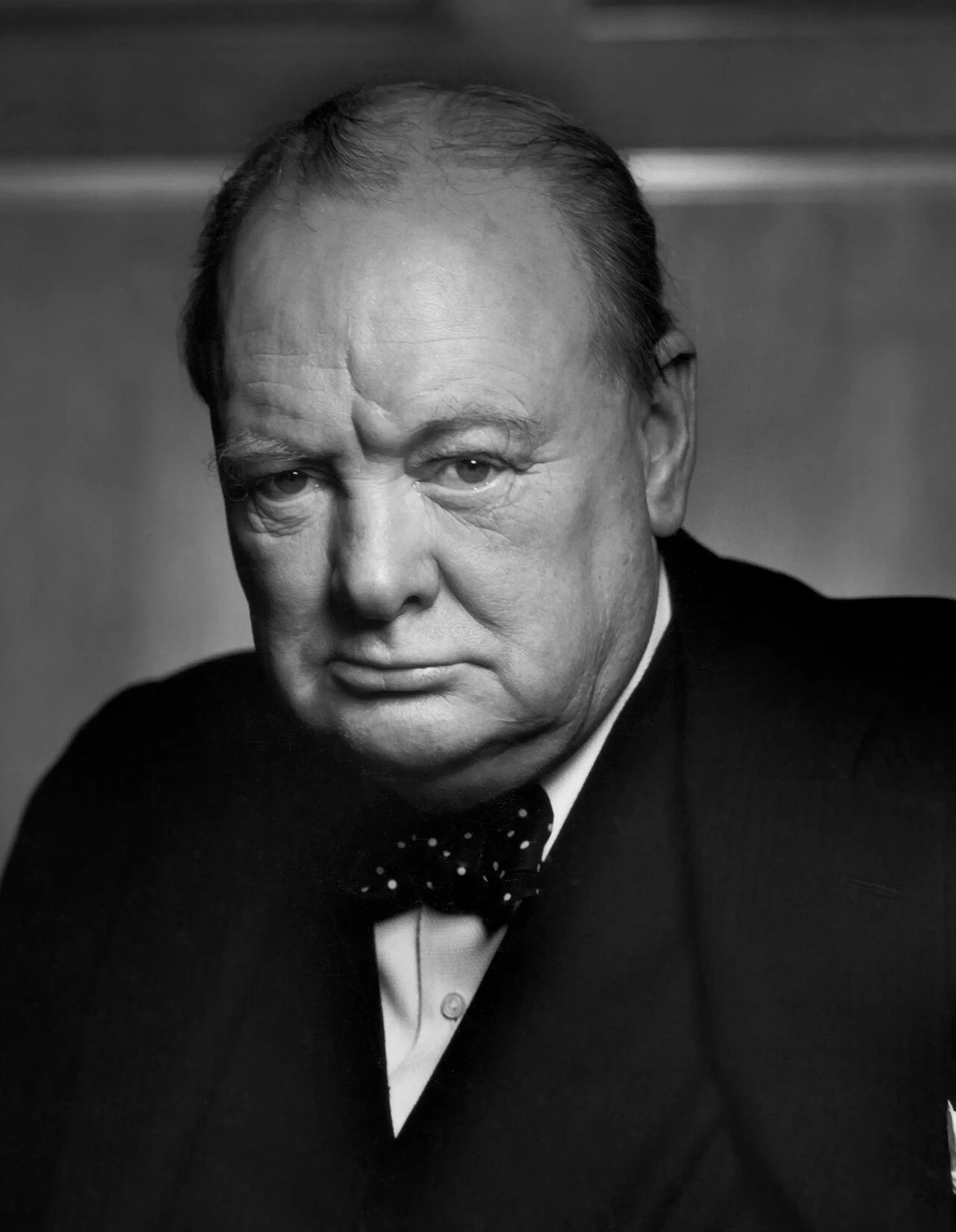
Churchill and the ultimatum on the Burma Road
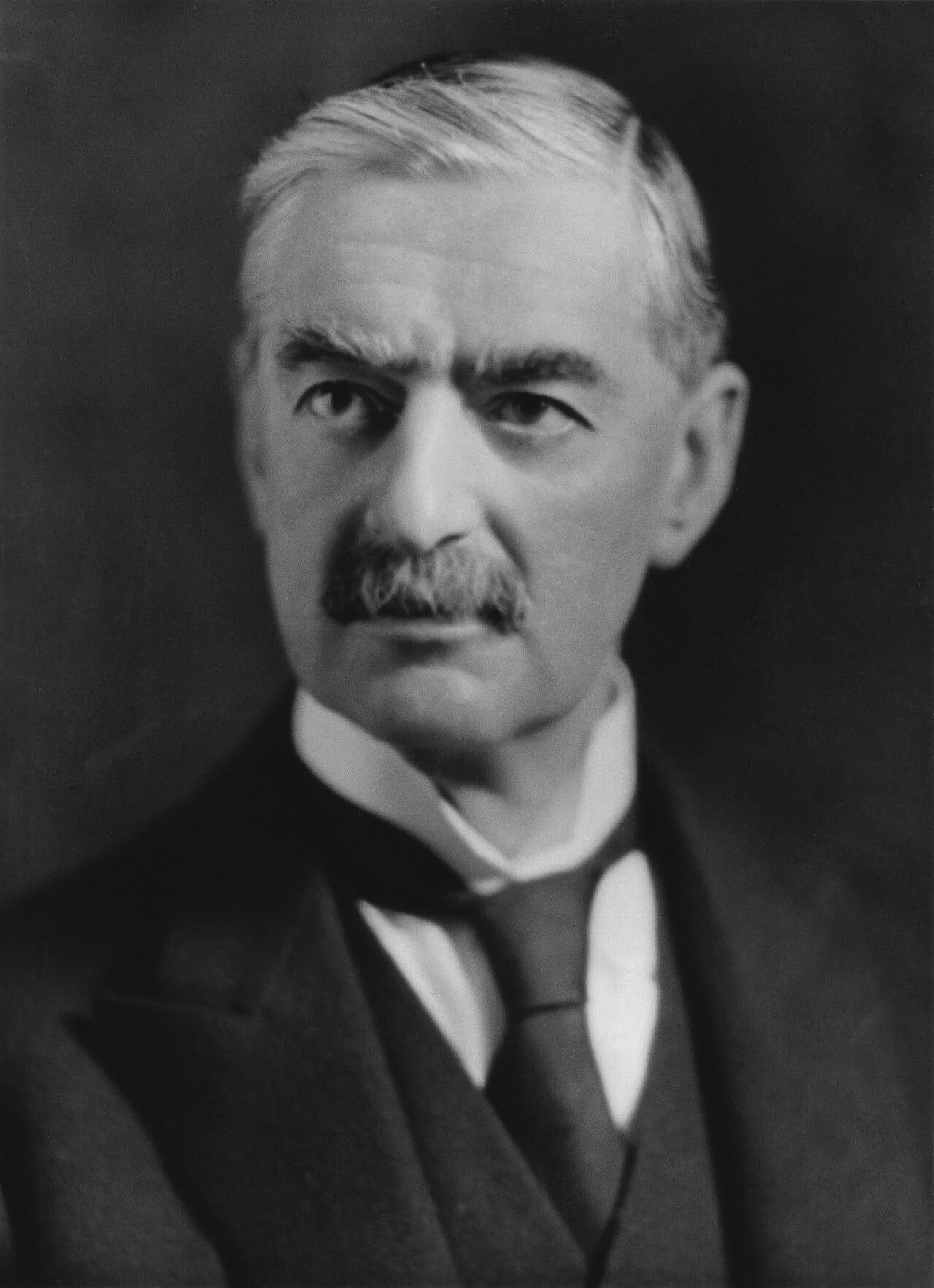
War council — leave central Norway?
Dunkirk: should the French be saved alongside the British?
Germany first, even before the war
Auchinleck replaces Wavell
The Belgrade coup
Neutral Belgium — let the Allies in?
Bombing London — and the reply on Berlin
Brussels, September 1939: a small country's tightrope walk
The War Cabinet — Negotiate or Carry On
Churchill and the ultimatum on the Burma Road
War council — leave central Norway?