
The Hood against the Bismarck
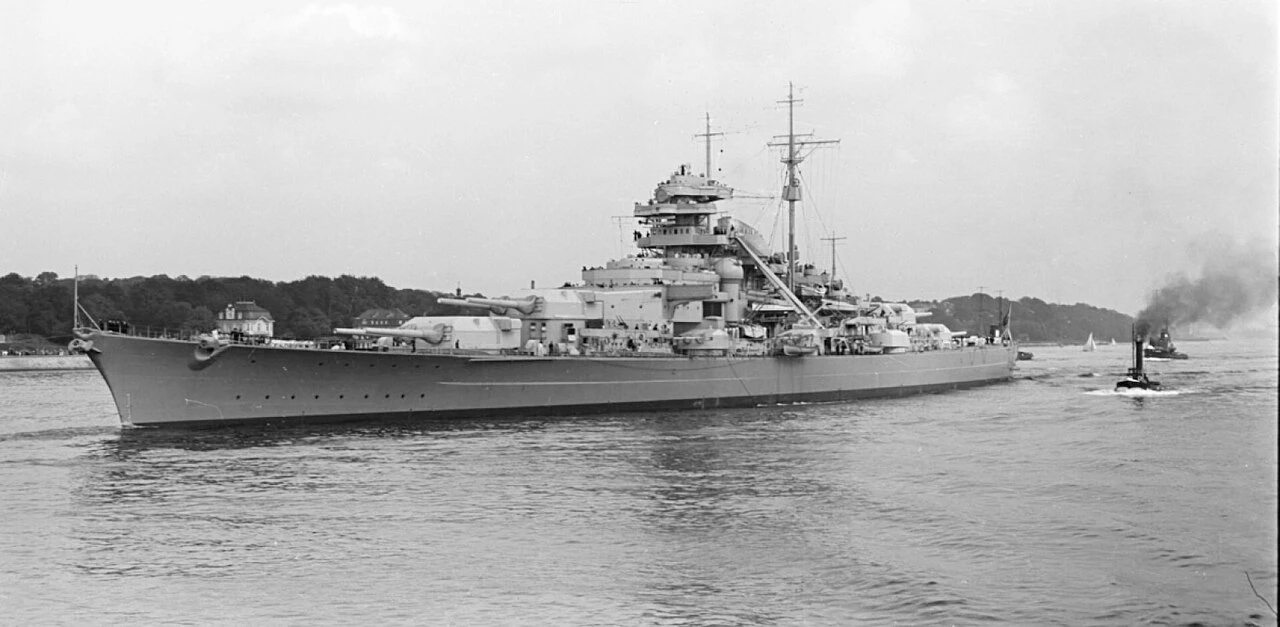
In May 1941, the brand-new German battleship Bismarck, the most powerful in Europe, accompanied by the heavy cruiser Prinz Eugen, was attempting to break out into the Atlantic to slaughter the convoys. Admiral was leading them through the Denmark Strait, between Greenland and Iceland. The Royal Navy, hunting him, intercepted the German squadron at dawn on 24 May.
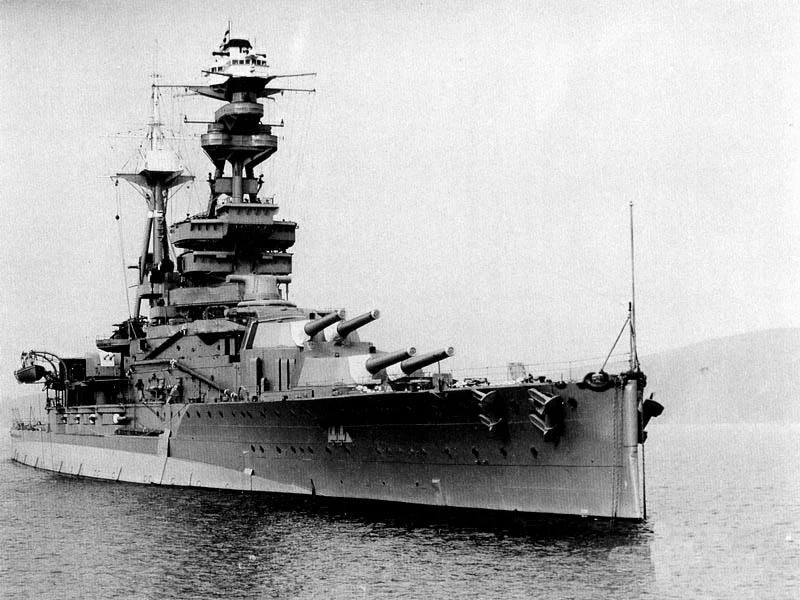
Facing the Bismarck stood the pride of the British fleet: HMS Hood, the immense battlecruiser of the Great War, symbol of the Empire's naval might, accompanied by the new but unfinished battleship Prince of Wales. Vice-Admiral commanded them. The Hood had a known flaw: insufficient deck armour against plunging shells fired from a distance.
Holland had to choose his approach tactics: race in at the closest angle to reduce the distance as quickly as possible and shield the Hood from plunging fire, at the cost of an unfavourable angle of fire; engage at long range while manoeuvring, exposing the Hood's vulnerable deck; or await reinforcements at the risk of letting the enemy slip away toward the convoys. The decision had to be taken in a few minutes, at icy dawn.
How should Holland engage the Bismarck with the Hood?
Holland chose A: he raced in to shorten the distance, but the angle of approach at first engaged only his ships' forward turrets. A few minutes after opening fire, a shell from the Bismarck struck the Hood near her aft magazines: the vessel exploded and sank in three minutes, carrying with her more than 1,400 men — there would be only three survivors. The Prince of Wales, damaged, had to break off the action. The loss of the Hood, an emblematic ship, stunned British opinion. But the Bismarck, hit and leaving a trail of oil, could no longer reach a safe French port: a relentless chase was joined, which would conclude three days later. The Hood's tragedy illustrated the vulnerability of previous-generation battlecruisers against modern battleships.
Learn more about this event
Related polls
10
Tovey — the Bismarck running for France
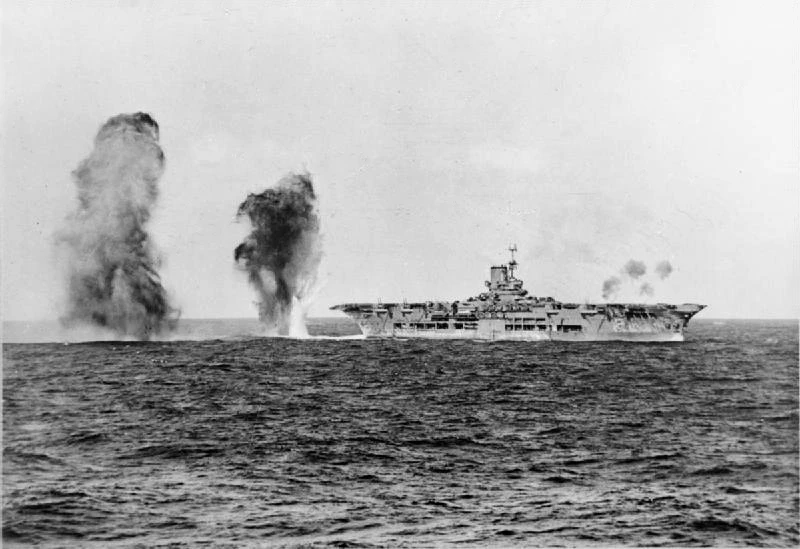
Cape Matapan — Cunningham against Iachino
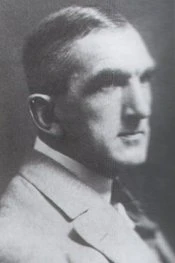
Fegen and the Jervis Bay — convoy HX-84
HMS Courageous — Makeig-Jones after the Torpedoes
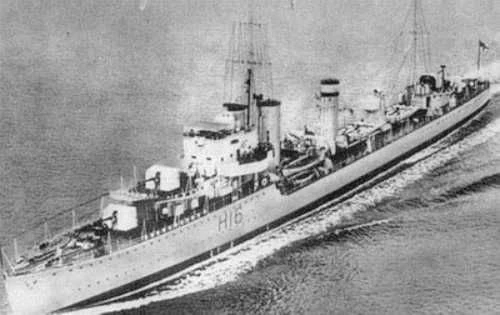
HMS Daring in the Pentland Firth
HMS Rawalpindi — Kennedy at 3:47 p.m.
Royal Oak — Prien in Scapa Flow
The Cabinet and Operation Catapult — 1 July
The Altmark affair
Boulogne — Fox-Pitt and the Guards facing the port
Tovey — the Bismarck running for France
Cape Matapan — Cunningham against Iachino
Fegen and the Jervis Bay — convoy HX-84
HMS Courageous — Makeig-Jones after the Torpedoes
HMS Daring in the Pentland Firth
HMS Rawalpindi — Kennedy at 3:47 p.m.
Royal Oak — Prien in Scapa Flow
The Cabinet and Operation Catapult — 1 July
The Altmark affair