
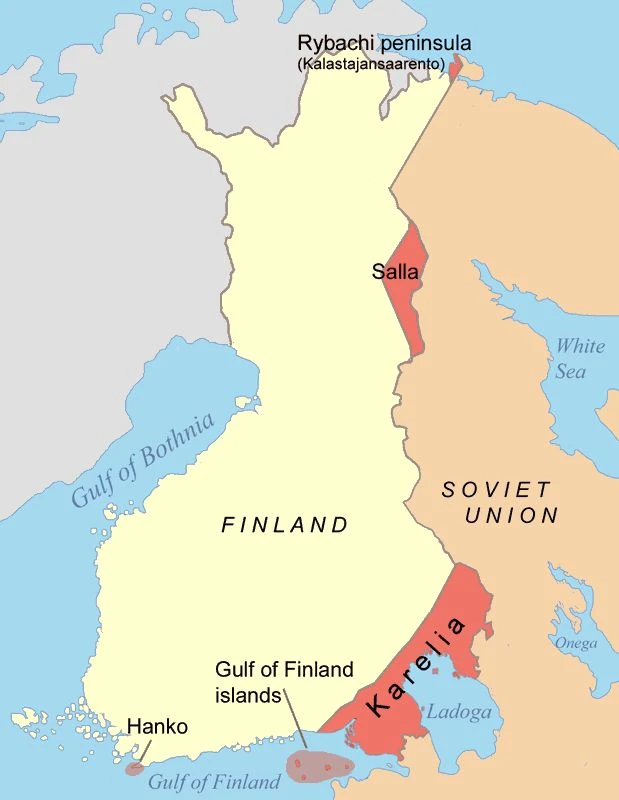
Finland has not digested the Peace of Moscow of March 1940, which tore from it Karelia and more than a tenth of its territory at the end of the Winter War. In search of support to recover its losses, Helsinki has drawn closer to Germany: from the autumn of 1940, German troops transit through Finland, and a discreet military cooperation is organised with a view to Barbarossa.
When Germany invades the USSR on 22 June 1941, Finland at first declares itself neutral, but masses its forces and lets the Luftwaffe use its bases. On 25 June, the Soviet air force bombs Finnish towns, furnishing Helsinki with a casus belli.
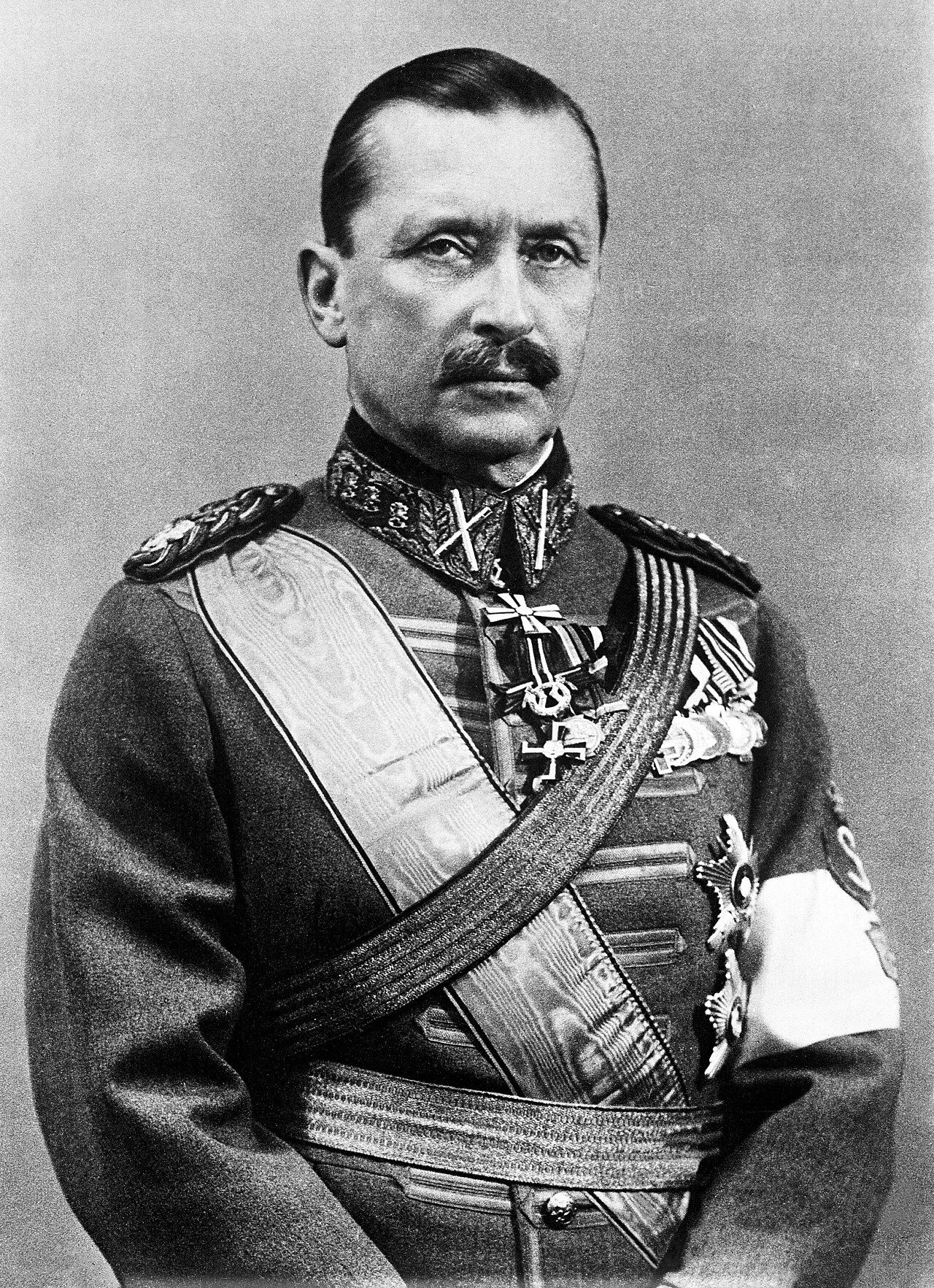
President and Marshal Mannerheim must determine the nature of the Finnish commitment: enter the war fully as a co-belligerent of Germany to reconquer Karelia, or even beyond; confine themselves to retaking only the territories lost in 1940, without associating with Nazi war aims; or remain on the defensive so as not to tie the fate of Finnish democracy to that of the Reich.
How far should Finland commit alongside Germany against the USSR?
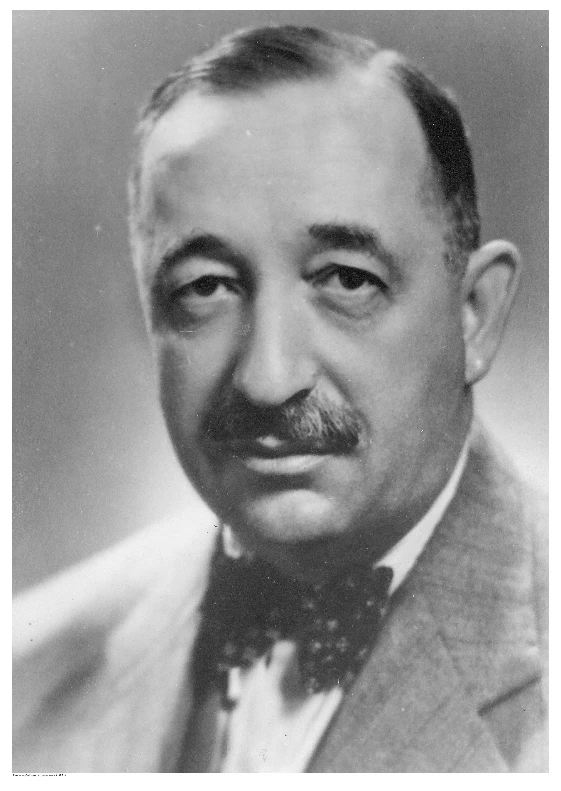
Finland chooses a path close to A, while presenting it as B: from late June 1941, it launches the « Continuation War » and reconquers Karelia, then pushes beyond the 1939 borders, into Soviet Eastern Karelia. Ryti and Mannerheim nonetheless refuse certain German aims — Finland does not take part in the assault on Leningrad to the point of wanting to capture the city, and preserves an autonomy that sets it apart from the satellites of the Axis. This « separate » co-belligerence will cost it dearly diplomatically, but will allow it, in 1944, to leave the war through a separate peace and to keep its independence — a unique fate among the neighbours of the USSR. The Finland of 1941 thus wages its own war, parallel to that of Hitler.
Learn more about this event
Related polls
10
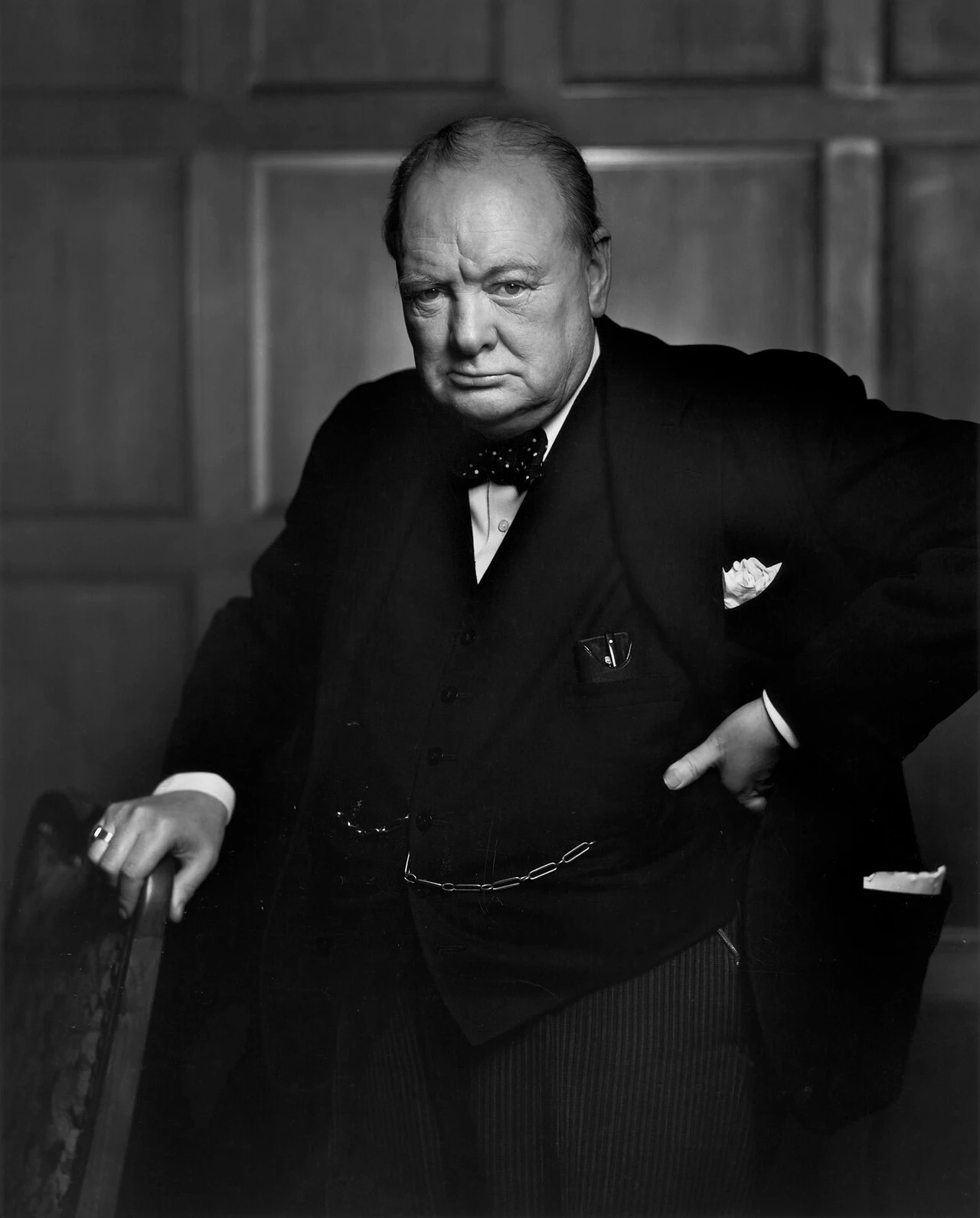
Auchinleck replaces Wavell
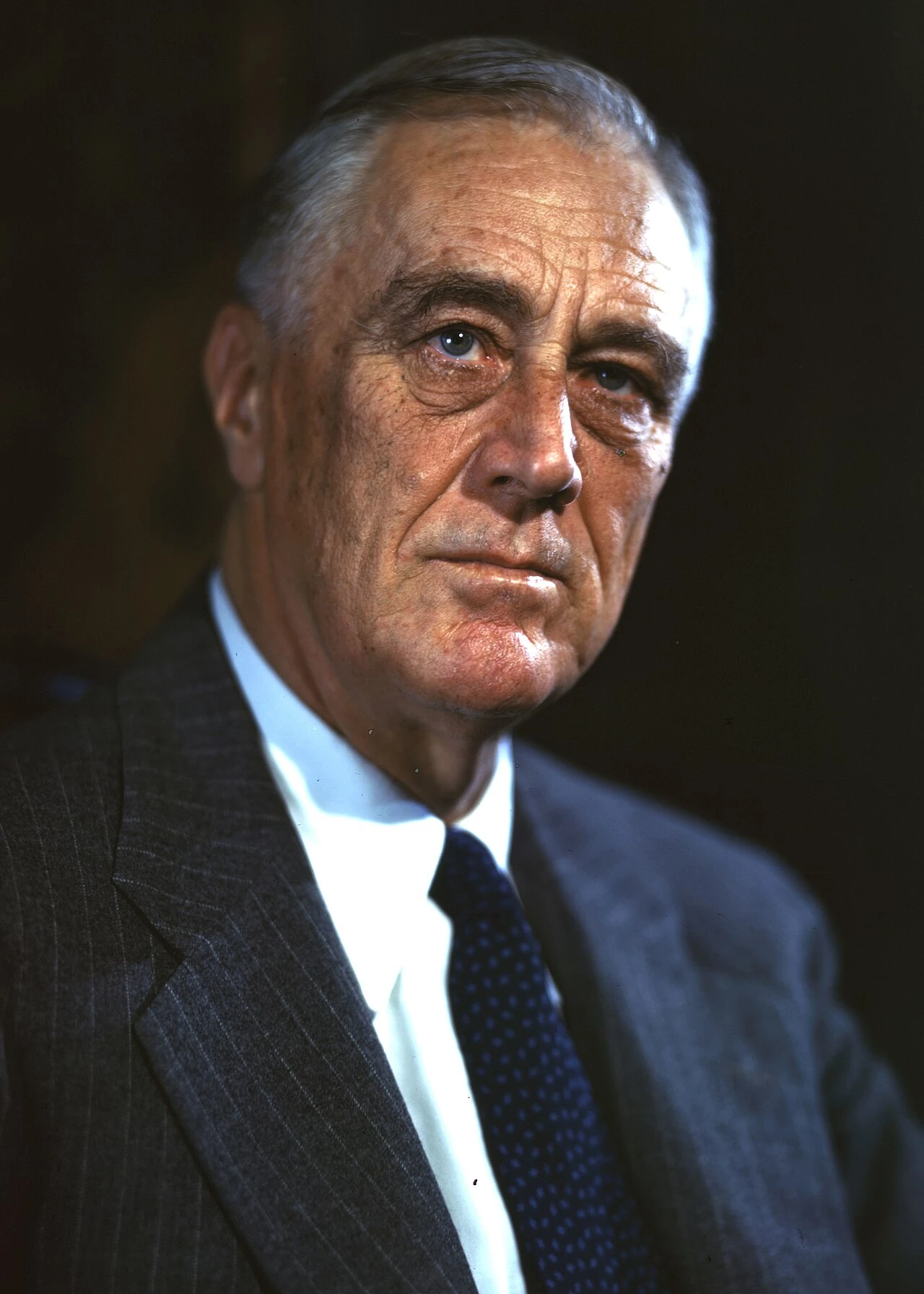
The United States lands in Iceland
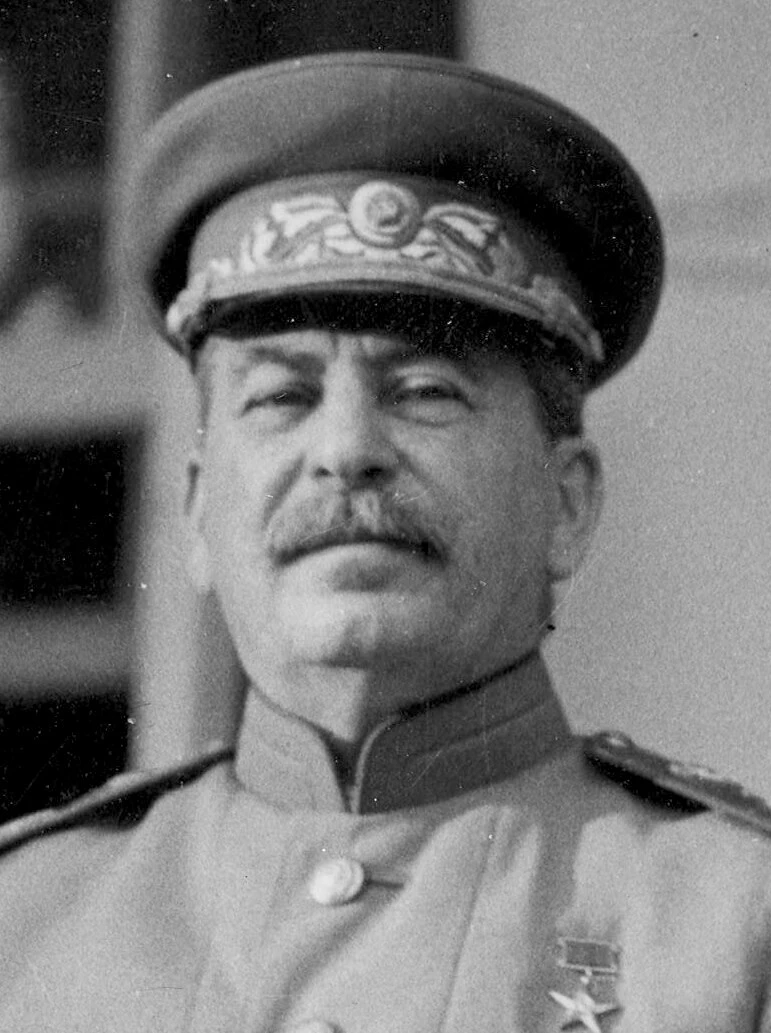
Stalin at the microphone — 'brothers and sisters'
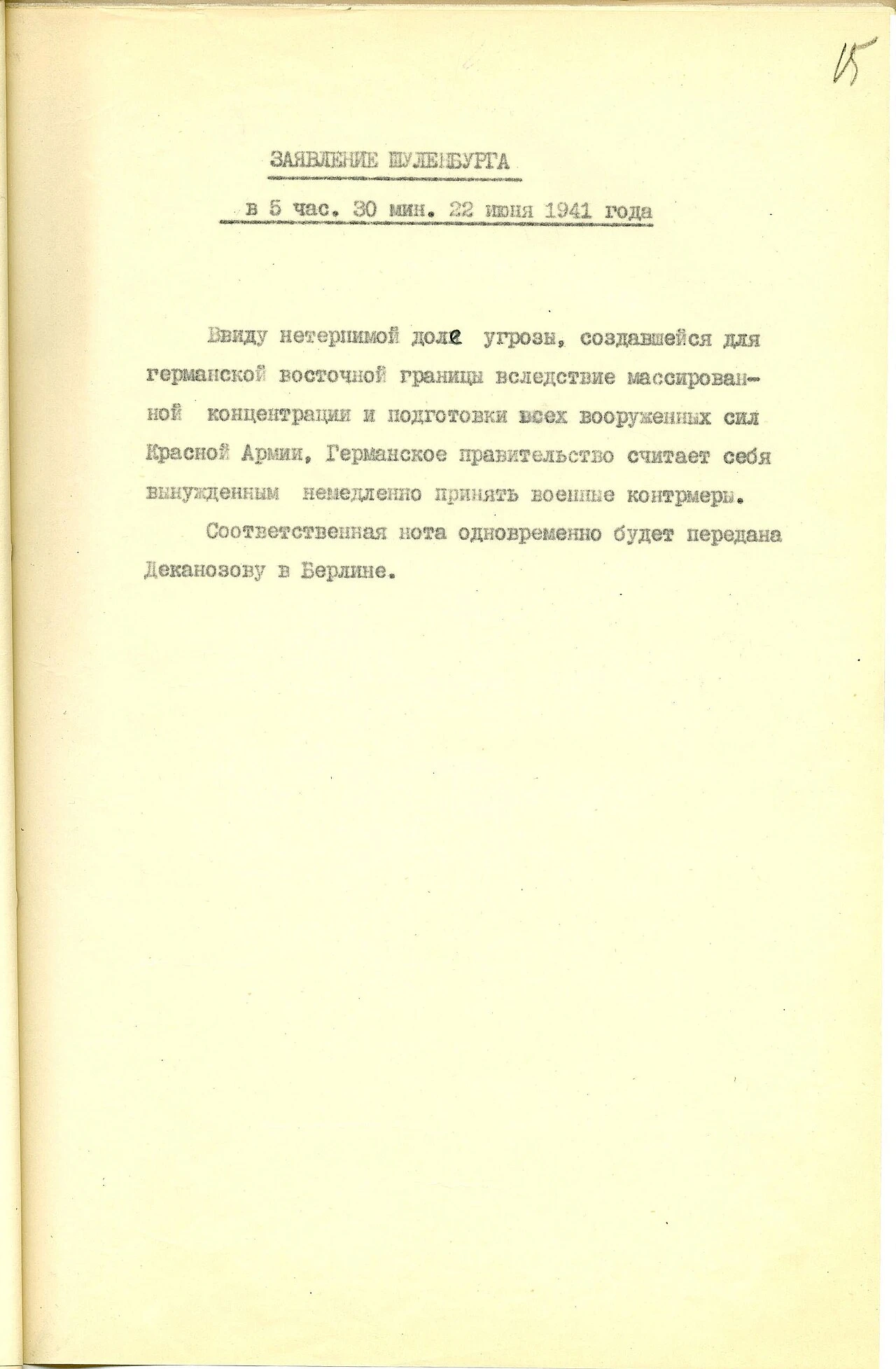
Hitler — the Eve of Barbarossa
Spanish Wolfram
Mannerheim to the Ryti government — 28 February
Assessment of the Winter War — 13 March
Bulgaria: lock of the Balkans, a price to pay
The Atlantic Charter
Harriman in Moscow, Face to Face with Stalin
Auchinleck replaces Wavell
The United States lands in Iceland
Stalin at the microphone — 'brothers and sisters'
Hitler — the Eve of Barbarossa
Spanish Wolfram
Mannerheim to the Ryti government — 28 February
Assessment of the Winter War — 13 March
Bulgaria: lock of the Balkans, a price to pay
The Atlantic Charter