
Hel — Unrug faces the German envoy
, 55, rear admiral, has commanded all Polish naval and coastal-defence forces since 1925. Born in Brandenburg into a family of Germano-Polish minor nobility, an officer of the Kaiserliche Marine from 1914 to 1918, he opted for Poland in 1919. Perfectly bilingual, he had vowed, on becoming a Polish citizen, never again to speak a word of German in public.
The Hel peninsula — a 35 km strip of sand and forest jutting into the Bay of Danzig — has served as the Polish Navy's fortified camp since 1936. It holds three heavy batteries (152 mm Bofors, 105 mm Schneider guns and the Laskowski battery with its four Danish 152 mm guns), a garrison of 3,000 men, bunkers, depots and a military railway. On 1 September, after the rapid fall of Gdynia — Kępa Oksywska would fall on 14 September — Hel becomes the last Polish foothold on the Baltic.
From 9 September to 2 October the peninsula is pounded by three German capital ships taking turns — Schleswig-Holstein, Schlesien and Admiral Hipper — by Stukas of and He 111s of , and by a ground offensive launched along the isthmus by the . By 30 September, after the fall of Warsaw on the 27th and Modlin on the 28th, Hel is the last pocket of resistance. The ammunition will not last more than four days. On 1 October, Reichenau sends an envoy.
What to do on 1 October, when Reichenau sends an envoy?
Unrug chooses C. On the evening of 1 October, the Hel batteries fire their last shells against German-held Gdynia to empty the magazines. The guns are blown up with dynamite. The secret codes are burned. On the morning of 2 October, Commander carries the white flag forward. Polish losses: 53 killed, 200 wounded. Unrug and 4,000 defenders (3,000 sailors, 1,000 infantry) go into captivity. In the German oflags, Unrug systematically refuses to speak German in front of Wehrmacht officers — he insists on an interpreter, though everyone knows he has perfect command of the language. His formula: "From 1 September 1939 onward, I have forgotten German." He is freed in 1945, refuses to return to communist Poland, dies in France (Lailly-en-Val) in 1973. His ashes are brought back to Gdynia in 2018, to the Polish naval necropolis.
Learn more about this event
Related polls
10
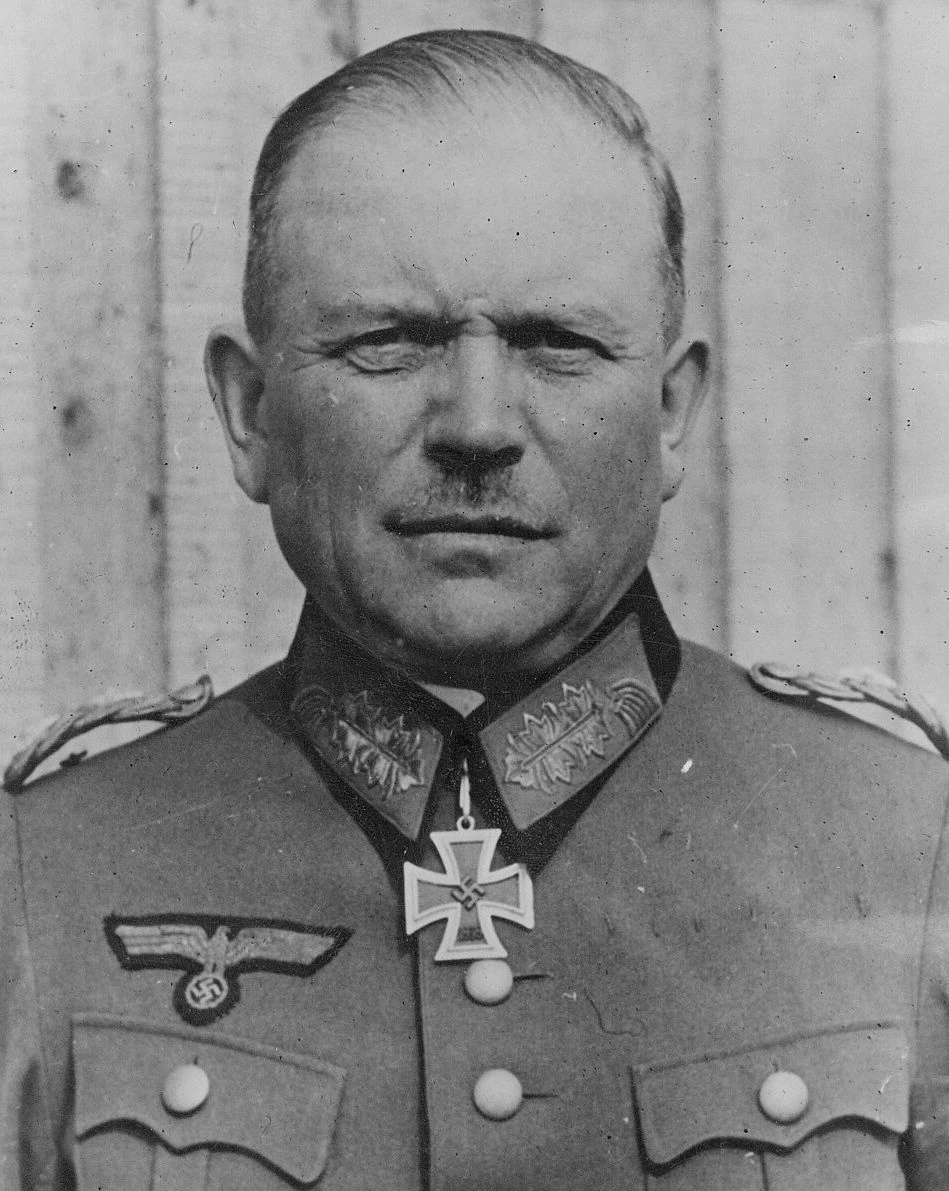
Brześć — Plisowski faces Guderian
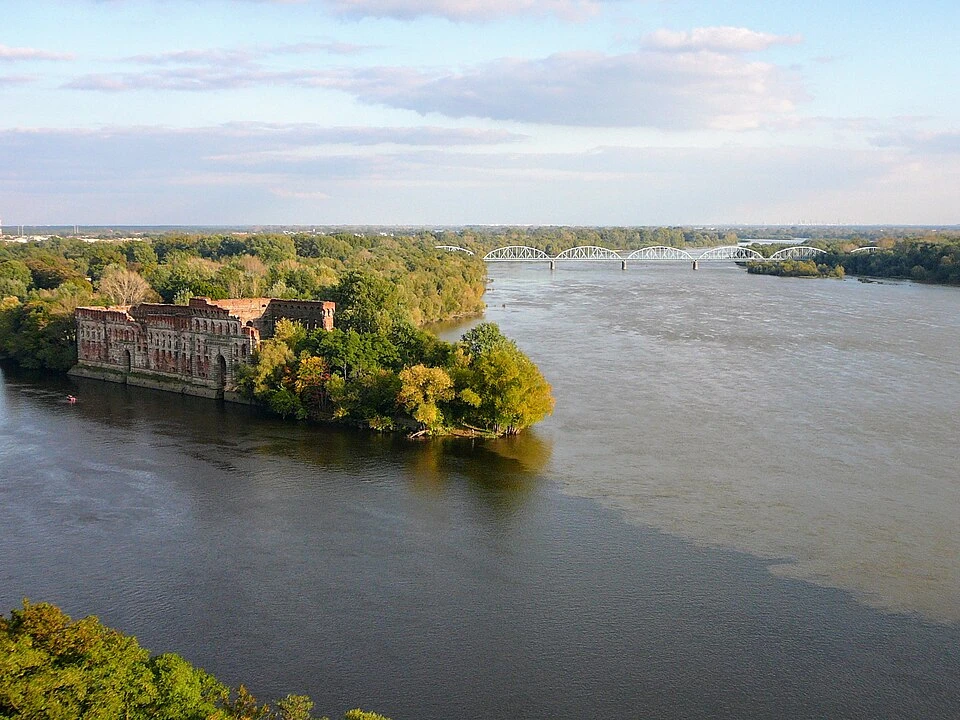
Modlin — Thommée at the last fortress
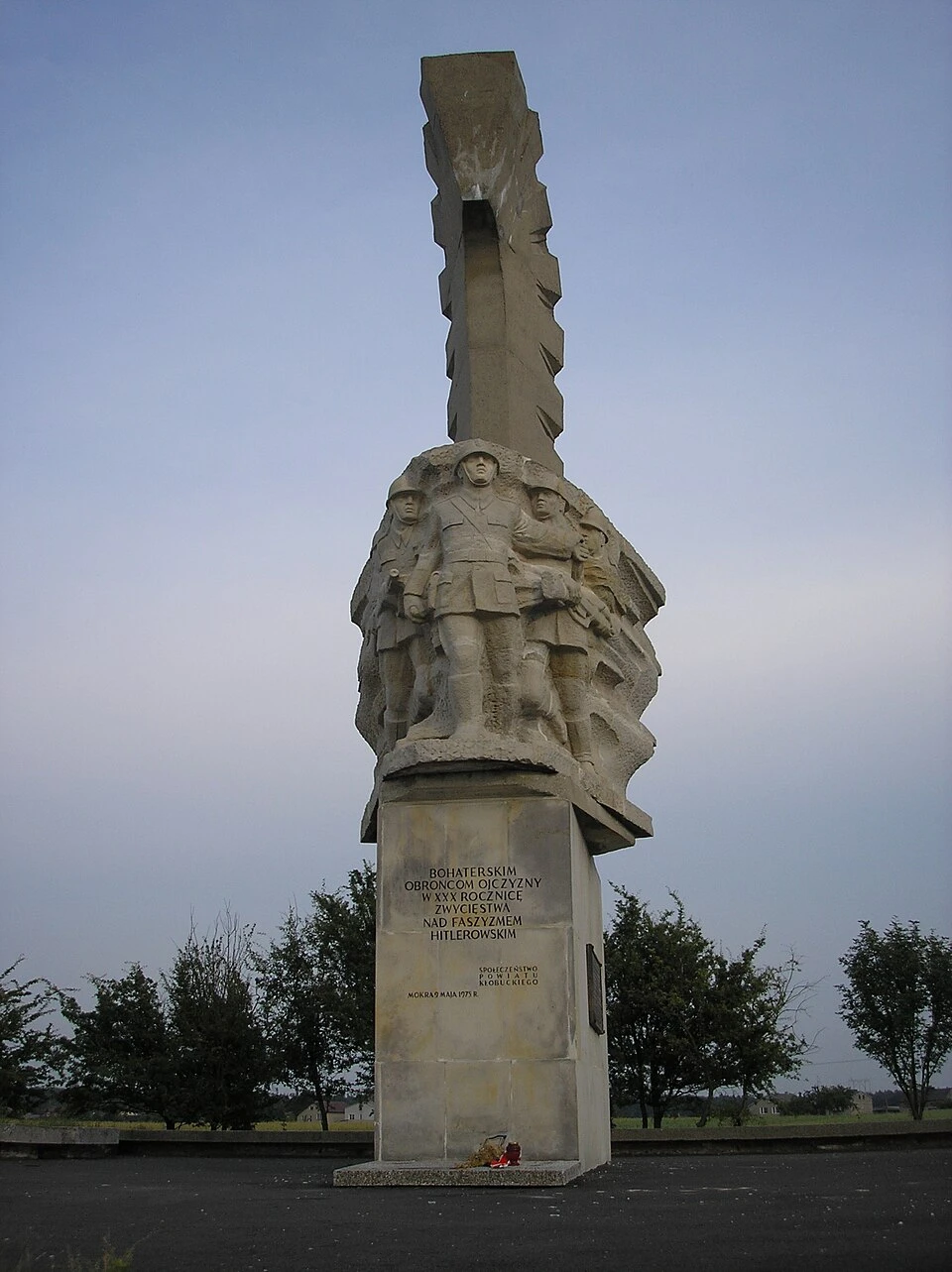
Mokra — Filipowicz and the Volhynian Brigade
Władysław Gnyś — the Dorniers over Olkusz
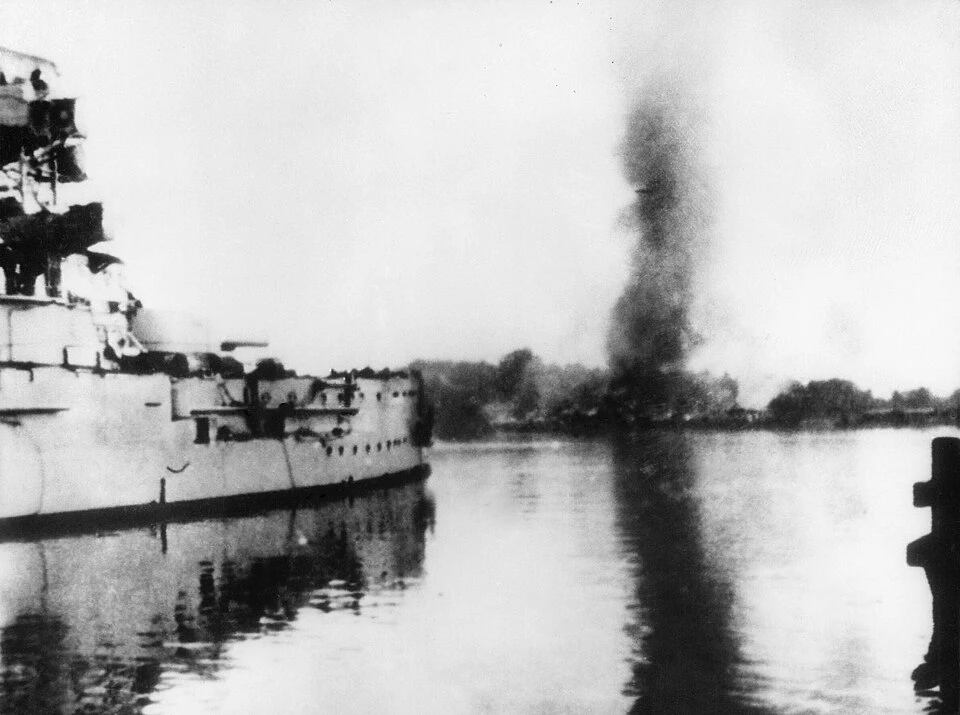
Westerplatte — Sucharski under the Schleswig-Holstein's guns
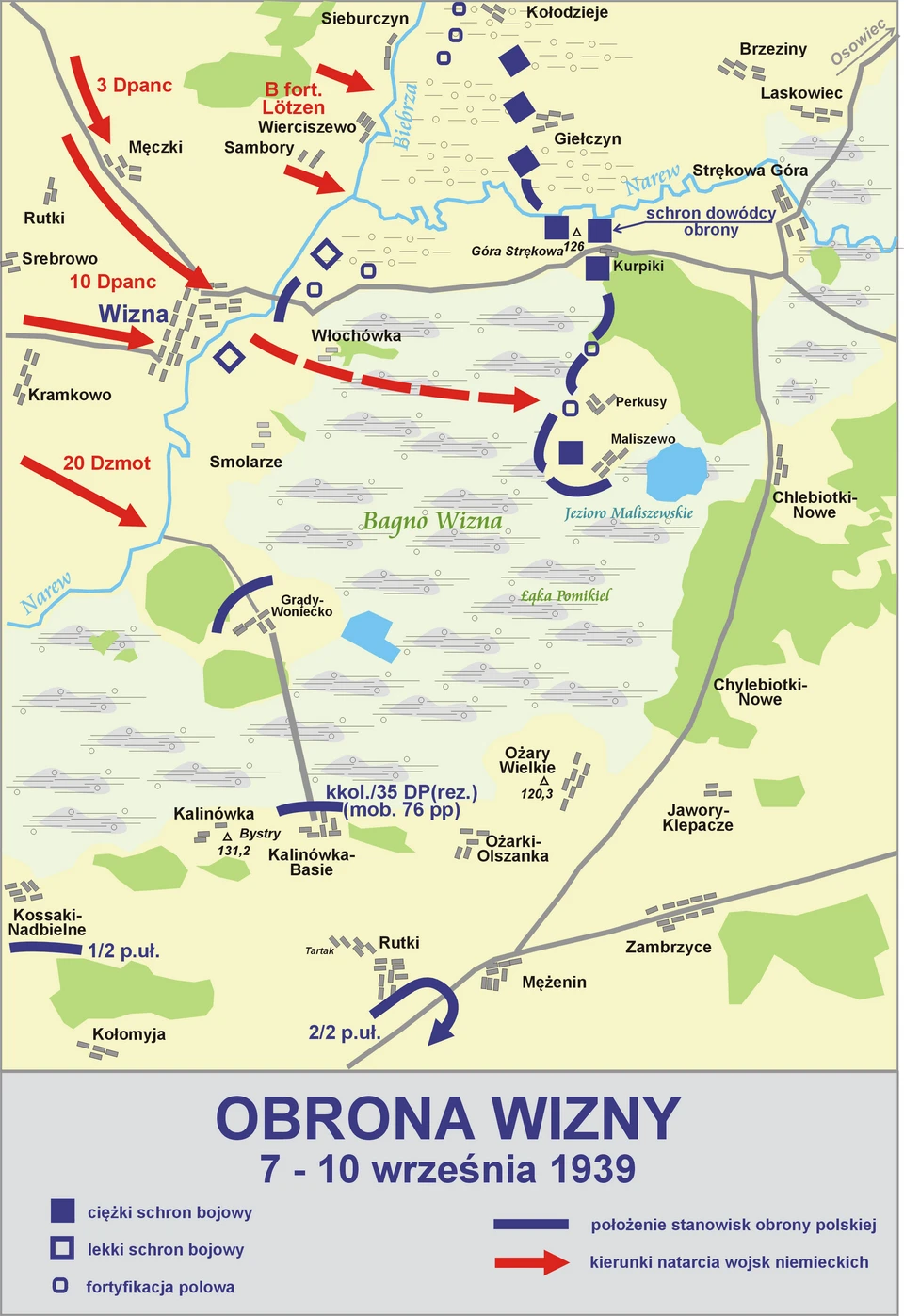
Wizna — Raginis in the Górka bunker
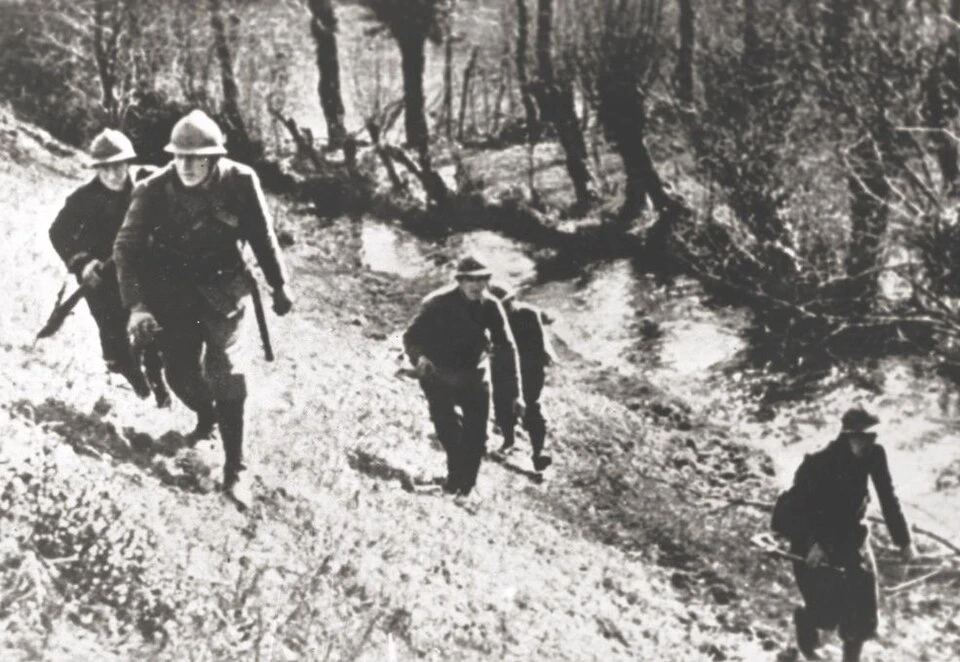
Kock — Kleeberg on the morning of 6 October
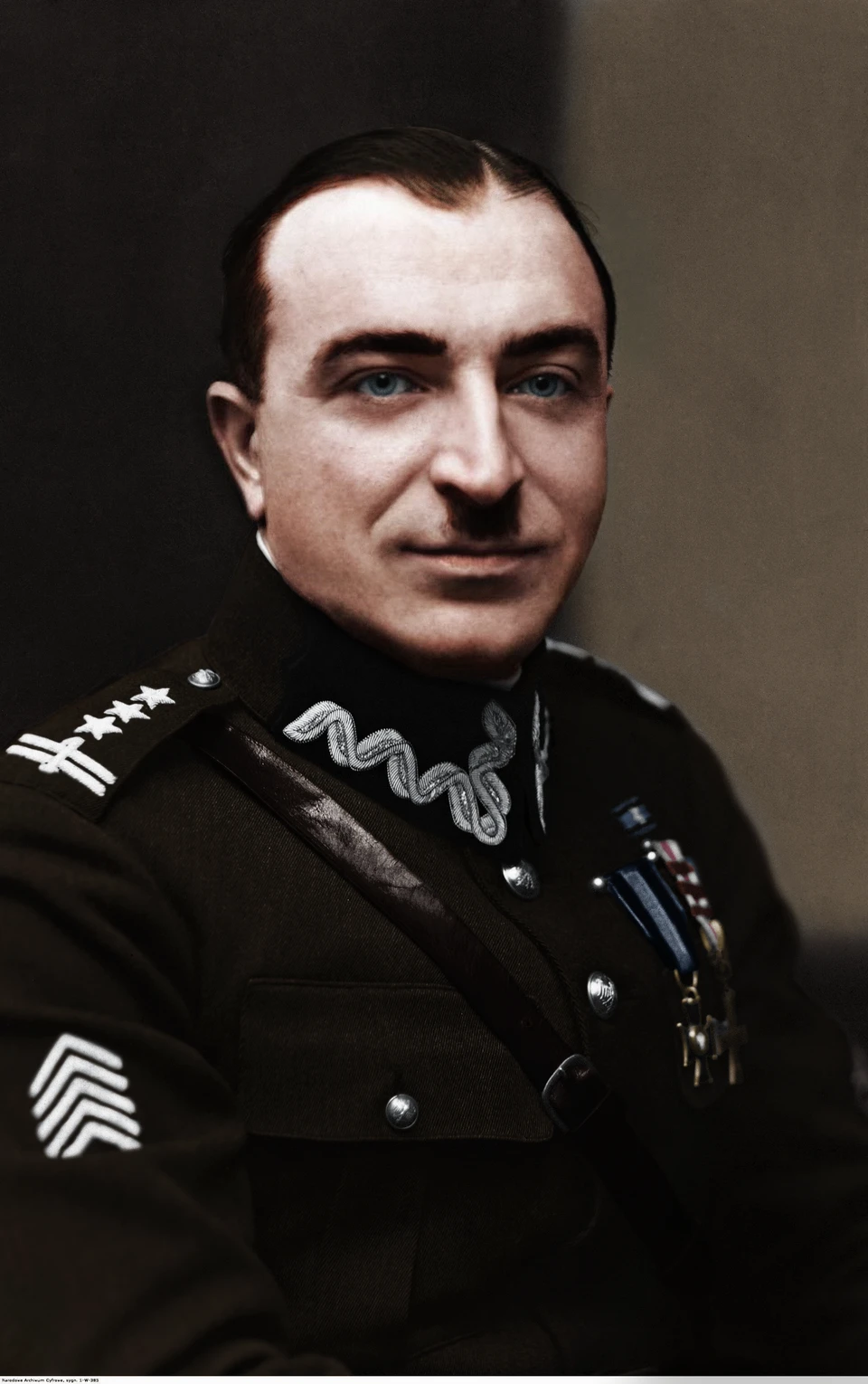
Wytyczno — Orlik-Rückemann after Szack
HMS Courageous — Makeig-Jones after the Torpedoes
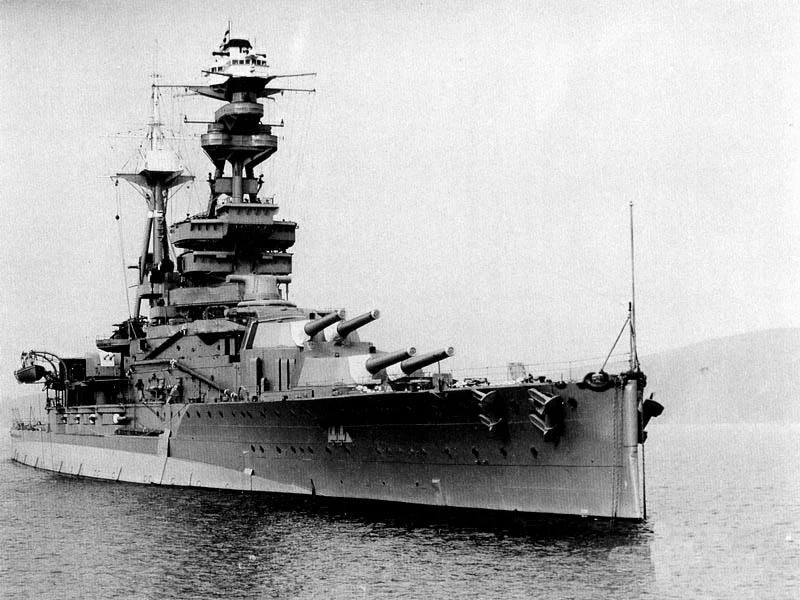
Royal Oak — Prien in Scapa Flow
Brześć — Plisowski faces Guderian
Modlin — Thommée at the last fortress
Mokra — Filipowicz and the Volhynian Brigade
Władysław Gnyś — the Dorniers over Olkusz
Westerplatte — Sucharski under the Schleswig-Holstein's guns
Wizna — Raginis in the Górka bunker
Kock — Kleeberg on the morning of 6 October
Wytyczno — Orlik-Rückemann after Szack
HMS Courageous — Makeig-Jones after the Torpedoes