
A Schoolteacher at Périgueux — Welcoming the Exodus
Our Périgueux schoolteacher is a composite figure, representative of the inhabitants of the South-West confronted with the flood of the exodus. Périgueux, sub-prefecture of the Dordogne with about 35,000 inhabitants, sees some 150,000 refugees pour in over three weeks — from the North, from Belgium, from Paris. Whole families sleep in schools, churches, gymnasiums.
The schoolteacher, like many local teachers and civil servants, finds herself on the front line of reception: distributing blankets and soup, finding housing, directing families to the surrounding farms. Resources are lacking, housing and food create tensions, but spontaneous solidarity is real.
The decision, on an individual scale, is concrete and moral: open her own house to a refugee family, at the risk of cramped quarters and shortage, or protect herself by limiting her aid to collective action. Most of the refugees are women, children and the elderly, the men being mobilised or prisoners. This burden weighs on poorly resourced communes. It is the daily dilemma of millions of French in the host regions during the summer of 1940.
Should the schoolteacher take in a refugee family at home?
The majority chooses A: the South-West takes in several million refugees in May-June 1940, in a widely attested surge of solidarity, despite tensions over housing and food. Périgueux and the Dordogne lastingly house some of these families, many of whom will leave only gradually. This experience of reception weaves bonds that will count later: many of these South-Western regions, marked by the memory of the exodus and by the presence of refugees (including Jews and foreigners), will become lands of engagement in the Resistance and of protection of the persecuted. The anonymous gesture of summer 1940 foreshadows still riskier solidarities under the Occupation.
Learn more about this event
Related polls
10
Hannah Arendt, Stateless and Interned, Facing Exile
June 1940: the Mona Lisa on the road, ahead of the German advance
Langeron — Prefecture of Police, 14 June
A Paris Lycée in Exodus
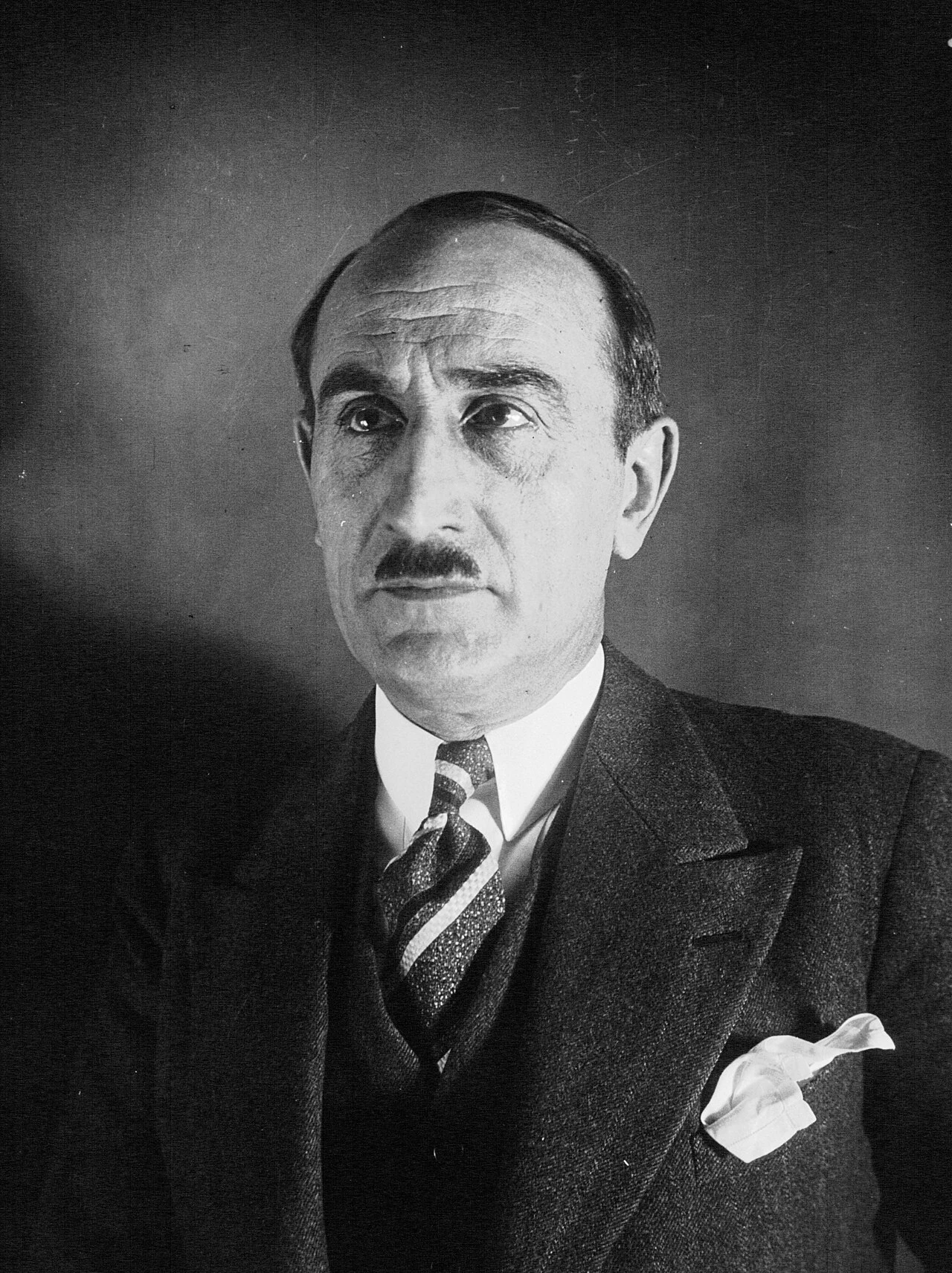
Marquet — Bordeaux overwhelmed, 12 June
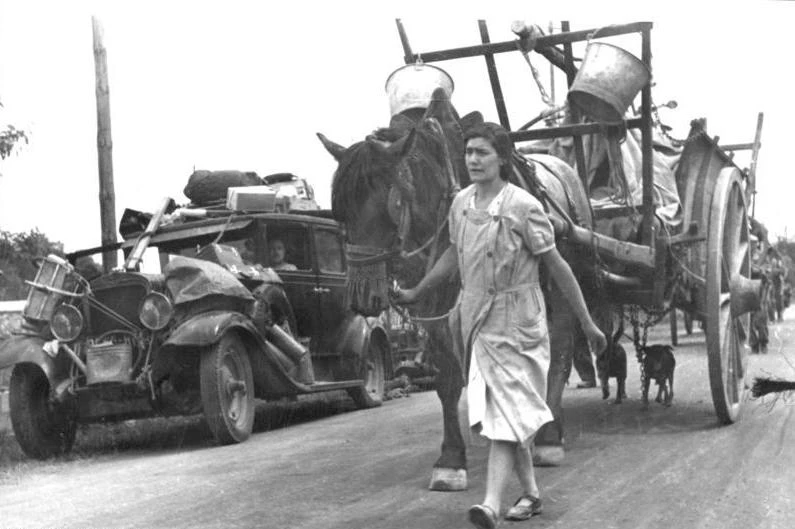
Paris empties out — 10 June

Pierre Caron facing the exodus — the archivist and his post

When the Louvre Must Vanish
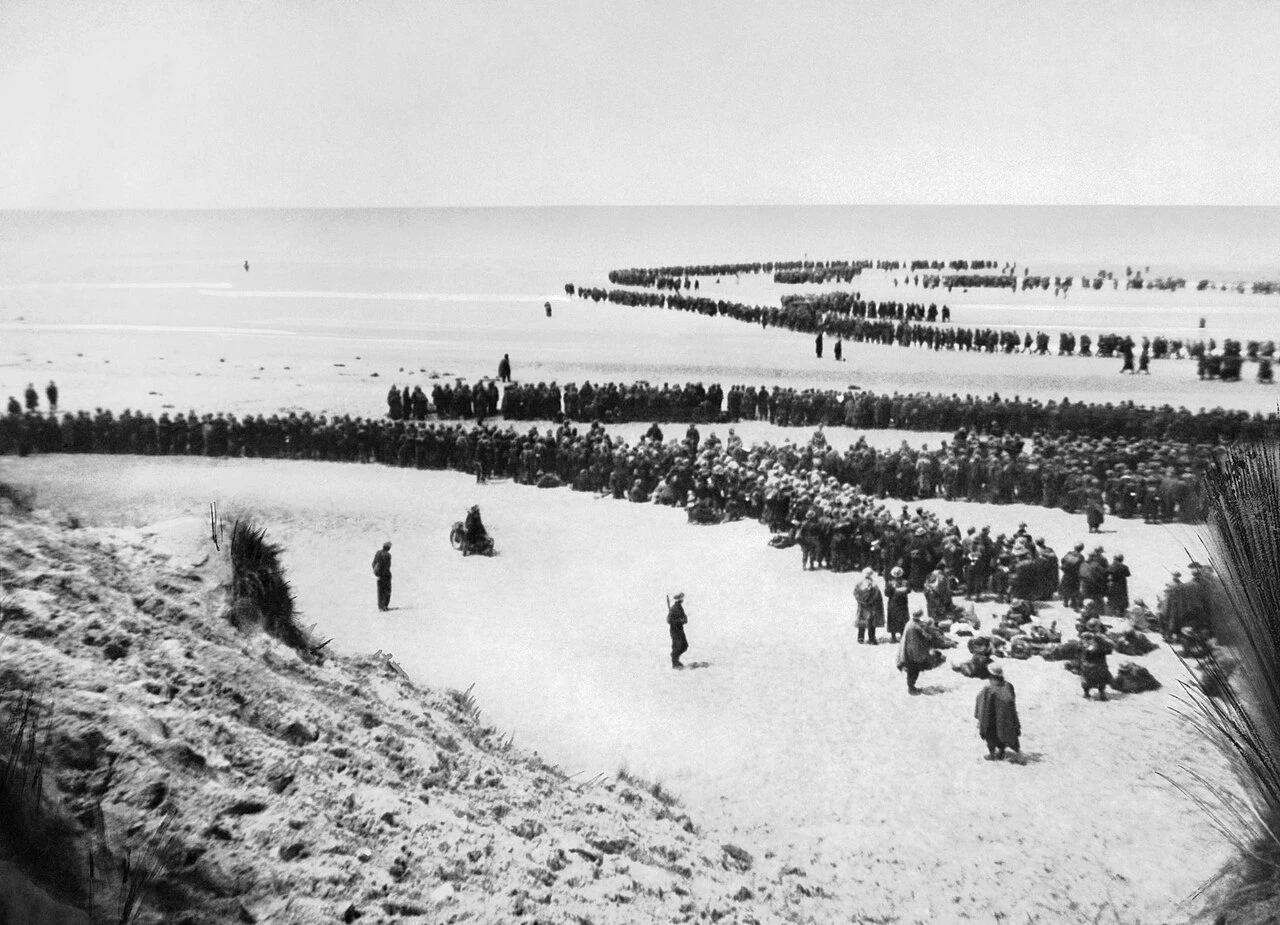
Dunkirk: holding the line under the bombs
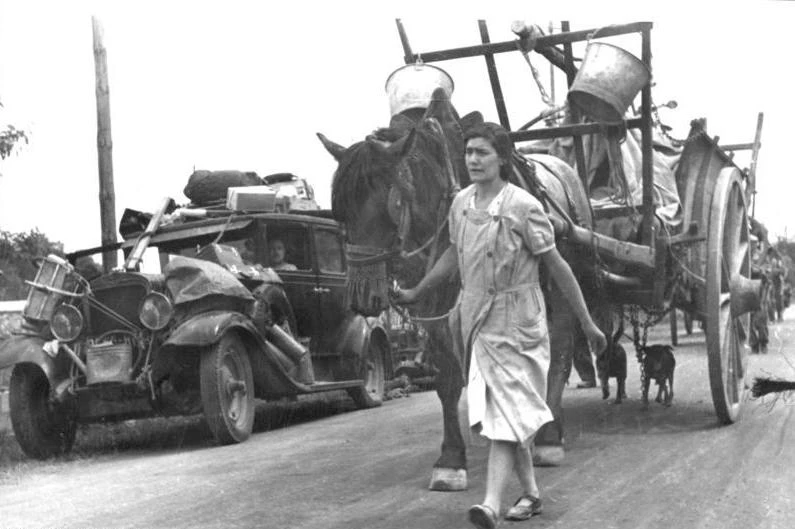
The French exodus
Hannah Arendt, Stateless and Interned, Facing Exile
June 1940: the Mona Lisa on the road, ahead of the German advance
Langeron — Prefecture of Police, 14 June
A Paris Lycée in Exodus
Marquet — Bordeaux overwhelmed, 12 June
Paris empties out — 10 June
Pierre Caron facing the exodus — the archivist and his post
When the Louvre Must Vanish
Dunkirk: holding the line under the bombs