
Barbarossa — 3:15 a.m.
At 3:15 a.m. on 22 June 1941, the German artillery opens fire along the whole front and the Luftwaffe destroys hundreds of Soviet aircraft on the ground. The invasion catches the in total disorder: despite countless warnings — from spies like Sorge, from defectors, from the British — Stalin has refused to believe in an imminent attack and has forbidden any mobilisation that might have « provoked » Germany.
Our Soviet frontier officer is representative of the hundreds of units caught off guard that night. Communications are cut, orders contradictory or absent; some staffs, paralysed by the terror of the purges, dare decide nothing without Moscow. The first directives from above, unrealistic, order impossible counterattacks.
On the ground, a sector commander must choose without clear instructions, under fire: hold his position at all costs as the doctrine demands, at the risk of encirclement; withdraw to preserve his unit, in defiance of orders that forbid it and at the risk of being shot as a « defeatist »; or counterattack blindly according to the unrealistic instructions of the moment.
Under the assault of 22 June, without clear orders, what should a Soviet frontier commander do?
Most apply A or C, for want of autonomy: Soviet doctrine and Stalinist terror proscribed withdrawal, and the first directives (« Directive No. 3 ») demanded absurd counter-offensives. The result is catastrophic: in a few weeks, the Wehrmacht achieves giant encirclements (Białystok-Minsk, Smolensk, soon Kiev) and captures millions of Soviet soldiers, many of whom will die in captivity. But some pockets resist beyond all reason — the fortress of Brest holds for weeks — and the immensity of the territory, the depth of the reserves, and the very brutality of the occupier end by working against the invader. The initial disaster of 1941, the fruit of Stalin's blindness, nearly lost the USSR; it did not lose it.
Learn more about this event
Related polls
10
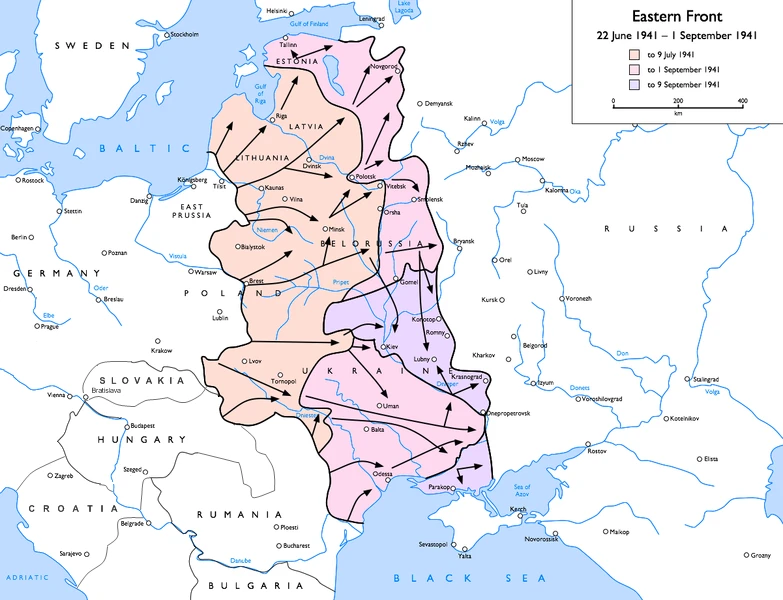
Brest — the Encircled Fortress
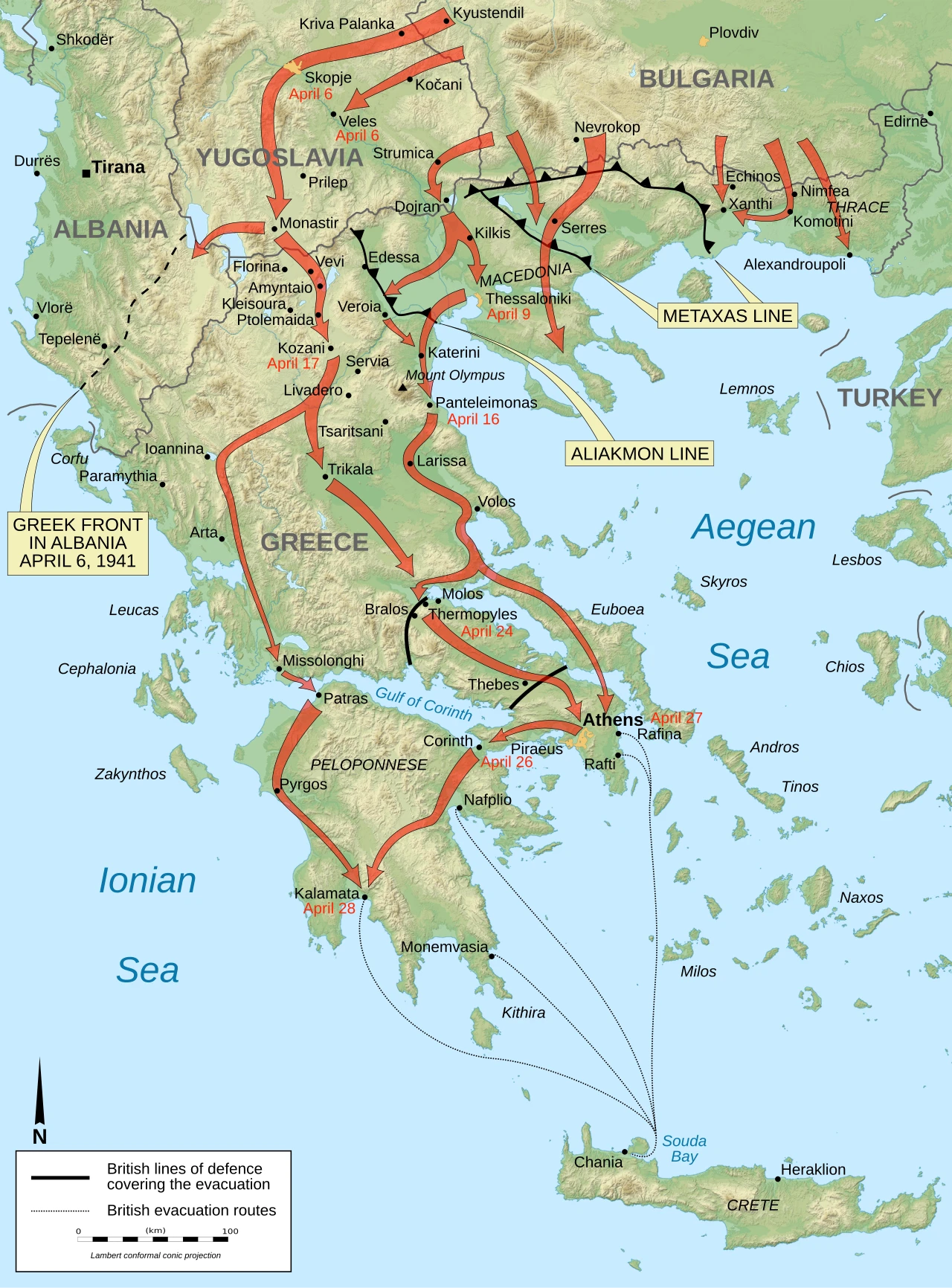
'Fortresses do not surrender'
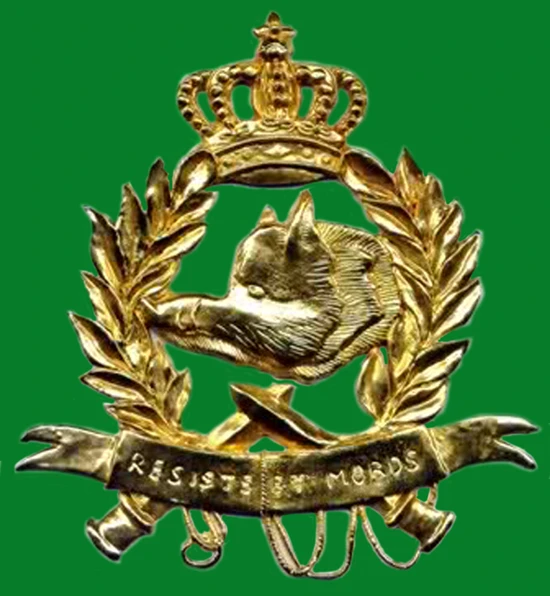
The abatis of the Chasseurs Ardennais
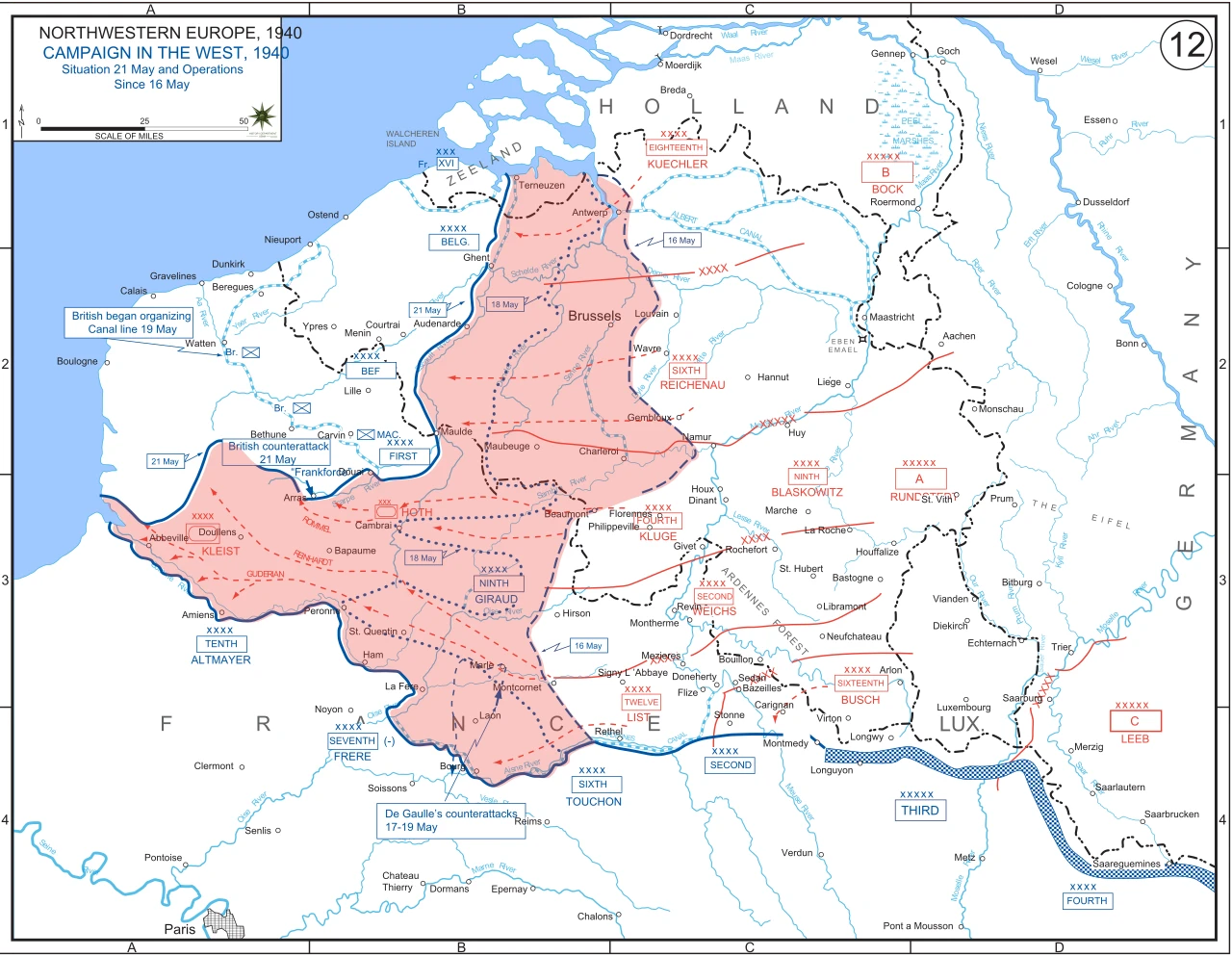
The Battle of the Lys
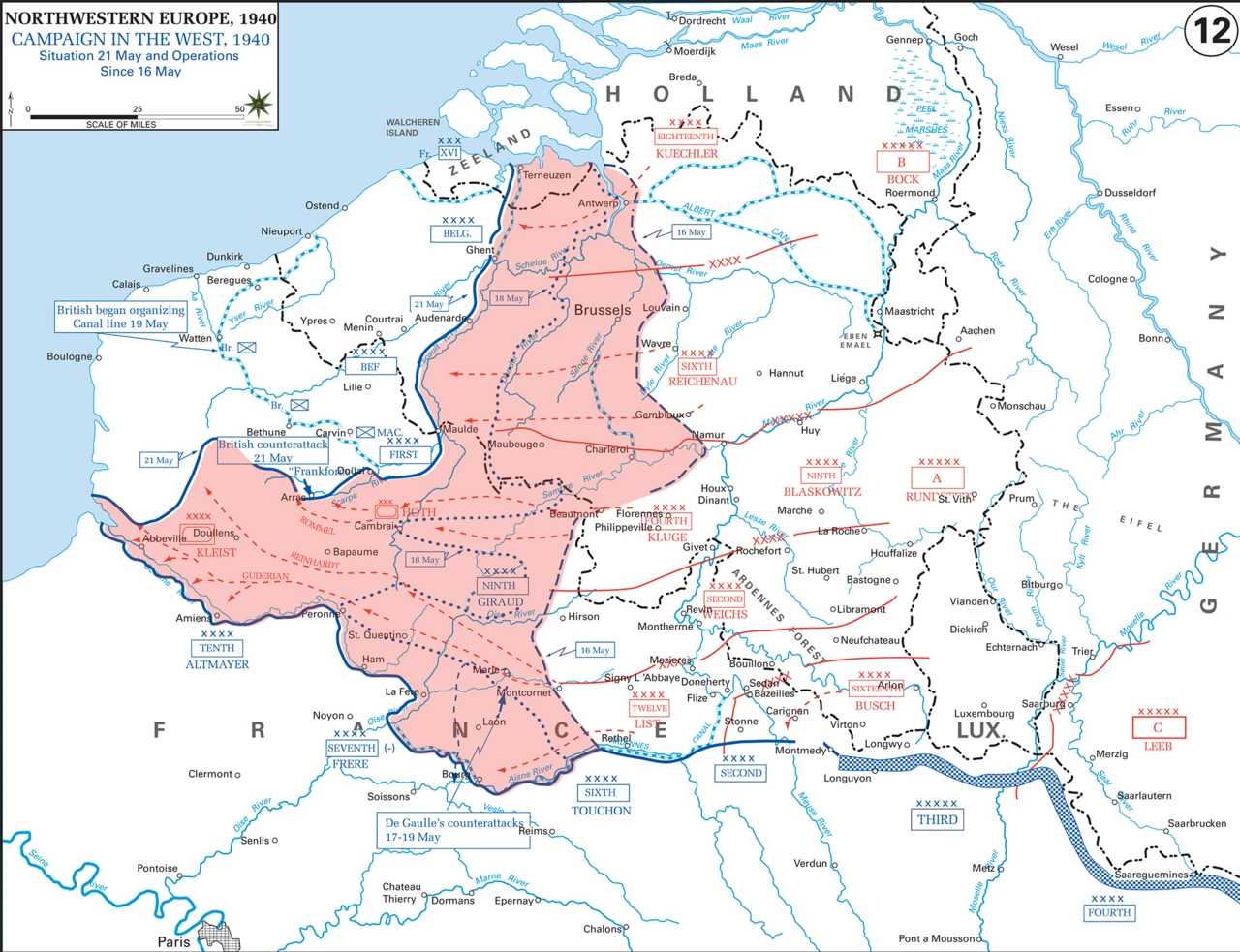
Boulogne — Fox-Pitt and the Guards facing the port
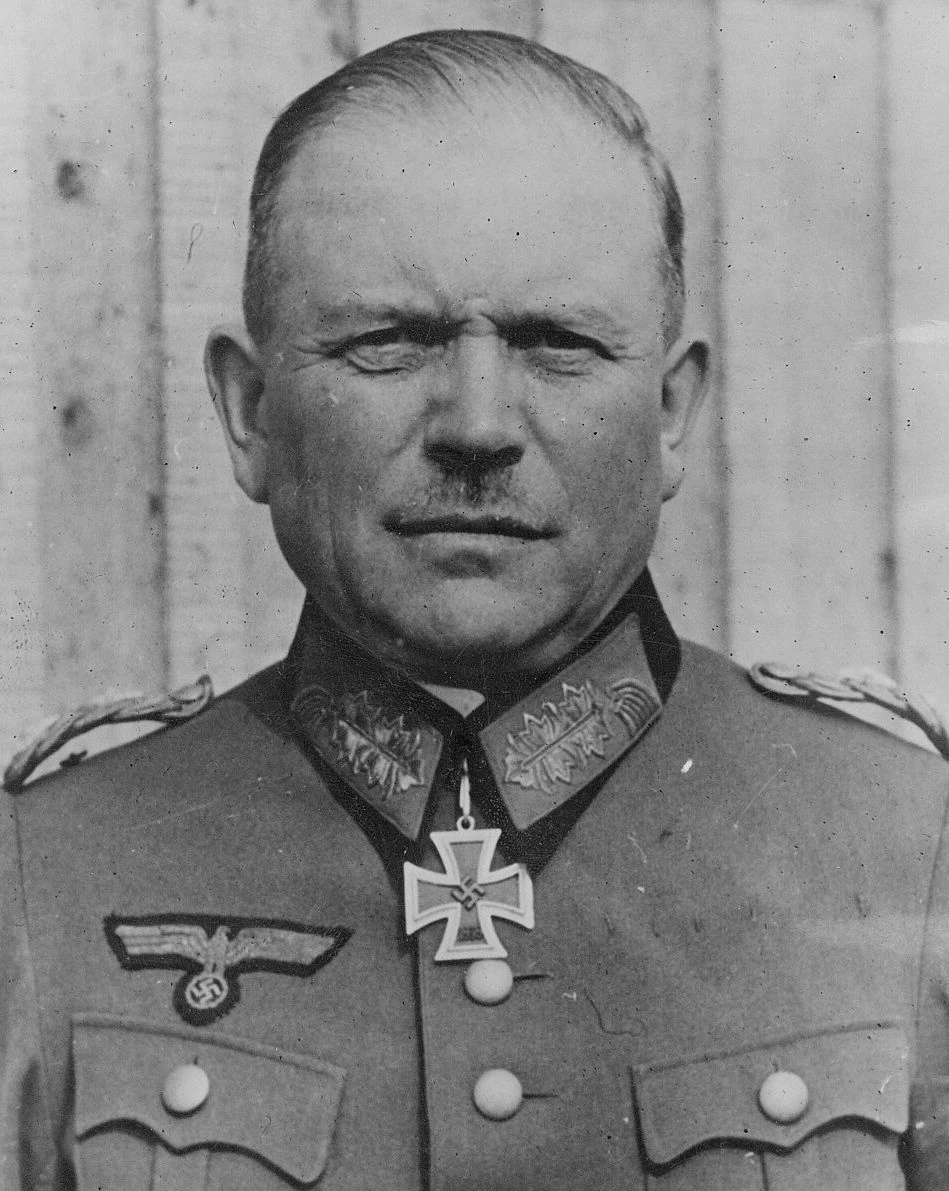
Brześć — Plisowski faces Guderian
Bulson — Lafontaine and the 02:00 rumour
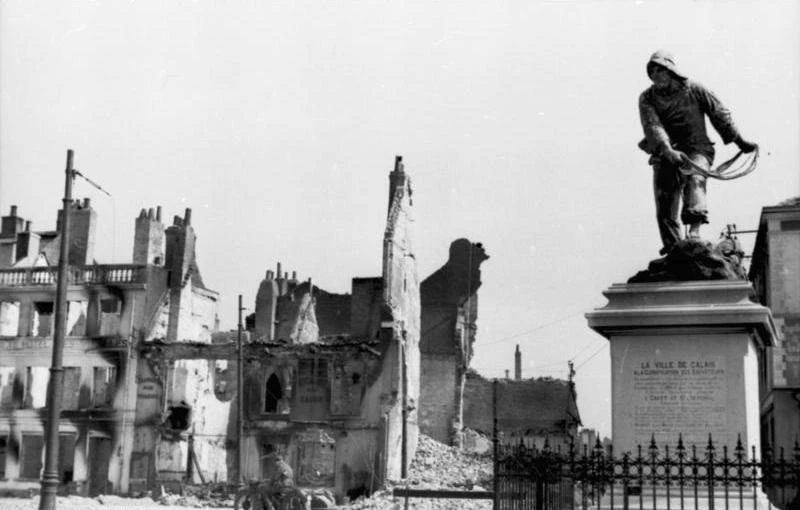
Calais — Nicholson facing the ultimatum
The Defence of Boulogne
The bridges of the Meuse
Brest — the Encircled Fortress
'Fortresses do not surrender'
The abatis of the Chasseurs Ardennais
The Battle of the Lys
Boulogne — Fox-Pitt and the Guards facing the port
Brześć — Plisowski faces Guderian
Bulson — Lafontaine and the 02:00 rumour
Calais — Nicholson facing the ultimatum
The Defence of Boulogne