
Cunningham toward Mogadishu
While Platt attacks Eritrea from the north, General — brother of Admiral — commands the offensive from Kenya toward the south of Italian East Africa. His forces consist largely of African troops (South African, West African and East African divisions), in an immense, poorly mapped theater with grueling logistics.
Wavell's original plan was prudent: secure the Kenyan frontier and advance methodically. But in February 1941 Cunningham finds that the Italians, isolated and demoralized, are putting up far less resistance than expected. With the Juba river crossed, the road to the port of Mogadishu, capital of Italian Somaliland, opens before him.
Cunningham must decide on the tempo: race at top speed for Mogadishu and beyond, gambling on Italian collapse despite the vertiginous lengthening of his supply lines; advance cautiously to avoid running out of fuel in the open desert; or consolidate his gains before any deeper thrust. The stakes go beyond Somalia: to break Italian East Africa would secure the Red Sea and free forces for other fronts.
Should Cunningham race for Mogadishu or advance cautiously?
Cunningham chose A. Exploiting the Italian rout, his motorized columns crossed the Juba and seized Mogadishu by late February 1941, capturing important fuel stocks intact — which partly solved the logistical problem and allowed the advance to continue. From there his troops drove north toward Ethiopia at a spectacular speed (more than 1,000 km in a few weeks), converging with Platt's offensive and the Ethiopian uprising supported by Emperor 's order of battle. Addis Ababa would fall in early April 1941. The East African campaign, one of the first great Allied land victories of the war, restored Ethiopia to independence and secured the Red Sea for convoys to Egypt.
Learn more about this event
Related polls
10
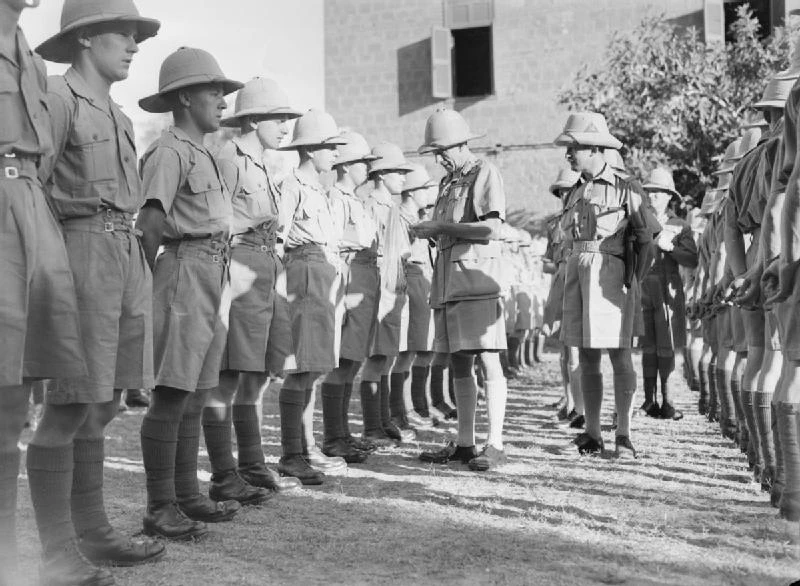
Platt before Kassala — January 1941
The Greeks at the Klisura Pass
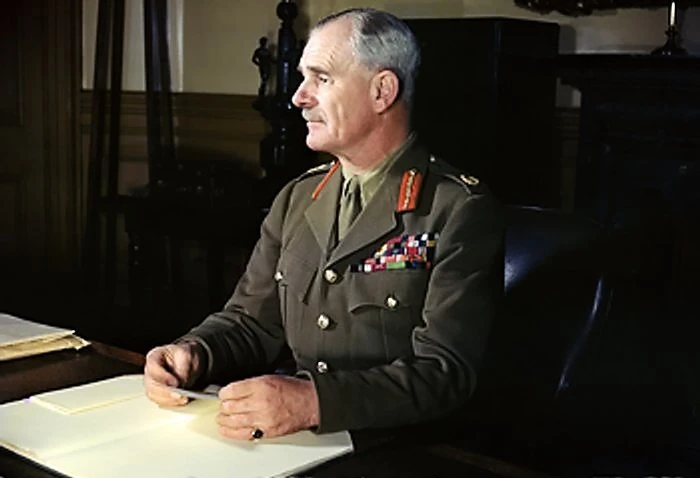
Wavell Against the 150,000 Italians — Egypt, September 1940
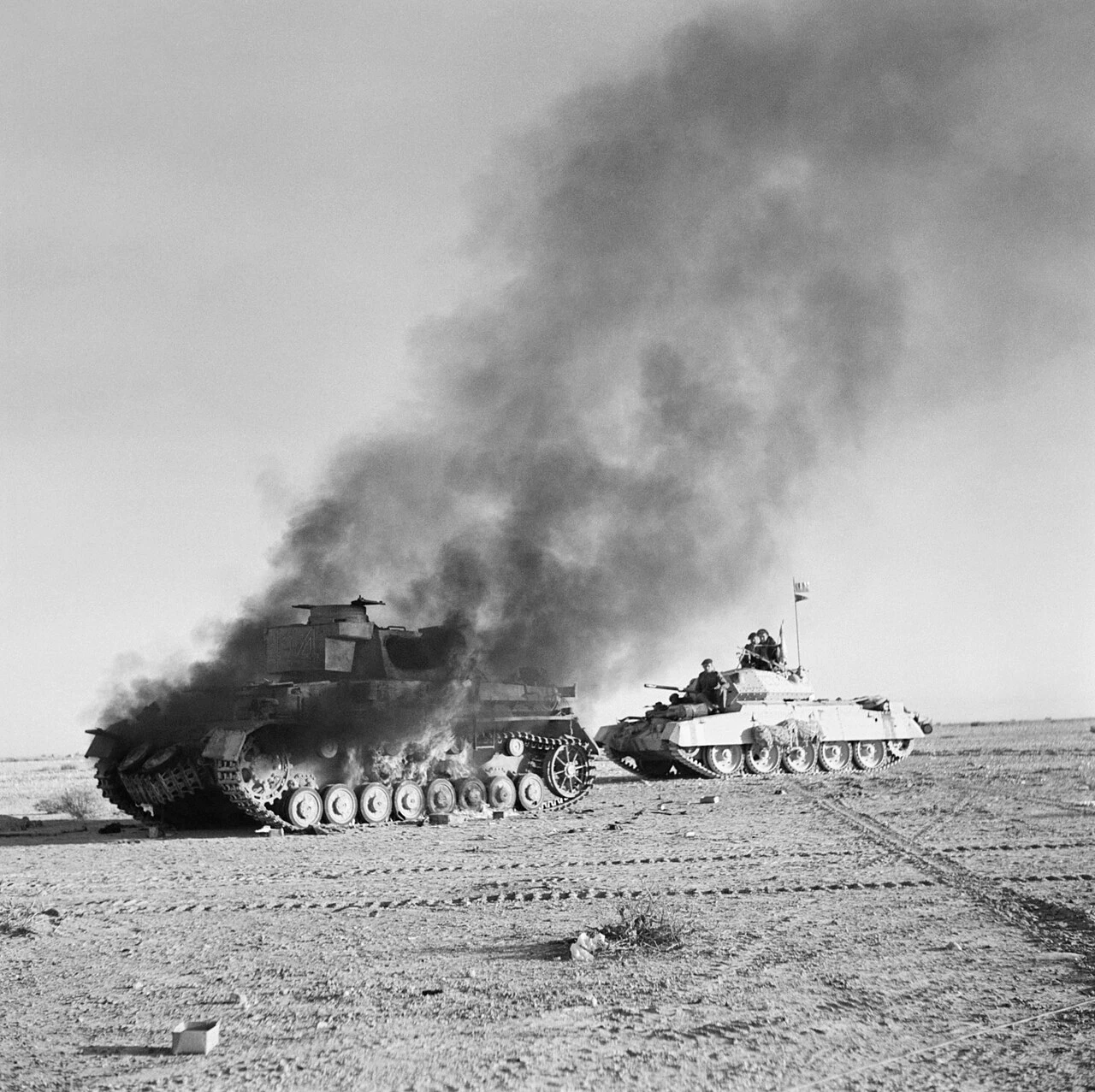
Crusader: The Generals' Doubt
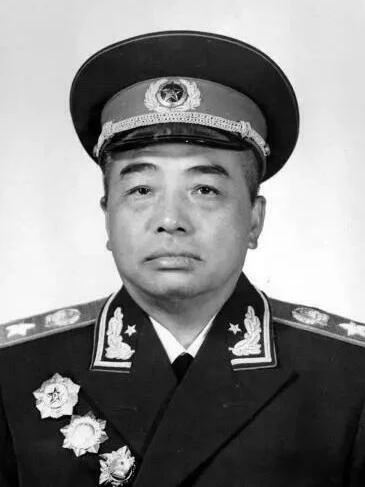
Peng Dehuai — the Hundred Regiments Offensive
Peng Dehuai — leaving guerrilla war behind?
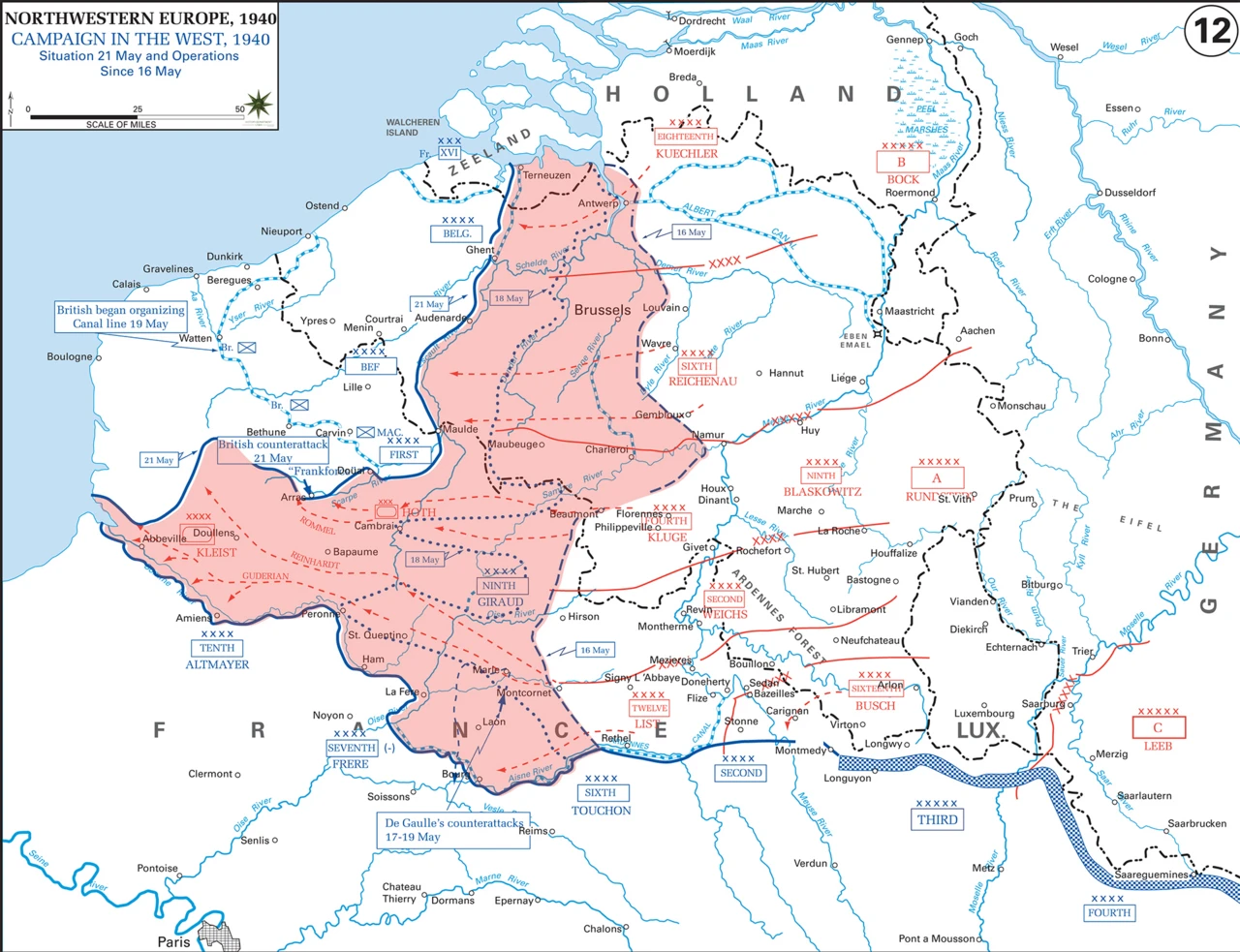
Arras — the Matildas against Rommel's flank
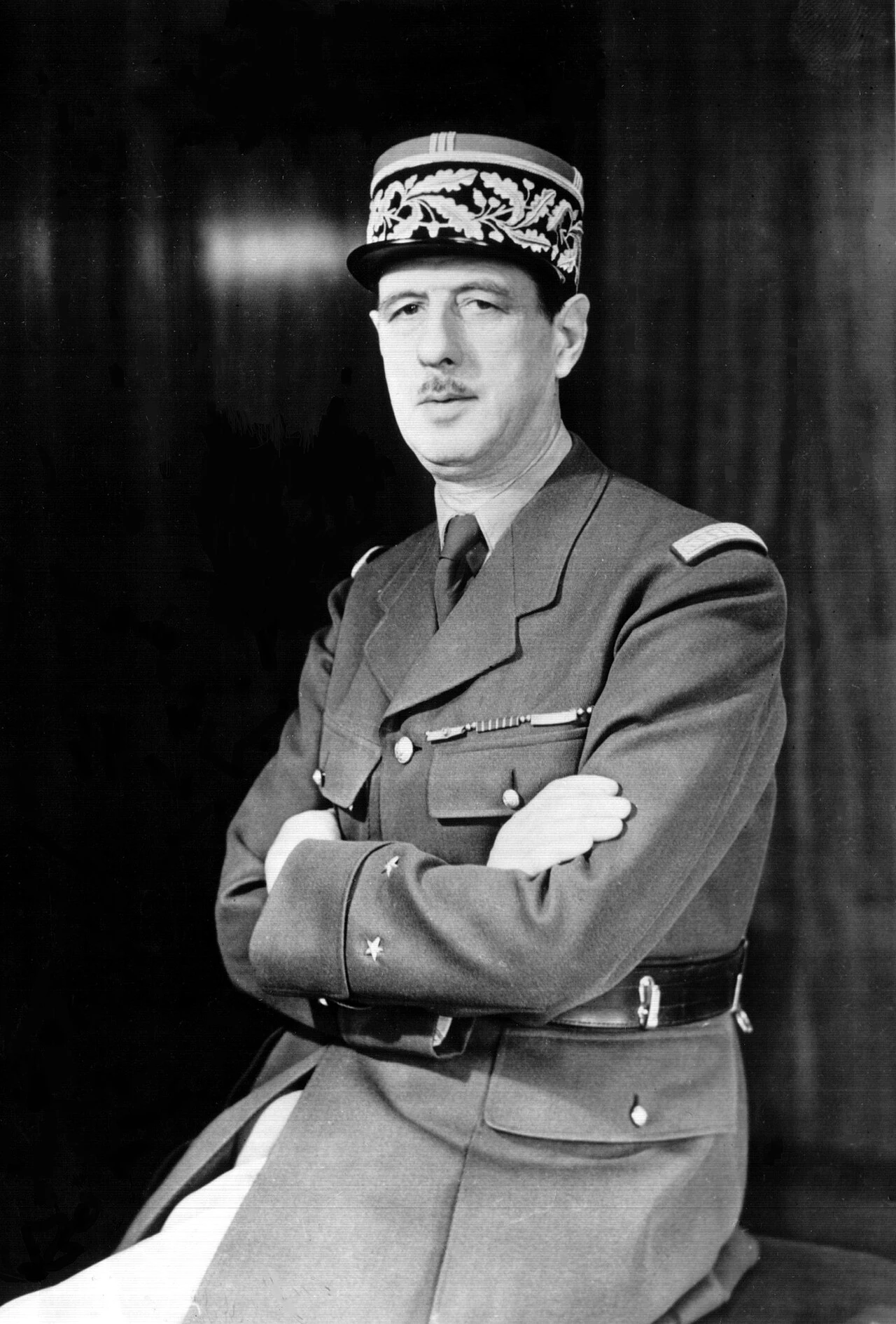
De Gaulle at Abbeville
De Gaulle at Montcornet — 17 May
Hitler sends Rommel to Africa
Platt before Kassala — January 1941
The Greeks at the Klisura Pass
Wavell Against the 150,000 Italians — Egypt, September 1940
Crusader: The Generals' Doubt
Peng Dehuai — the Hundred Regiments Offensive
Peng Dehuai — leaving guerrilla war behind?
Arras — the Matildas against Rommel's flank
De Gaulle at Abbeville
De Gaulle at Montcornet — 17 May