
Dakar — de Gaulle and Operation Menace
In the autumn of 1940, is trying to rally the Empire to Free France. After the success in French Equatorial Africa, he targets Dakar, the great base of French West Africa, whose harbor shelters the unfinished battleship Richelieu and substantial gold reserves. Operation Menace, mounted with the Royal Navy (Admiral ), commits about 3,600 Free French and 4,300 British.
The plan rests on a political wager: that the Dakar garrison, loyal to Vichy, will rally without a fight at the sight of de Gaulle. But Governor Boisson stands by Vichy, and Vichy naval reinforcements sent from Toulon have complicated the picture. On September 23, the Gaullist emissaries are turned away, and the coastal batteries together with the Vichy ships open fire on the Allied fleet.
De Gaulle faces a wrenching dilemma: to force a landing means spilling French blood against French and risking a disaster; to back off means a humiliating reverse in the eyes of the British and the Empire. He must decide under fire.
Should de Gaulle force the capture of Dakar or give up the operation?
After two days of exchanging fire, de Gaulle and Cunningham settle on B: Operation Menace is abandoned on September 25. Allied losses are serious — damaged ships, including a British battleship hit by Dakar's submarines and artillery — and the failure is resounding. In reprisal, Vichy aircraft bomb Gibraltar. The reverse weakens de Gaulle's standing with London and Washington, which doubt his ability to bring the Empire over. But he draws a lesson from it: Free France will not be built by armed strikes against Vichy, but by the patient rallying of territories and men. Dakar will not join Free France until after the Allied landings of November 1942.
Learn more about this event
Related polls
10
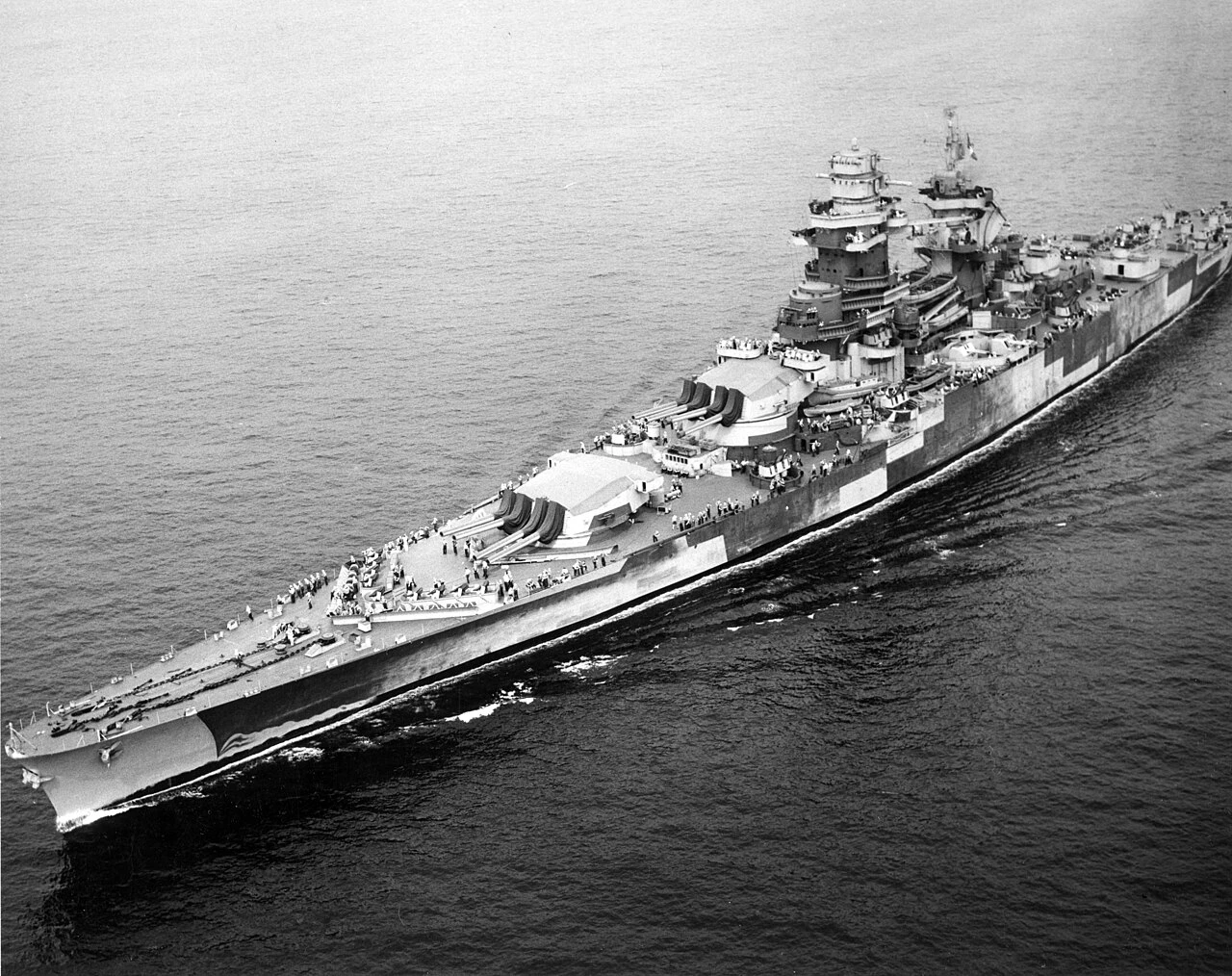
Boisson Faces the Squadron — Dakar, 23 September 1940
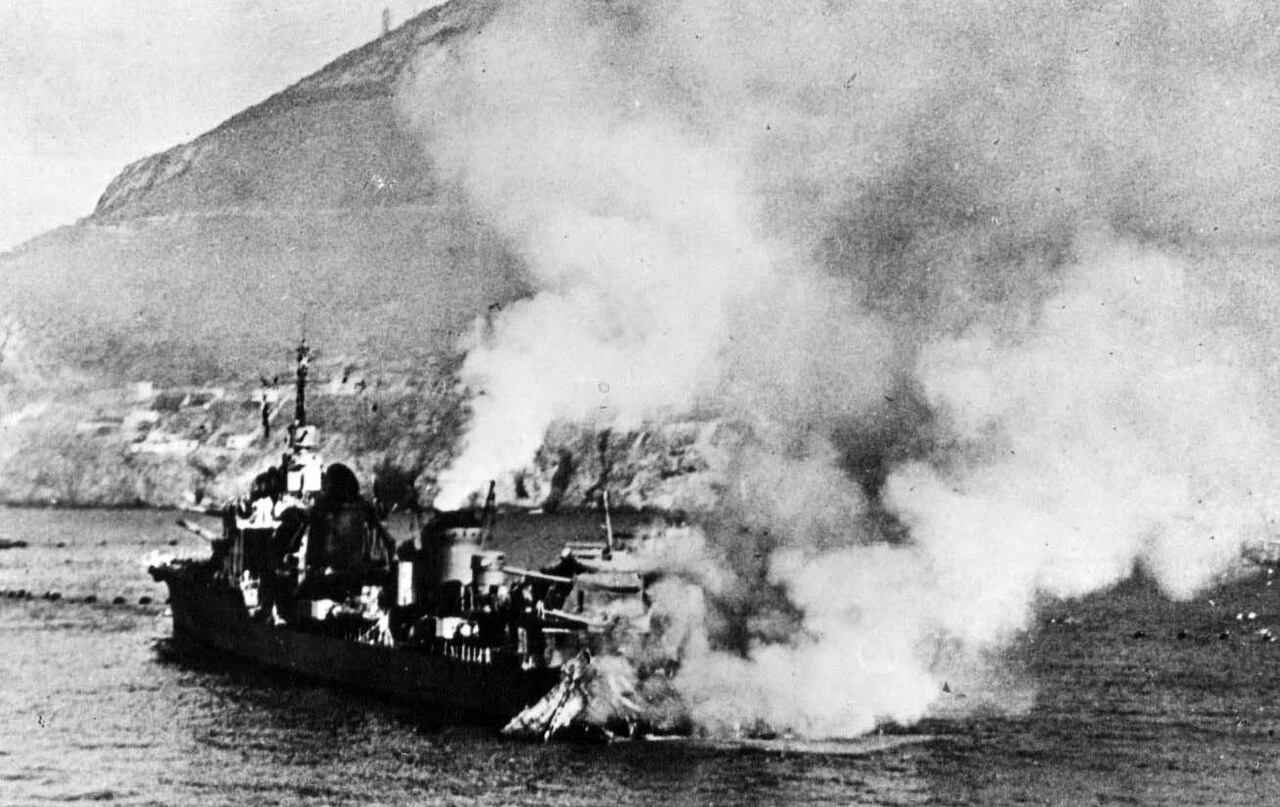
Mers-el-Kébir
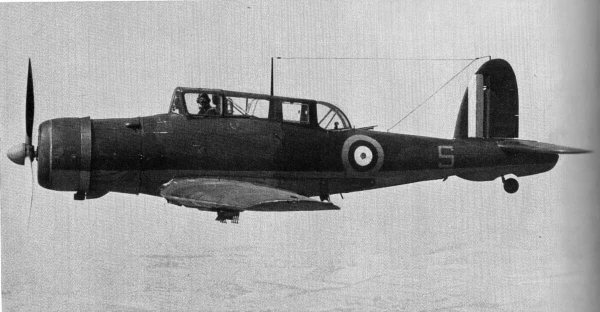
Bergen — the Skuas at extreme range
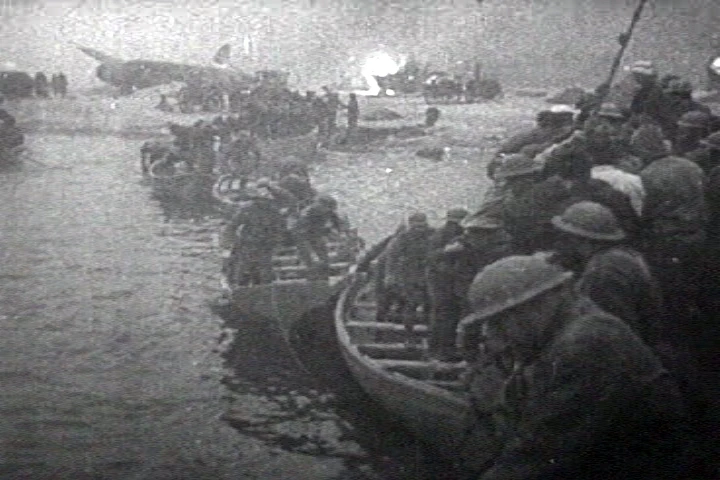
Ramsay — Dover, 14:23
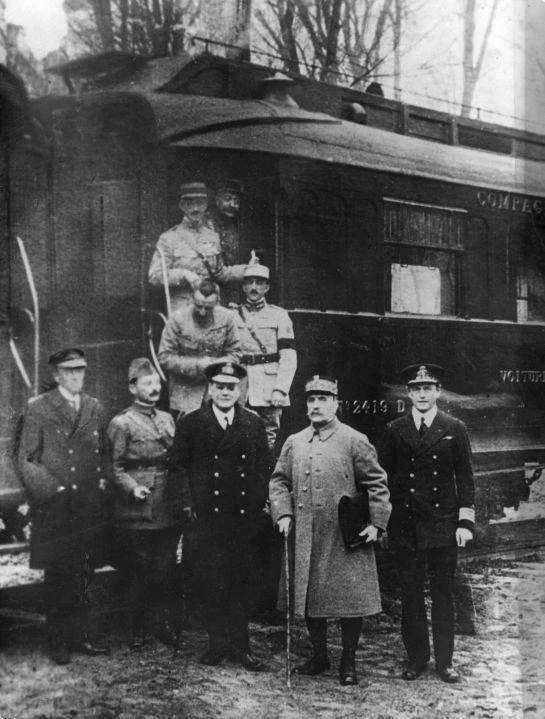
Rethondes — Article 8 on the Fleet
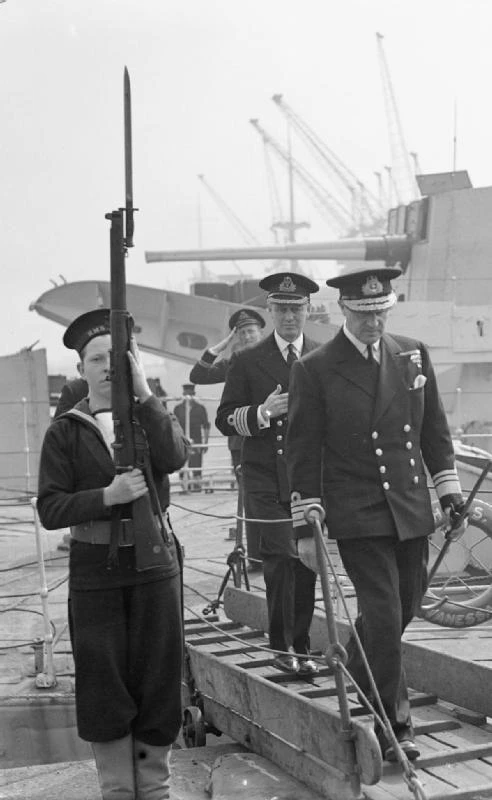
Whitworth and the Warspite — 13 April
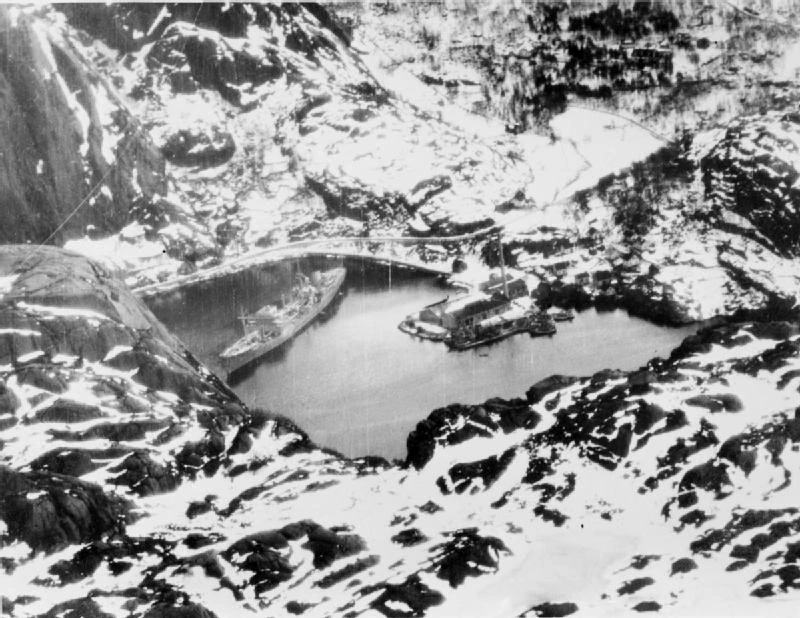
The Altmark affair
Borakowski and the merchant fleet
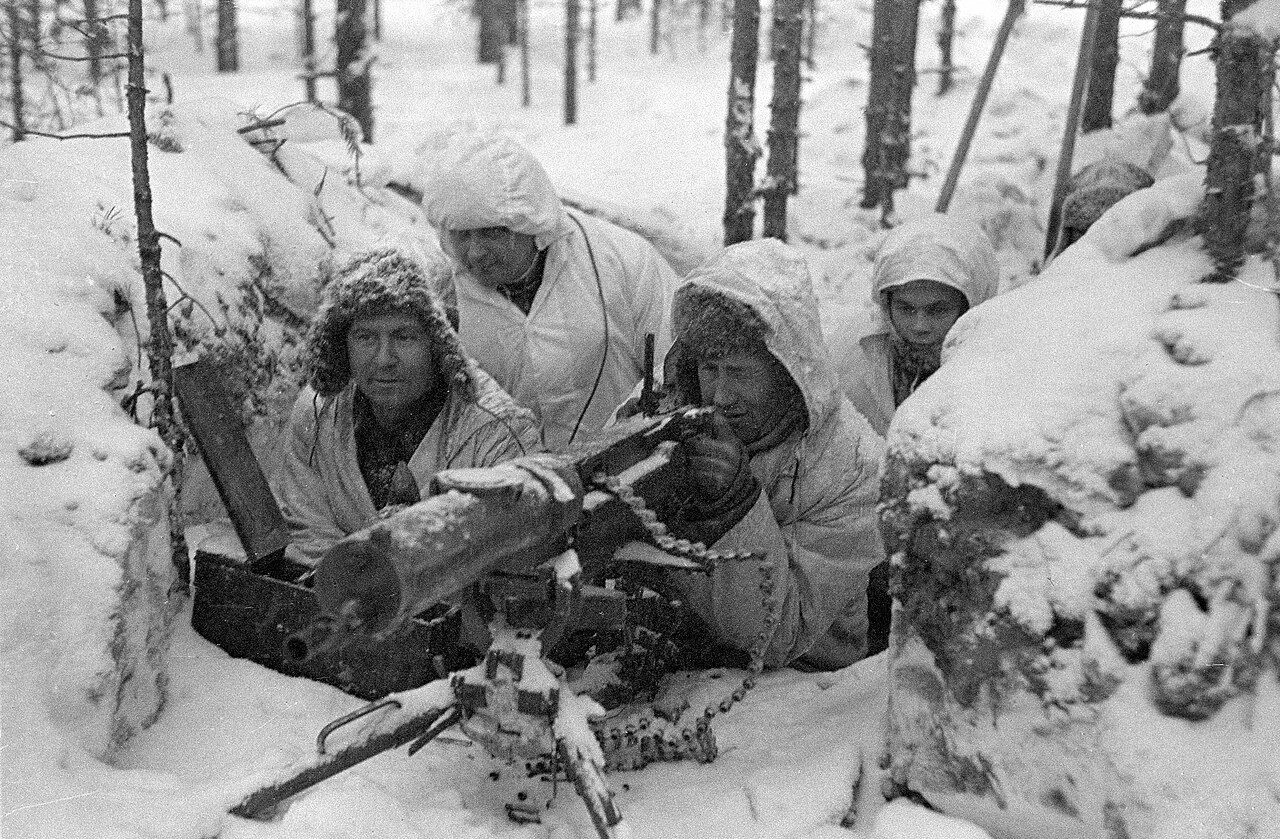
The Supreme Allied Council faces Finland
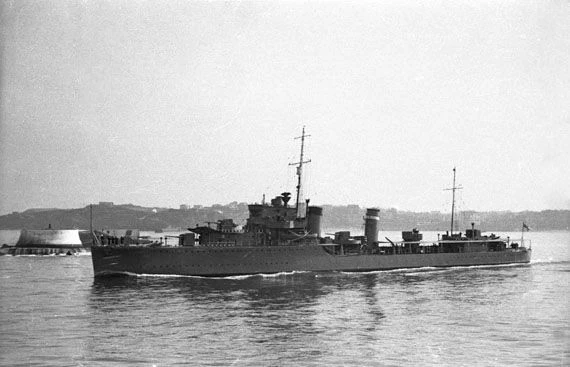
HMS Exmouth in the Moray Firth
Boisson Faces the Squadron — Dakar, 23 September 1940
Mers-el-Kébir
Bergen — the Skuas at extreme range
Ramsay — Dover, 14:23
Rethondes — Article 8 on the Fleet
Whitworth and the Warspite — 13 April
The Altmark affair
Borakowski and the merchant fleet
The Supreme Allied Council faces Finland