
The wire or the wave: how to command fire
Heir to 1918, the French Army built its doctrine on the "methodical battle": a deliberate advance, regulated in stages, in which centralized artillery crushes the enemy before each infantry bound. This way of fighting rests on a dense network of field telephone lines, judged reliable and impossible to intercept or jam.
But the coming war promises to be more mobile. Wire takes time to lay, is cut under bombardment, and pins units to prepared positions. Radio, by contrast, follows the movement and transmits in a few seconds, at the price of vulnerability to jamming and enemy interception.
On the eve of the conflict, the general staff must decide: on what will the command and ranging of fire rest once the maneuver is under way?
On which mode of transmission should the French Army base the command and ranging of its artillery?
The French Army kept the wire telephone as the backbone of its signals and retained a heavily centralized conduct of fire, inherited from the "methodical battle" of 1918. Radio existed and some French sets were of good quality, but they were few in number, their use was deliberately restricted (radio-discretion instructions to avoid interception), and doctrine favored links by wire and by runners. In May-June 1940, facing a Wehrmacht that made massive use of radio to react quickly, wire lines that were cut or outrun by the speed of the German advance contributed to the paralysis of the French command. Primary source: , The Seeds of Disaster: The Development of French Army Doctrine, 1919-39.
Learn more about this event
Related polls
10
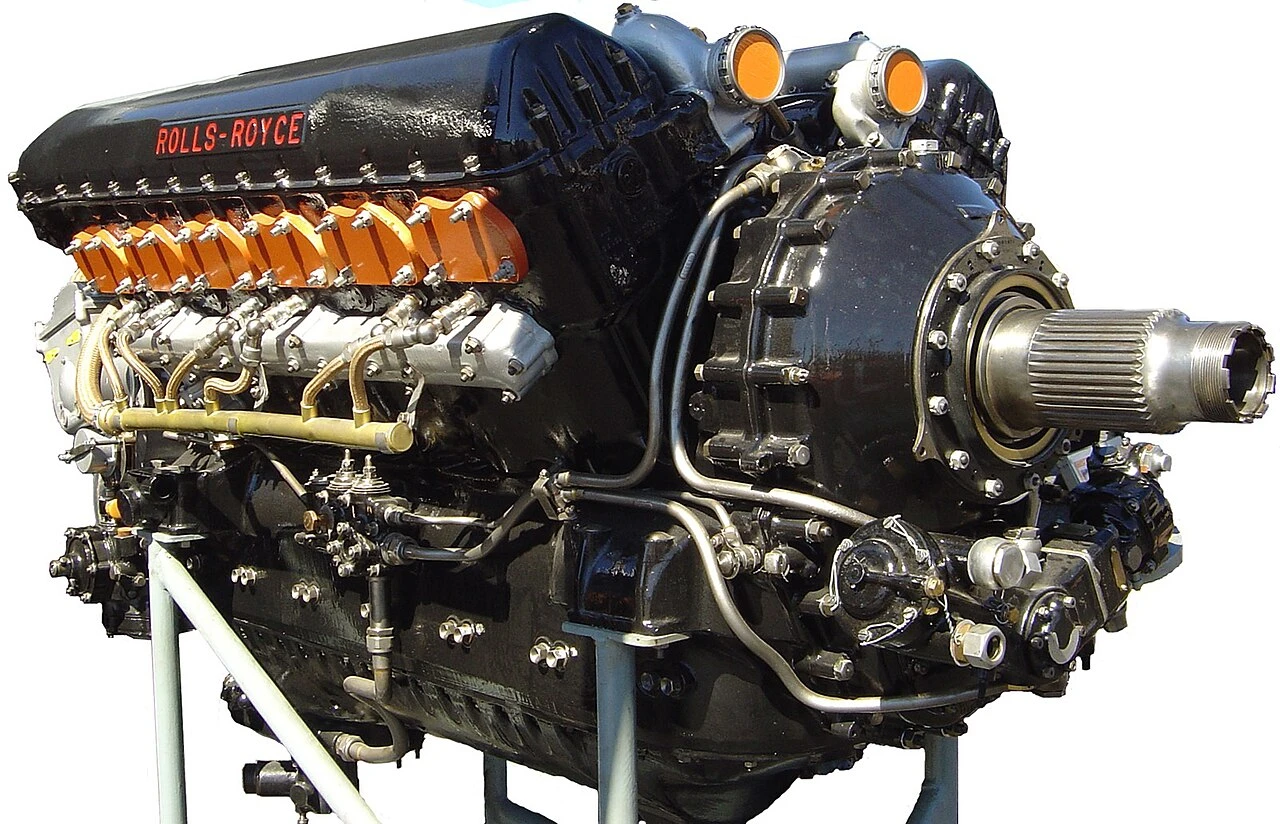
Car assembly lines for an aircraft engine
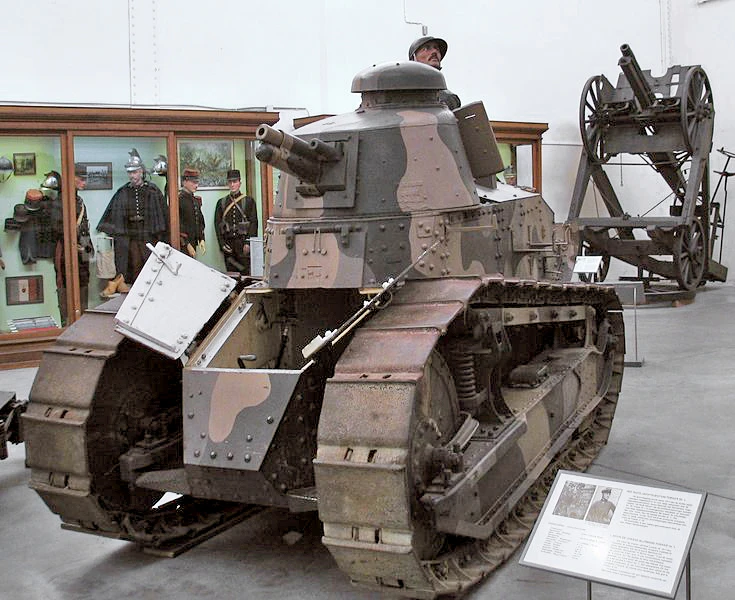
The tank of the future or the tanks of today?
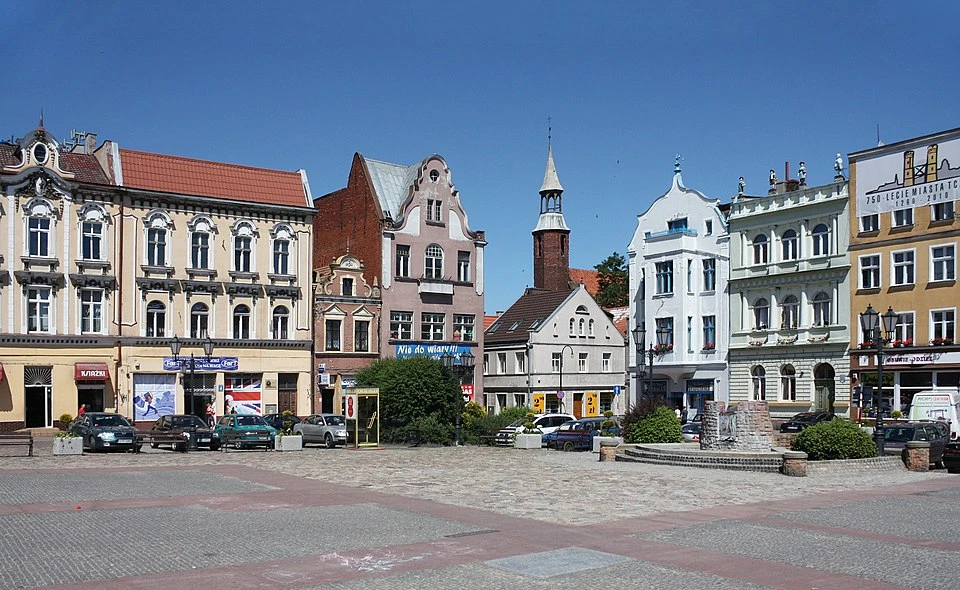
The Tczew bridge — Janik and the detonator
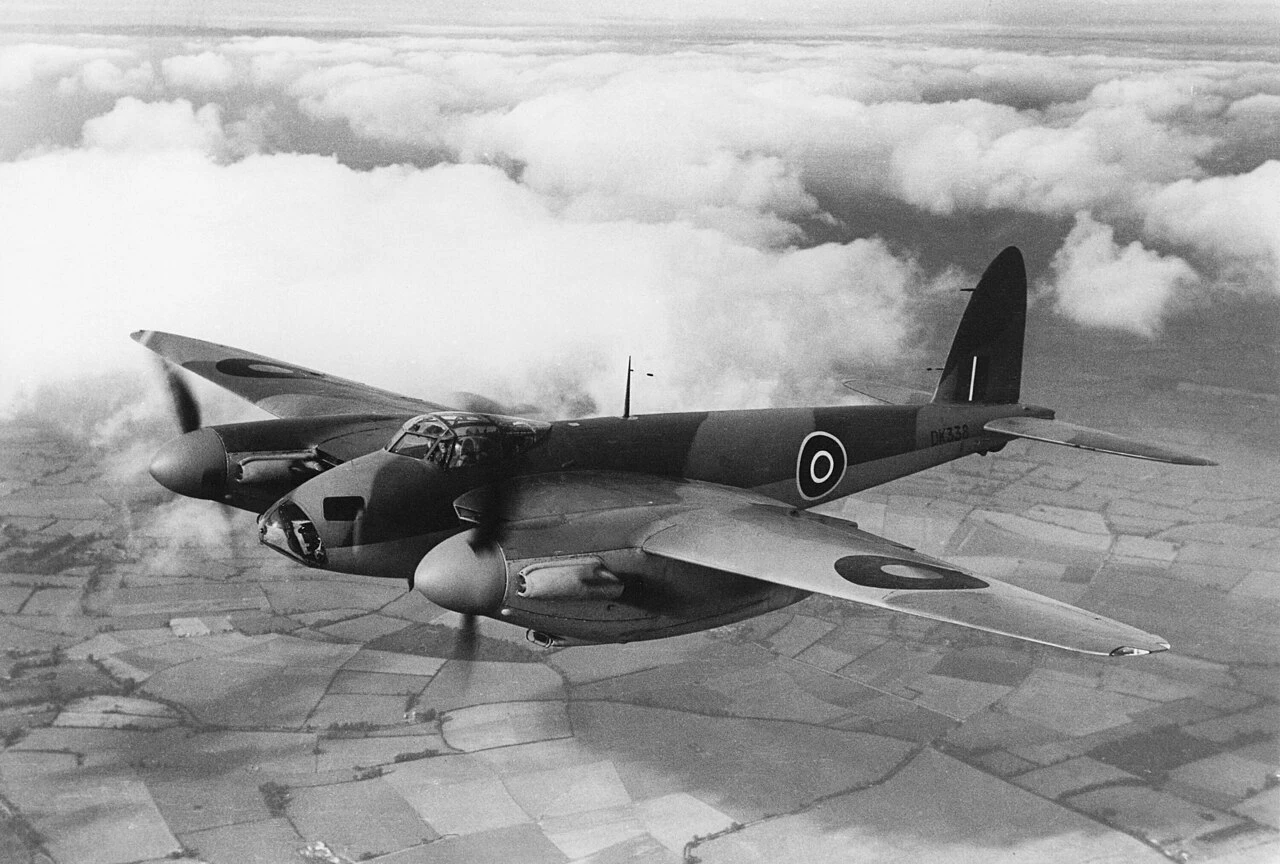
An all-wood combat aircraft
Enigma — the Pyry conference
The French engineers at Sedan
The sappers and the Loire bridges
Whittle and the Jet Engine
Chain Home — the Invisible Wall
The Forbidden Zone of Alsace — what to do with the civilians of the Rhine?
Car assembly lines for an aircraft engine
The tank of the future or the tanks of today?
The Tczew bridge — Janik and the detonator
An all-wood combat aircraft
Enigma — the Pyry conference
The French engineers at Sedan
The sappers and the Loire bridges
Whittle and the Jet Engine
Chain Home — the Invisible Wall