
Since September 1940, General has shared power with 's Iron Guard (the Legion) in a 'National Legionary State' undermined by rivalries. The Legionaries multiply violence, murders and seizures of the economy; Antonescu, concerned with order and backed by the army and Berlin, wants to bring them to heel. Hitler, who needs a stable Romania as a rear base and oil supplier before Barbarossa, clearly prefers Antonescu to Legionary agitation.
On 20 January 1941 the murder of a German officer in Bucharest serves as the spark. Antonescu decides to curtail the Legionaries' powers and to dismiss their men from key posts. The Legion then rises openly against him: barricades, occupation of public buildings, street fighting in the capital.
Antonescu faces a decisive choice: crush by force the rebellion of his own ally, at the risk of civil war and alienating part of the far right; come to terms with Sima to preserve the coalition; or hand the matter over to German arbitration. The fate of the regime and order in a country key to the Axis are at stake.
Faced with the Iron Guard's uprising, what should Antonescu do?
Antonescu chose A, with Hitler's blessing: the army crushed the Legionary rebellion in three days (21-23 January 1941). But during those days the Legionaries unleashed a pogrom of extreme savagery in the Jewish quarters of Bucharest: between 125 and 151 Jews murdered according to the sources, dozens executed in the Jilava forest and in the municipal slaughterhouse, synagogues and hundreds of shops looted. The Iron Guard was then dissolved, thousands of its members imprisoned — for rebellion, not for the pogrom — and fled to Germany. Antonescu, now sole master, would commit Romania to Barbarossa alongside the Reich and bear a heavy responsibility in the extermination of the Jews of Romania and the occupied territories.
Learn more about this event
Related polls
10
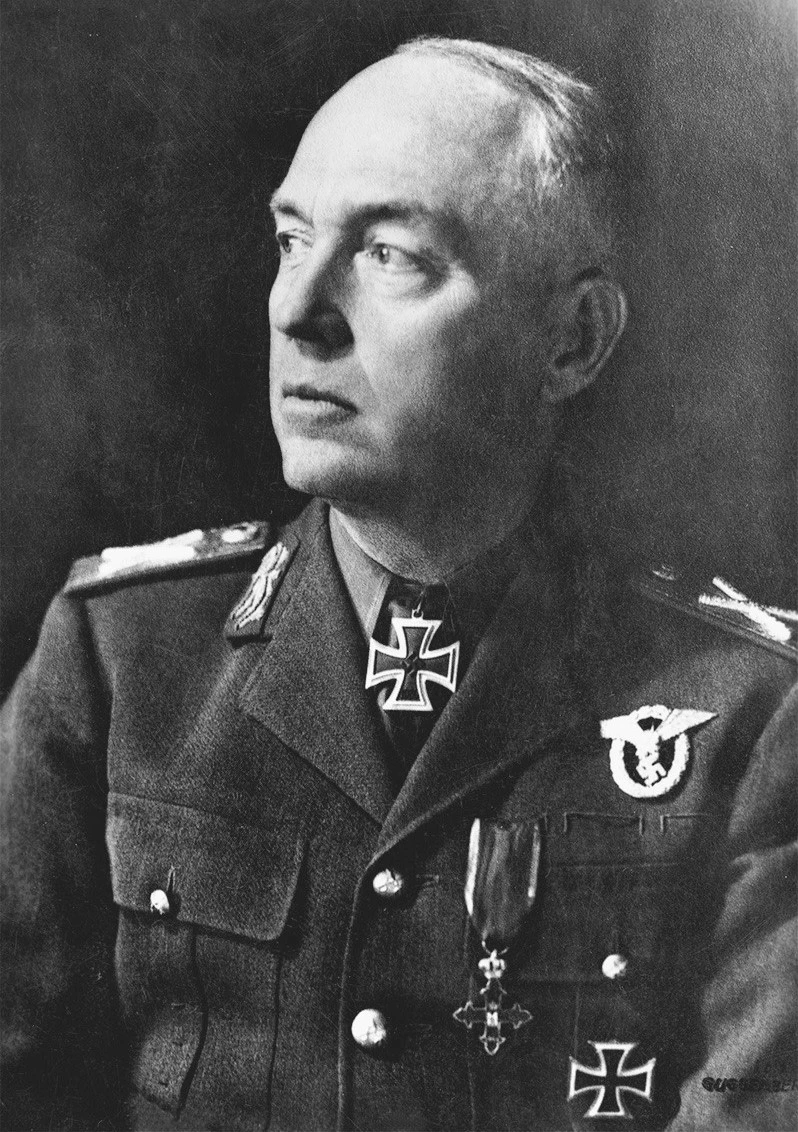
Antonescu and the Iron Guard — Bucharest
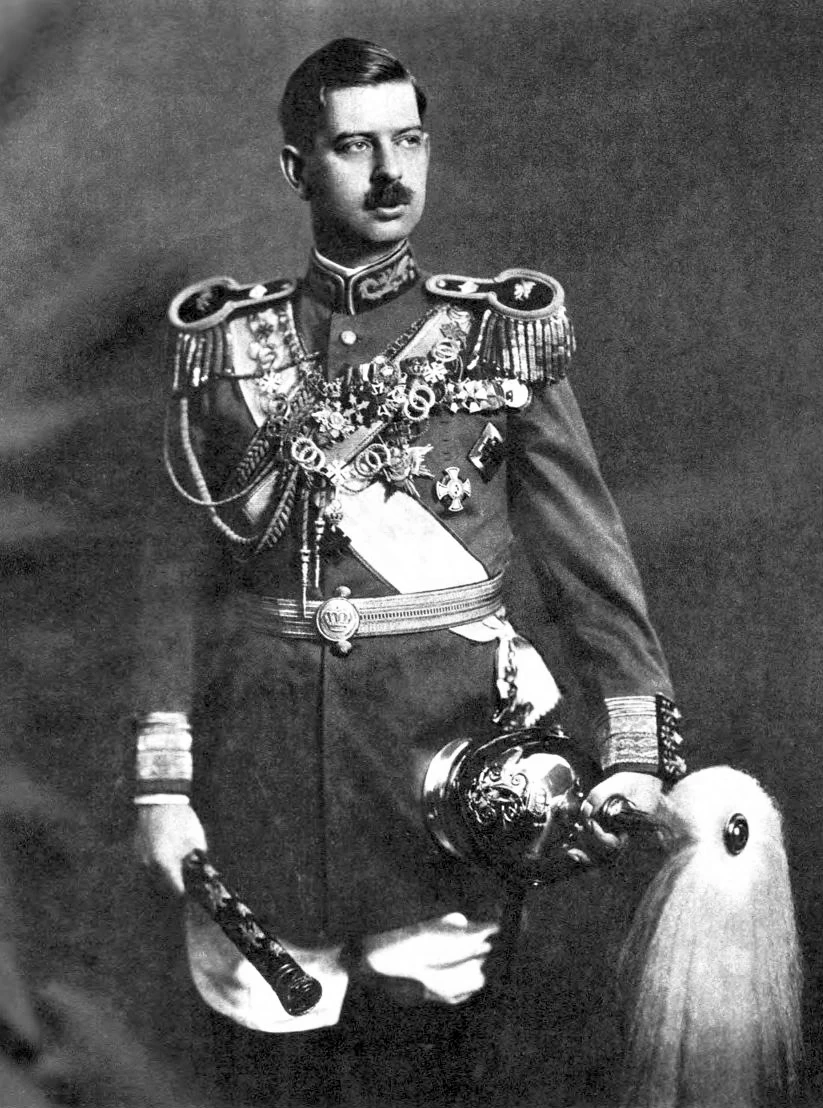
Carol II Against Antonescu — Bucharest, 6 September 1940
Mussolini in the winter of debacle
'Where is Prien?' — the fate of a hero
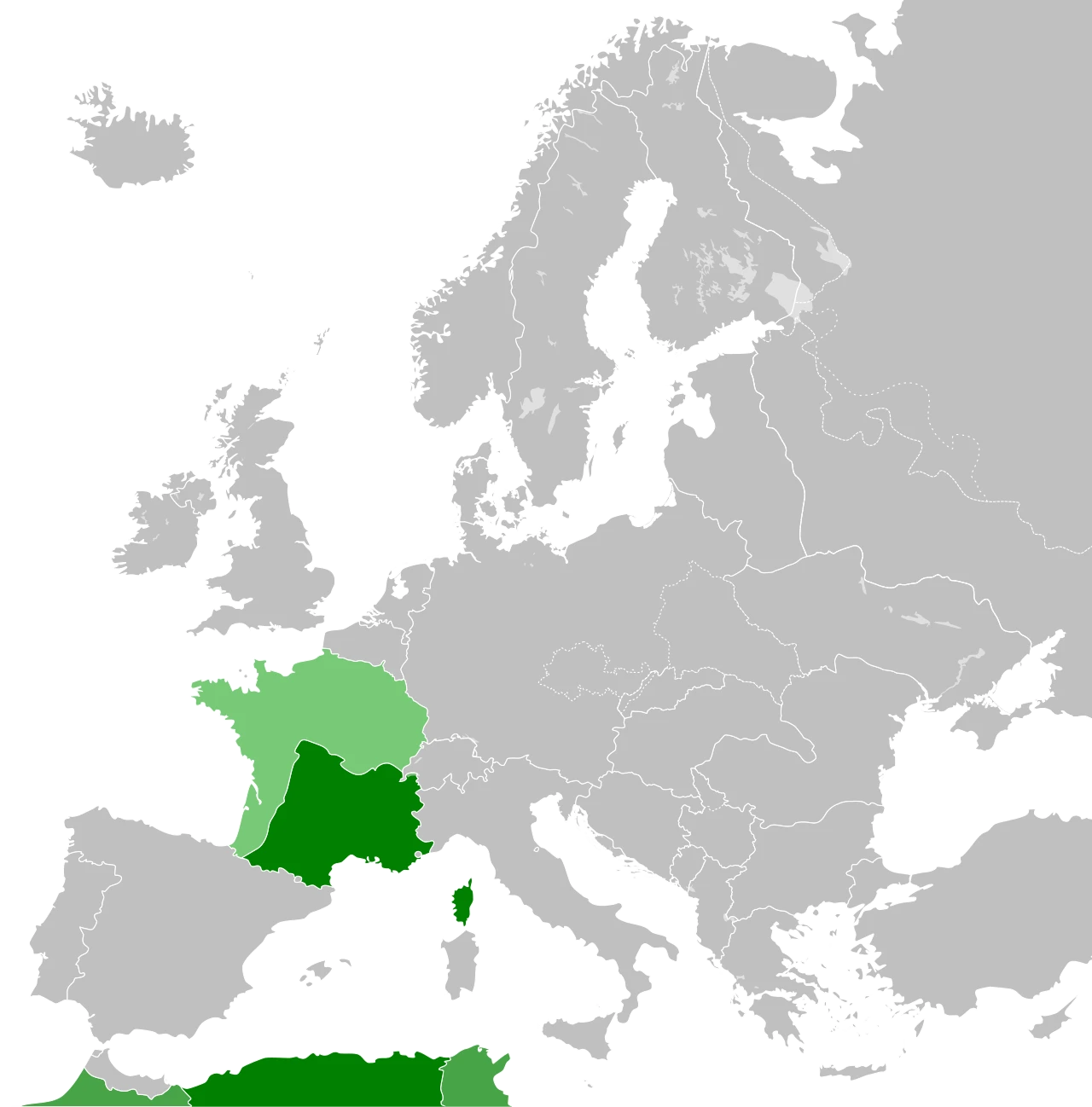
Vichy, 13 December — the fate of the dauphin
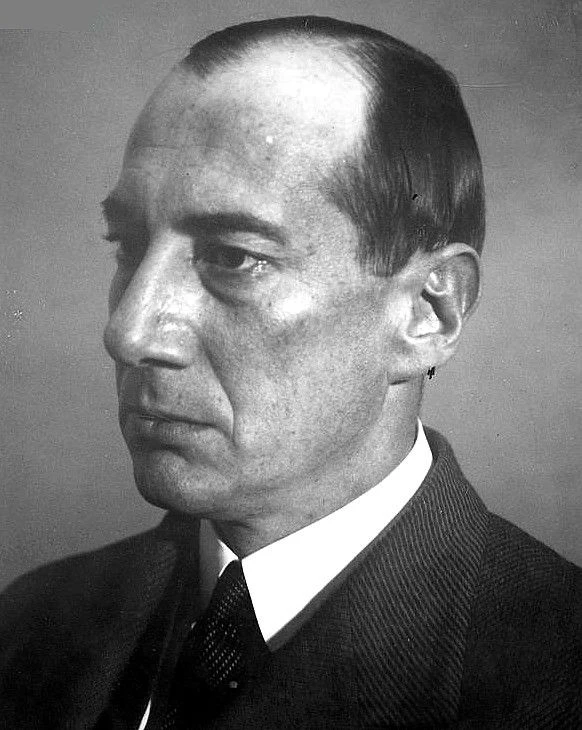
Beck in Bucharest — the Internee
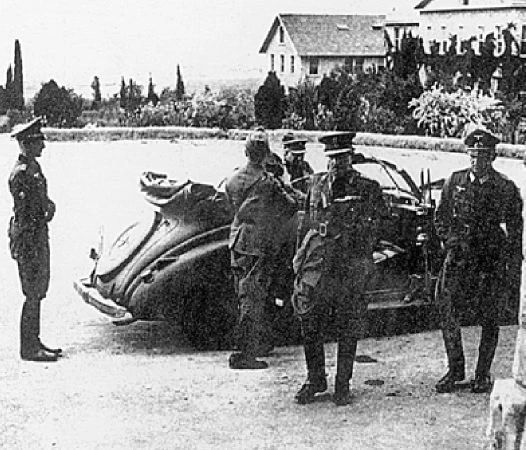
Tsolakoglou and the surrender of the Greek army
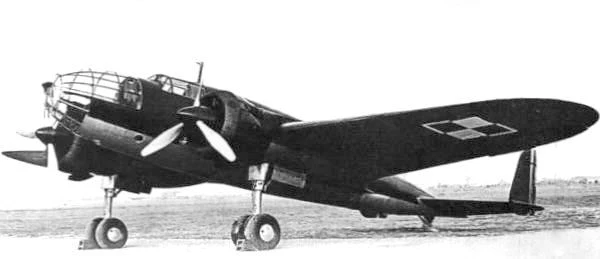
Carol II in Bucharest — the Romanian balance
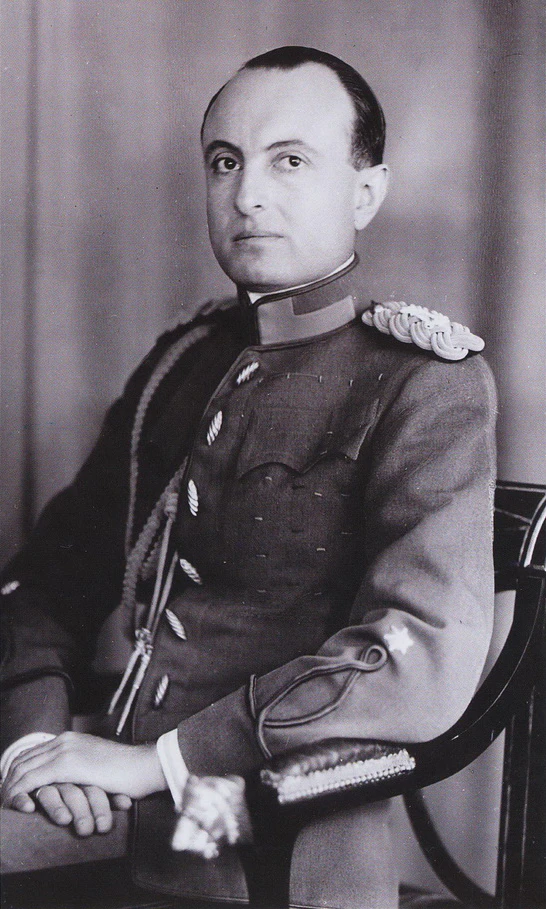
How long to stand up to Berlin
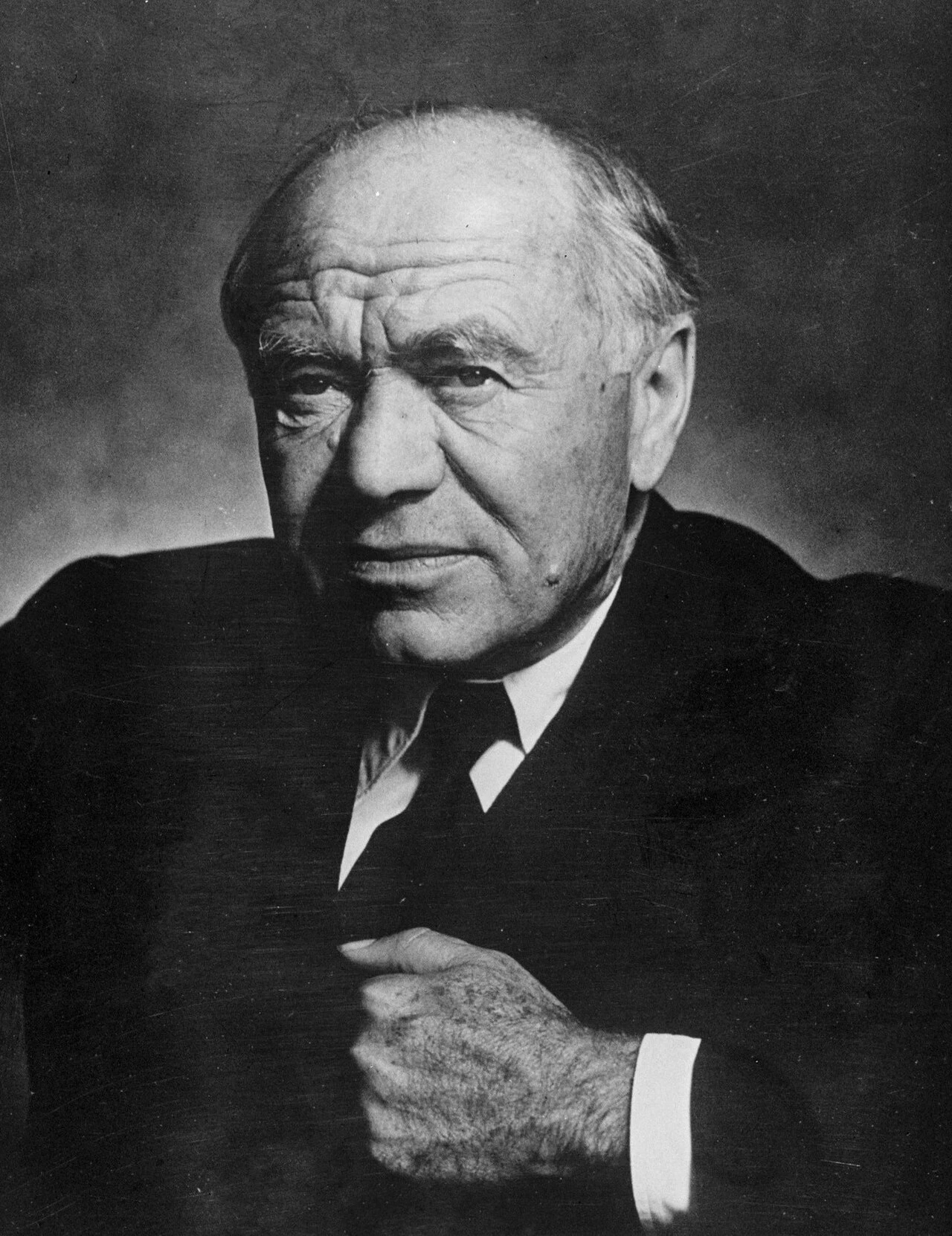
Casting Out the Victors — Air Ministry, November 1940
Antonescu and the Iron Guard — Bucharest
Carol II Against Antonescu — Bucharest, 6 September 1940
Mussolini in the winter of debacle
'Where is Prien?' — the fate of a hero
Vichy, 13 December — the fate of the dauphin
Beck in Bucharest — the Internee
Tsolakoglou and the surrender of the Greek army
Carol II in Bucharest — the Romanian balance
How long to stand up to Berlin