
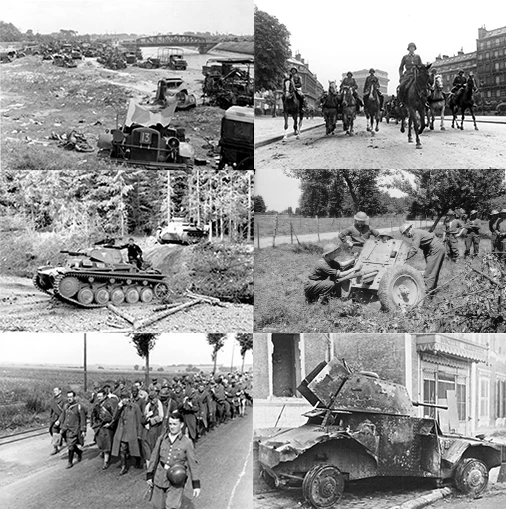
An officer of the Luftwaffe planning staff, in Berlin, must, in May 1940, formulate a doctrinal recommendation. The question goes beyond a specific target: it is a matter of fixing a line of conduct for the use of air power against the enemy.
The Luftwaffe was designed first as an aviation supporting the ground armies. But it also has a fleet of bombers — Heinkel He 111, Dornier Do 17, Junkers Ju 88 — capable of striking far behind the front. The precedent exists: in September 1939, the bombing of Warsaw crushed a besieged capital to break its resistance.
Two schools clash within the staffs. One argues for confining the bombers to military objectives: airfields, railways, depots, troops. The other holds that deliberately striking cities and civilian population can break the adversary's morale and hasten its surrender — the "line" that leads from Warsaw to the cities of the West.
The western offensive is launched. The officer must settle the doctrine to recommend.
Should you make deliberate bombing of cities to break civilian morale a doctrine, or stick to military objectives alone?
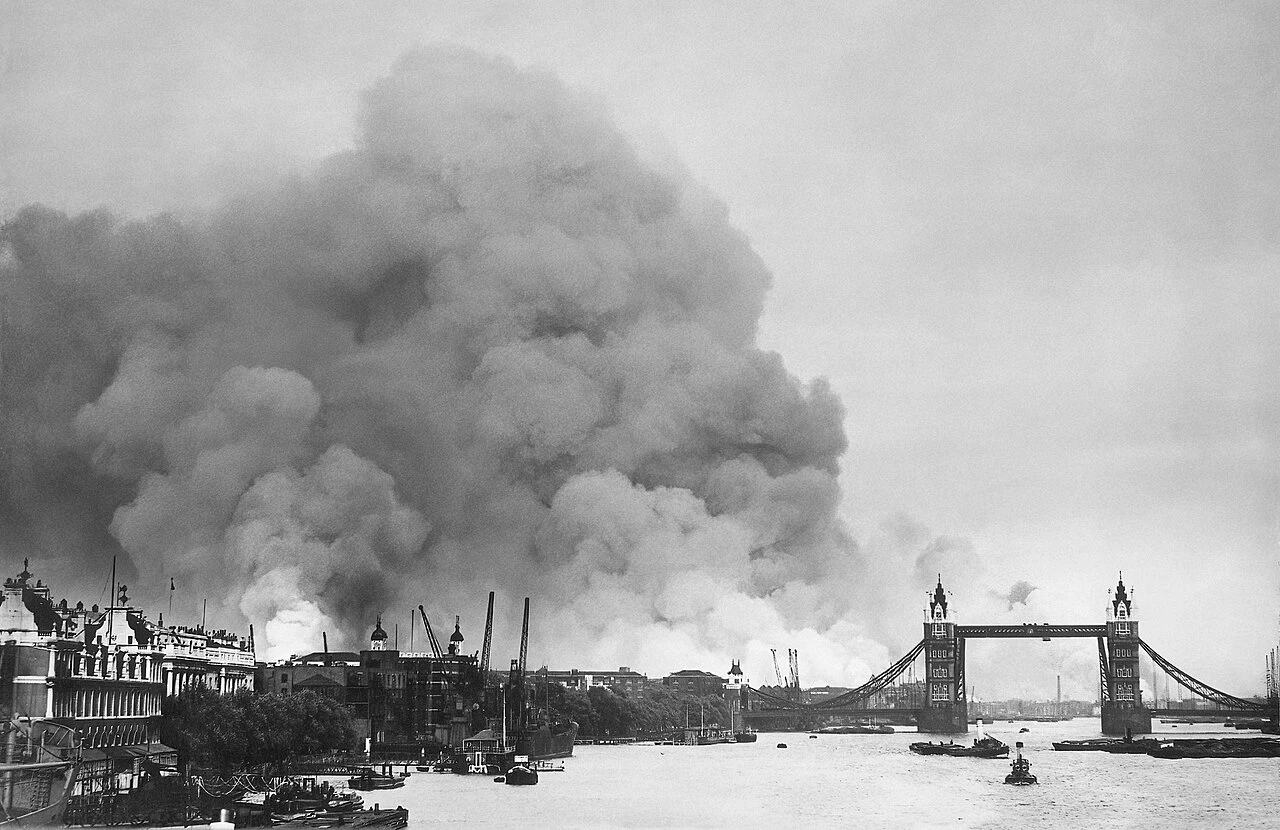
The doctrine slid toward A, by successive shifts rather than by a single text. On 14 May 1940, Rotterdam was bombed while surrender talks were under way: roughly 850 dead, the heart of the city razed, and Dutch capitulation precipitated the next day. The lesson drawn by part of the staff: aerial terror "paid." From Rotterdam to the Blitz on British cities from September 1940, the Luftwaffe assumed the targeting of populations. But the weapon proved double-edged: the Blitz would cause around 43,000 civilian dead without breaking Britain, and would legitimise in return the Allied bombing offensive on German cities. The controversy over the real effectiveness of terror bombing would run through the entire war.
Learn more about this event
Related polls
10
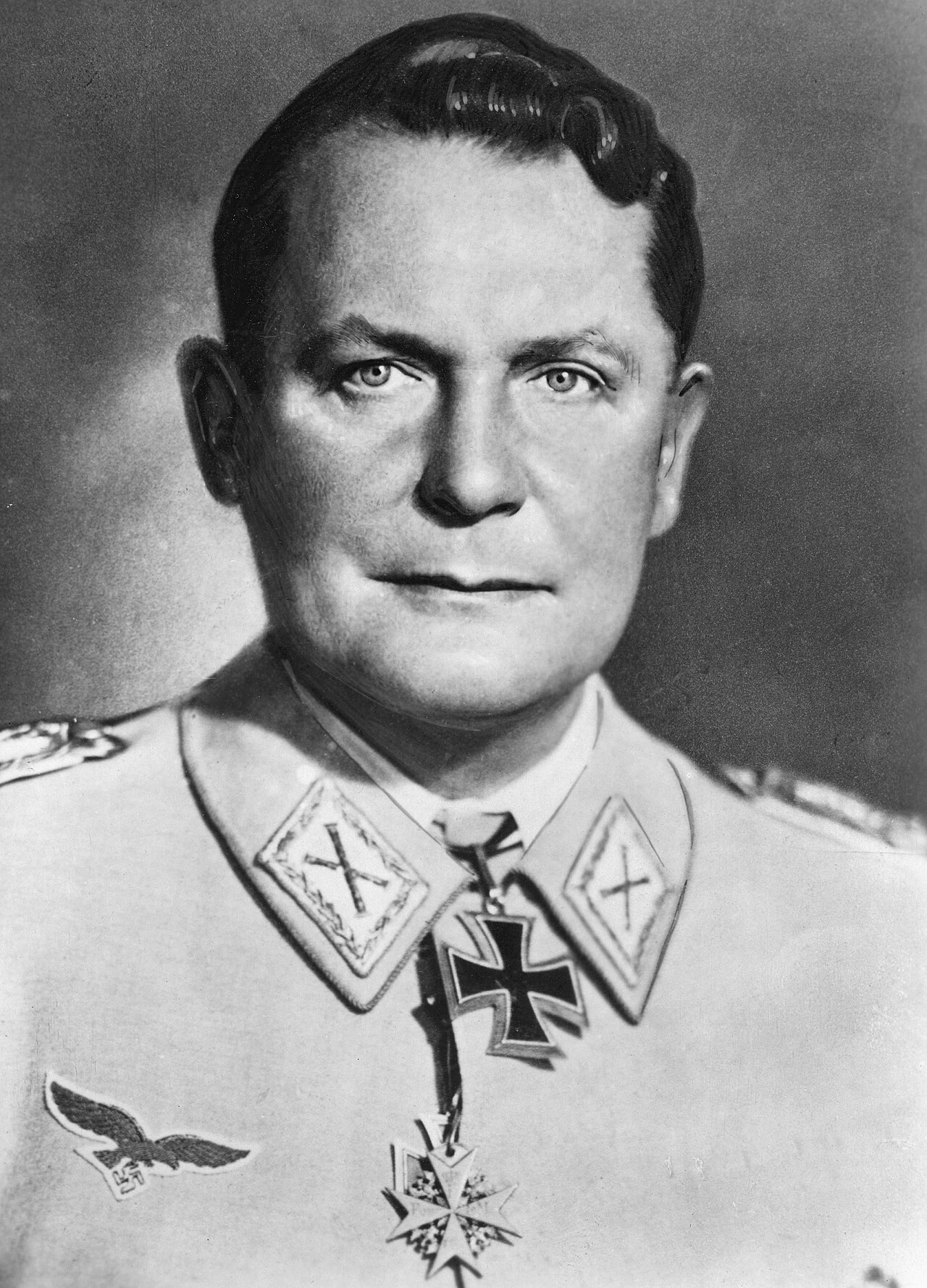
Goering at Carinhall — the promise to Hitler
Adlertag — which targets?
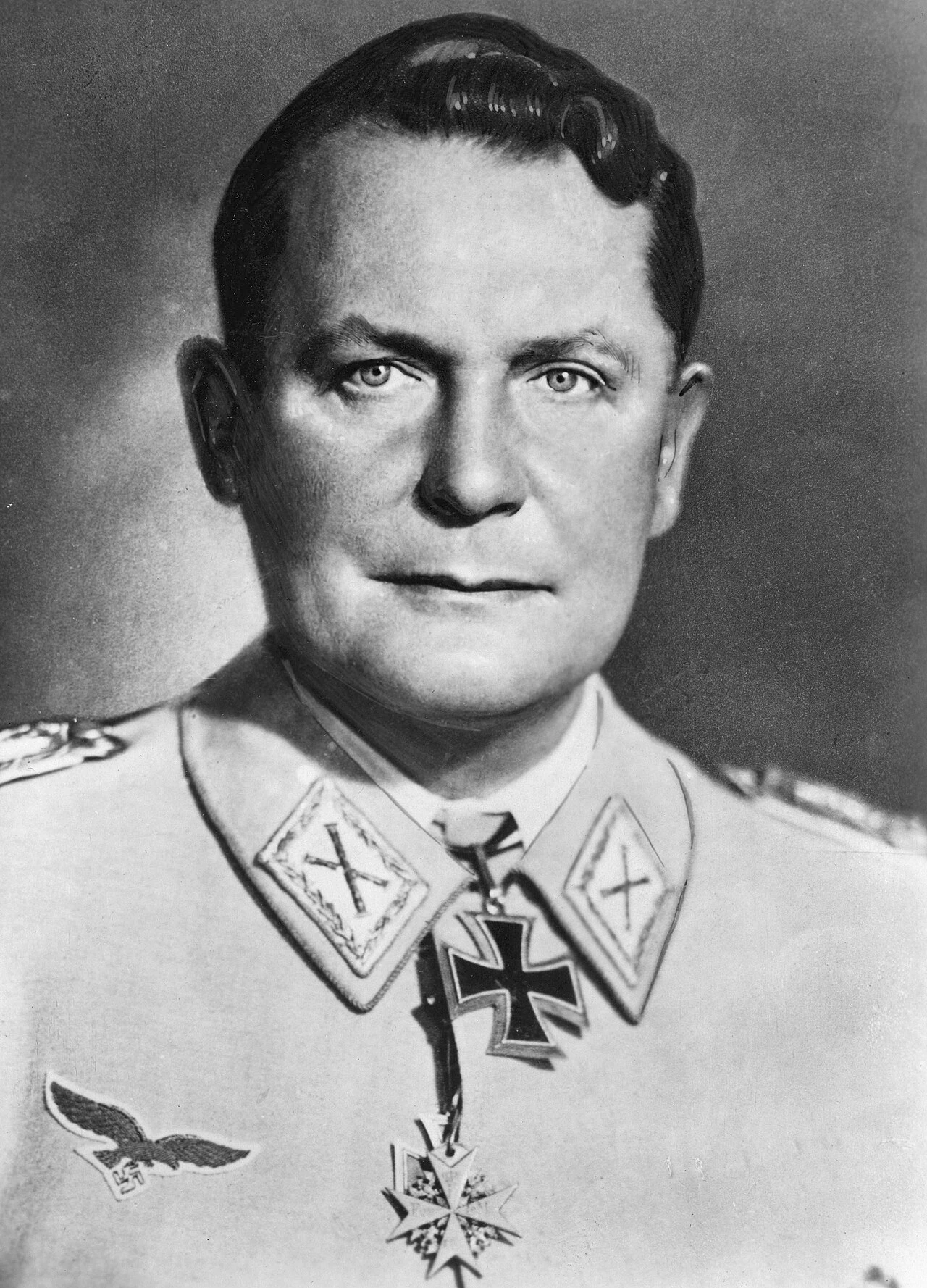
Göring's promise — Operation Adler
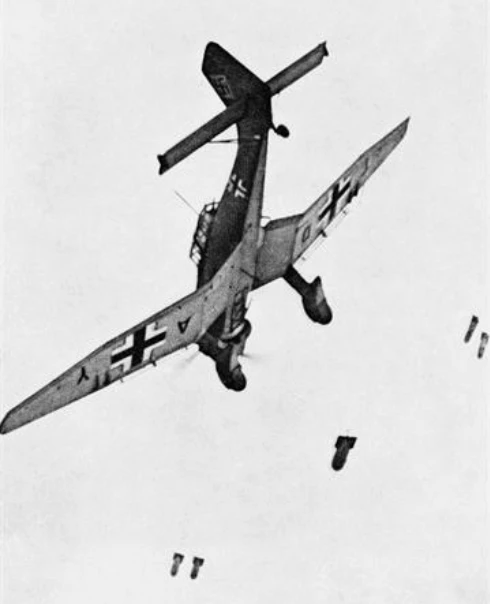
Withdrawing the Stukas
Fall Gelb — the order of 9 May 20:00
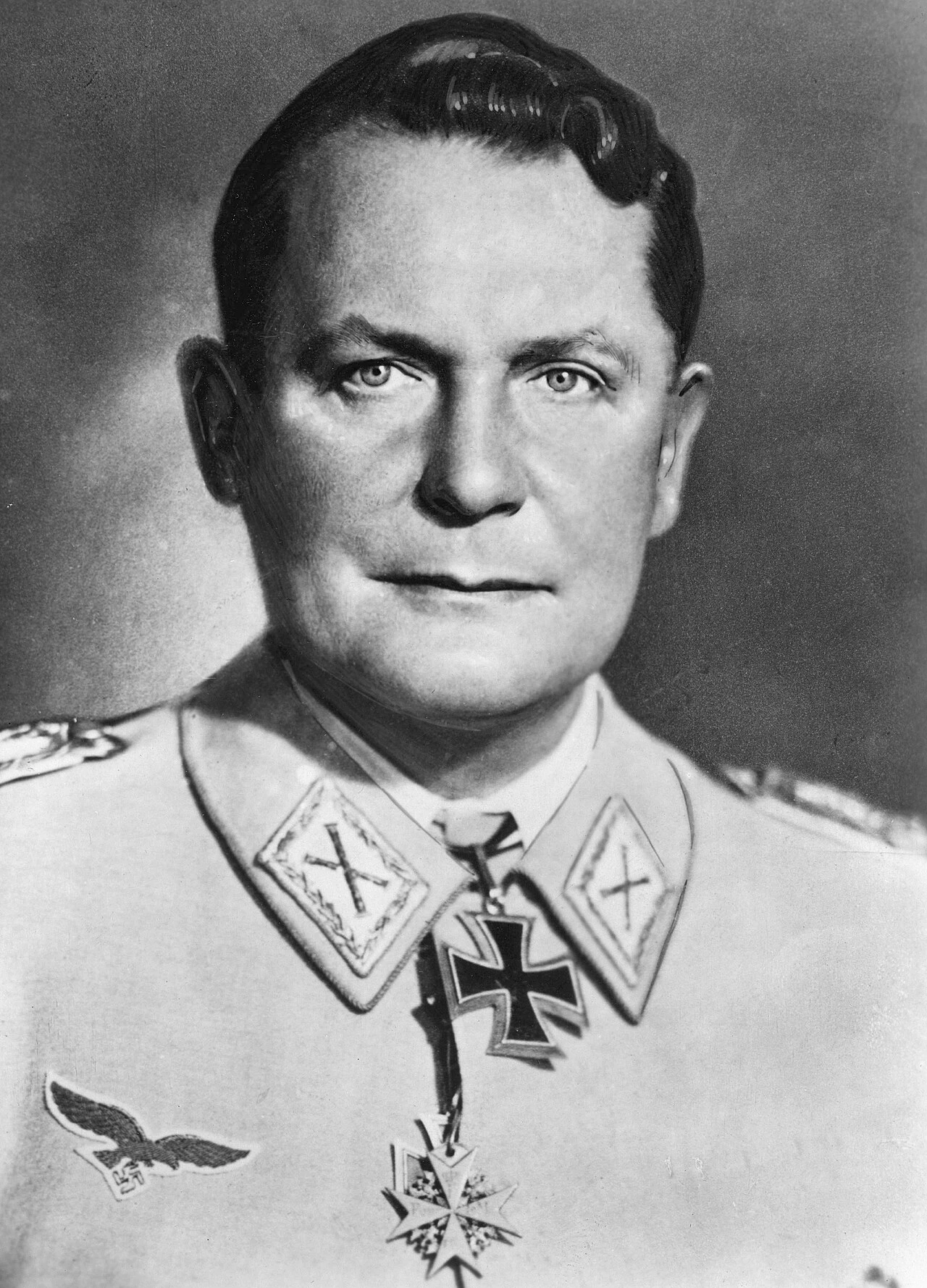
Göring at Cap Gris-Nez — September 7
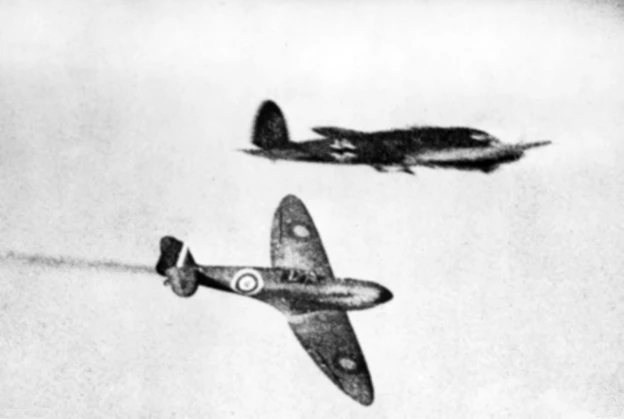
Eagle Day
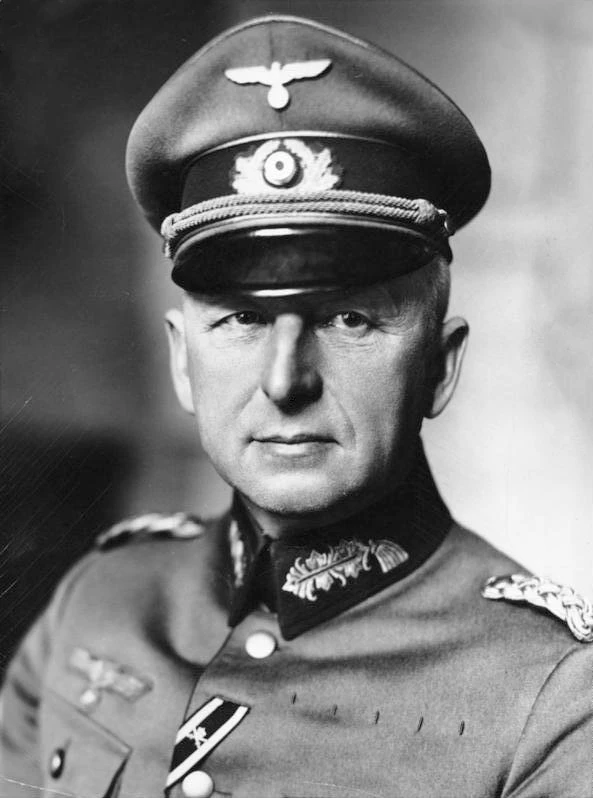
Manstein watches his plan — Koblenz, 10 May
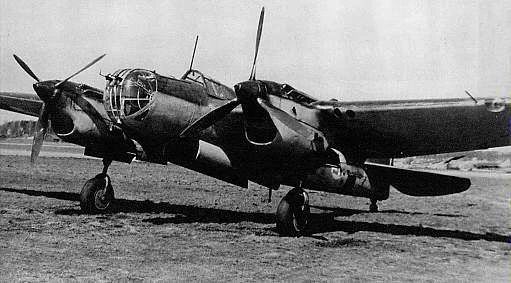
Smushkevich — report to Stalin
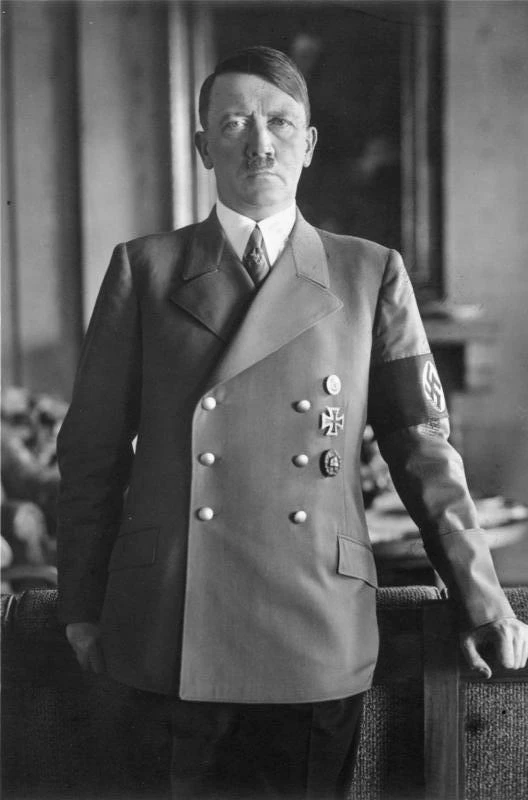
Hitler at the Felsennest — the anguish of the flanks
Goering at Carinhall — the promise to Hitler
Adlertag — which targets?
Göring's promise — Operation Adler
Withdrawing the Stukas
Fall Gelb — the order of 9 May 20:00
Göring at Cap Gris-Nez — September 7
Eagle Day
Manstein watches his plan — Koblenz, 10 May
Smushkevich — report to Stalin