
Piotrkow — Tenenberg Facing the Judenrat
Piotrkow Trybunalski, 51,000 inhabitants in 1939 of whom 15,000 are Jews (29 per cent of the population), is one of the oldest towns in Poland. Situated forty-seven kilometres south of Lodz, on the Warsaw-Krakow axis, it has held an important Jewish community since the fifteenth century. The Germans occupy it on 5 September 1939.
Heydrich's Express Brief of 21 September orders the concentration of the Jews in the great industrial towns. The German commissioner (SS-Hauptsturmführer of the SD), posted to Piotrkow as early as 12 September, applies the instruction with particular zeal. On 8 October 1939 he issues an ordinance creating officially the Piotrkow ghetto — the first ghetto formally established on Polish soil. The perimeter covers four streets in the centre: ulica Garncarska, Starowarszawska, Wojska Polskiego, and Pereca. Boundaries marked by wooden barriers, watched by Polish police under German tutelage (Granatowa) and the SD.
15,000 Polish Jews (residents of Piotrkow) plus 10,000 Jews deported from other towns are crammed there within two months, that is 25,000 people in a space designed for 5,000. No wall — it is an open ghetto (walls will not come until the spring of 1940, and in Warsaw in October 1940). No total isolation — inhabitants can still go out with passes, forced labour is imposed in factories and farms.
Drechsel also establishes the first institutional Polish Judenrat, headed by . Imposed mission: organise internal administration, collect fines, supply lists for forced labour, manage the food shortage (official ration: 200 calories a day).
What must Tenenberg decide as first president of the Piotrkow Judenrat?
Tenenberg essentially adopts A. The Piotrkow ghetto becomes an administrative model for the ghettos that follow. It remains open (without a wall) for three years. In October 1942, during the Great Aktion, 22,000 Jews are deported to Treblinka in five days (15-21 October 1942). 2,800 survive provisionally in a "small ghetto" (Aktion Erntefest, 1943). At the liberation in January 1945, fewer than 200 Jews of Piotrkow are alive. Tenenberg dies at Treblinka. The Piotrkow ghetto is the first of a series: Lodz (May 1940), Warsaw (November 1940), Krakow (March 1941), Bialystok (July 1941), Vilnius (September 1941), Lviv (November 1941), Minsk (July 1941). Administrative model: imposed Judenrat, Jewish police (Ordnungsdienst), local currency, industrial workshops, an official ration below vital needs. The Piotrkow ghetto is today commemorated by the local museum, but its primacy in the chronology remains largely unknown — eclipsed by Lodz and Warsaw. Recent research (, ) restores its role as a precursor.
Learn more about this event
Related polls
10
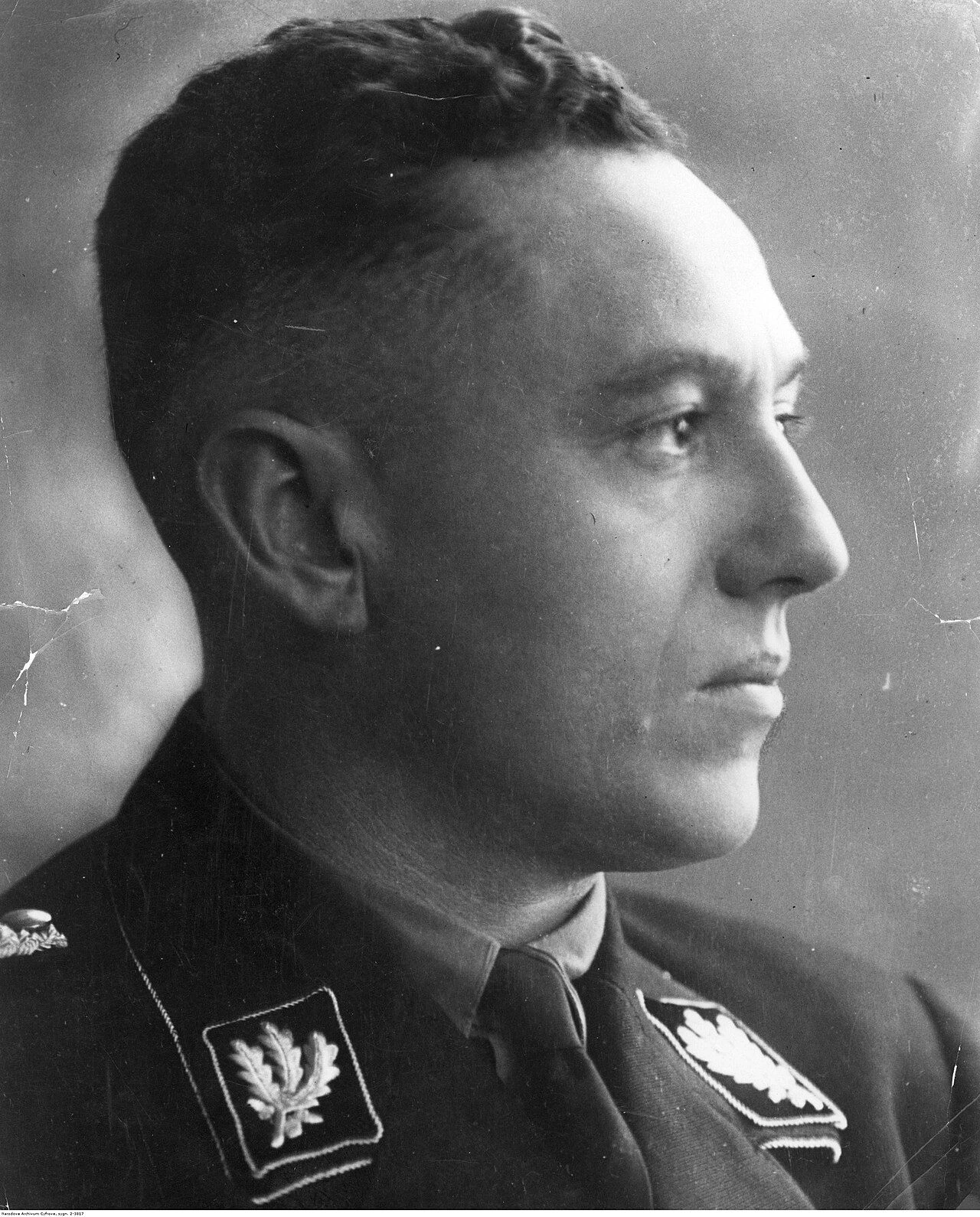
Forster — Kashubians and Kociewiacy
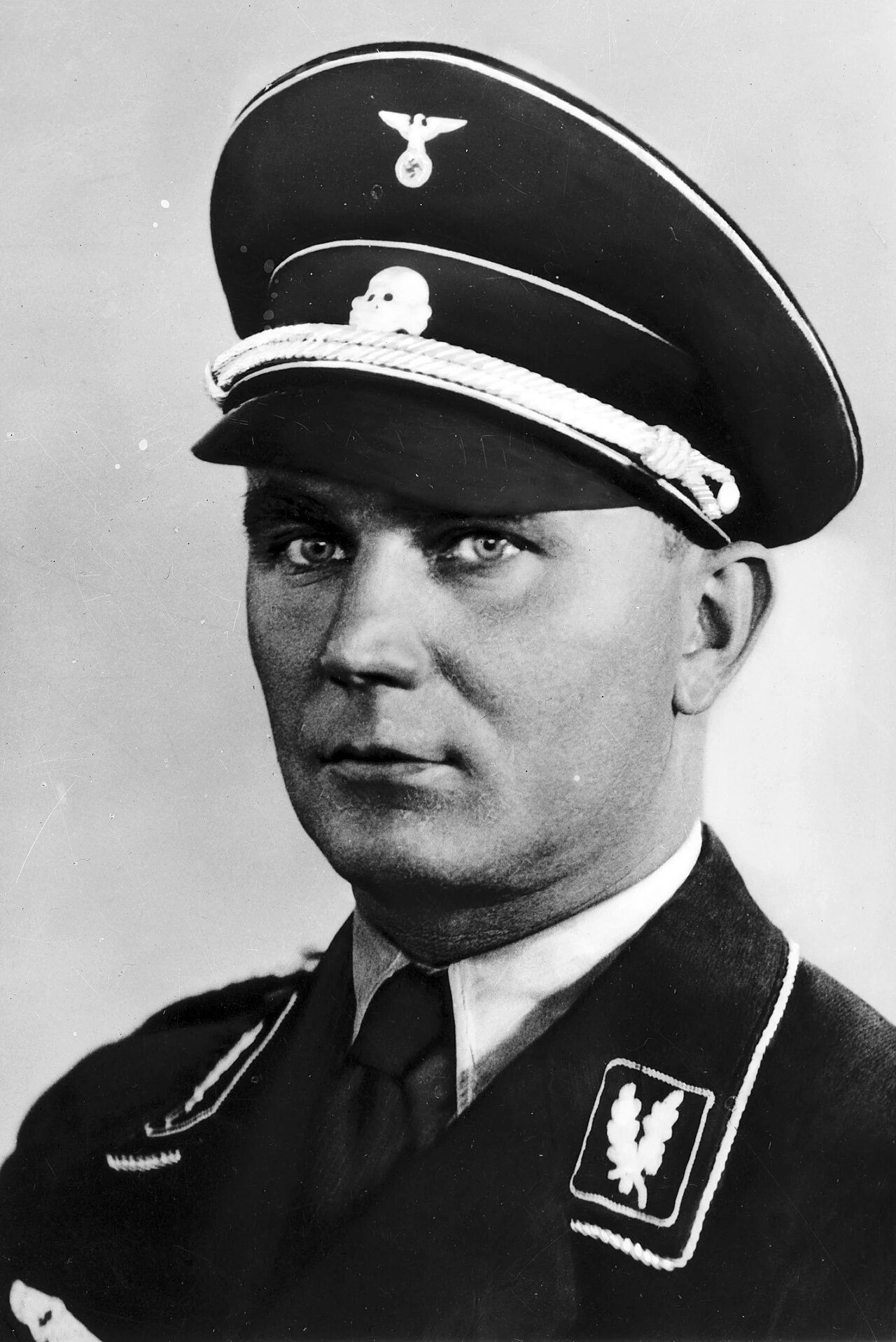
Greiser — the Priority of the Wartheland
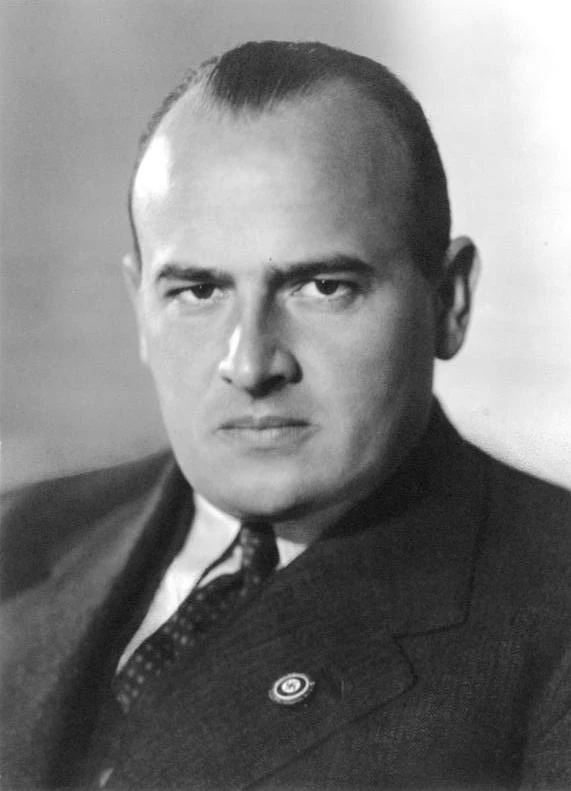
AB Aktion — planning at the Wawel
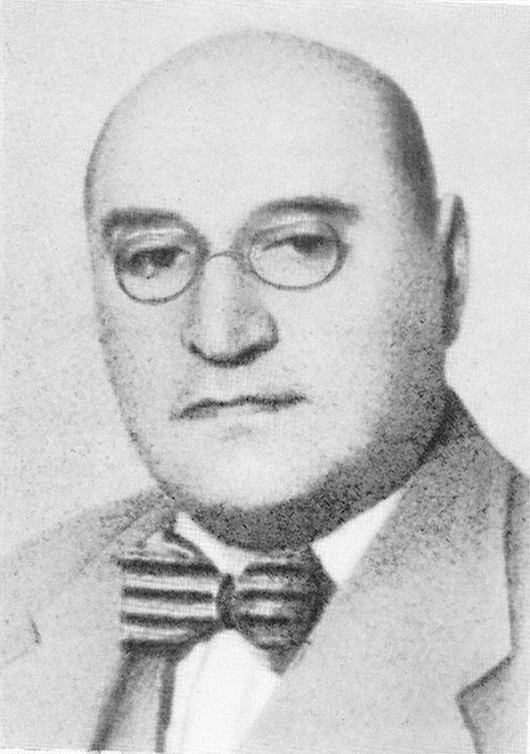
Czerniaków — the offer of the Judenrat
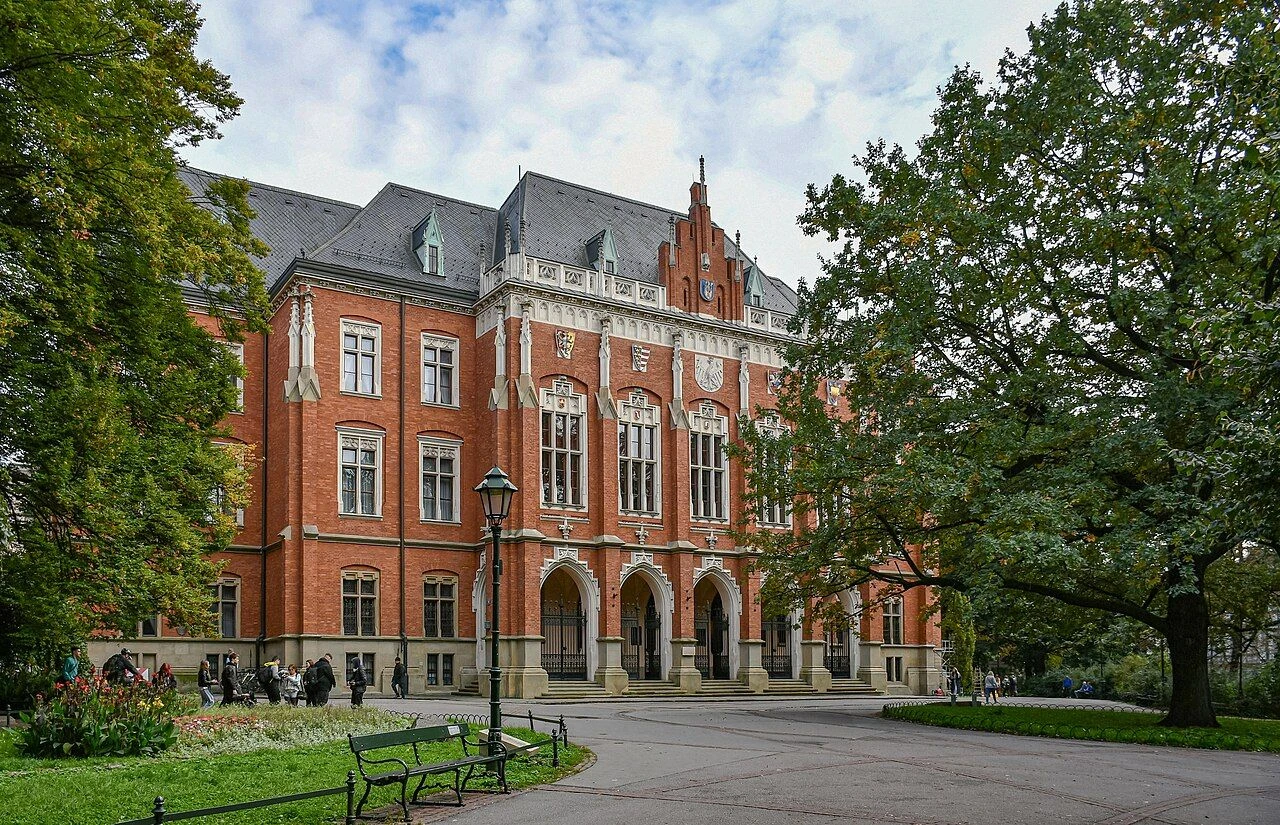
Hans Frank — the taking of the Wawel
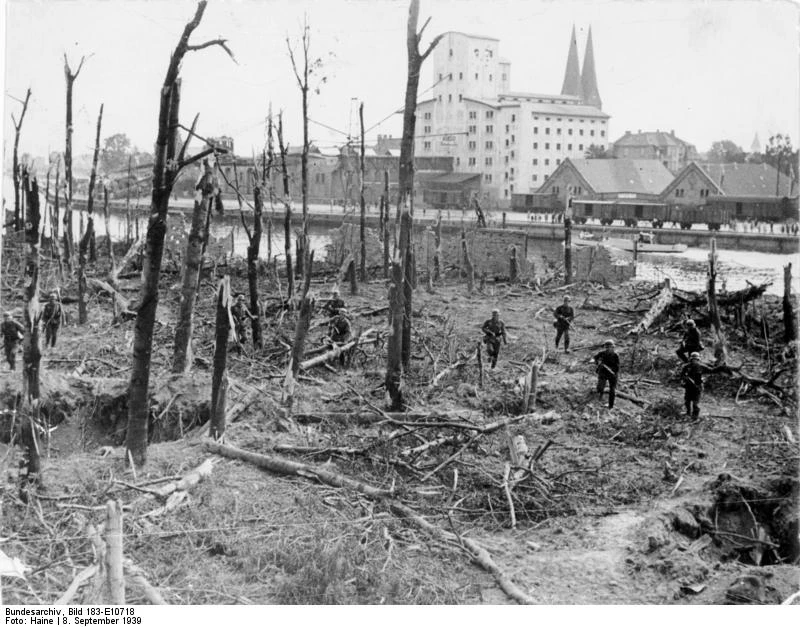
A Danzig Customs Officer on the Day of Annexation
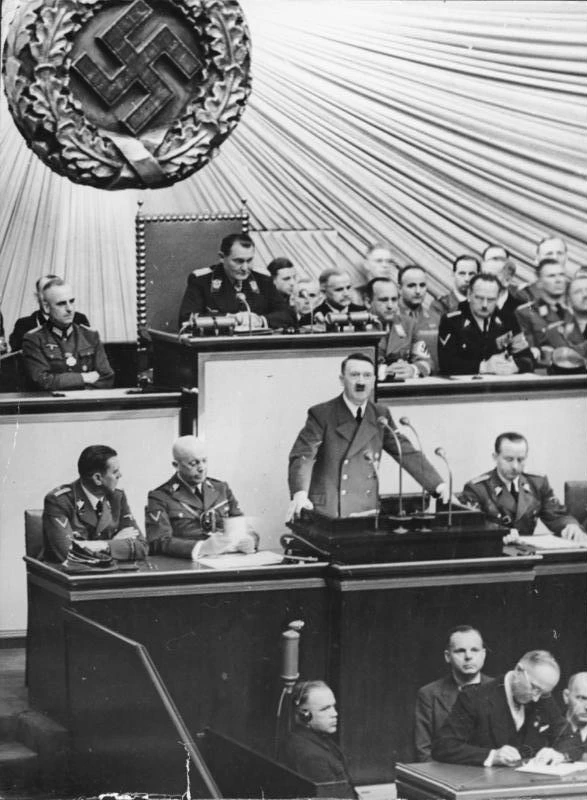
Hitler — the Reichstag Speech
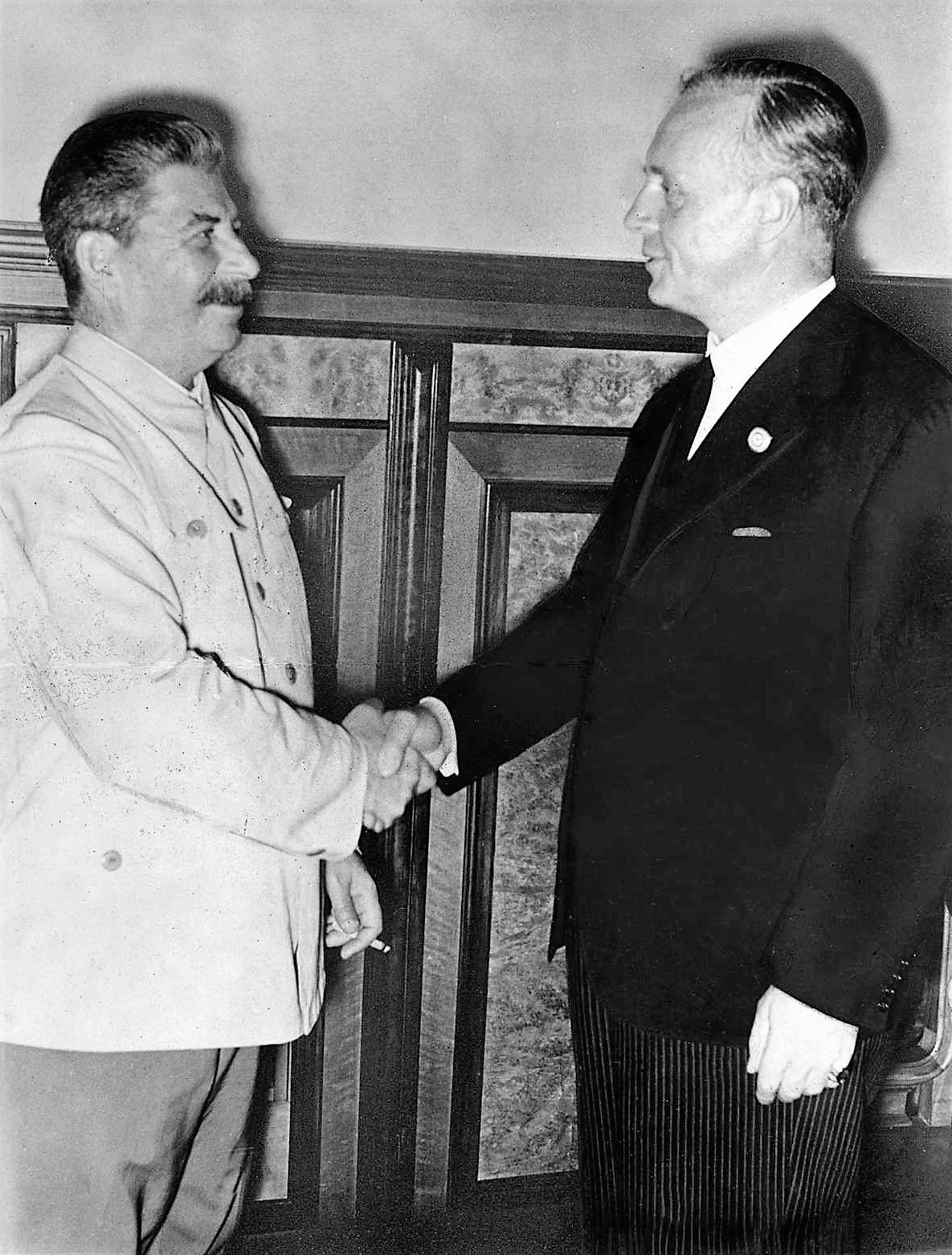
Ribbentrop in Moscow — the Accord of 28 September
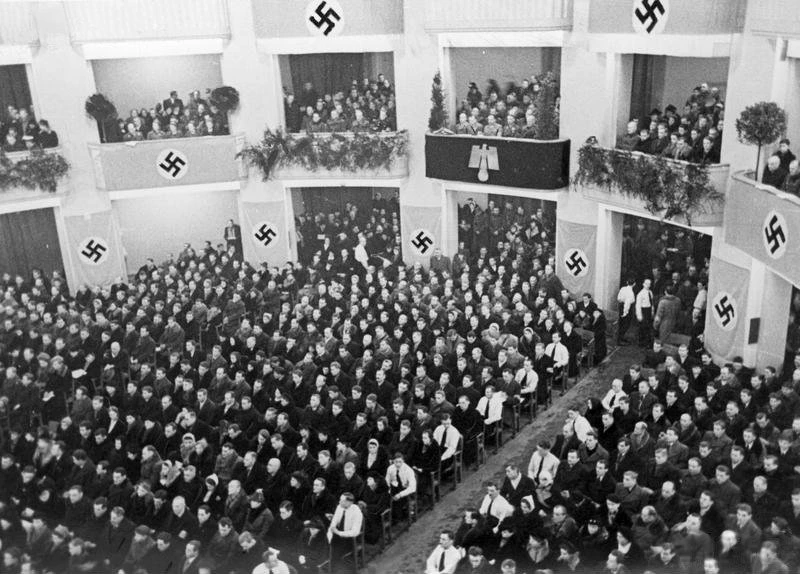
Selbstschutz — Alvensleben in Pomerania
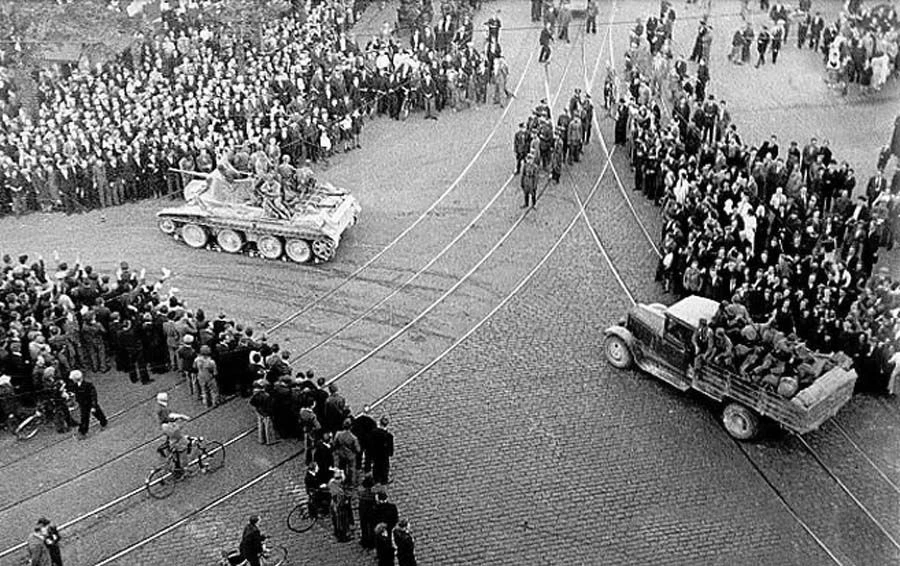
Serov — 10 February 06:00 at Lwów
Forster — Kashubians and Kociewiacy
Greiser — the Priority of the Wartheland
AB Aktion — planning at the Wawel
Czerniaków — the offer of the Judenrat
Hans Frank — the taking of the Wawel
A Danzig Customs Officer on the Day of Annexation
Hitler — the Reichstag Speech
Ribbentrop in Moscow — the Accord of 28 September
Selbstschutz — Alvensleben in Pomerania