
In the capital of the Reich, a handful of foreign correspondents try to tell the world of the march towards war. Among them is the American , of CBS radio, who also keeps a personal diary. Berlin, in late August 1939, hums with rumours: the pact with Moscow has just been signed, troops are massing, the Nazi press pours out frenzied anti-Polish propaganda.
Working under the Nazi regime is a perilous exercise. Censorship watches every dispatch; Goebbels' Propaganda Ministry stages press conferences where the facts are distorted; a journalist who is too independent risks expulsion, or worse. But to remain in place is also to be a direct witness to a historic turning point.
Shirer faces a professional and moral dilemma. Report what he sees and understands, circumventing the censorship at the risk of expulsion and of losing his vantage point? Censor himself to stay in place and go on informing, however constrained? Or leave Germany, for safety and out of a refusal to serve, even unwittingly, the propaganda machine? The choice bears on his mission as a witness.
Should Shirer defy the censorship at the risk of expulsion, censor himself to stay, or leave Berlin?
Shirer chooses a mixture of A and B: he stays in Berlin, comes to terms with the censorship for his broadcasts while recording in his diary what he cannot say on air. He will remain there until the end of 1940, delivering to the American audience invaluable reporting on Germany at war, before leaving when the pressure becomes too great. His Berlin Diary, then his monumental The Rise and Fall of the Third Reich, will be among the most widely read testimonies on the rise and zenith of Nazism. The work of the foreign correspondents of 1939 bequeathed to History a view from the inside, wrested from the censorship.
Learn more about this event
Related polls
10
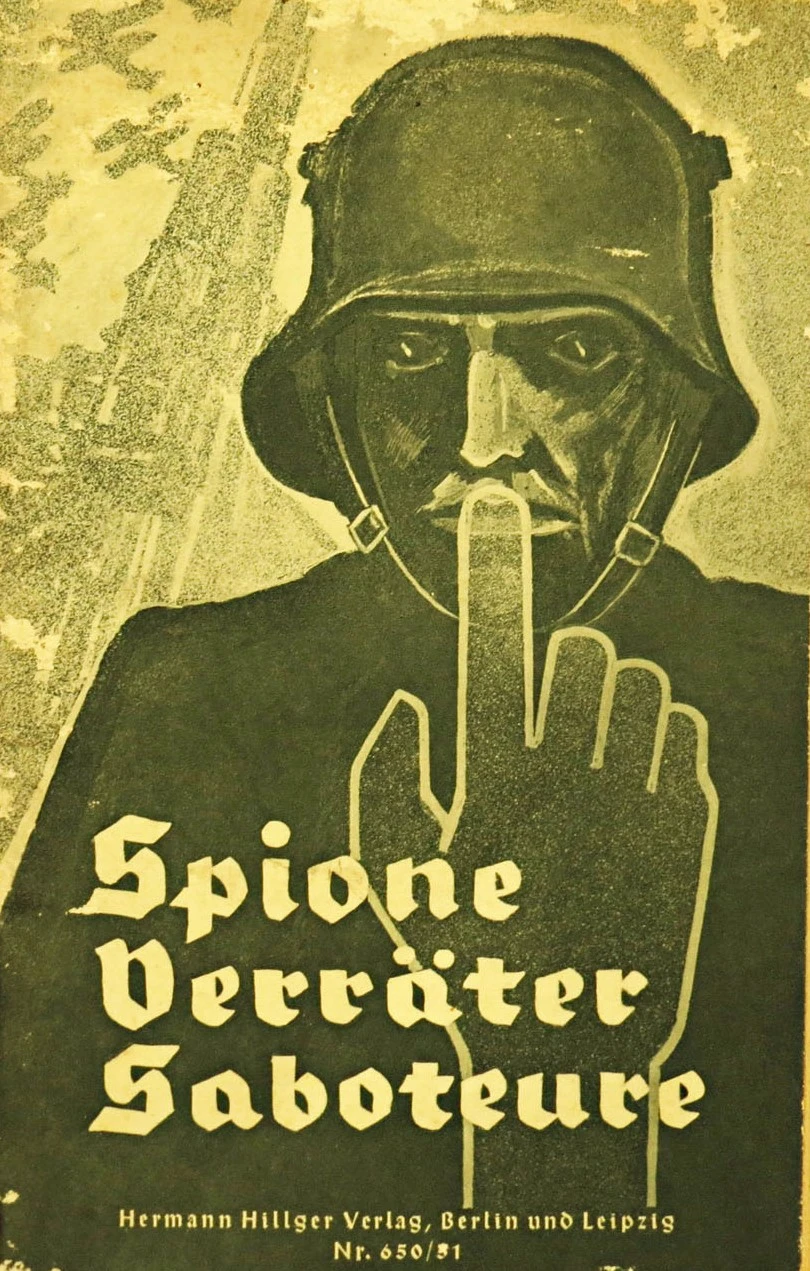
The Karten: Rationing Germany at War
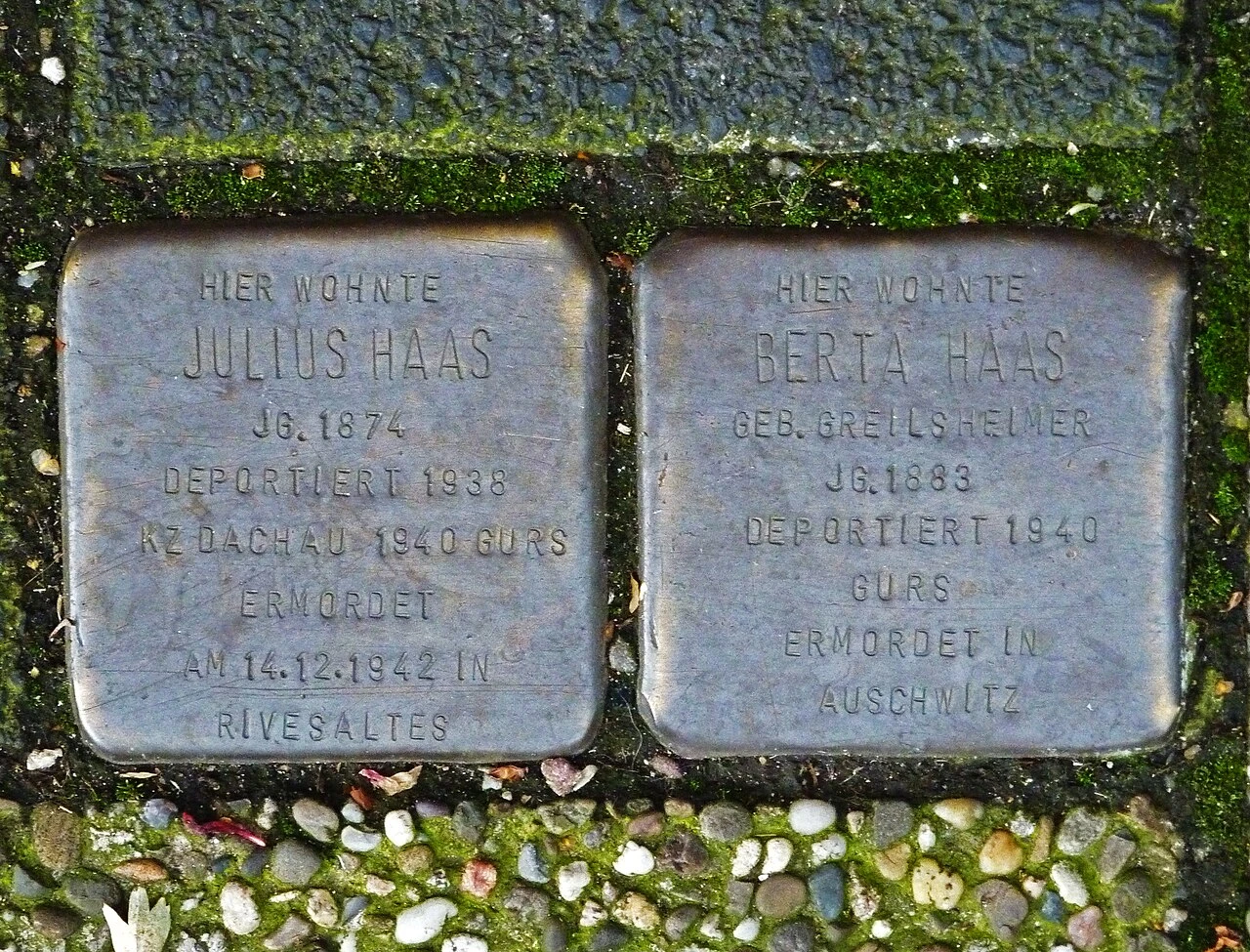
Hannah Arendt, Stateless and Interned, Facing Exile
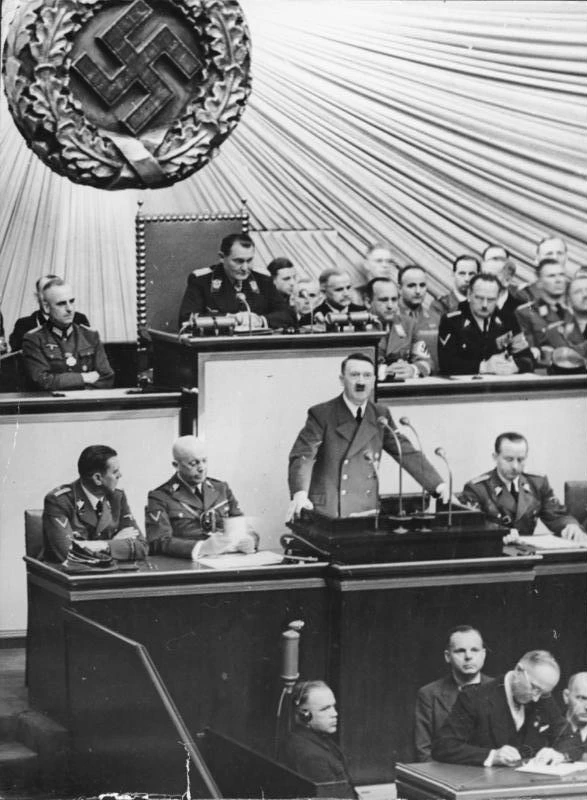
Hitler — the Reichstag Speech
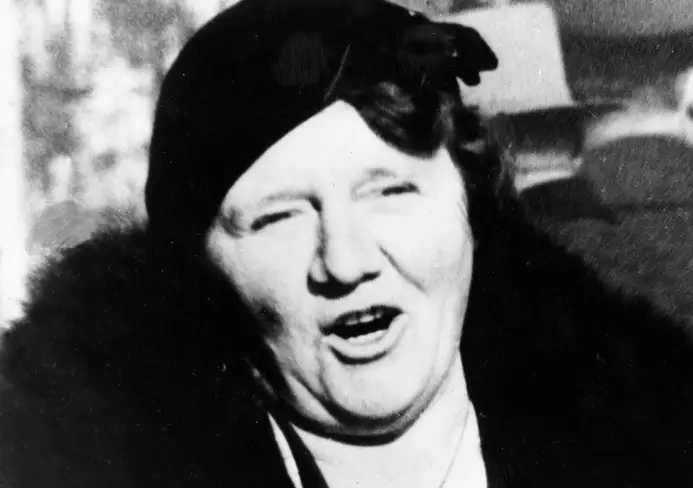
The Youth of the Reich
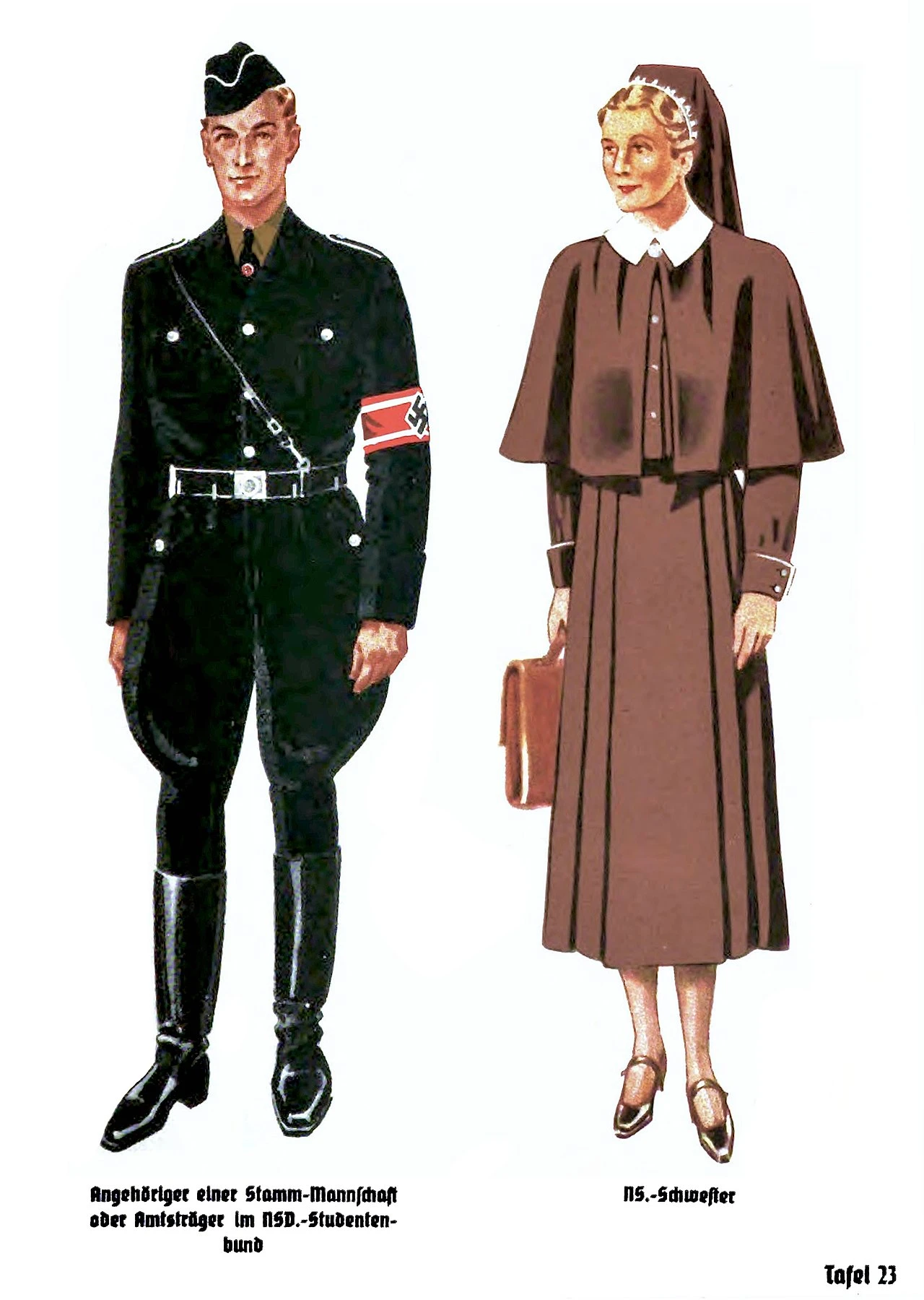
The German Student Facing the Nazification of the University (1939)

Join the Party?
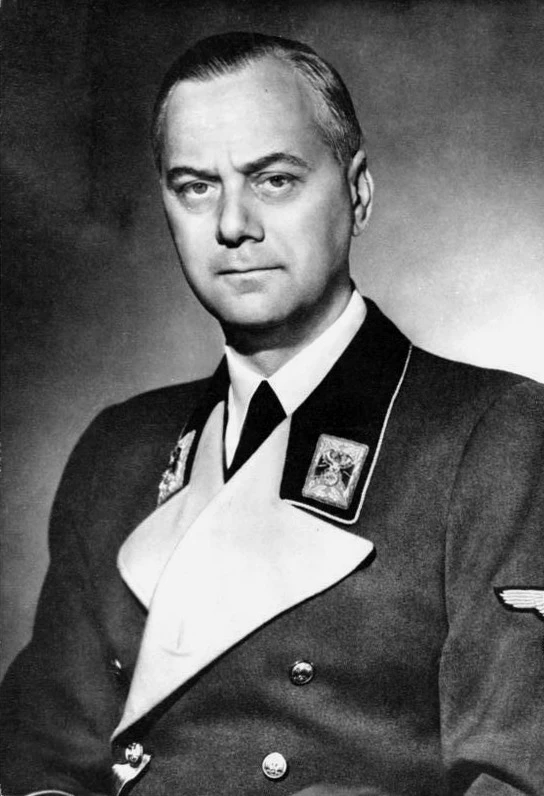
The Evacuation of the Children
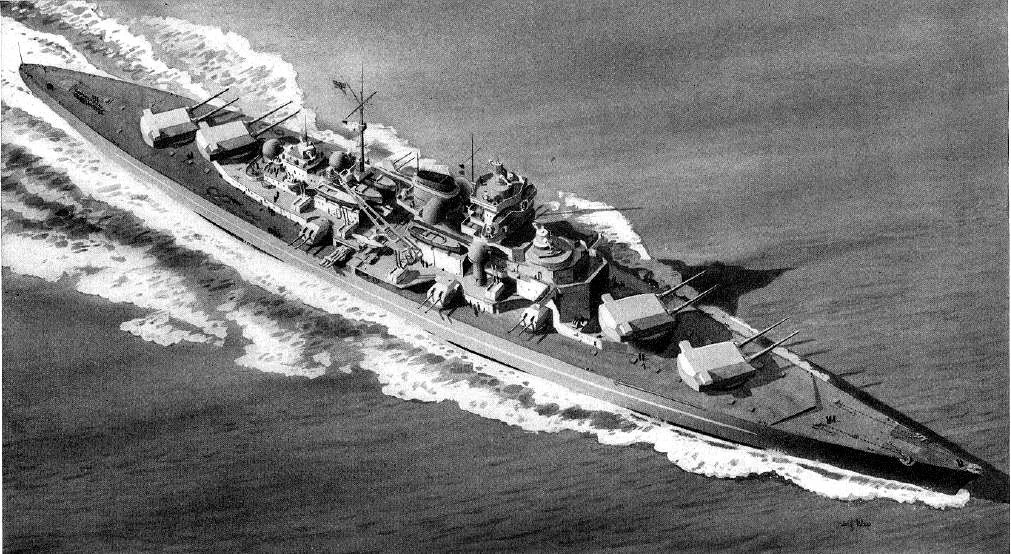
Goering — the economic mobilization plan
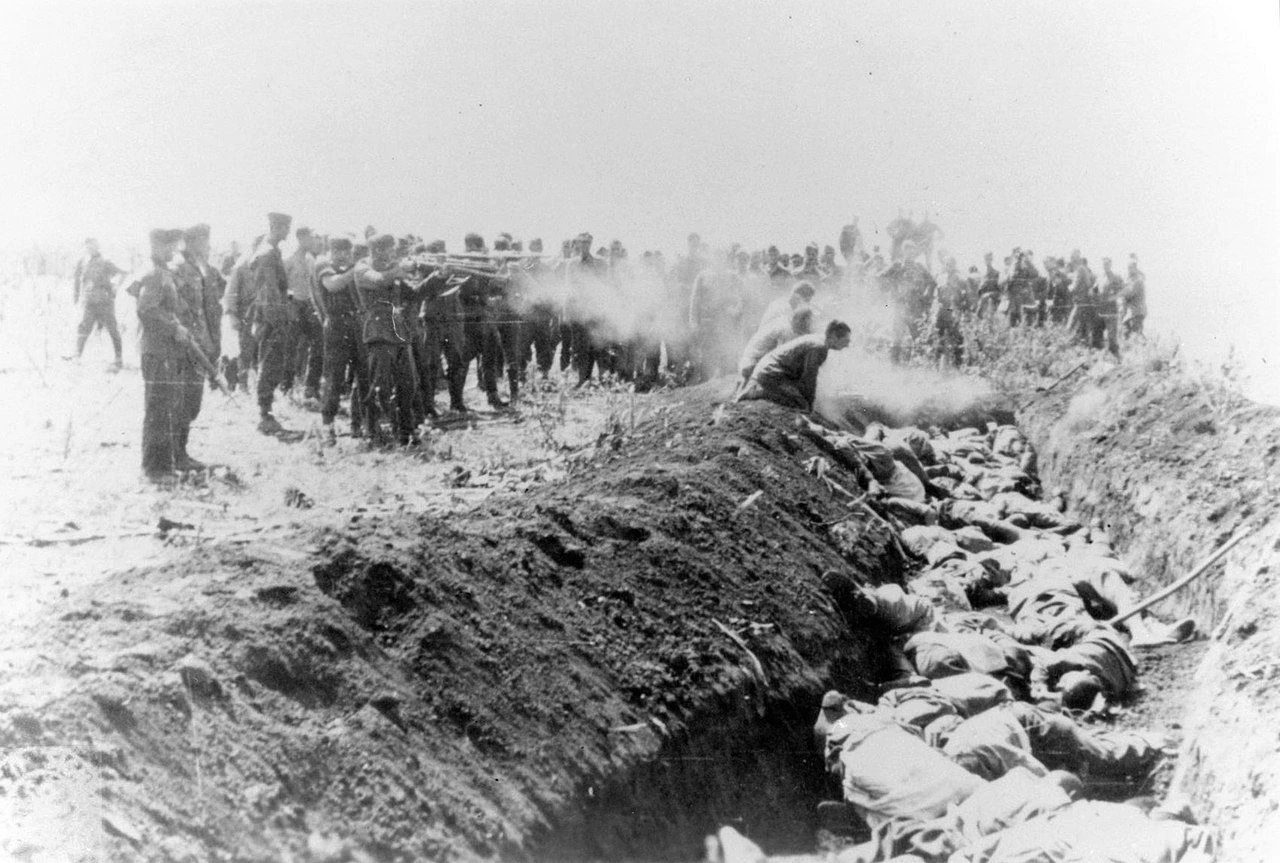
Heydrich — the Conference of 21 September
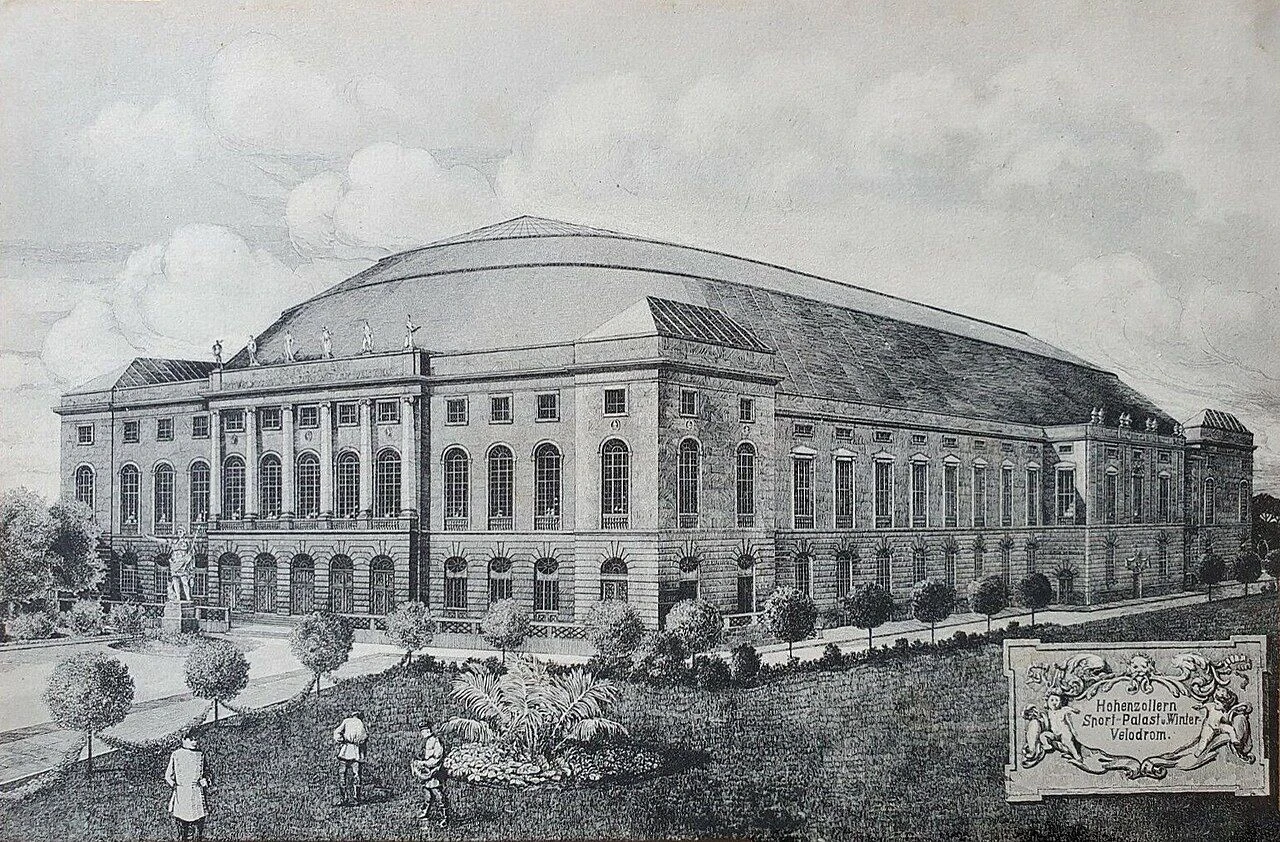
Hitler at the Sportpalast — 30 January, 8 pm
The Karten: Rationing Germany at War
Hannah Arendt, Stateless and Interned, Facing Exile
Hitler — the Reichstag Speech
The Youth of the Reich
The German Student Facing the Nazification of the University (1939)
Join the Party?
The Evacuation of the Children
Goering — the economic mobilization plan
Heydrich — the Conference of 21 September