
Bydgoszcz — 3 September
Bydgoszcz (Bromberg in German) is an industrial city of 140,000 inhabitants in Polish Pomerania — a mixed ethnic composition: 75 per cent Poles, 25 per cent Volksdeutsche (ethnic Germans). Communal tensions have been strong since 1936, stoked by Nazi propaganda of the "Fifth Column" (Fünfte Kolonne). On 1 September 1939 the city lies in the combat zone — the of General (brother of the defender of Warsaw) is to withdraw through it.
On 3 September 1939 at around 10 a.m., as Polish troops in retreat move through the city, shots are fired from windows and bell-towers. The origin of those shots, the identity of the shooters and the reaction of soldiers and civilians alike will lie at the heart of the contradictory accounts that follow. A confused urban engagement runs for several hours through a city saturated with suspicion.
From the next day, the dead of both communities become a major political stake. The Wehrmacht enters the city on 5 September. Each side will at once produce its version: one denouncing a provocation, the other reprisals. The historian, for his part, must choose the line of narrative he will transmit. Should he embrace one of the two national narratives, or hold to a reading that accounts for violence on both sides?
What historiographical line to adopt for this episode?
Current consensus historiography (, , ) settles on the double violence. On 3 September, German Selbstschutz francs-tireurs (members secretly armed before the war, organised by Canaris's Abwehr II) did indeed fire on Polish troops in retreat — a provocation organised by German military intelligence in preparation for the conflict. The reaction of the Polish soldiers and of some civilians was disproportionate but explicable in the context of urban combat: some ethnic Germans were killed in combat, others lynched by Polish civilians believing they were identifying francs-tireurs. Toll for 3 September: between 150 and 300 Germans killed (combat and lynching), forty-one Poles killed, several of them soldiers. From 4 to 5 September, sporadic summary executions. German reprisals (5-15 September): between 600 and 1,200 Poles executed on the spot, several thousand deported. Throughout the war, Nazi propaganda will use the "Bloody Sunday of Bromberg" as justification for the Intelligenzaktion and more broadly the genocidal policies. The 1940 Weißbuch puts the German dead at 5,500; the Goebbels memorandum of November 1939 at 58,000 — figures refuted after the war. At Nuremberg, prosecutor demonstrated the fabricated character of these statistics. Today, the Bromberger Blutsonntag study centre of the IPN at Bydgoszcz officially documents the episode in a spirit of Polish-German reconciliation.
Learn more about this event
Related polls
10
Danzig, September 1939 — the policeman of the Free City
Intelligenzaktion — the schoolmaster of Pomerania
Wieluń at 04:40 — the first air strike
Czerniaków — the offer of the Judenrat
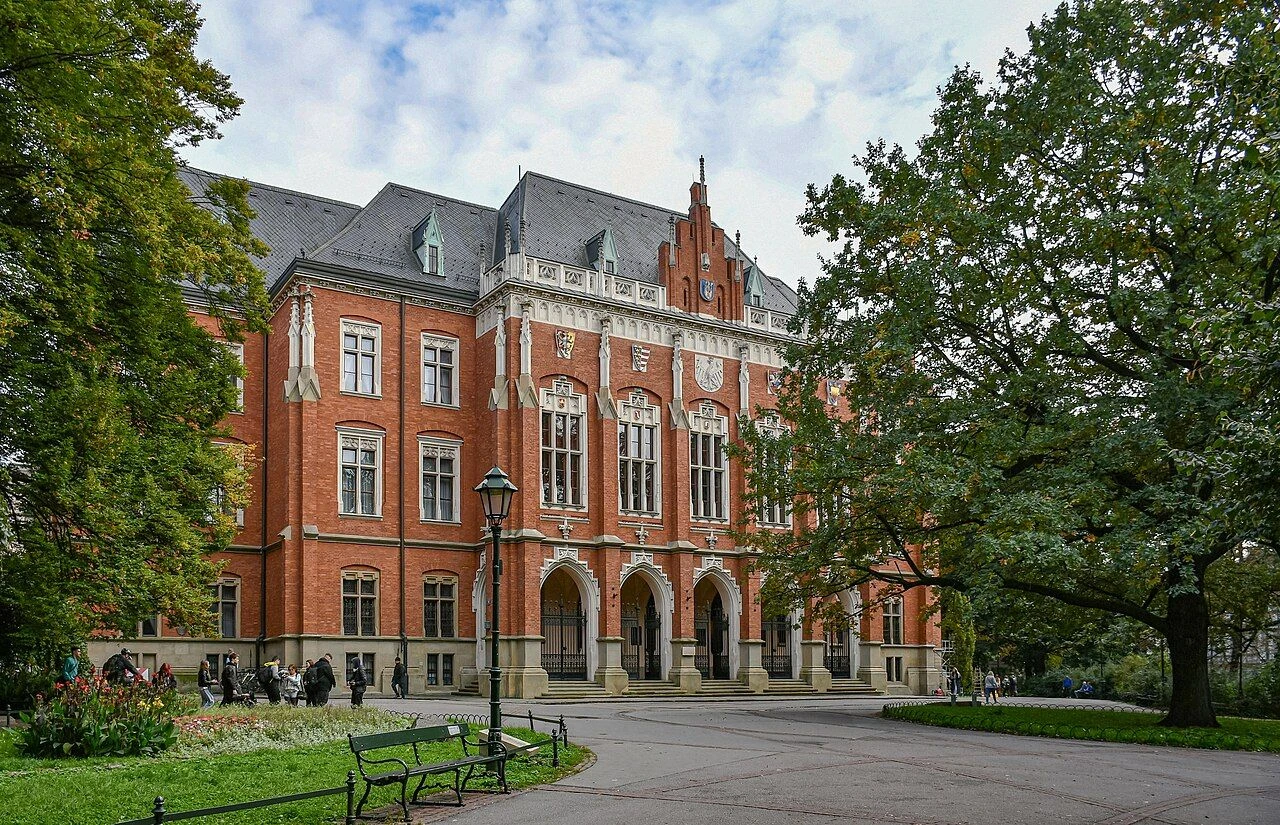
Hans Frank — the taking of the Wawel
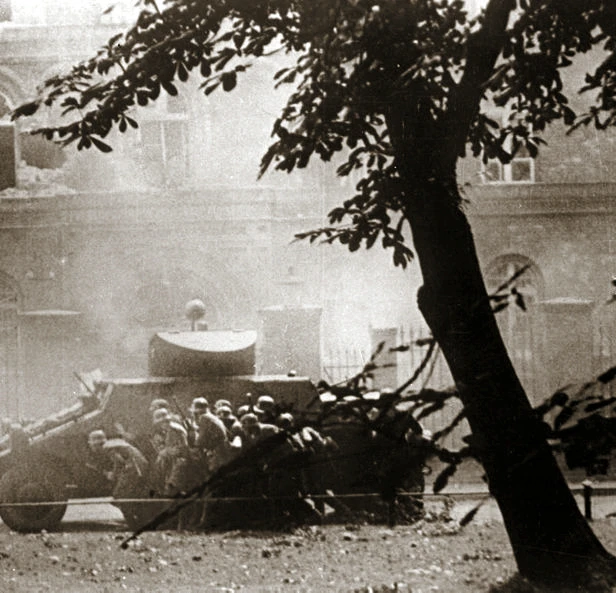
The University of Warsaw under the Bombs
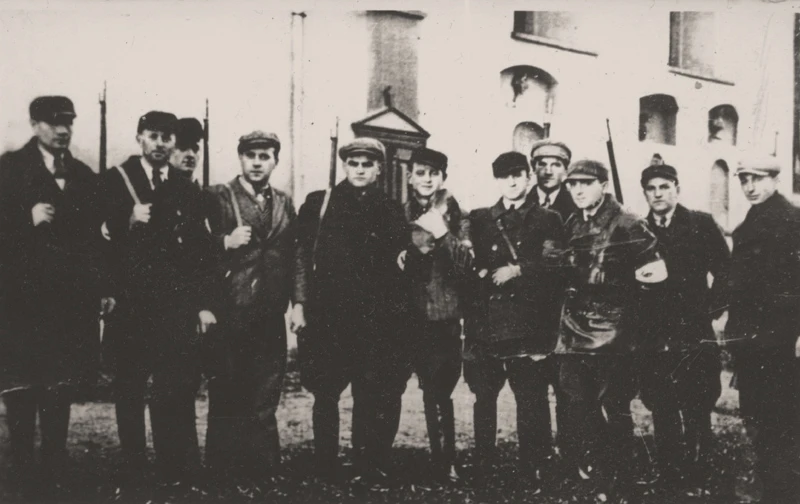
The Volksdeutsche Conscripted into the Selbstschutz
The Polish Post Office in Danzig — Guderski under SS fire
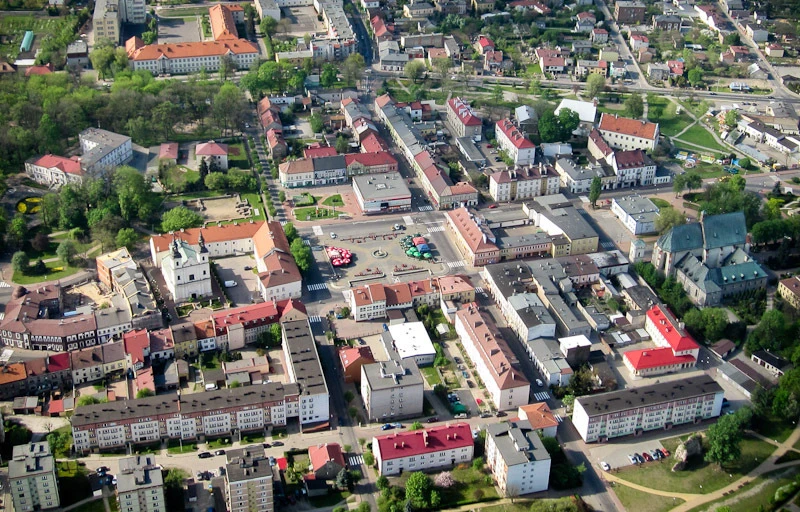
Wieluń, 4:40 a.m. — the first bomb of the war
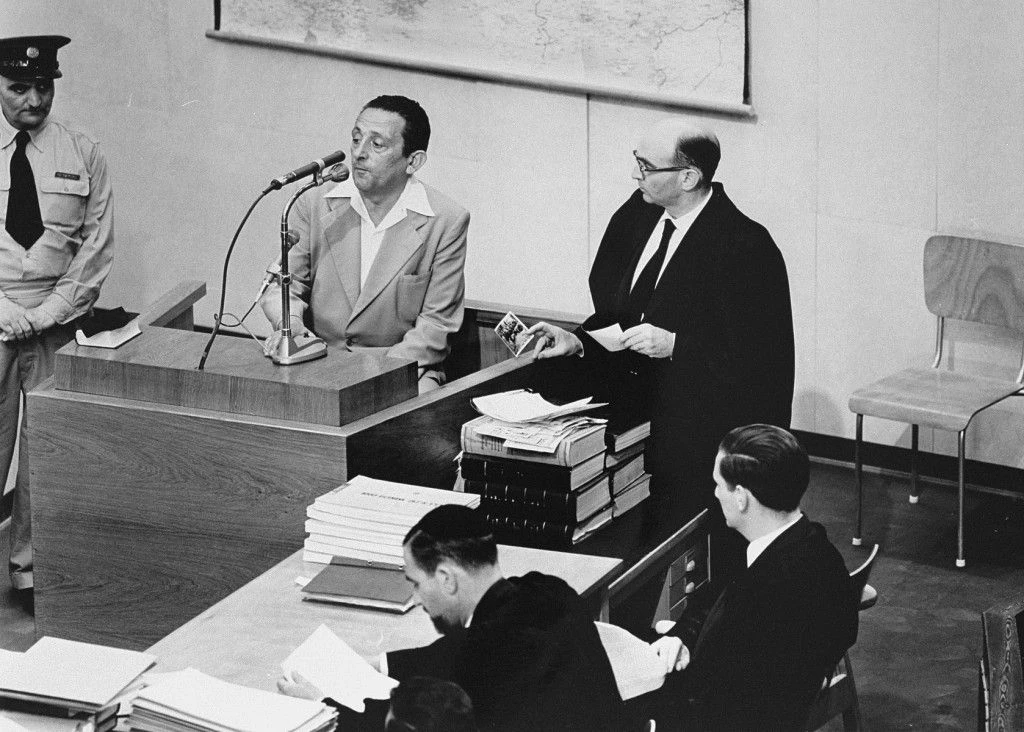
Biebow at Litzmannstadt — 8 February
Danzig, September 1939 — the policeman of the Free City
Intelligenzaktion — the schoolmaster of Pomerania
Wieluń at 04:40 — the first air strike
Czerniaków — the offer of the Judenrat
Hans Frank — the taking of the Wawel
The University of Warsaw under the Bombs
The Volksdeutsche Conscripted into the Selbstschutz
The Polish Post Office in Danzig — Guderski under SS fire
Wieluń, 4:40 a.m. — the first bomb of the war