
The Police Informer During the Phoney War
In the autumn of 1939, France has been at war for a few weeks, caught in the motionless waiting of the "Phoney War." The Daladier government is hunting enemy agents, defeatists, and the supposed "fifth column." The Sûreté nationale and the Renseignements généraux rely, as throughout the Third Republic, on a network of informers paid out of the Interior Ministry's secret funds.
A barber in a working-class neighbourhood of Paris, who each day receives officers, civil servants, and regulars, is approached by an inspector. He is offered a monthly payment to report suspicious remarks and conversations overheard in his shop. For a shopkeeper struggling to make ends meet, the offer is tempting, but informing draws him into a murky practice.
Approached to serve as a paid police informer during the Phoney War, should a Parisian shopkeeper agree to report information, refuse, or pretend to accept while reporting nothing?
The use of paid informers is a long-standing and well-documented practice of the French police: as early as the late nineteenth century, several dozen "indics" paid out of the Interior's secret funds supplied information to the political police. During the Phoney War, this system was reactivated against those suspected of defeatism, against communists (the PCF was banned by decree on 26 September 1939), and against foreigners suspected of espionage. Many small-time informers accepted, out of greed, conviction, or fear of appearing suspect by refusing; others refused or confined themselves to trivialities. No register makes it possible to reconstruct the fate of any one anonymous informer in particular, and in 1939 there was as yet no "central Vichy file": the Vichy regime would not come into being until July 1940. What is established is the scale of a paid denunciation already institutionalised before the Occupation.
Learn more about this event
Related polls
10
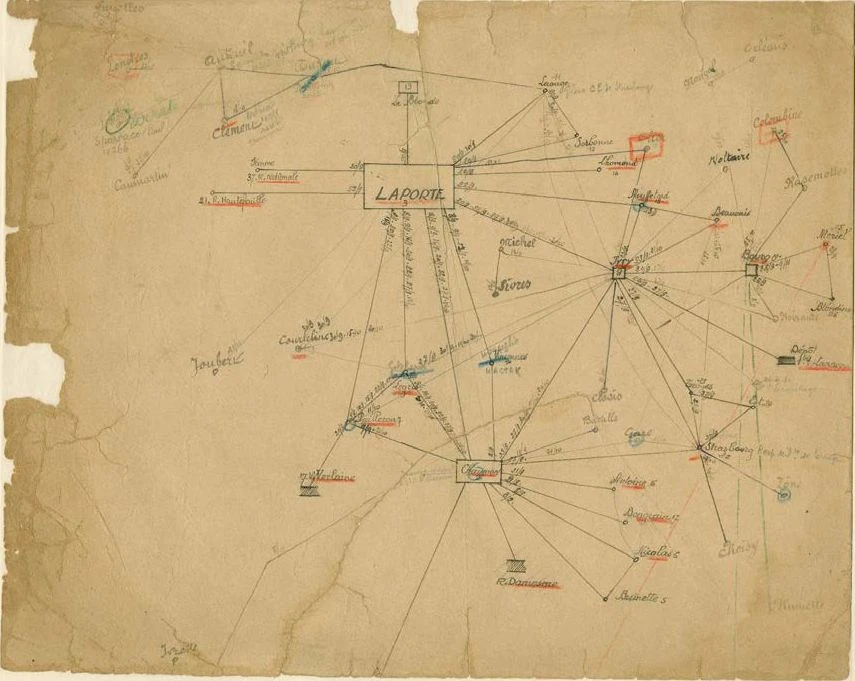
Doussot — Special Brigade No. 1

The Camps of the Retirada
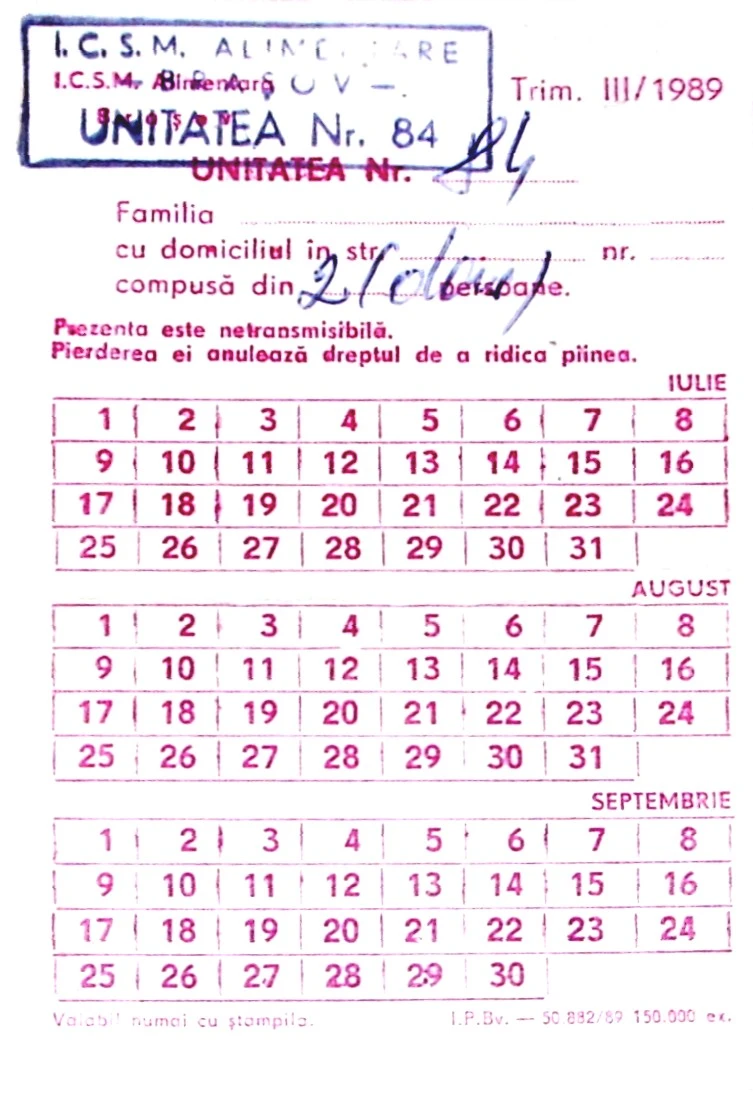
France's March 1940 Ration Card
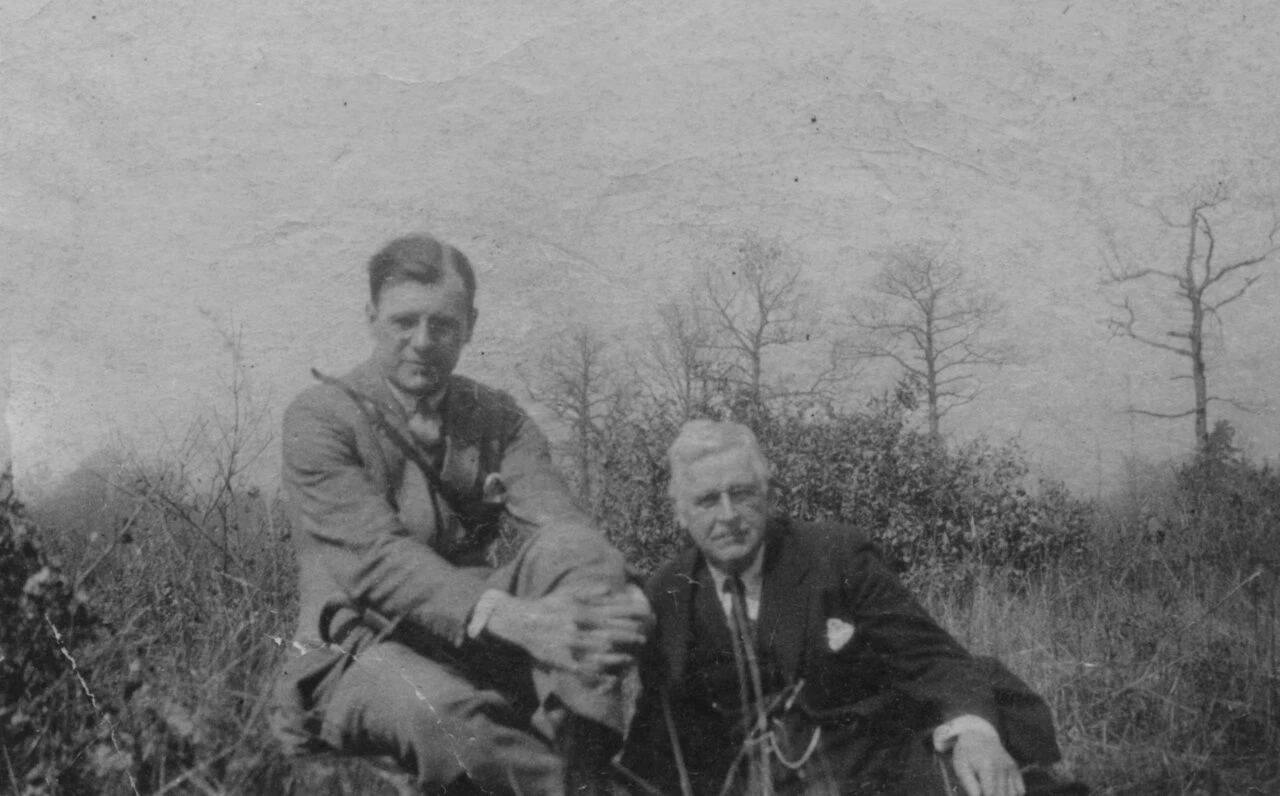
Cambridge, 1939: The Evacuated LSE Student and Conscription
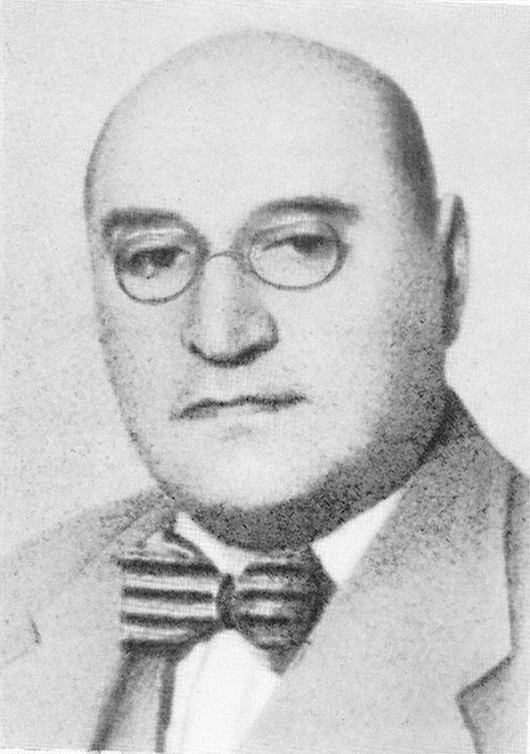
Czerniaków — the offer of the Judenrat
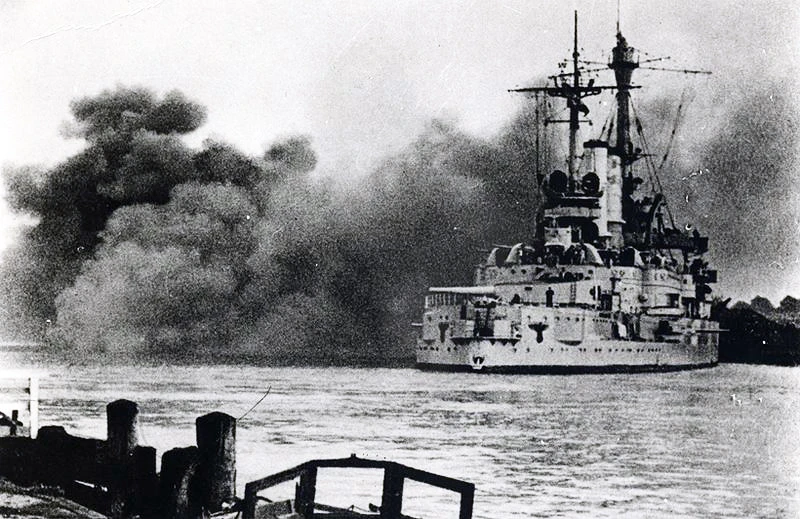
Danzig, September 1939 — the policeman of the Free City
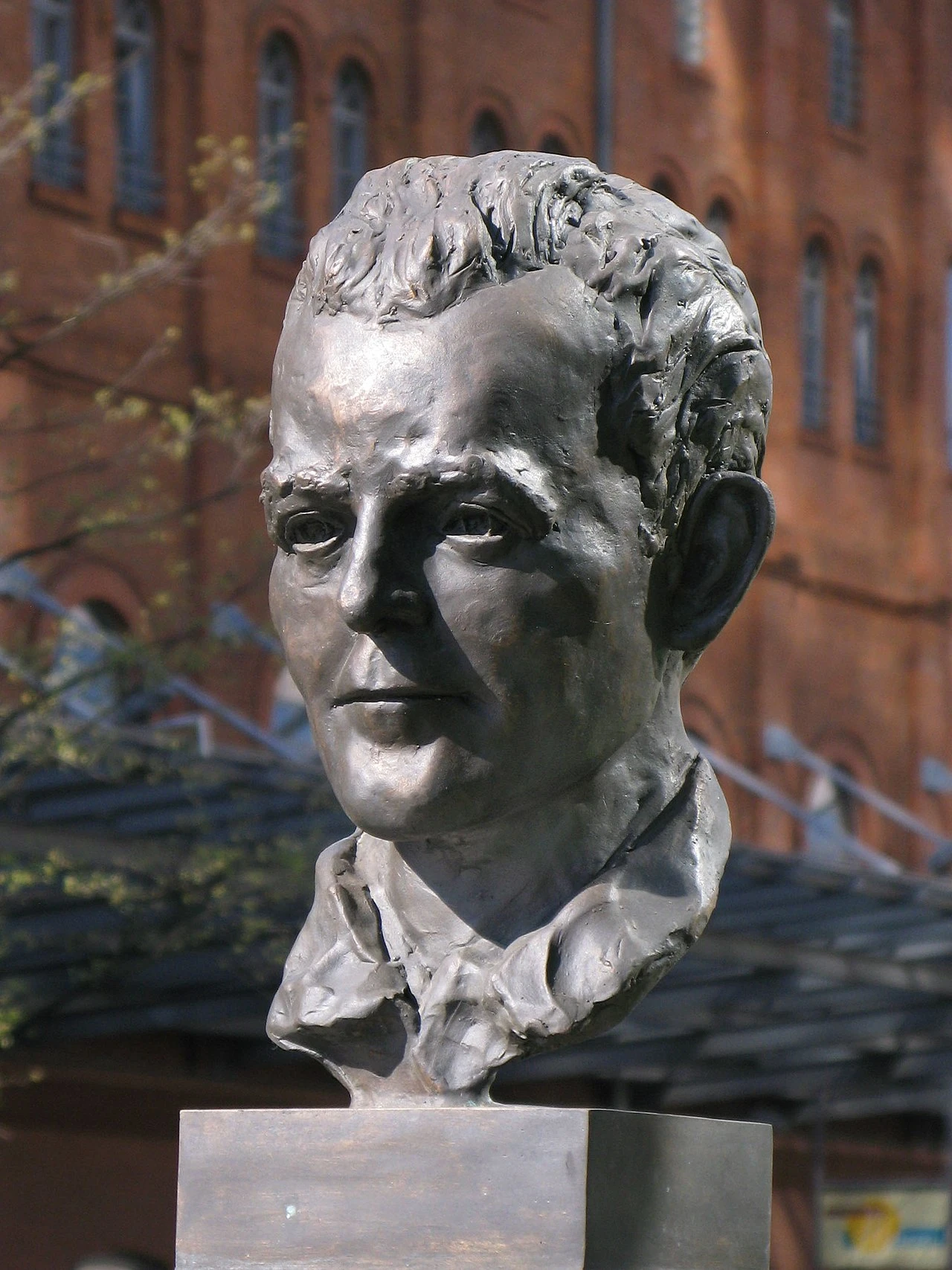
Elser in Munich — Bürgerbräukeller, 9.20 p.m.
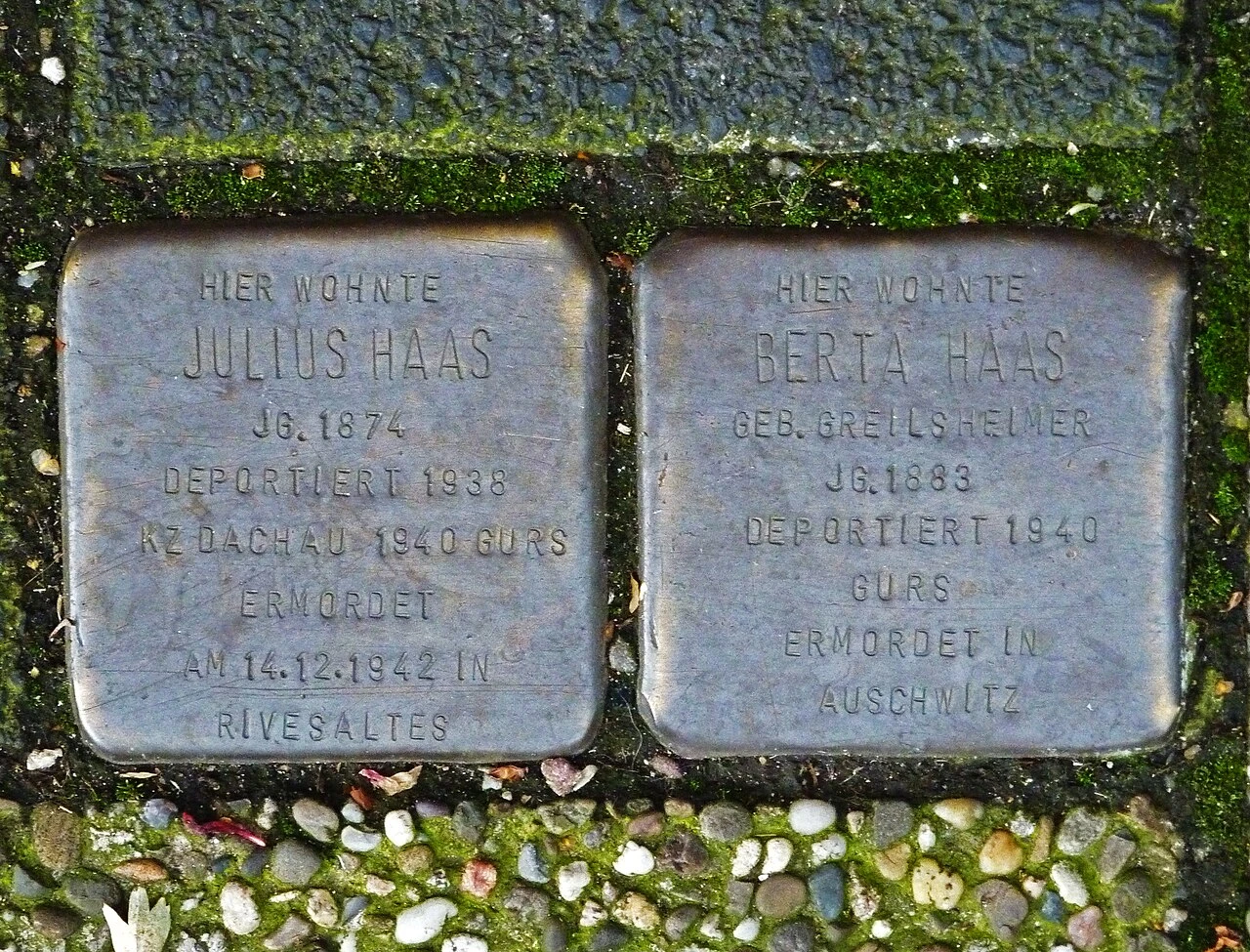
Hannah Arendt, Stateless and Interned, Facing Exile
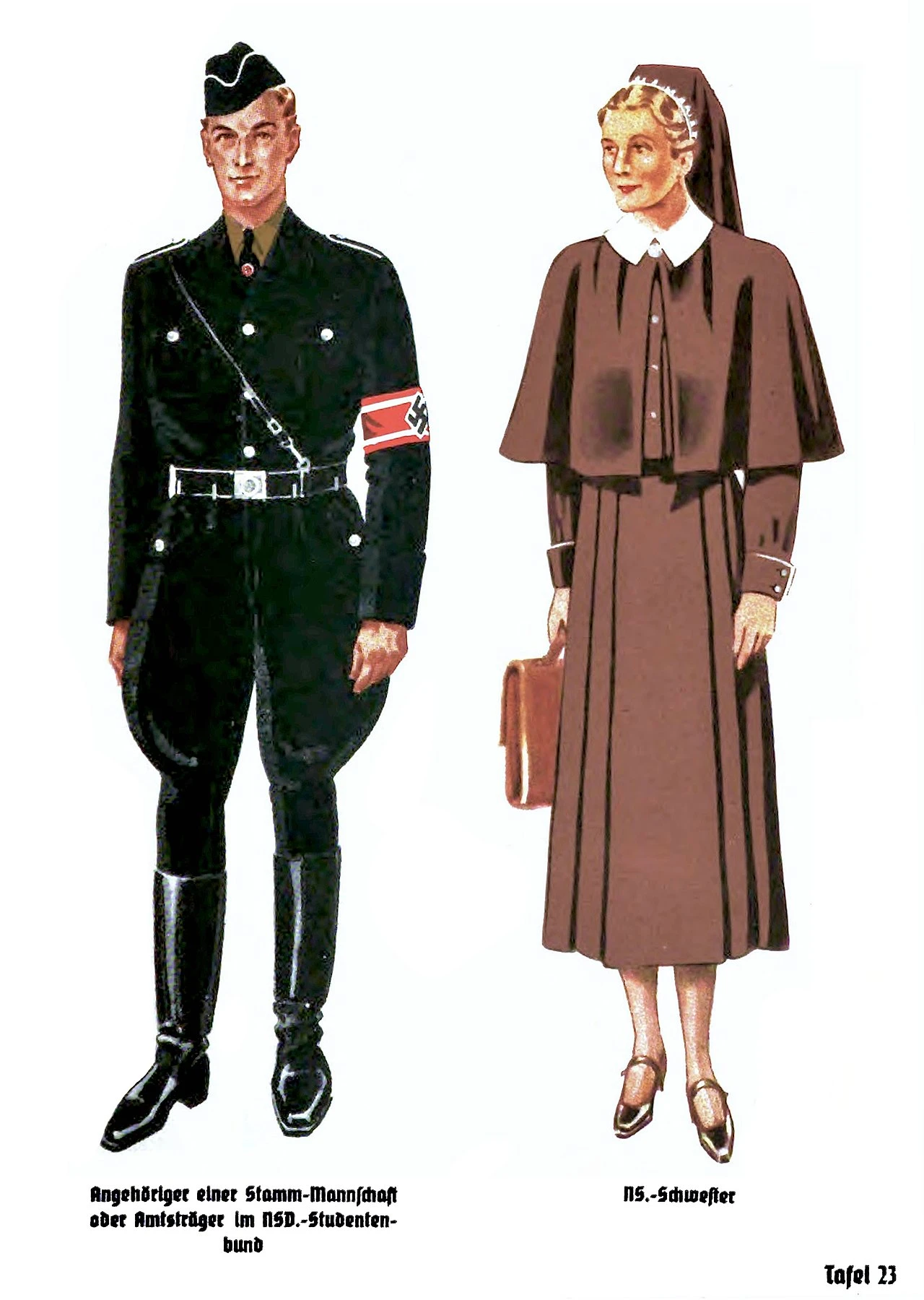
The German Student Facing the Nazification of the University (1939)

The Parisian concierge facing informing under the Occupation
Doussot — Special Brigade No. 1
The Camps of the Retirada
France's March 1940 Ration Card
Cambridge, 1939: The Evacuated LSE Student and Conscription
Czerniaków — the offer of the Judenrat
Danzig, September 1939 — the policeman of the Free City
Elser in Munich — Bürgerbräukeller, 9.20 p.m.
Hannah Arendt, Stateless and Interned, Facing Exile
The German Student Facing the Nazification of the University (1939)