
Leclerc Lands Before a Libreville Held by Vichy
Colonel — whose real name is , a pseudonym adopted to protect his family left behind in France — embodies the audacity of the nascent Free France. Rallied to de Gaulle as early as the summer of 1940, he has already wrested Cameroon from Vichy by a coup de main almost without bloodshed.
In the autumn of 1940, the stake is French Equatorial Africa. Chad, the Congo and Oubangui have swung to de Gaulle, but Gabon remains loyal to the Vichy regime, supported by Governor-General Boisson in Dakar. The bloody failure at Dakar in September has shown that Vichy garrisons could fight hard against other Frenchmen.
Leclerc receives the mission to take Libreville, the Gabonese capital. On 27 October, his columns cross the frontier and seize Mitzic; on 5 November, the garrison of Lambaréné capitulates. On 7 November 1940, Leclerc's forces, having set out from Douala, land in the bay of the Mondah, north of Libreville, supported by aerial reconnaissance and ships offshore.
Before him: a French Vichy garrison determined to defend the city. To fire on other Frenchmen, or not — that is the dilemma.
Should Leclerc take Libreville by assault at the risk of fratricidal combat, or seek a rallying without bloodshed?
Leclerc chose A: on 8 November 1940, after aerial reconnaissance and with naval support at anchor, his forces surged on the capital. The fighting was intense; both sides exchanged artillery and rifle fire. By the evening of 9 November, Libreville fell into the hands of Free France. On 12 November, the last Vichy troops capitulated at Port-Gentil. All of French Equatorial Africa was now Gaullist. The victory was capital: Free France ceased to be a movement of exiles in London and became a power endowed with a vast territory to administer and a new legitimacy. For Leclerc, Gabon was the first step towards an epic that would lead him, from Lake Chad to Kufra, all the way to the liberation of Paris and Strasbourg.
Learn more about this event
Related polls
10
Damascus — the Syrian Campaign
The British Soldier Sent to France with the BEF
Lwów — Langner between two occupiers
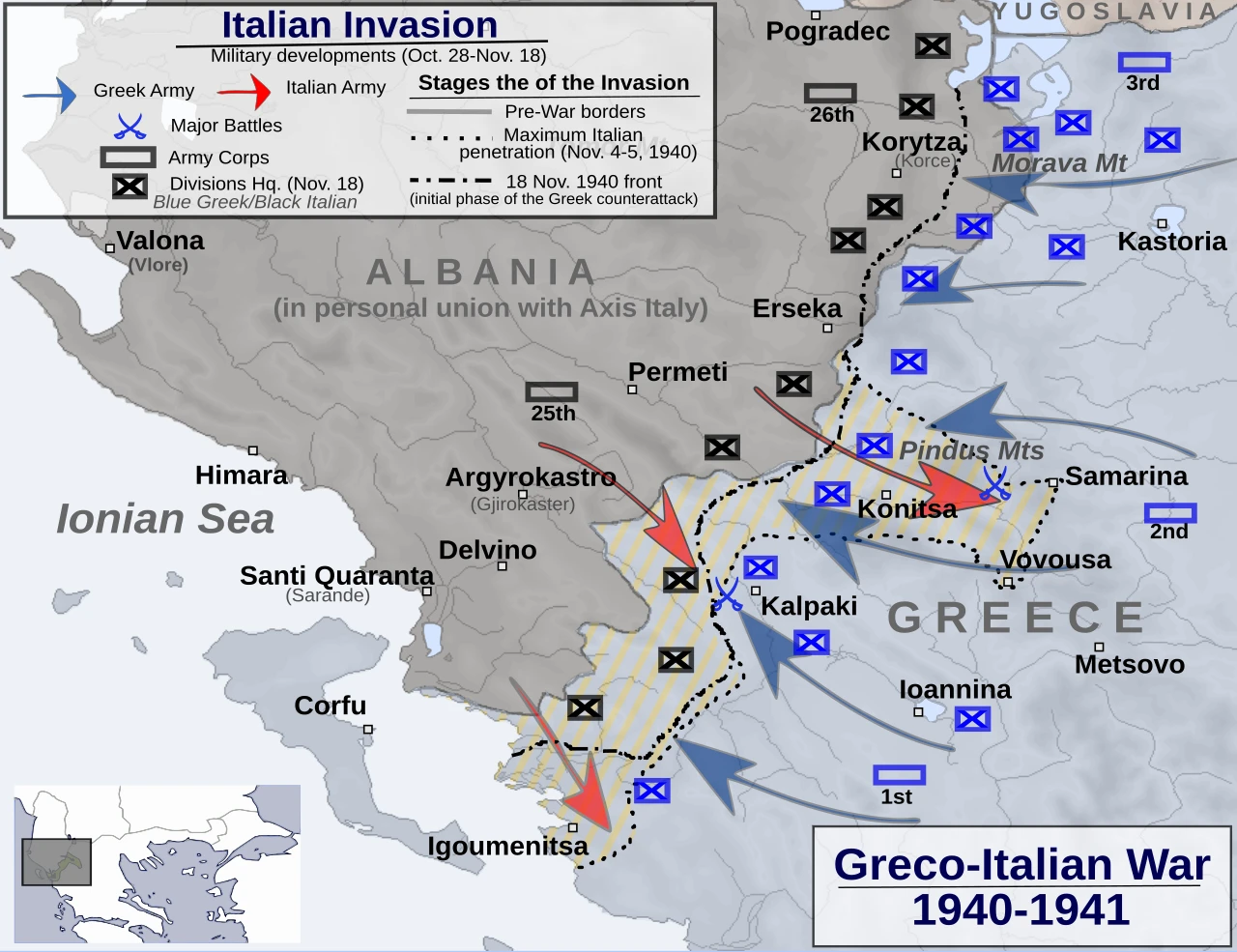
Davakis in the Pindus
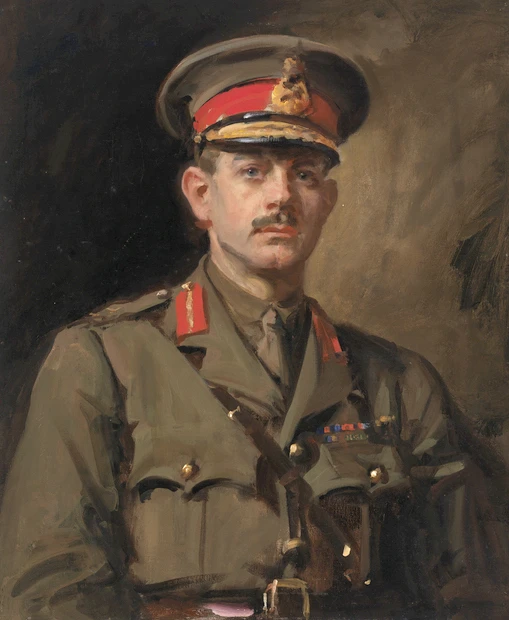
Mackay and the Australians at Bardia
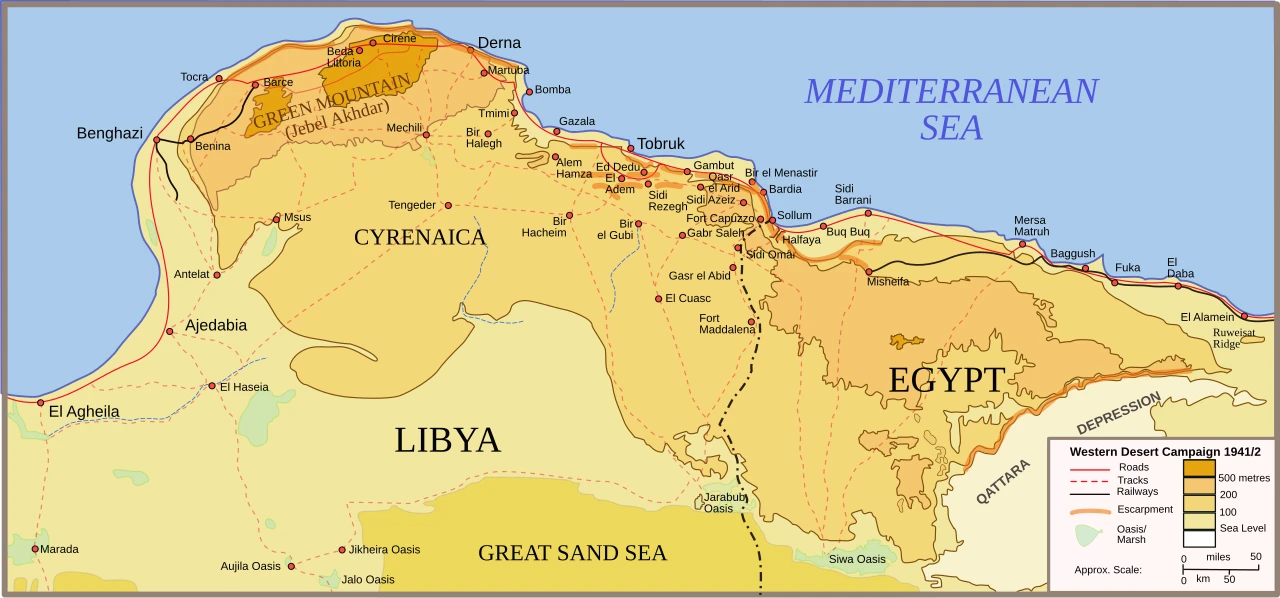
O'Connor launches Compass — Sidi Barrani
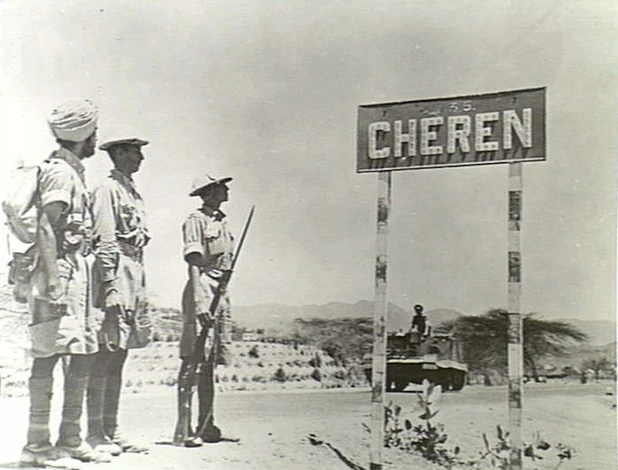
The Battle of Keren — Eritrea
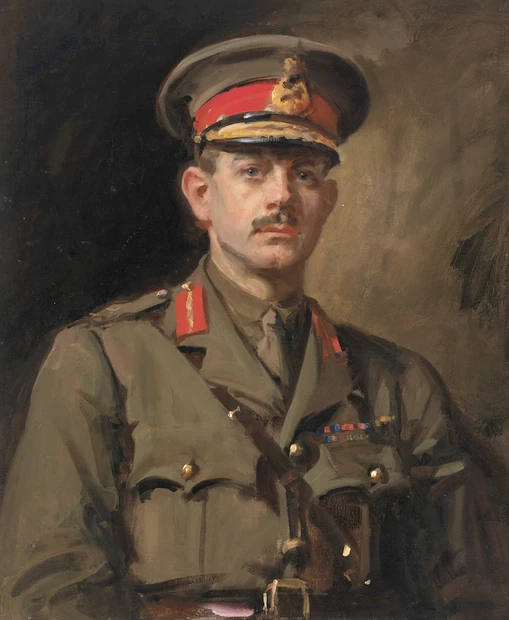
Mackay before Tobruk — the assault
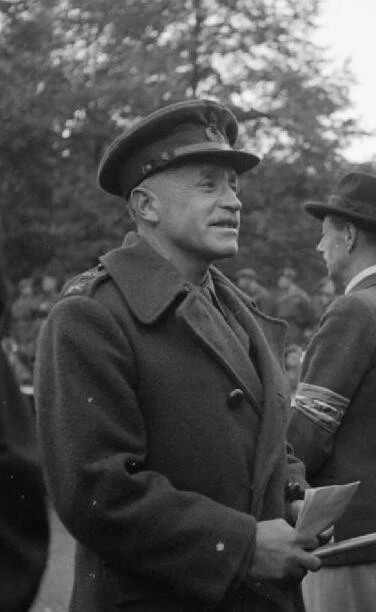
Morshead — Tobruk encircled, 10 April
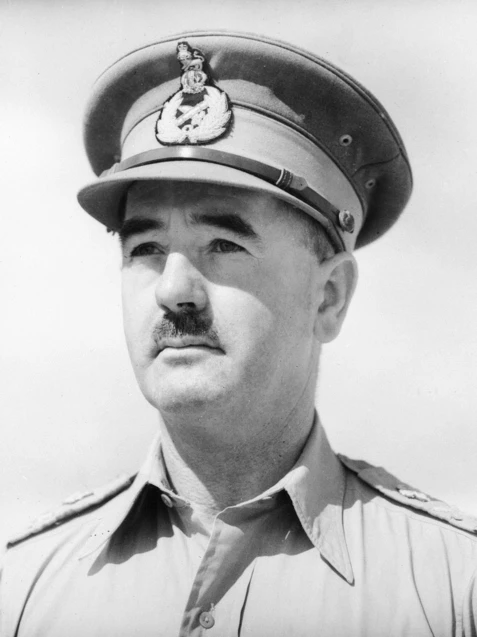
O'Connor — lost in the night near Mechili
Damascus — the Syrian Campaign
The British Soldier Sent to France with the BEF
Lwów — Langner between two occupiers
Davakis in the Pindus
Mackay and the Australians at Bardia
O'Connor launches Compass — Sidi Barrani
The Battle of Keren — Eritrea
Mackay before Tobruk — the assault
Morshead — Tobruk encircled, 10 April