
At the heart of the Battle of the Atlantic, the security of the convoys carrying American aid to Great Britain is vital. Iceland, a strategic position in the middle of the North Atlantic, has been occupied by the British since 1940; but London needs to recover these troops for other fronts. Roosevelt seeks to extend the American 'security zone' eastward without crossing the threshold of belligerency.
Public opinion remains for the most part opposed to entering the war, and the isolationist movement watches for any step that would bring American forces closer to a clash with the U-boats. Yet to station Marines in Iceland is to place the American navy in the front line of the Atlantic, there where German submarines prowl. The island, independent in fact but tied to occupied Denmark, has not requested this presence and concedes it under diplomatic pressure.
Roosevelt must decide: send American troops to relieve the British garrison in Iceland, at the risk of incidents with Germany; confine himself to naval patrols without a land presence; or let the British bear this burden alone. The choice measures how far 'neutral' America commits itself to the Atlantic war.
Should Roosevelt have Iceland occupied by American troops?
Roosevelt chooses A. On 7 July 1941, American Marines land in Iceland and gradually relieve the British, at the (negotiated) invitation of the Icelandic government. The American navy is given the task of escorting the convoys as far as the island, which places it in effect in contact with the U-boats. The incidents follow in the autumn: the destroyer Greer (September), then the torpedoing of the Reuben James (October, the first American dead). Roosevelt orders 'shoot on sight' against Axis submarines. The occupation of Iceland is a decisive step in the 'undeclared war' of the Atlantic: without being belligerents, the United States is already fighting, in fact, in the shadows — until Pearl Harbor.
Learn more about this event
Related polls
10

Mining the Rhine — Operation Royal Marine
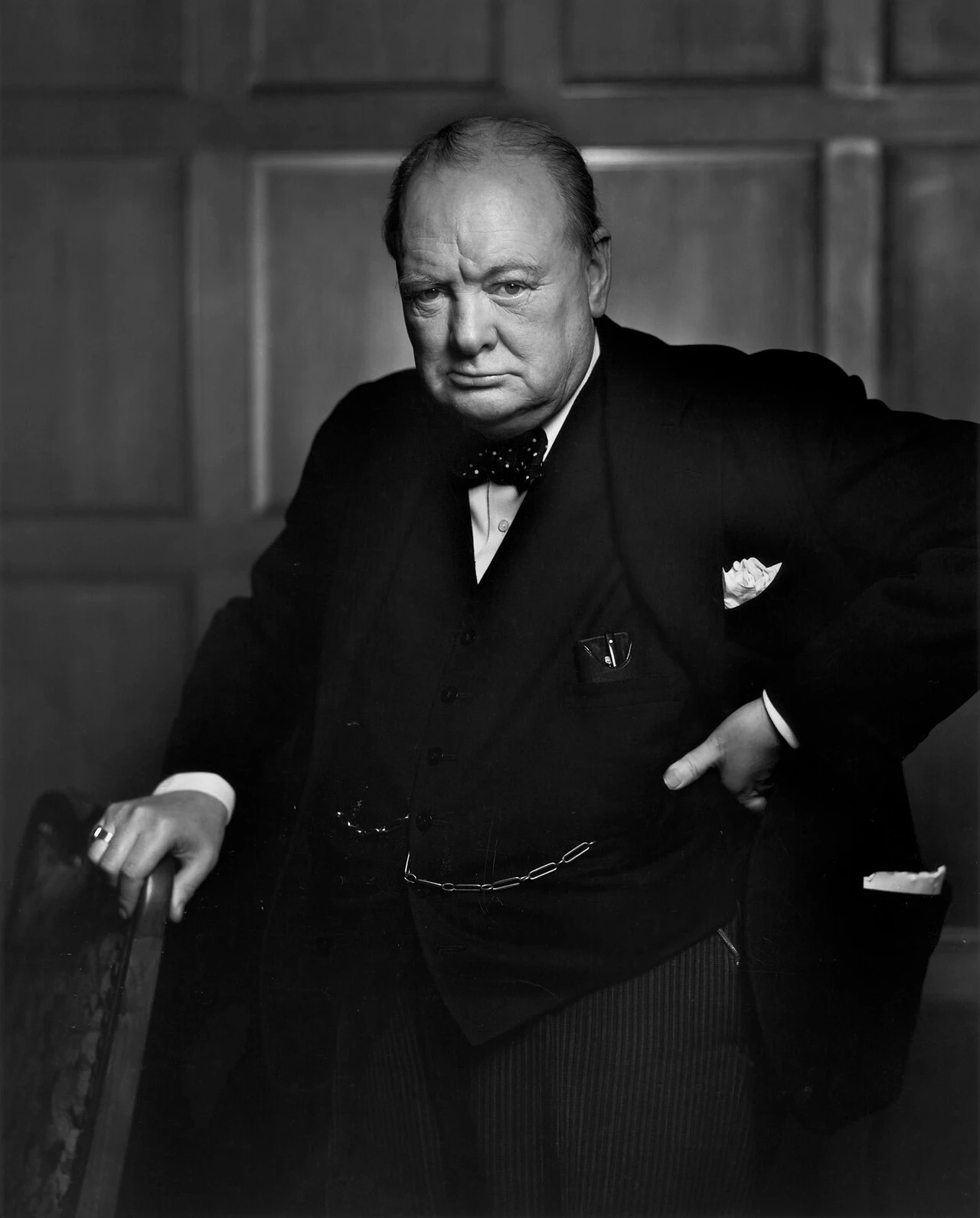
Auchinleck replaces Wavell
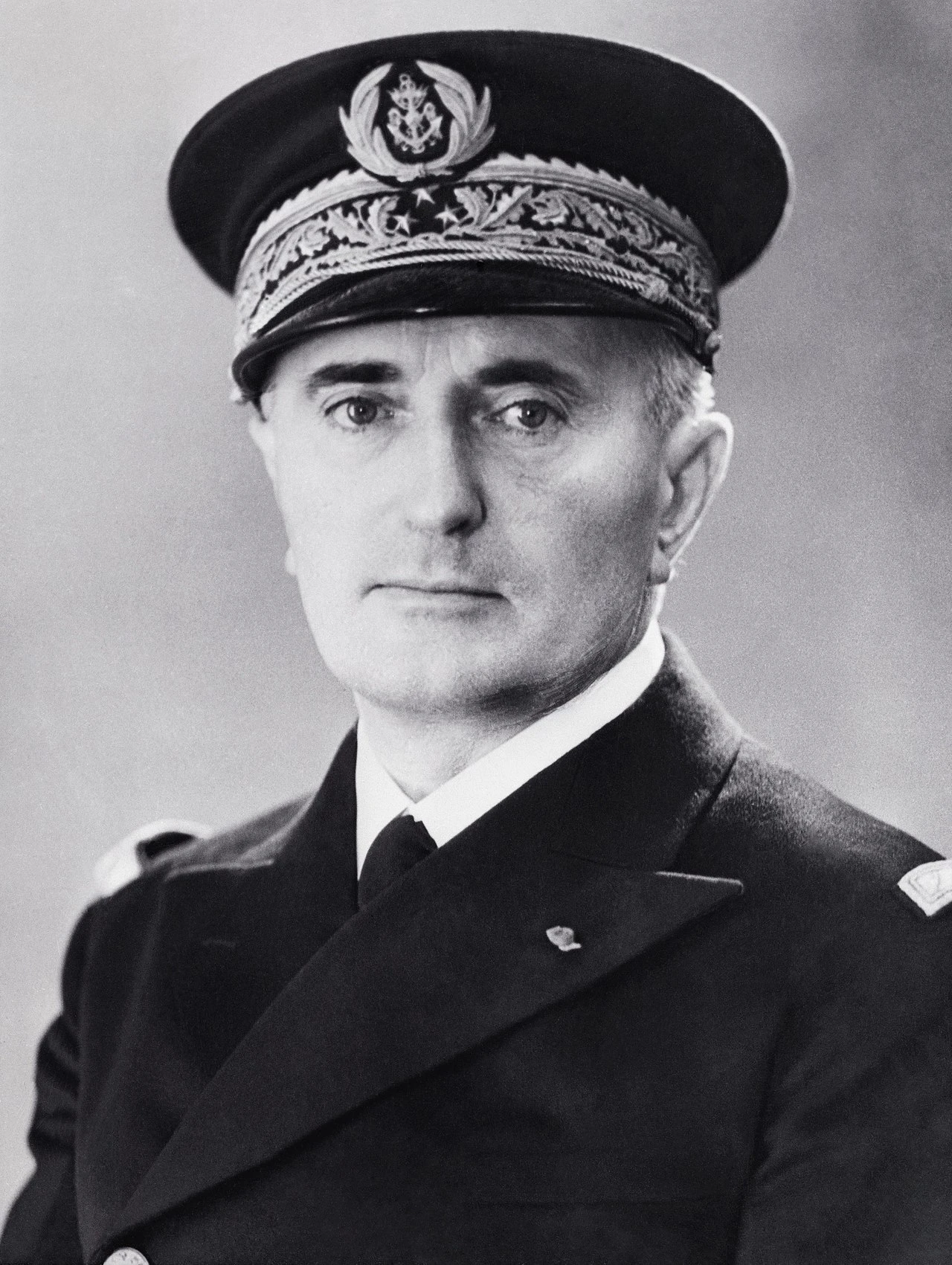
Darlan and the fleet — 20 June
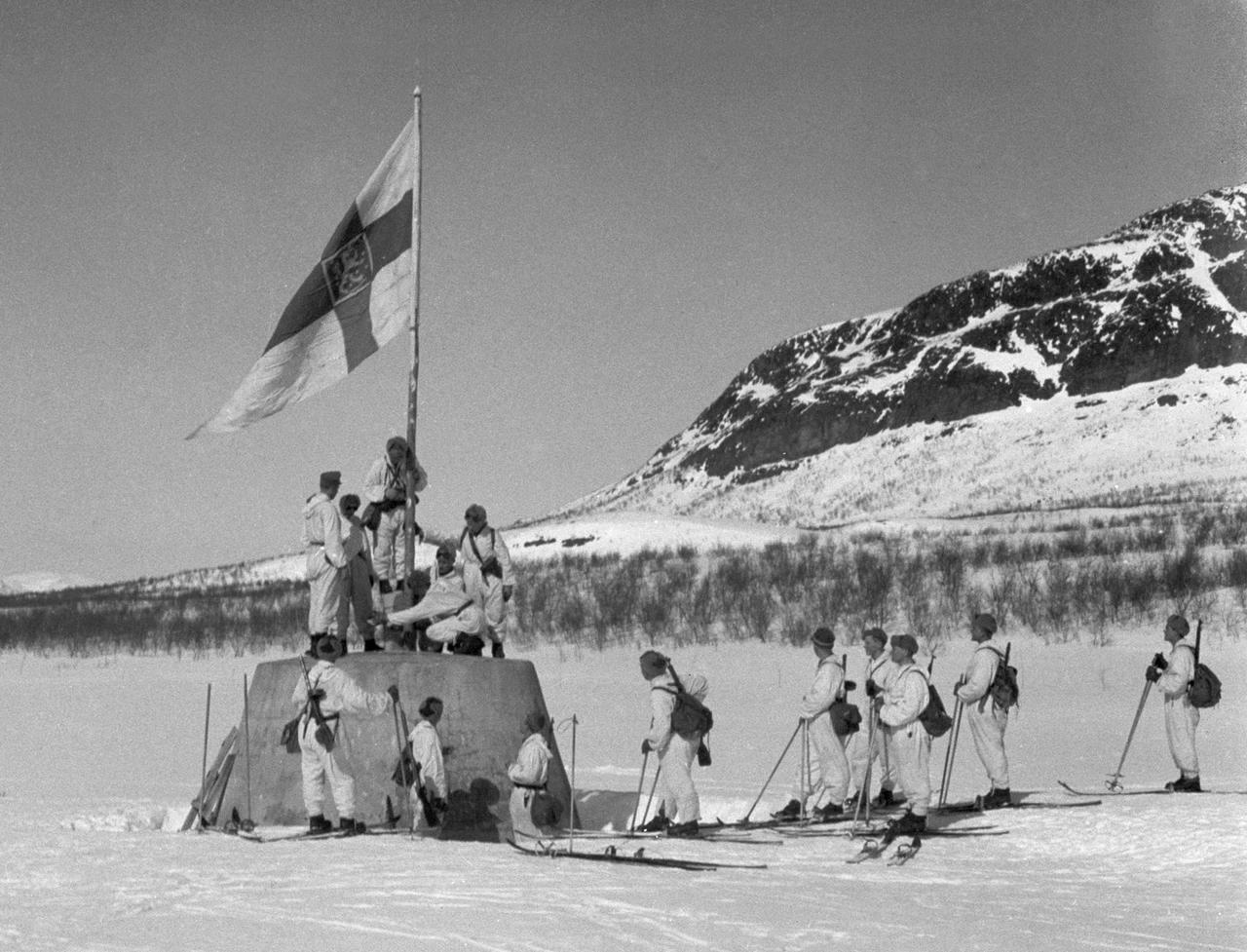
Finland after the Bombs — 25 June 1941
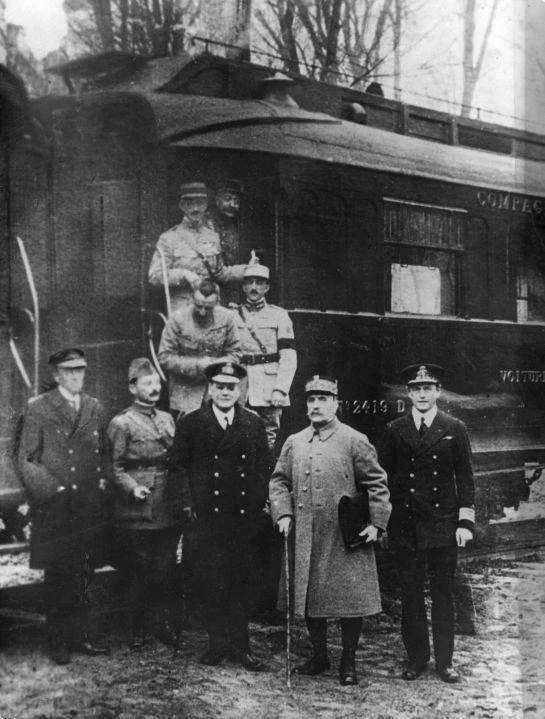
Rethondes — Article 8 on the Fleet
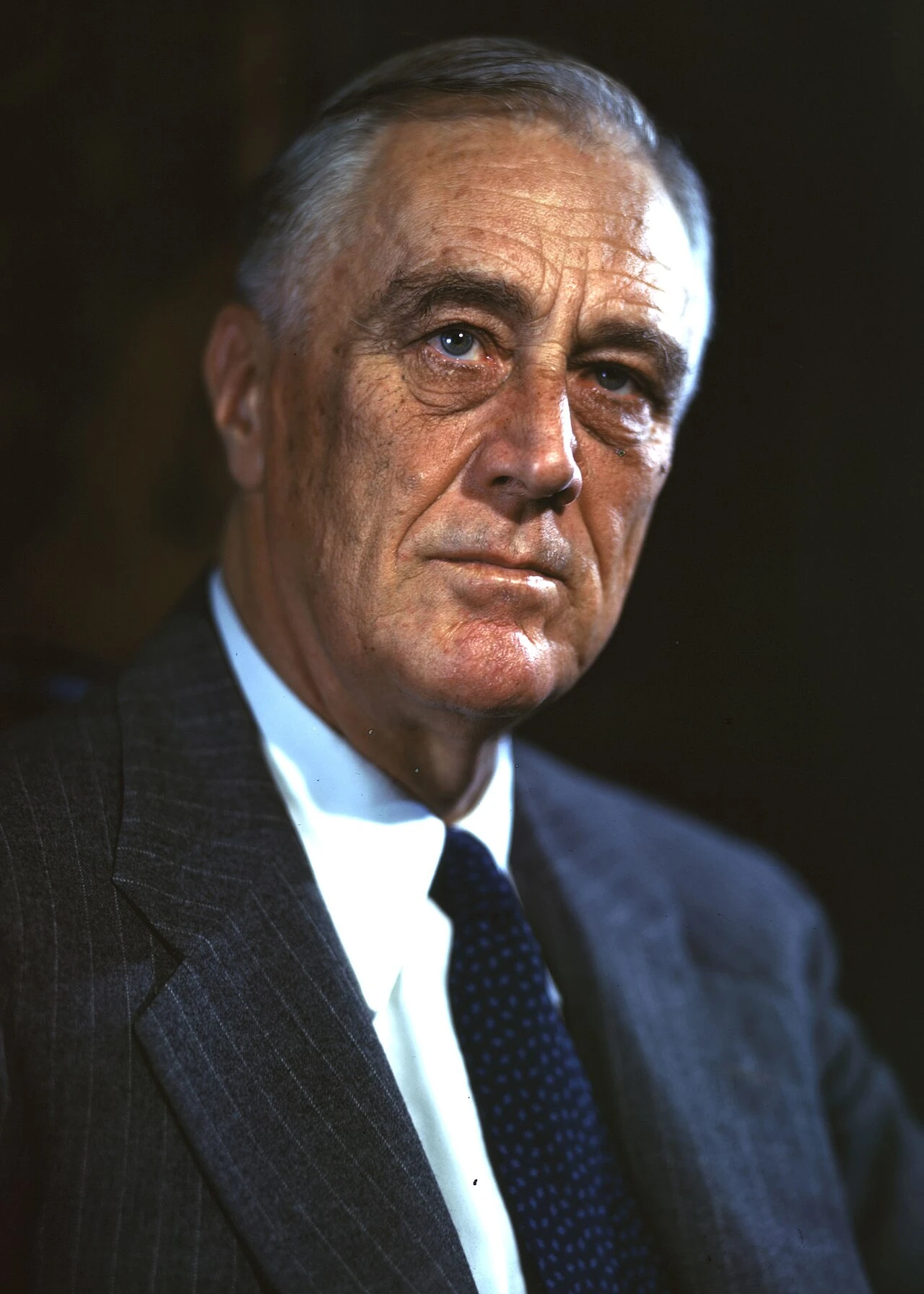
Roosevelt — destroyers for bases
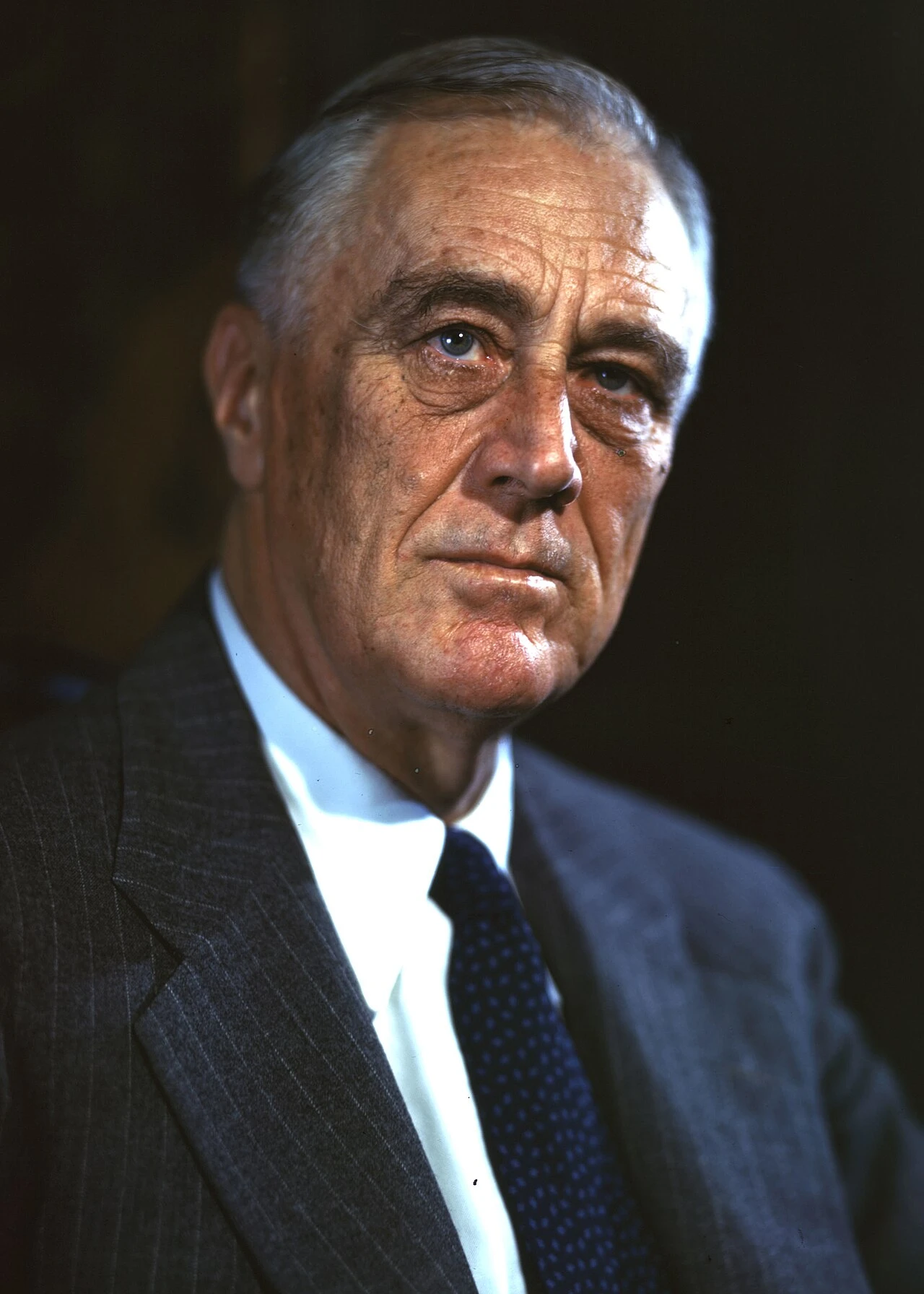
Roosevelt and the Squadron for Singapore — Washington, October 1940
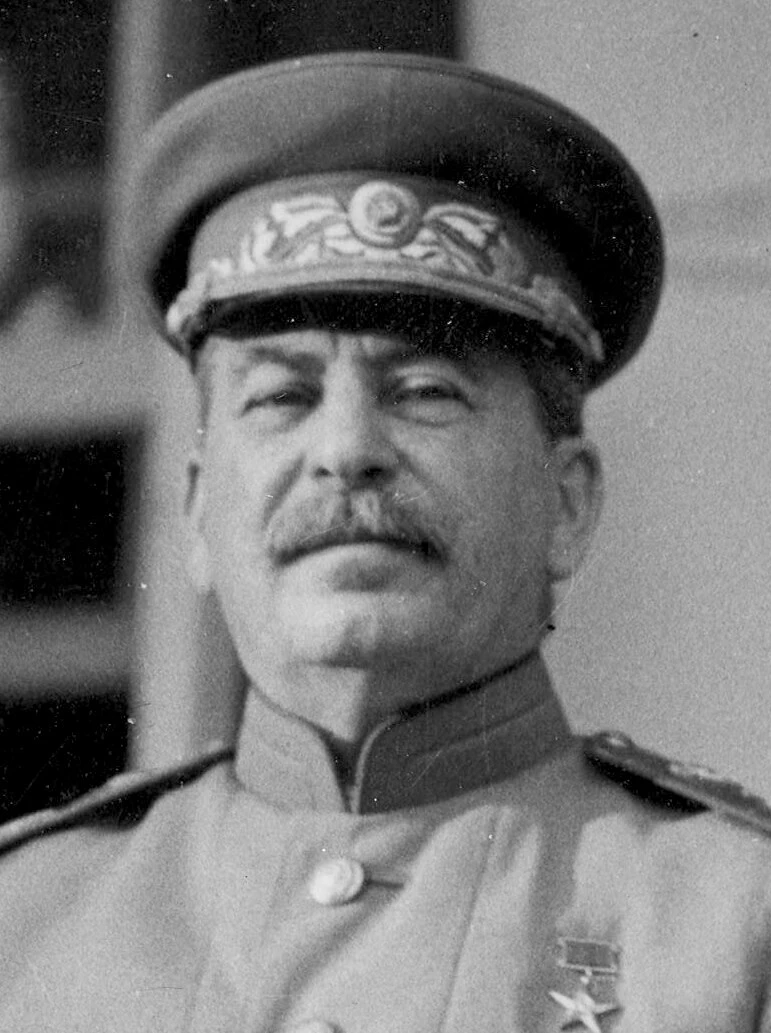
Stalin at the microphone — 'brothers and sisters'
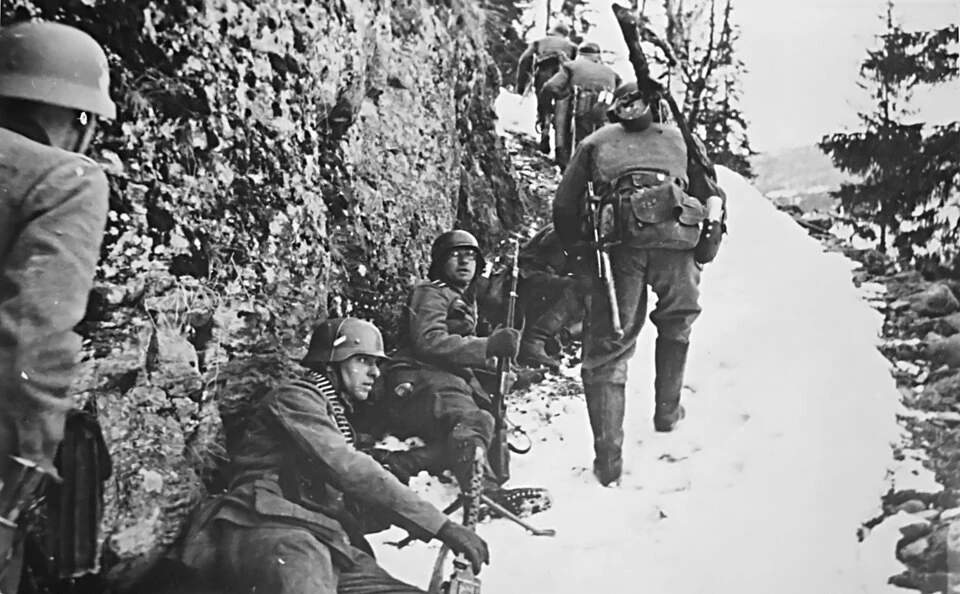
Weserübung — directive of 1 March
Spanish Wolfram
Mining the Rhine — Operation Royal Marine
Auchinleck replaces Wavell
Darlan and the fleet — 20 June
Finland after the Bombs — 25 June 1941
Rethondes — Article 8 on the Fleet
Roosevelt — destroyers for bases
Roosevelt and the Squadron for Singapore — Washington, October 1940
Stalin at the microphone — 'brothers and sisters'
Weserübung — directive of 1 March