
Fornebu — the transports under fire
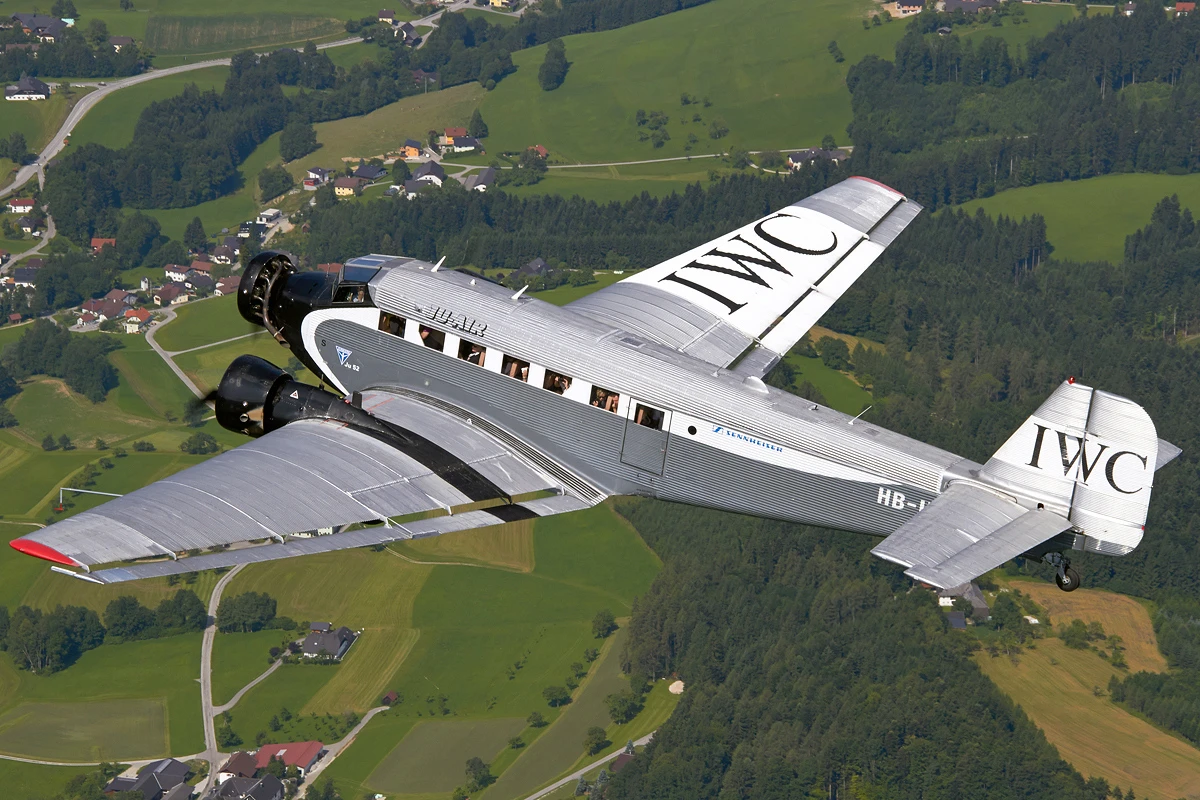
Hauptmann (Captain) commands, on 9 April 1940, the airborne infantry battalion charged with taking Fornebu airfield, the main airfield at the gates of Oslo. The German plan is stitched with precision: Fallschirmjäger (paratroopers) are to jump first to neutralise the defence, then Junkers Ju 52 transports will land to deliver Wagner and his infantry, opening the road to the capital.
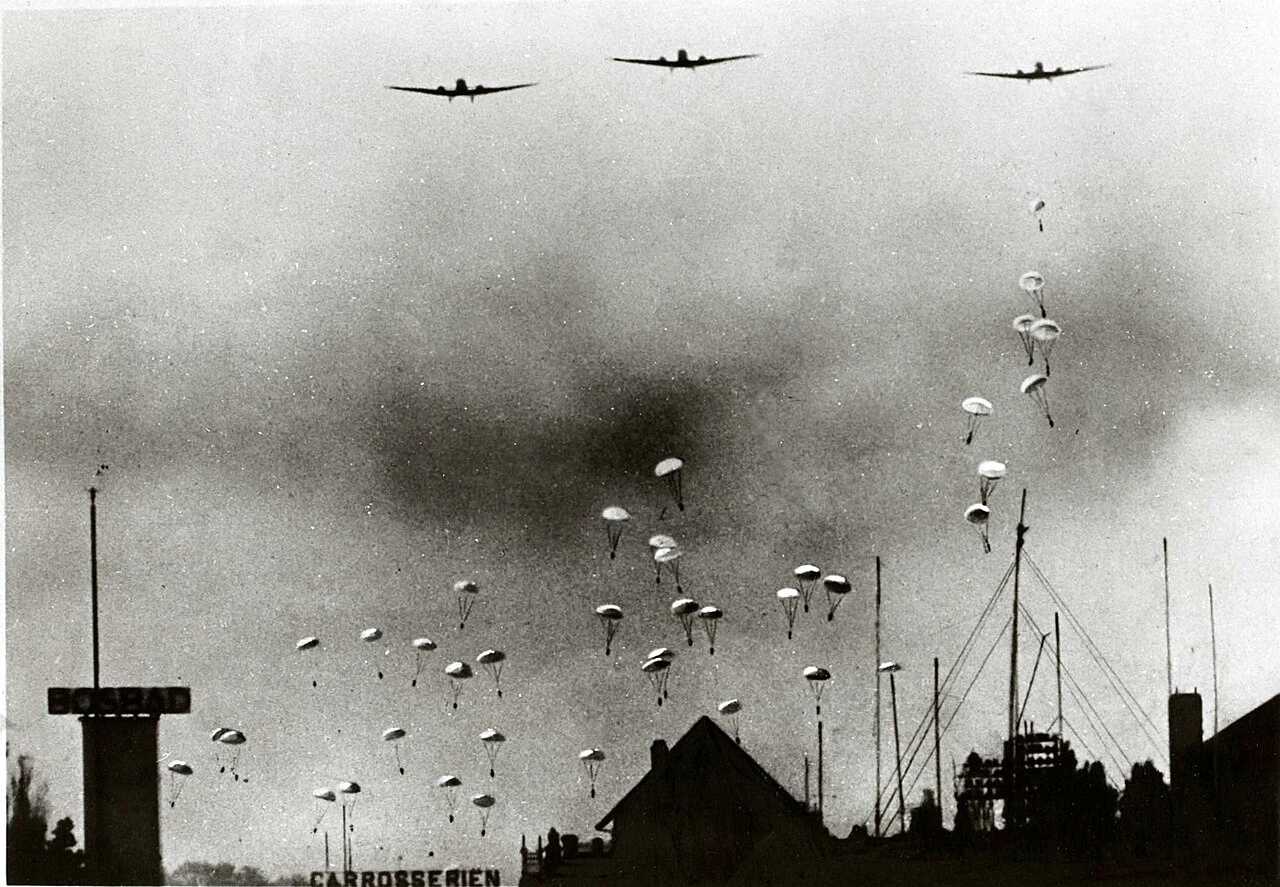
But the Oslofjord channel has remained blocked after the loss of the squadron flagship, and the overall schedule unravels. Above the North Sea, thick fog disorganises the formations. The paratroop drop on Fornebu is cancelled in flight because of the mist. The airfield is therefore not held: Norwegian anti-aircraft and fighters are still active around the runway.
Above all, had ordered that if the paratroopers did not jump, the rest of the air operation should be abandoned. General Geisler transmits to Wagner the order to break off. At the same moment, his transports are approaching the airfield under fire. Wagner must decide: land anyway, turn back, or divert.
Will you land your transports on a defended airfield, despite the order to abandon, or turn back?
Wagner chose A: he ignored the order to break off and sent his transports onto Fornebu. Ground fire at first prevented clean landings and cost several aircraft. The situation was saved by Lieutenant , whose Bf 110 heavy fighter escorts, short of fuel, landed on the runway and served as mobile machine-guns to drive back the defenders. The Ju 52s could then unload the infantry. By the afternoon, the airfield fell and the road to Oslo opened by air, compensating for the blockage of the fjord. The seizure of Fornebu, carried out on local initiative against orders, became one of the first major successes of an airborne landing in the war — an improvised model the Luftwaffe would study for a long time.
Learn more about this event
Related polls
10
The coup de main on Ében-Émael
The paratroopers on The Hague
Valkenburg — paras on a grass strip
Ypenburg — German paras outside The Hague
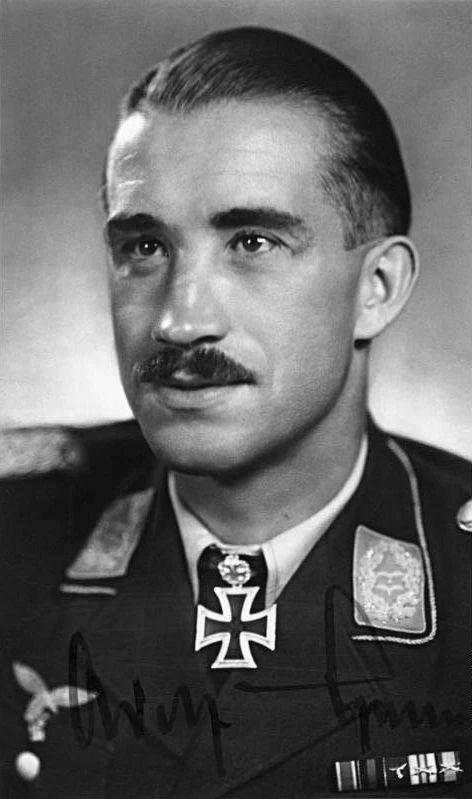
Galland over the Estuary
The Houx weir
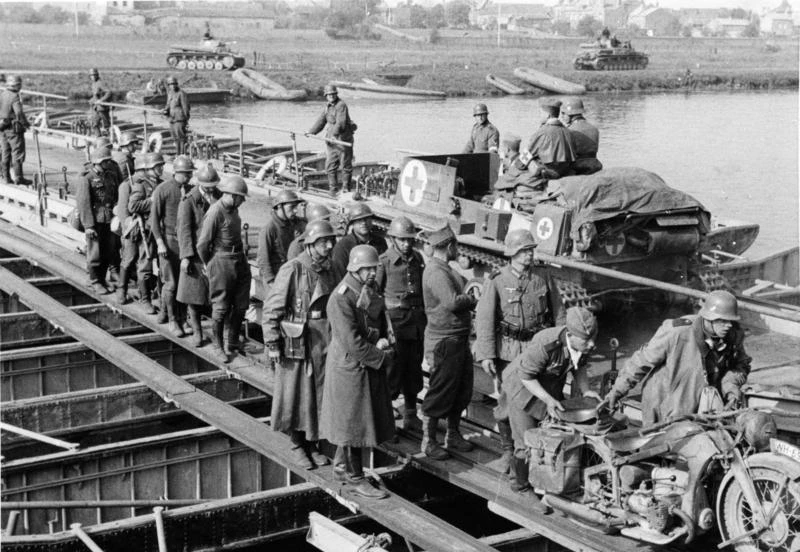
The deluge of Stukas over Sedan
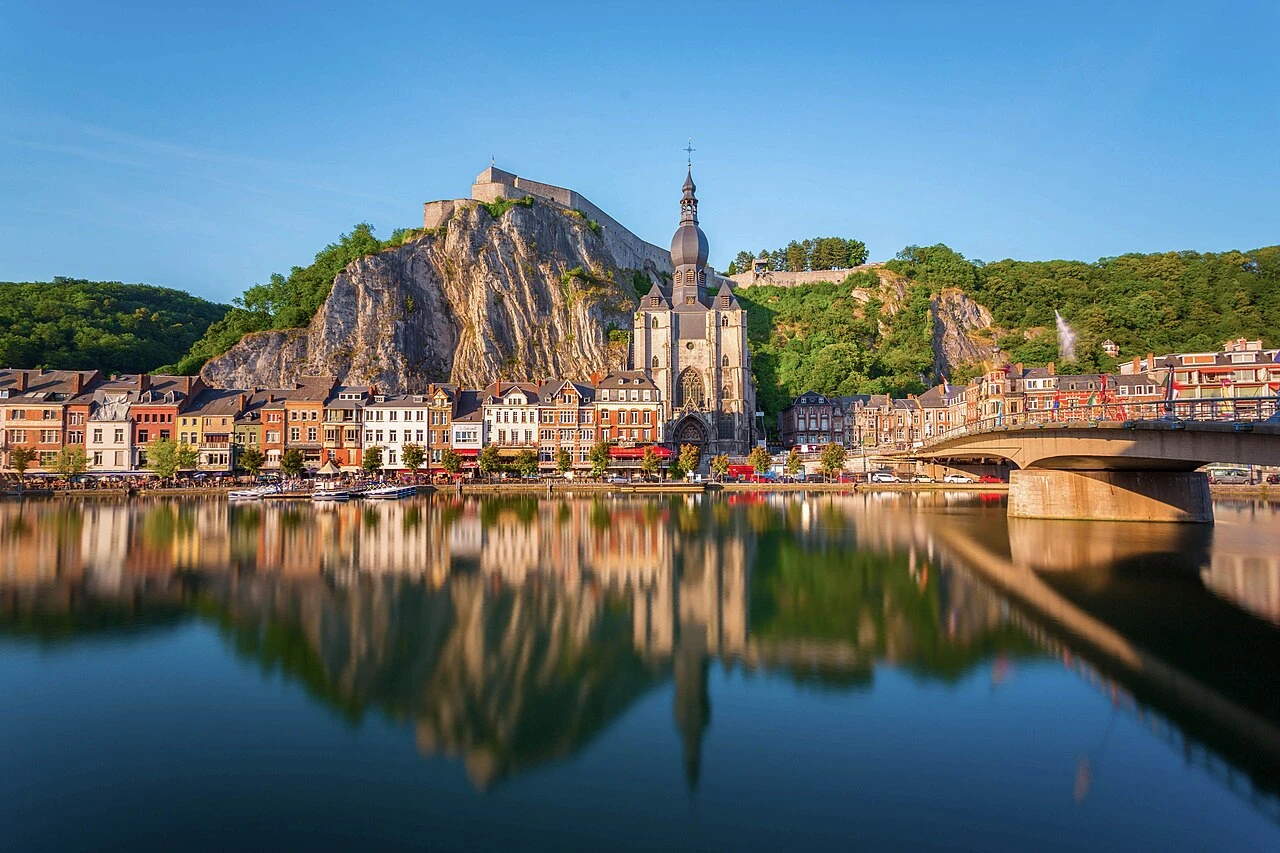
The crossing of the Meuse at Dinant
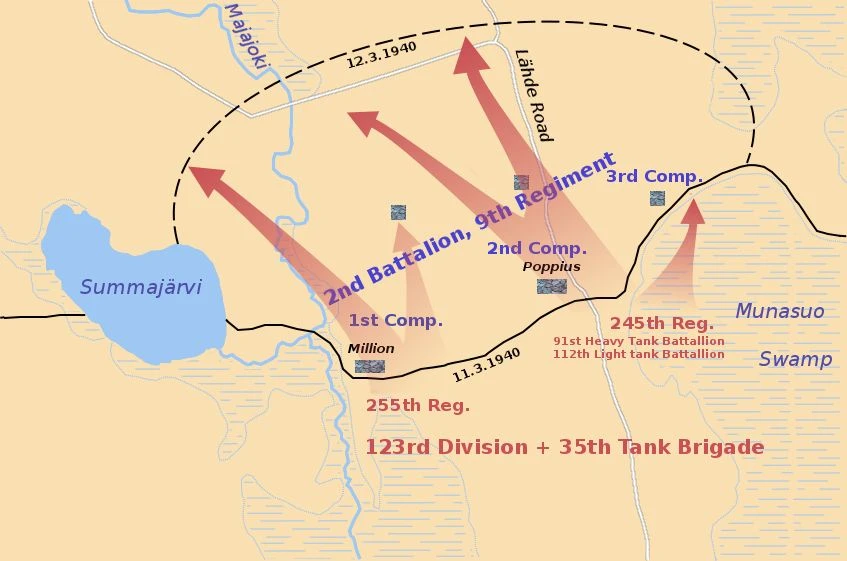
Lähde — Yakovlev against the Mannerheim bolt
The bridges of Maastricht — the sacrifice of the Battles
The coup de main on Ében-Émael
The paratroopers on The Hague
Valkenburg — paras on a grass strip
Ypenburg — German paras outside The Hague
Galland over the Estuary
The Houx weir
The deluge of Stukas over Sedan
The crossing of the Meuse at Dinant
Lähde — Yakovlev against the Mannerheim bolt