
Send out the Bismarck alone, or wait for her sisters
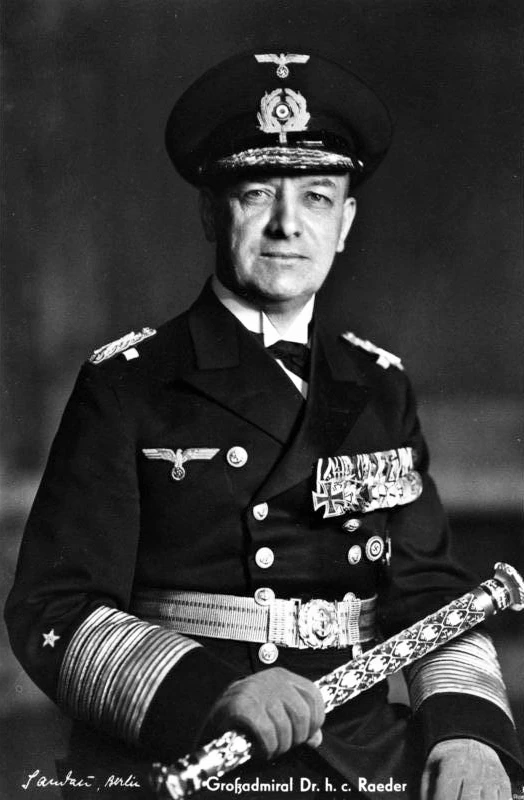
Grand Admiral has directed the Kriegsmarine since the earliest days of the Third Reich. A veteran of commerce raiding, he believes that a powerful surface fleet can strangle the convoys linking America to Great Britain — and he already has successes to his credit, such as the Berlin sortie of the Scharnhorst and the Gneisenau, which sank or captured some twenty ships.
In the spring of 1941, his jewel, the brand-new battleship Bismarck, is ready, flanked by the heavy cruiser Prinz Eugen. But Admiral , who is to command Operation Rheinübung, hesitates: he would like to wait until the Scharnhorst, under repair, or the brand-new Tirpitz, whose crew is still training, could join the sortie to form a truly formidable squadron.
Raeder, for his part, looks at the calendar with quite different eyes. He knows that the invasion of the Soviet Union is approaching and that the navy will play only a marginal role in it; he fears that Hitler will slash the budget for the big ships. He therefore needs a brilliant feat before the East. But the Scharnhorst will not be ready before July, and the British Home Fleet is watching.
Between his admiral's caution and the political urgency, Raeder must fix the moment of departure.
Should Raeder launch the Bismarck now with the Prinz Eugen alone, wait for the Scharnhorst or the Tirpitz as Lütjens demands, or call off the sortie?
Raeder chose A: overriding Lütjens's protests, he ordered the launch of Rheinübung with the Bismarck / Prinz Eugen tandem alone. His reasoning: the Scharnhorst would not sail before July, the Tirpitz's crew was not ready, and he needed a great naval victory before Barbarossa to protect the budget of the surface fleet. The operation opened on 18 May 1941. On 24 May, in the Denmark Strait, the Bismarck blew up the battlecruiser HMS Hood — a resounding triumph. But hit and betrayed by a fuel leak, the battleship was hunted down by the whole Royal Navy and sunk on 27 May, taking with her Lütjens and more than two thousand men. Raeder's gamble ended in the loss of the pride of the Kriegsmarine in a single sortie.
Learn more about this event
Related polls
10
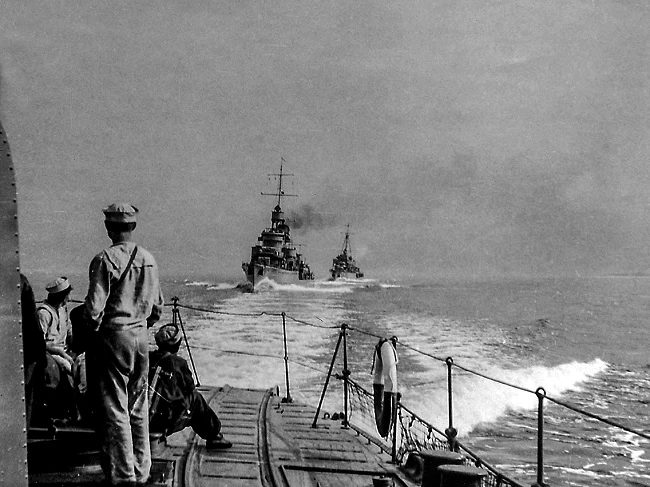
Operation Peking — Stankiewicz Facing the Sound
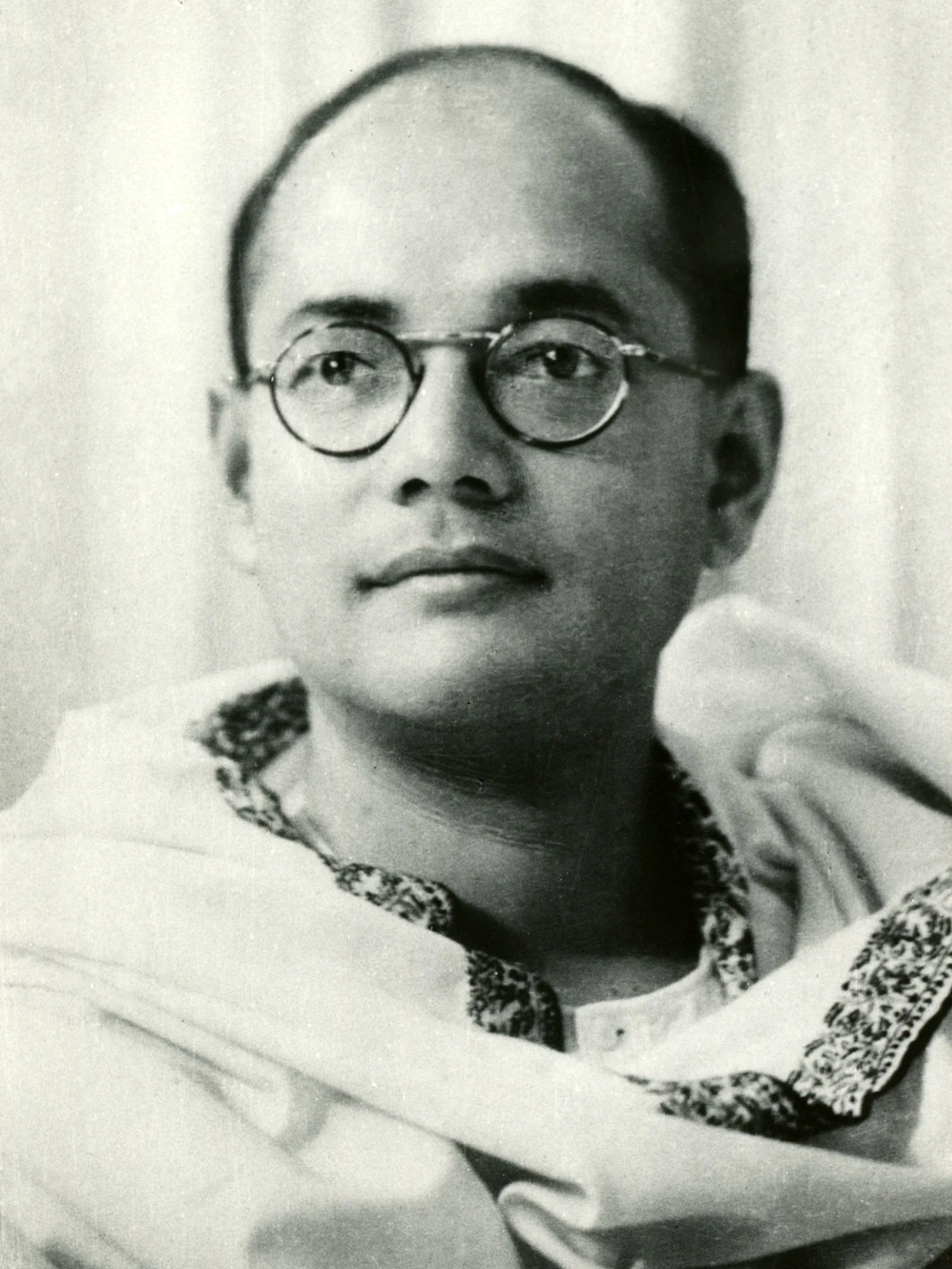
The Indische Legion — Subhas Chandra Bose in Berlin
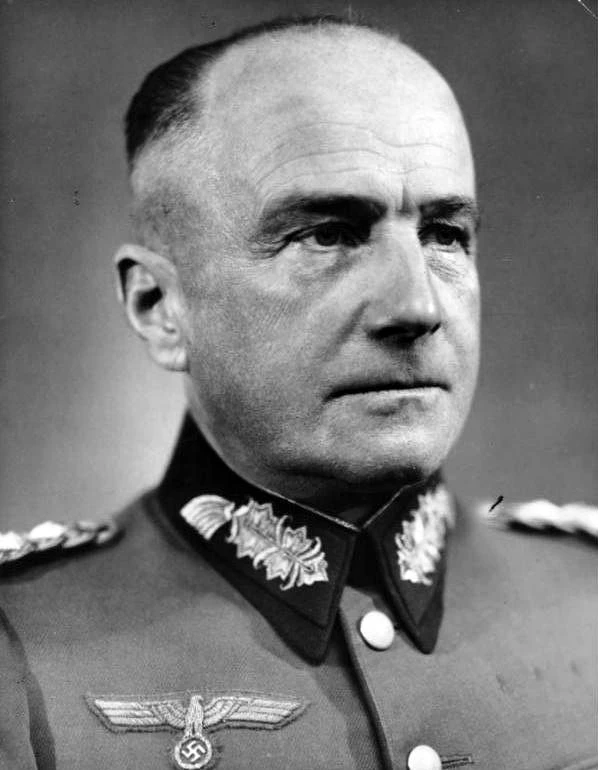
Brauchitsch — Reich Chancellery, 5 November
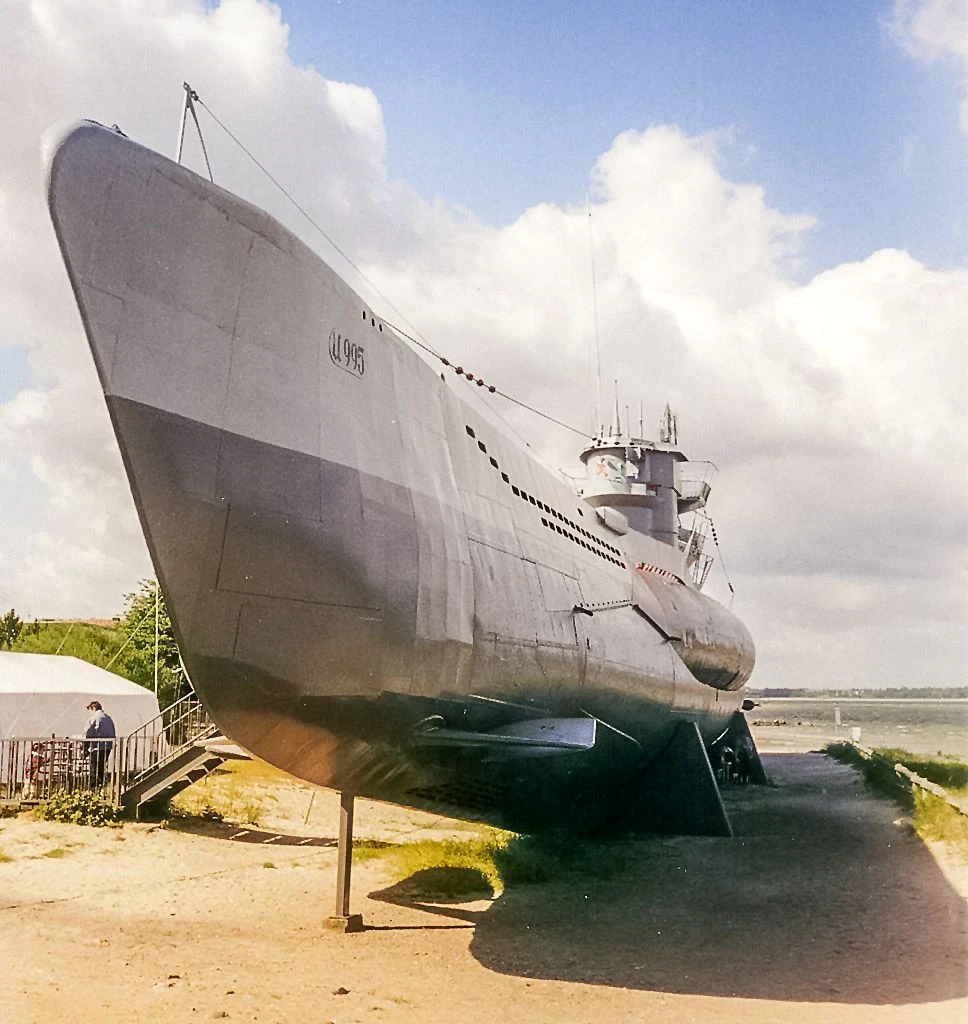
Dönitz at Sengwarden — the winter pause
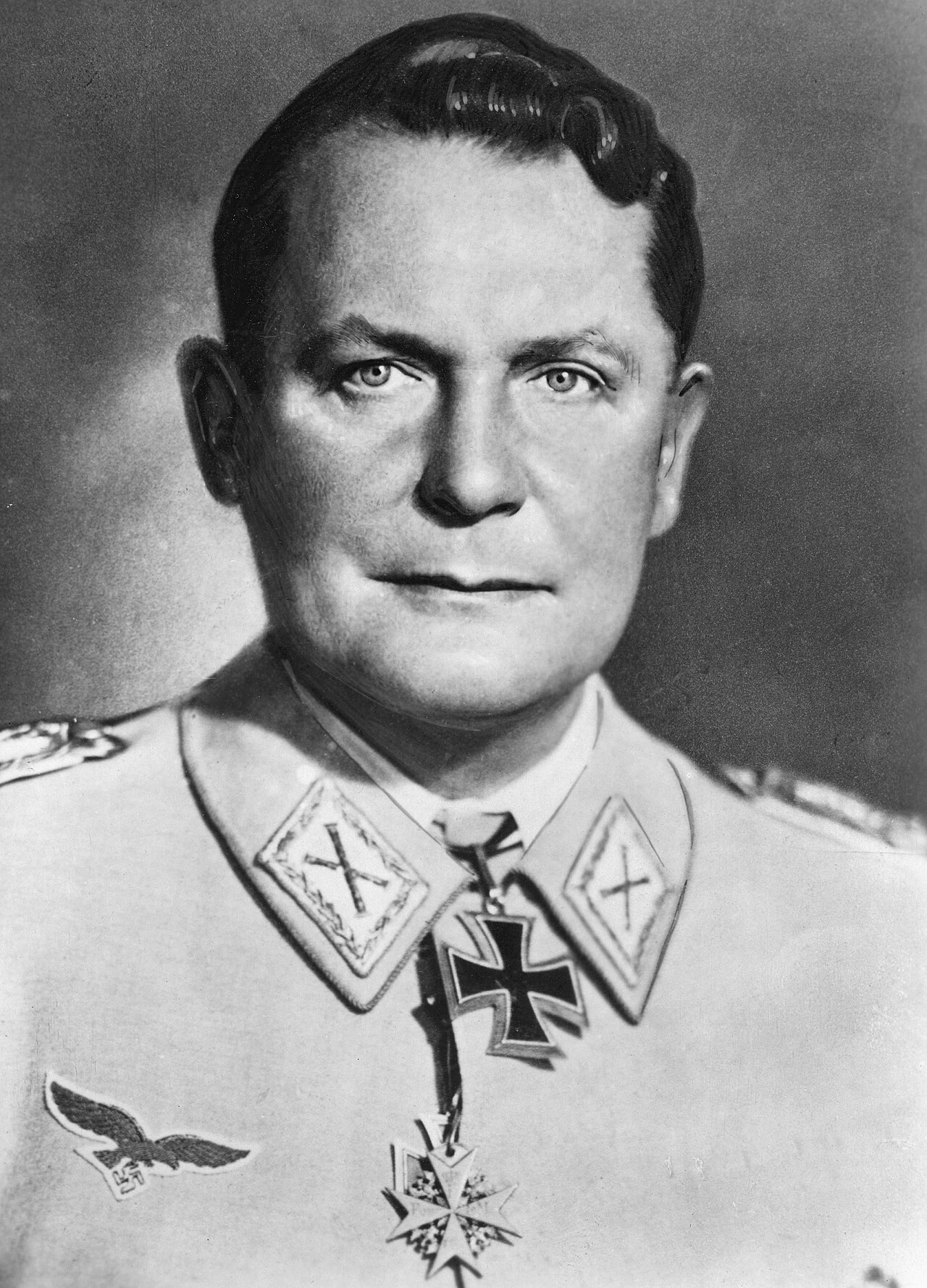
Goering at Carinhall — the promise to Hitler
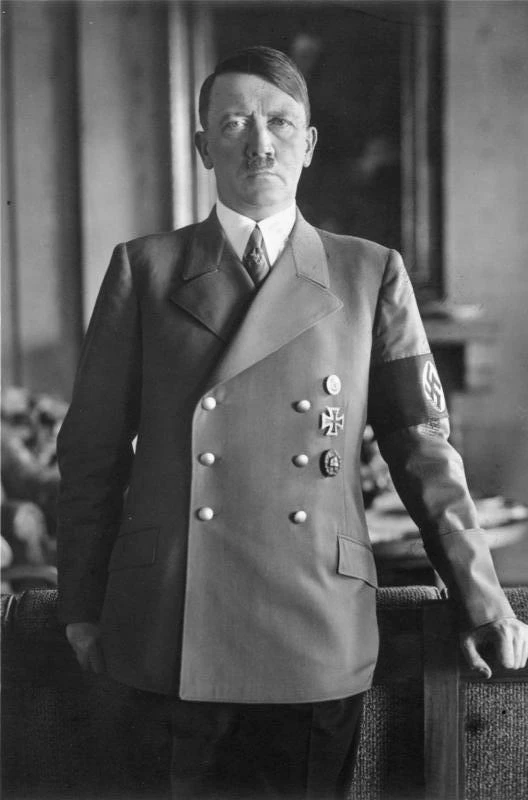
Hitler at the Felsennest — the anguish of the flanks
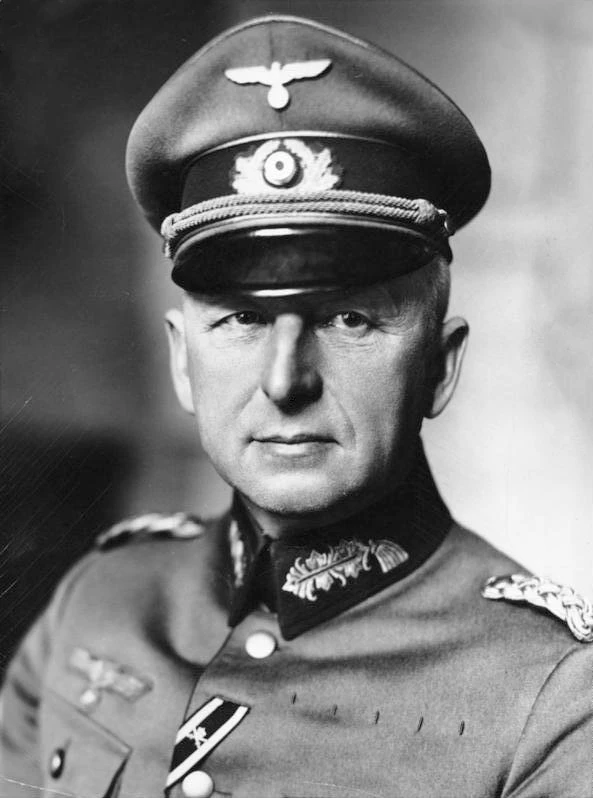
Manstein watches his plan — Koblenz, 10 May
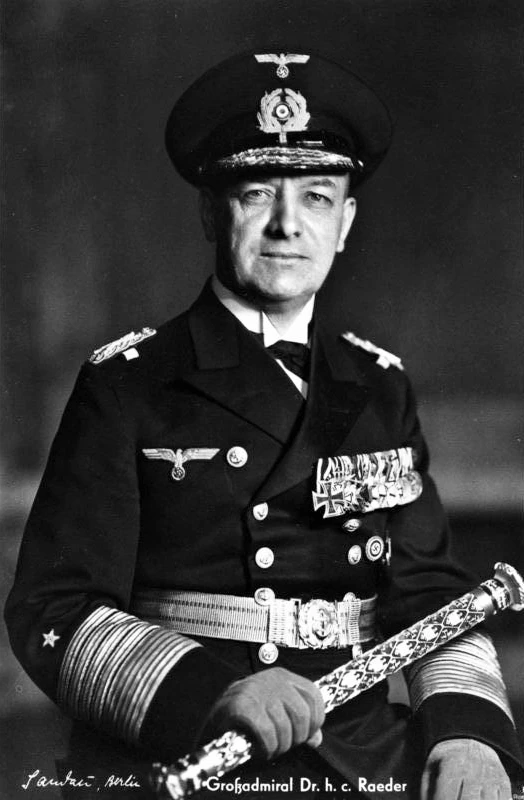
Plan Z
Raeder and the Seelöwe gamble
Smushkevich — report to Stalin
Operation Peking — Stankiewicz Facing the Sound
The Indische Legion — Subhas Chandra Bose in Berlin
Brauchitsch — Reich Chancellery, 5 November
Dönitz at Sengwarden — the winter pause
Goering at Carinhall — the promise to Hitler
Hitler at the Felsennest — the anguish of the flanks
Manstein watches his plan — Koblenz, 10 May
Plan Z
Raeder and the Seelöwe gamble