
The Kharkov railwayman and the Reichsbahn
When von Reichenau's takes Kharkov on 24 October 1941, it seizes one of the most important rail junctions in the USSR, commanding the links between Crimea, the Caucasus, the Dnieper and the Donbass. To move munitions, fuel and reinforcements, the Wehrmacht must keep the network running. But the Soviet track gauge has to be converted and staff are lacking: the Germans put the local railwaymen back to work under the authority of the Deutsche Reichsbahn.
For a railwayman who has stayed in Kharkov, the question is vital. The military administration confiscates food on a massive scale: by January 1942, a third of the roughly 300,000 inhabitants are suffering from hunger, and winter kills through the cold. A job with the Reichsbahn promises a ration card and a wage, but that wage buys almost nothing in an emptied market, and Eastern workers are paid far below the Germans.
Volunteering is only a façade: quotas, round-ups, deportation to Germany as Ostarbeiter, of whom Ukraine would supply the largest share. Working on the spot can for a time protect against deportation; refusing means risking the round-up or hunger. And the Soviets regard as suspect anyone who has passed under enemy administration: after the reconquest, the NKVD's "filtration" (interrogations, screening camps, sometimes the Gulag) awaits the civilians returning from occupied territory.
To survive the winter, should this railwayman take a job with the Reichsbahn, refuse all work for the occupier, or join the partisans?
In occupied Ukraine, the Reichsbahn was one of the main employers, and a majority of railwaymen went back to work, most often out of need for food and under the pressure of quotas, not out of allegiance. The wage bought little and did not exempt them from the risk of deportation as Ostarbeiter, Ukraine supplying the bulk of the Eastern workers sent to the Reich. Far from being rewarded, those who had worked for the occupier were, after the return of the , treated as suspects: the NKVD's filtration (systematised by the decree of November 1944) subjected those returning from occupied territory to interrogations and screening camps, some being assigned to labour battalions or to the Gulag.
Learn more about this event
Related polls
10
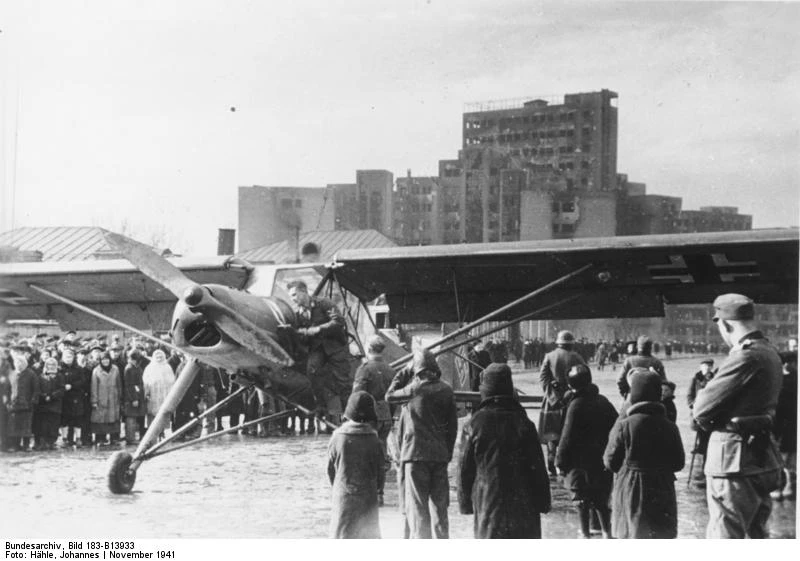
The Kharkov worker facing the dismantling of the tank factory
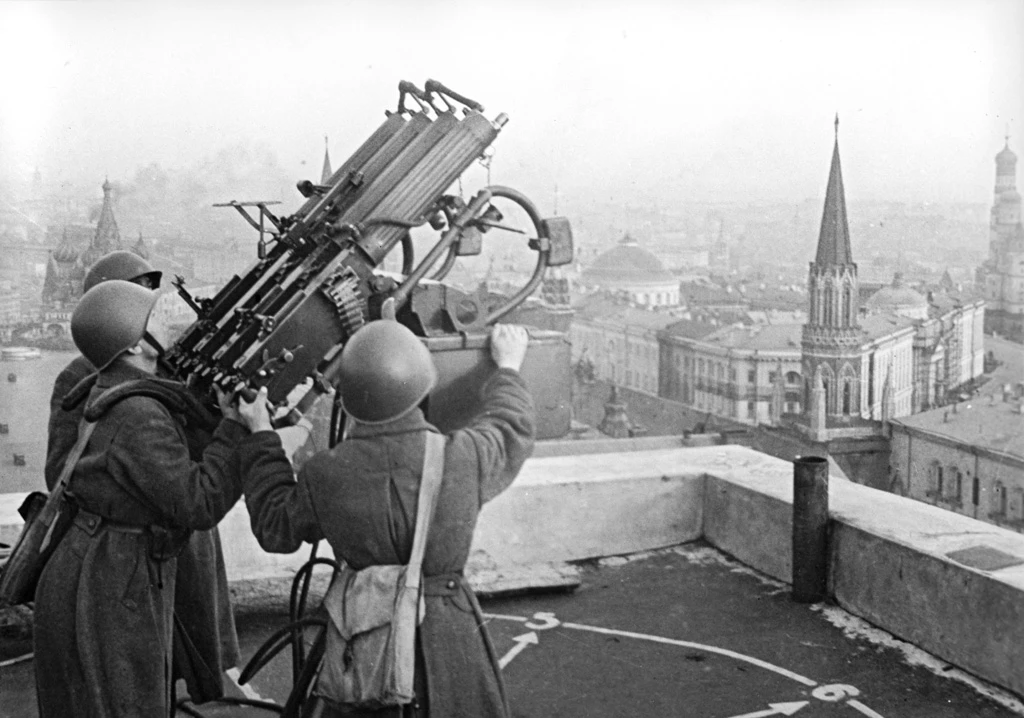
The physics student evacuated from Moscow
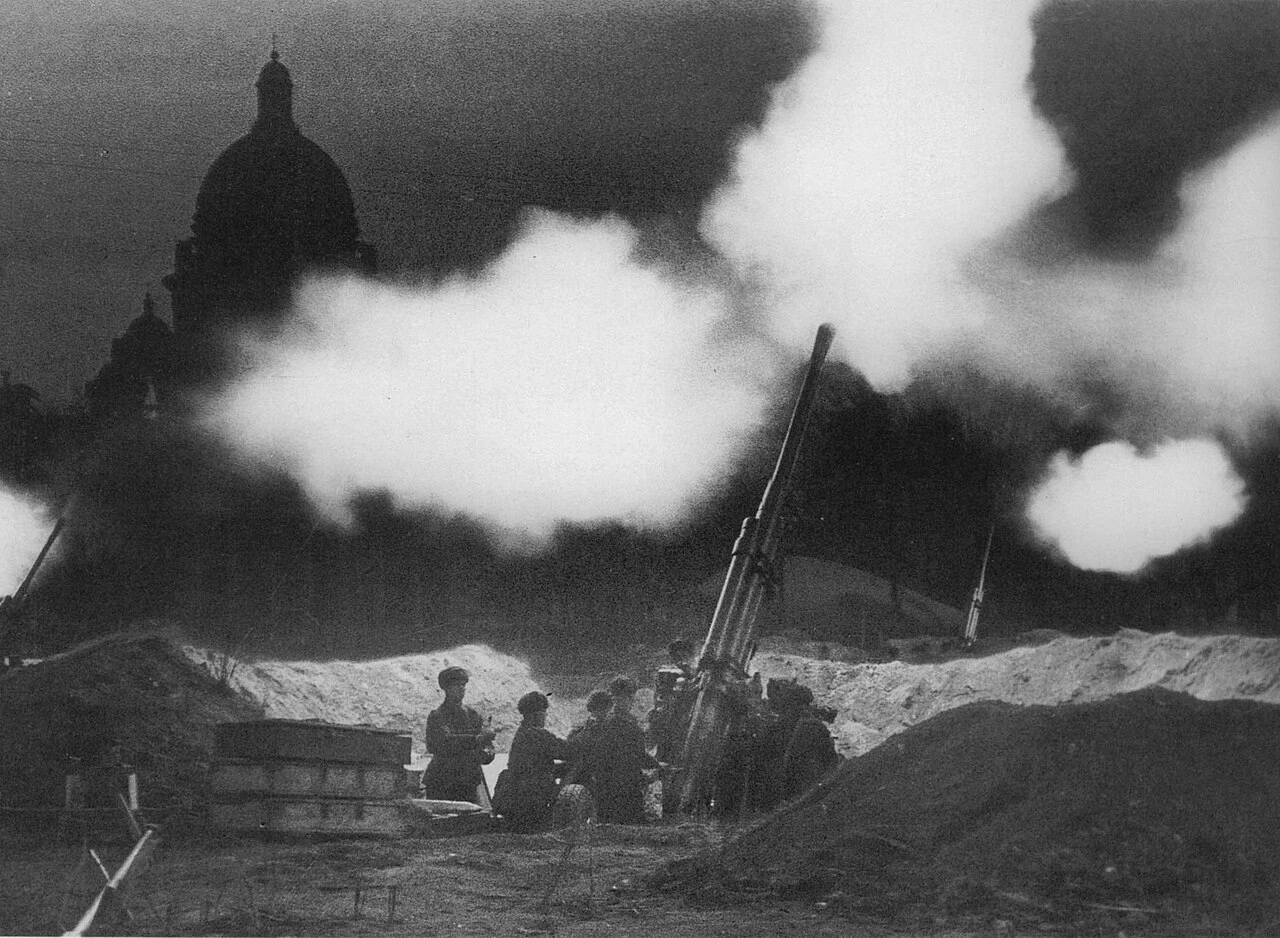
The Kirov Plant Under the Shells
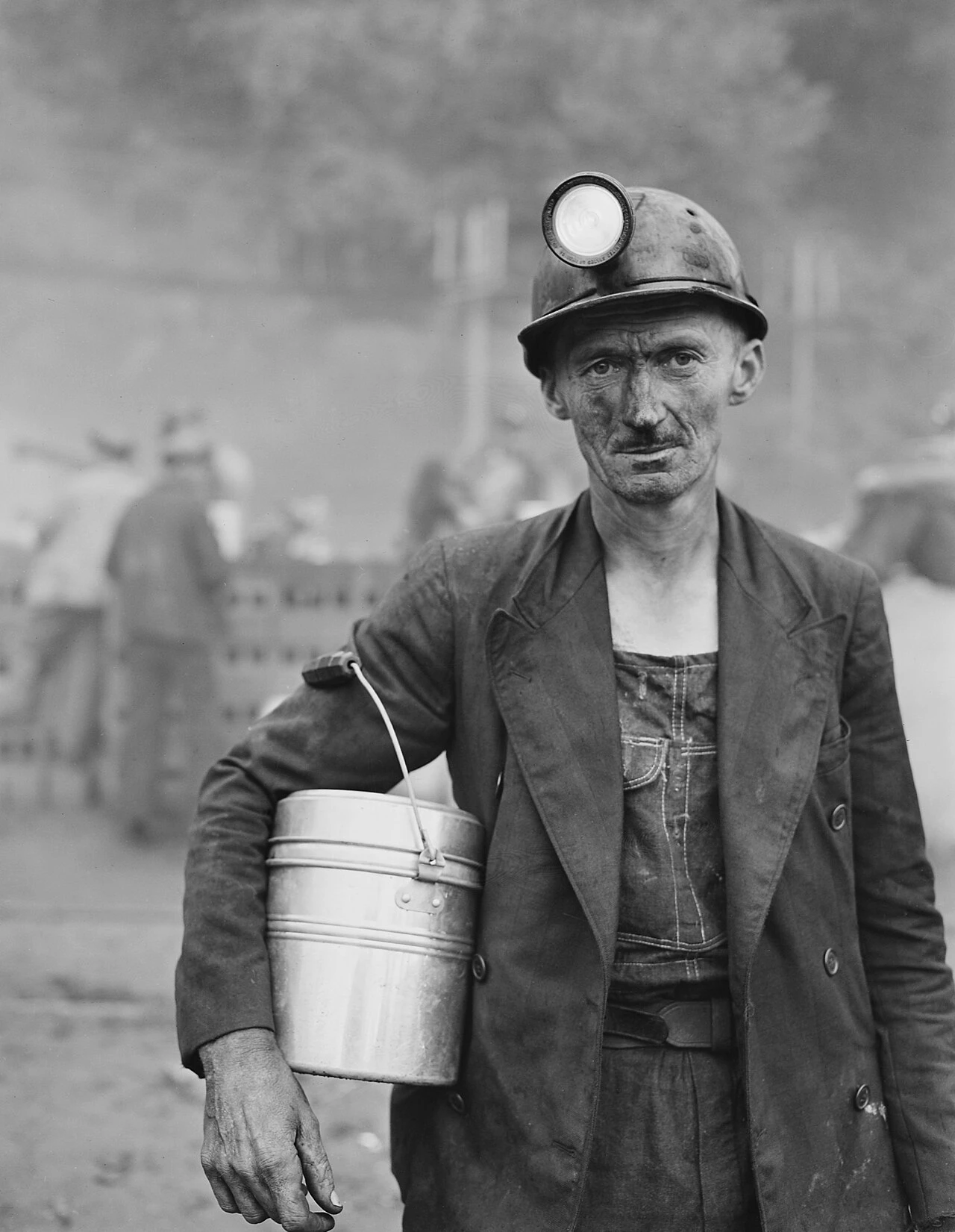
At the Dahomey pit, the morning of team-rate pay
Billancourt Under the Eye of the Occupier
The Soviet schoolteacher facing the German advance
Campine Coal and the Hunger of Year One
Soviet Sappers at Kharkov
British Clothes Rationing
Kiev, 29 September 1941: The Posted Notice
The Kharkov worker facing the dismantling of the tank factory
The physics student evacuated from Moscow
The Kirov Plant Under the Shells
At the Dahomey pit, the morning of team-rate pay
Billancourt Under the Eye of the Occupier
The Soviet schoolteacher facing the German advance
Campine Coal and the Hunger of Year One
Soviet Sappers at Kharkov
British Clothes Rationing