
In early 1941 at Gibraltar, commanded by Vice-Admiral , is one of the few instruments at British disposal for striking Italy in the western Mediterranean. After the Taranto raid and the Italian collapse in Libya, London wants to multiply the blows to Mussolini's morale and prestige, while demonstrating that the Royal Navy can strike right into Italian coastal waters.
The target chosen is Genoa, the great industrial port of the north, and its environs (La Spezia, Livorno). Operation Grog commits the battleship Malaya, the battlecruiser Renown and the carrier Ark Royal. But the undertaking is risky: the Italian battle fleet, though hurt at Taranto, remains powerful and could intercept Somerville far from his bases; bad weather and coastal defenses complicate the approach.
Somerville must decide whether or not to carry out this bold raid in enemy waters: drive on to bombard Genoa for the political and material effect, despite the risk of being cut off from Gibraltar; abandon for lack of guarantees; or limit himself to a demonstration offshore, without exposing himself in the Gulf of Genoa.
Should Somerville carry out the bombardment of Genoa in Italian waters?
Somerville carried out A. On the morning of 9 February 1941 bombarded Genoa — several hundred heavy shells on the port and the city, ships sunk in the basin — while Ark Royal's aircraft attacked La Spezia and mined Livorno. The Italian fleet, poorly informed, failed to intercept Somerville, who returned to Gibraltar unscathed. The raid did limited material damage but had a great psychological effect: it humiliated Mussolini, already weighed down by the reverses in Africa and Greece, and demonstrated the inability of the Regia Marina to protect its own coasts. Grog illustrated British strategy in the winter of 1941: strike Italy wherever it was vulnerable, to keep it on the defensive while awaiting the harder ordeal coming with the entry of the Germans.
Learn more about this event
Related polls
10
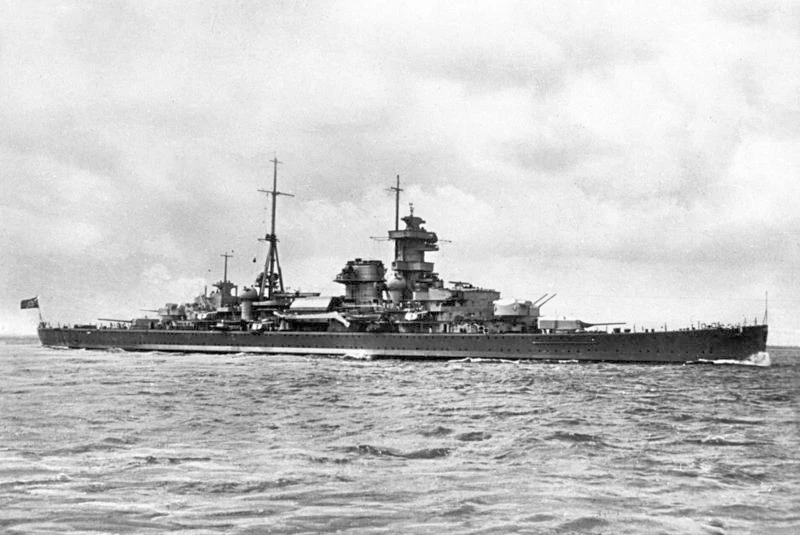
An unescorted convoy in the grey morning
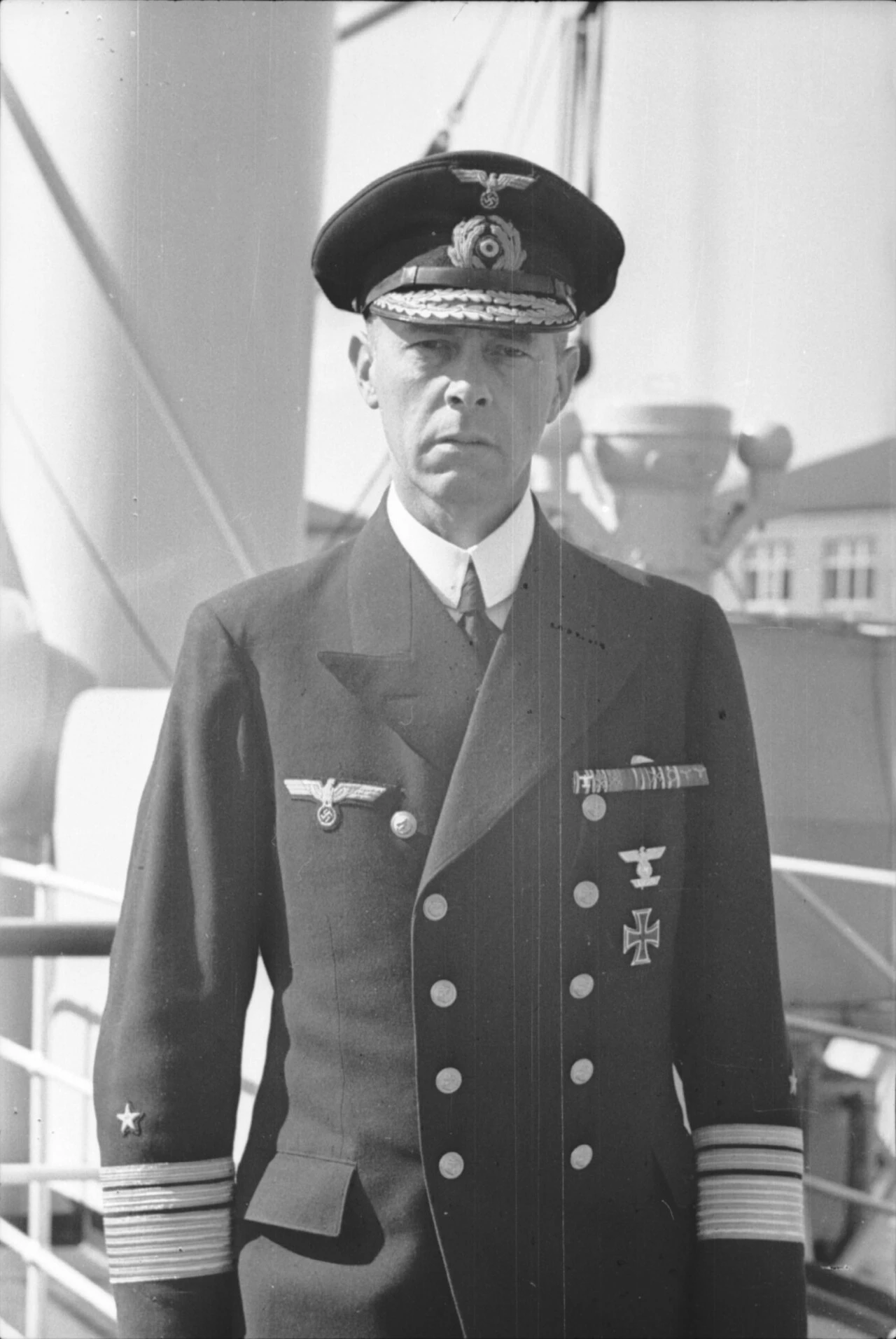
An escort battleship on the convoy's route
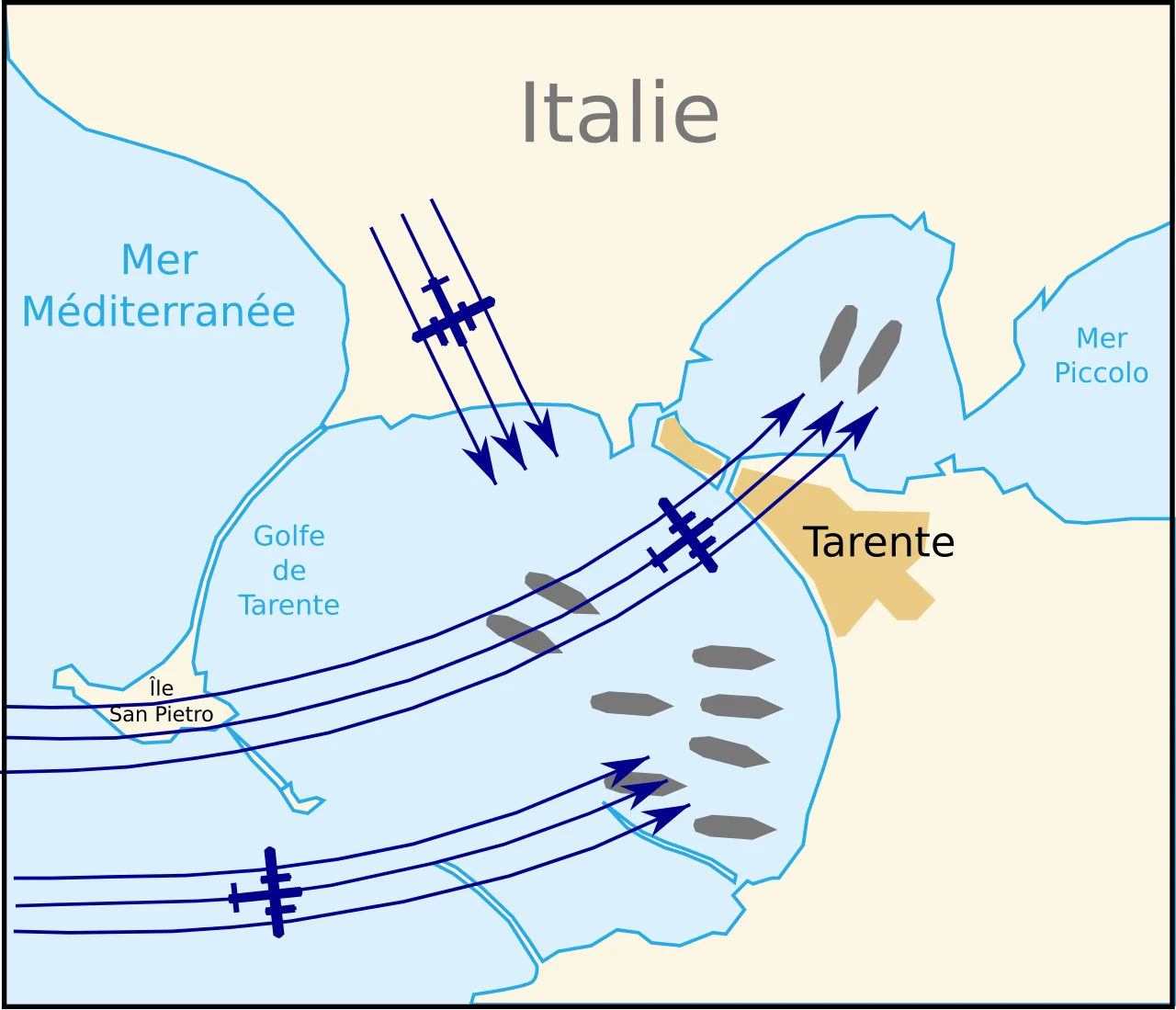
Taranto — the night of the Swordfish
Striking the neighbouring fleet to break the incursions
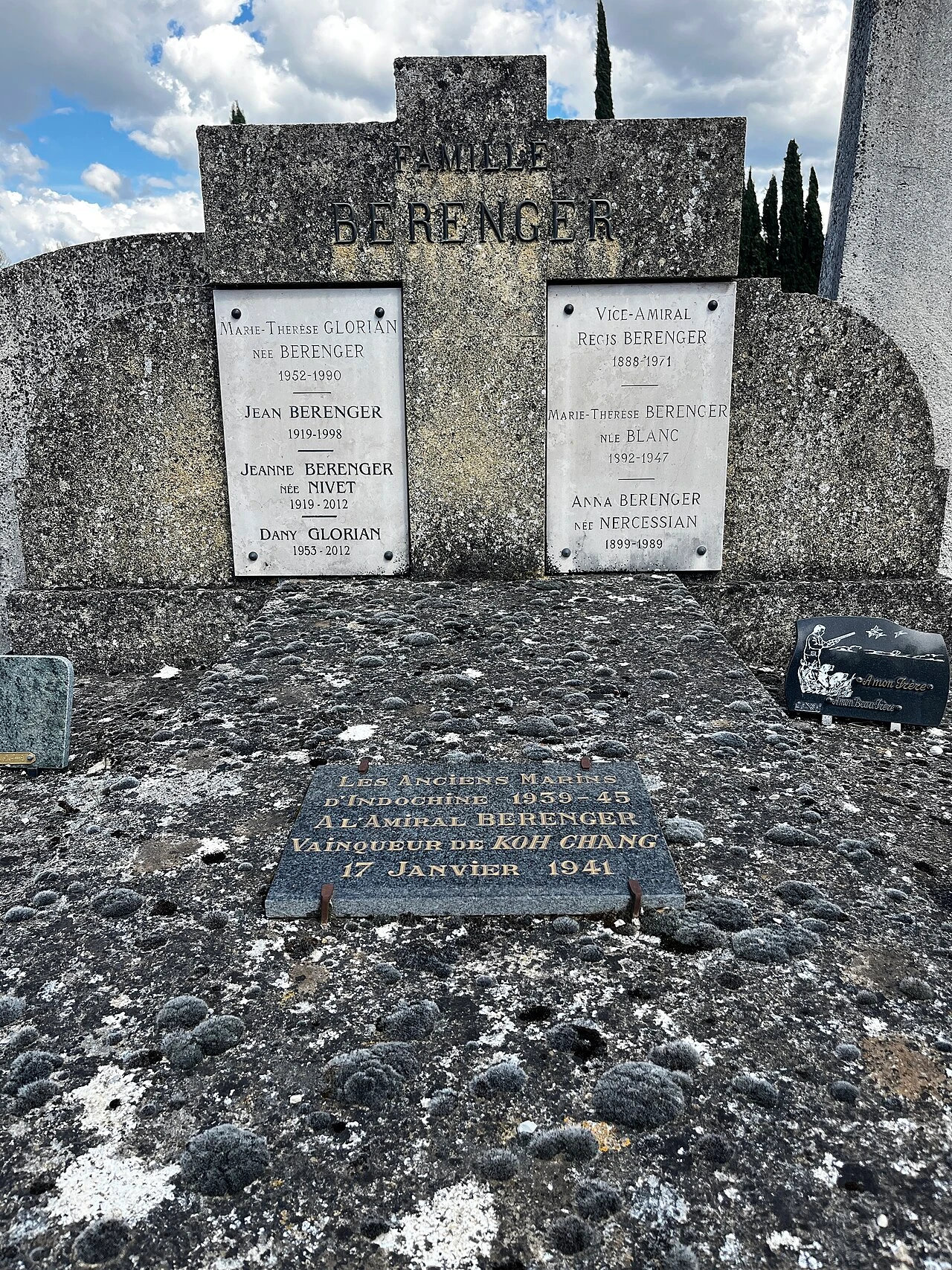
Koh Chang — the Franco-Thai War
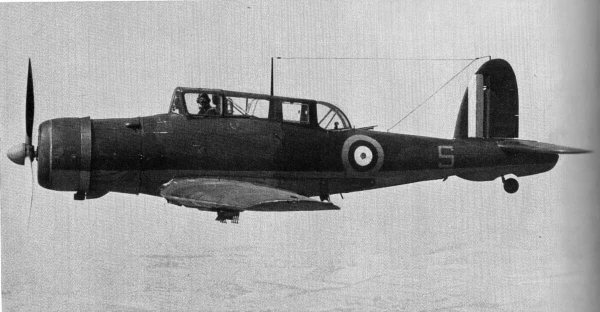
Bergen — the Skuas at extreme range
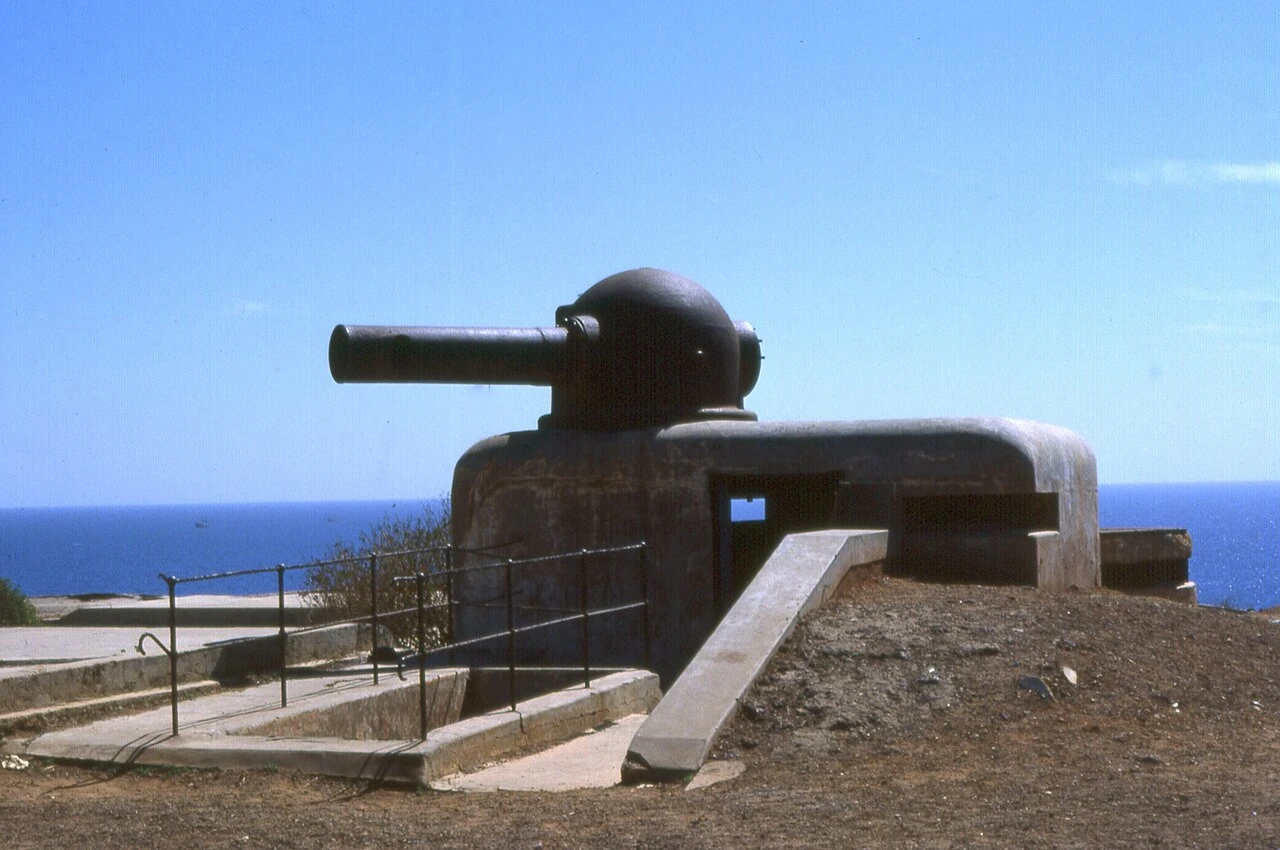
Dakar — de Gaulle and Operation Menace
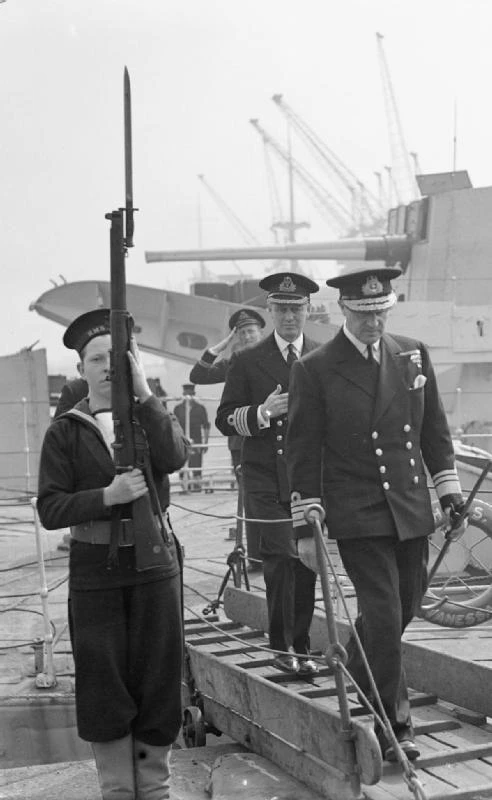
Whitworth and the Warspite — 13 April
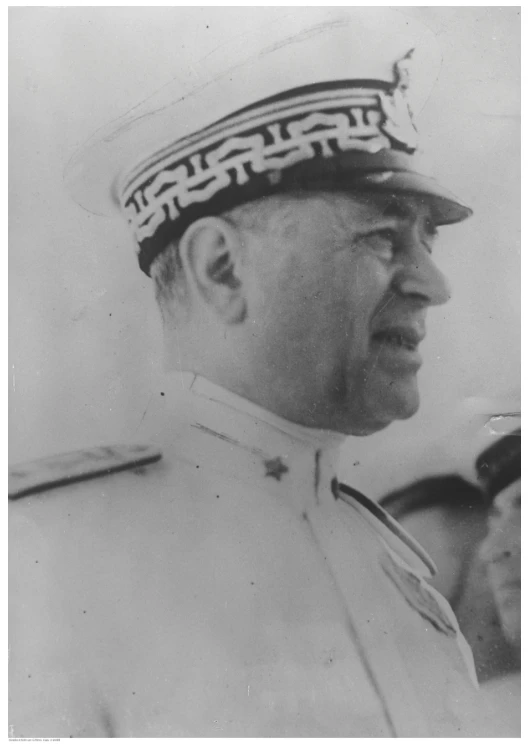
The Regia Marina against Force H — Cape Spartivento
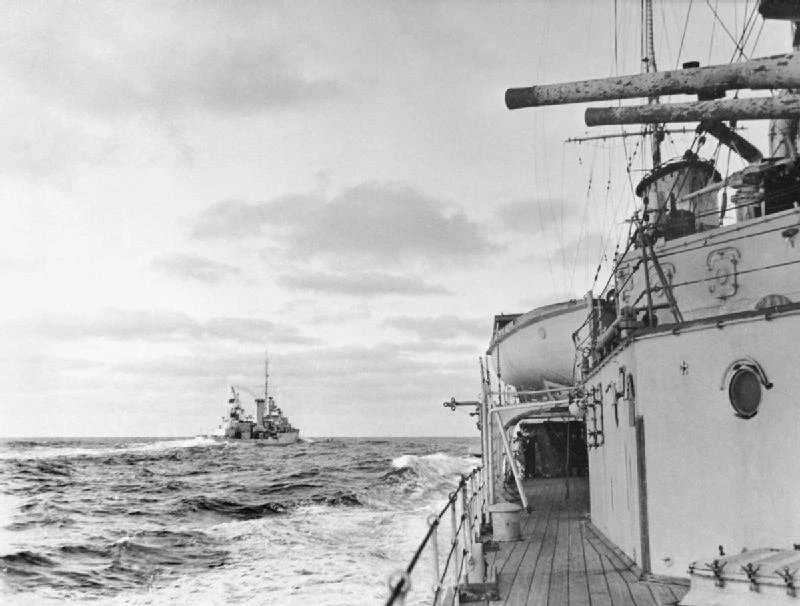
Harwood against the Graf Spee
An unescorted convoy in the grey morning
An escort battleship on the convoy's route
Taranto — the night of the Swordfish
Striking the neighbouring fleet to break the incursions
Koh Chang — the Franco-Thai War
Bergen — the Skuas at extreme range
Dakar — de Gaulle and Operation Menace
Whitworth and the Warspite — 13 April
The Regia Marina against Force H — Cape Spartivento