
Tehran, September 1941: A Throne Under the Allied Boot
Since 25 August 1941, the British columns coming up from the south and the Red Army descending from the north have broken the resistance of the imperial army in a matter of days. The Allies make no secret of their reasons: to secure the "Persian Corridor," that rail and road route through which Lend-Lease materiel must transit to a bled-white Soviet Union, and to lock down the Anglo-Iranian oil fields around Abadan. Officially neutral, Iran was paying the price for its supposed closeness to the Reich and the presence of German technicians; in reality, its geography made it a vital artery that London and Moscow could not leave beyond their control.
In Tehran, the sovereign who has built the modern state since 1925 watches his authority crumble hour by hour. Foreign troops are converging on the capital, the national army has collapsed almost without a fight, and Allied radio attacks the monarch by name, judged too authoritarian and too pro-German. The palace hums with rumors and contradictory counsel. Every outcome under consideration involves not only an aging man, but a young dynasty, an heir educated in Switzerland, and the future of an occupied nation.
The British let it be understood that they would accept a solution preserving the crown, on condition that the man of the hour step aside. The emissaries await an answer in the antechamber, and time is pressing.
In Reza Shah's place, on 16 September 1941, what do you decide in the face of the Anglo-Soviet occupation?
Reza Shah chose to abdicate on 16 September 1941 in favor of his son, Mohammad Reza Pahlavi, then aged 21, who ascended the throne at once. This act saved the dynasty, but the former sovereign was taken into exile by the British: brought first to Mauritius and then to Johannesburg, in South Africa, he died there on 26 July 1944 without ever seeing Iran again. The country remained occupied by the Allies and was, in November-December 1943, the setting of the Tehran Conference bringing together Roosevelt, Churchill, and Stalin. Soviet troops did not withdraw until 1946, after a major crisis of the nascent Cold War.
Learn more about this event
Related polls
10
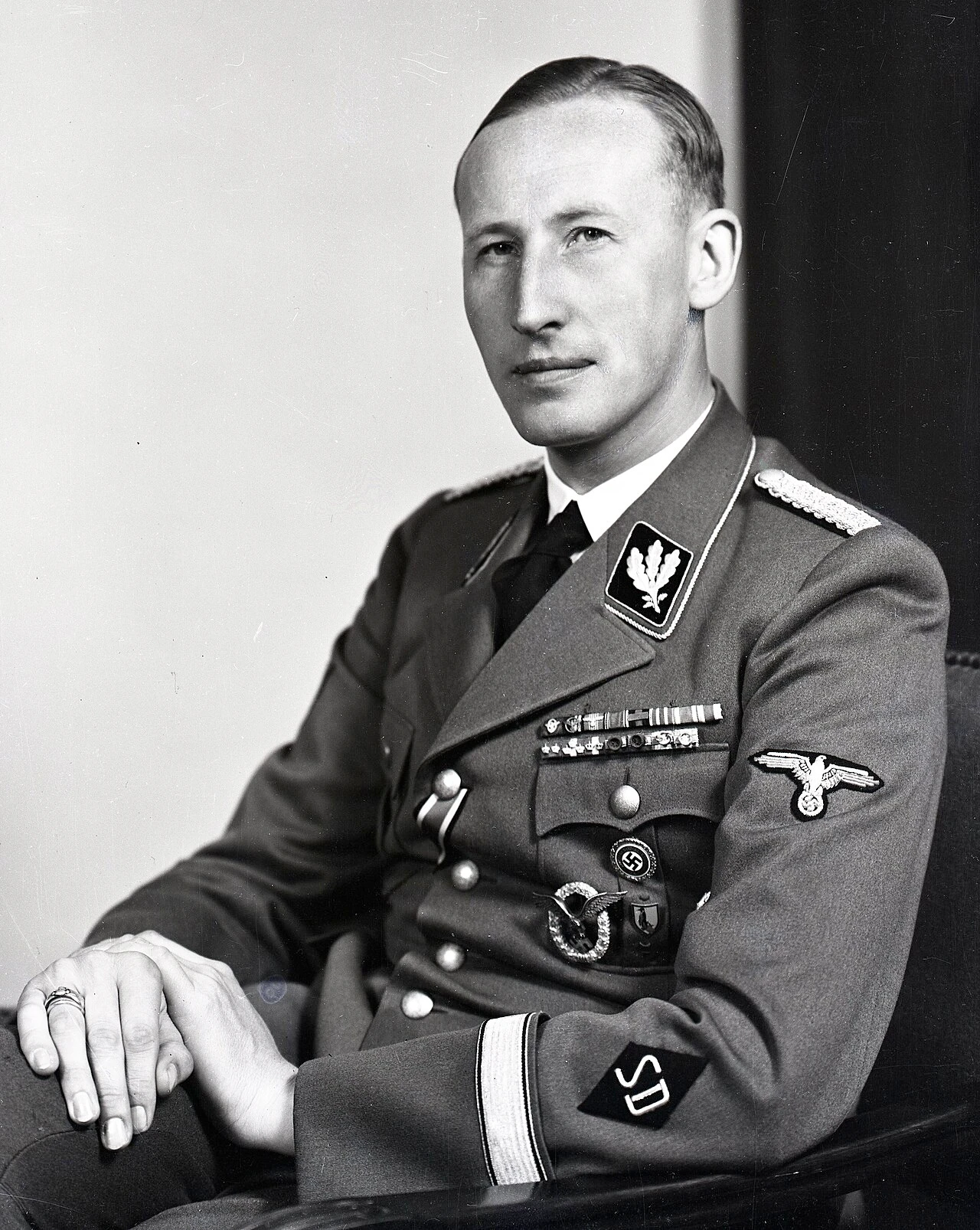
Heydrich Arrives in Prague
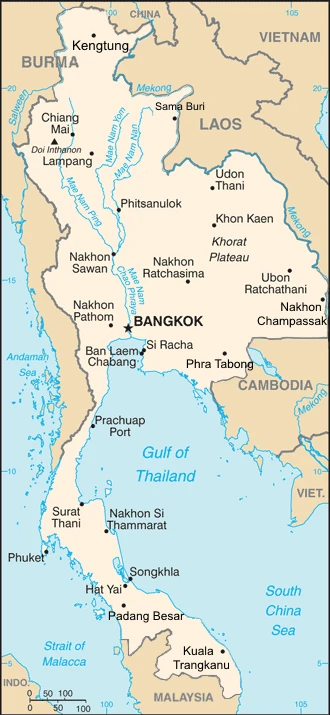
Japan enters southern Indochina
Oslo, September 1941: The Milk Strike
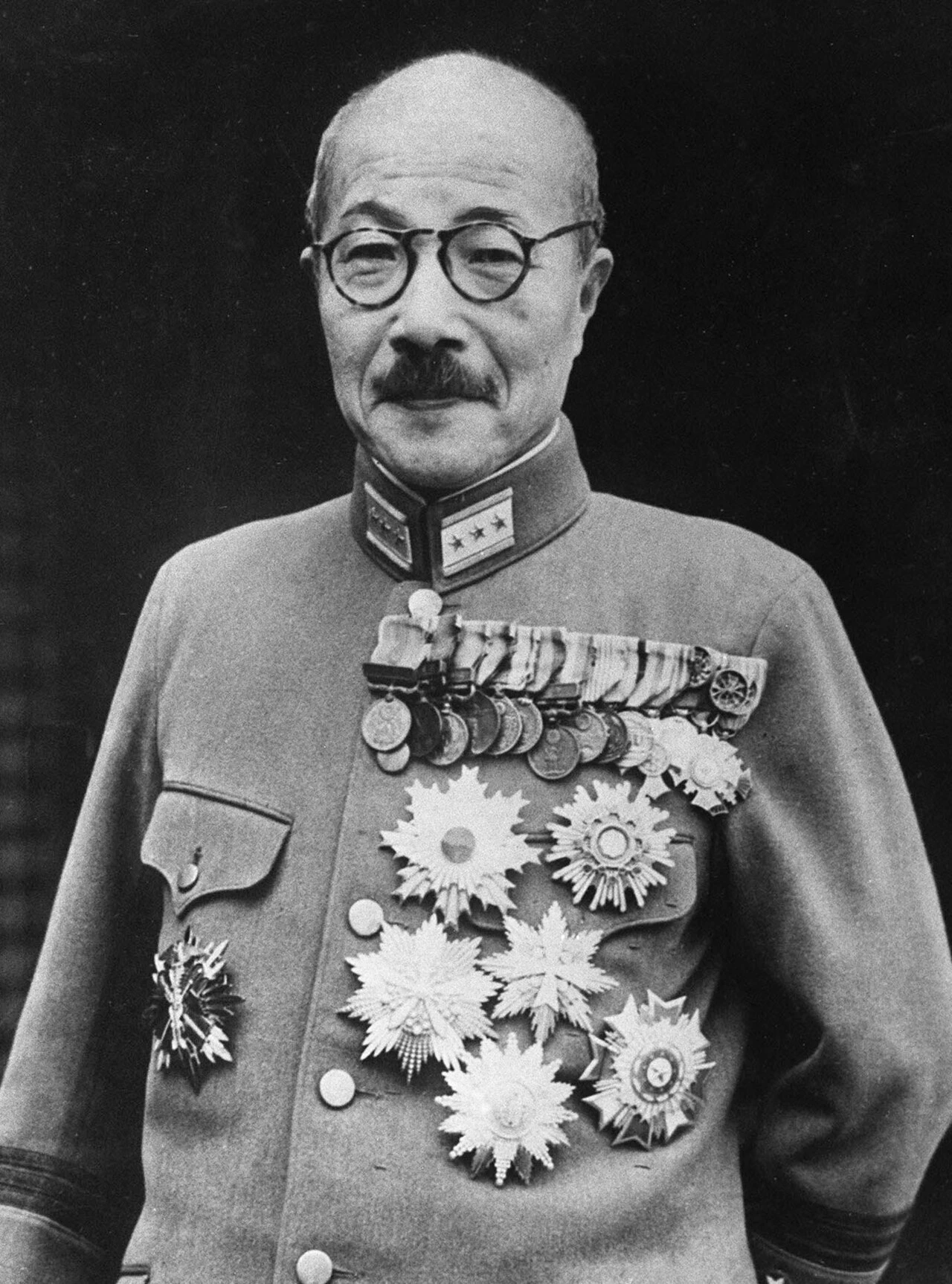
Tojo as Prime Minister: Reopening the Question of War
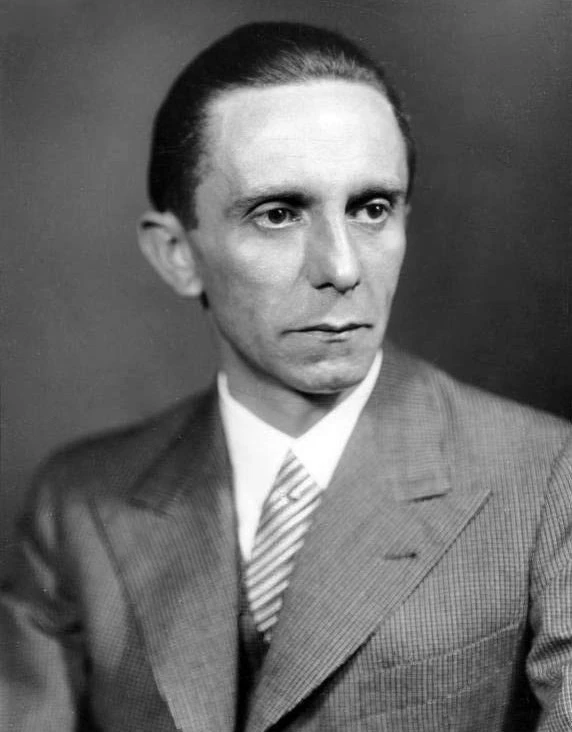
Berlin, October 1941: The Words of Victory
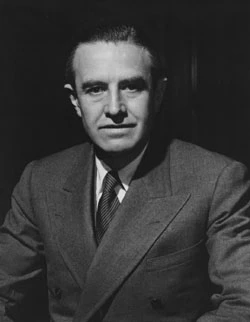
The Atlantic Charter
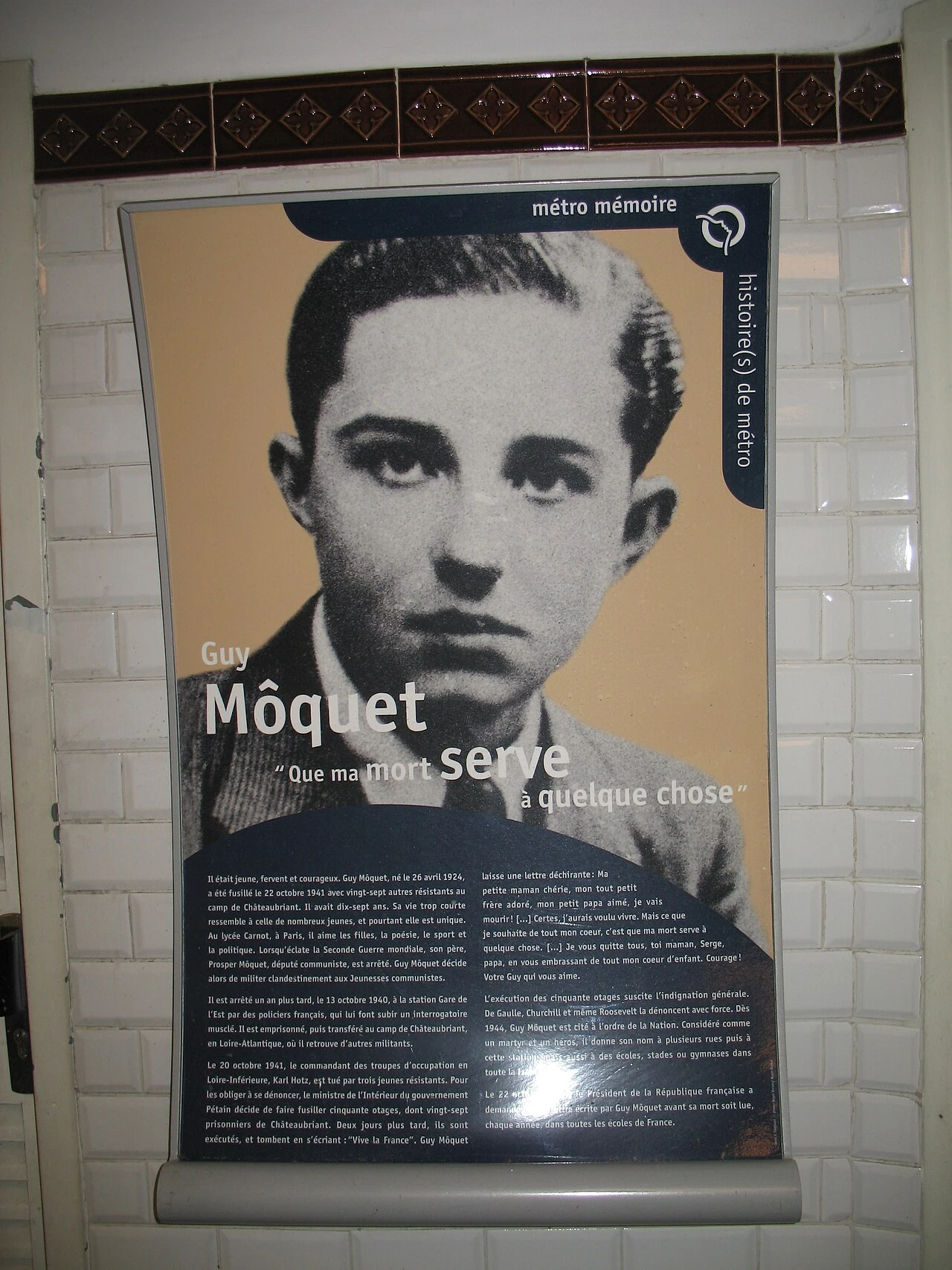
Châteaubriant: The List of Hostages
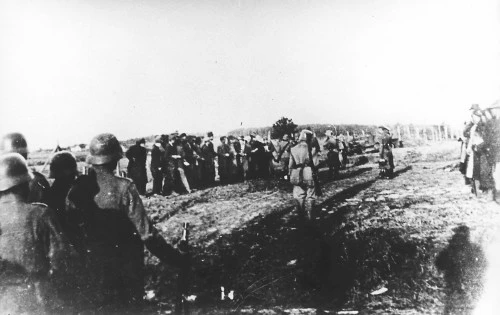
Denouncing the partisans under the terror of reprisals in Serbia
The deportation of the Volga Germans
Should Stalin Be Armed?
Heydrich Arrives in Prague
Japan enters southern Indochina
Oslo, September 1941: The Milk Strike
Tojo as Prime Minister: Reopening the Question of War
Berlin, October 1941: The Words of Victory
The Atlantic Charter
Châteaubriant: The List of Hostages
Denouncing the partisans under the terror of reprisals in Serbia
The deportation of the Volga Germans