
The Capitulation of 28 May
On 27 May 1940, after eighteen days of fighting, the Belgian army is cornered in a redoubt of Flanders, its back to the sea, pushed back onto the Yser and the Lys. Ammunition and food are running out, refugees are piling up, and the front, constantly driven back, can no longer be held. King , commander-in-chief, must decide the fate of his army.
To continue the fight is to give a few more hours to the nearby Allied evacuation at Dunkirk, but to condemn his soldiers to a pointless massacre in a cramped space packed with civilians. To capitulate is to halt the bloodshed, but to take Belgium out of the war, expose the Allies' flank and provoke a major political crisis — the government, having fled abroad, is opposed to it.
Leopold may capitulate to spare soldiers and civilians. He may pursue the fight to the point of exhaustion, in the name of Allied solidarity. Or he may try to evacuate part of the army to England or France. The decision will have immediate military and lasting political consequences.
Should Leopold III capitulate, pursue the fight to the end, or try to evacuate his army?
chooses A: during the night of 27–28 May 1940, the Belgian army capitulates unconditionally, judging any continuation of the fight hopeless. The surrender, taken without consulting the Allies or the government, arouses the anger of Paris and London (the French Prime Minister Reynaud denounces it publicly) and complicates the Dunkirk evacuation by exposing a flank. The Belgian government in exile disowns the King. This capitulation, and Leopold's choice to remain a prisoner in his country, open the "Royal Question" that will poison Belgian political life for more than a decade. Militarily understandable, the decision will carry a considerable diplomatic and political cost.
Learn more about this event
Related polls
10
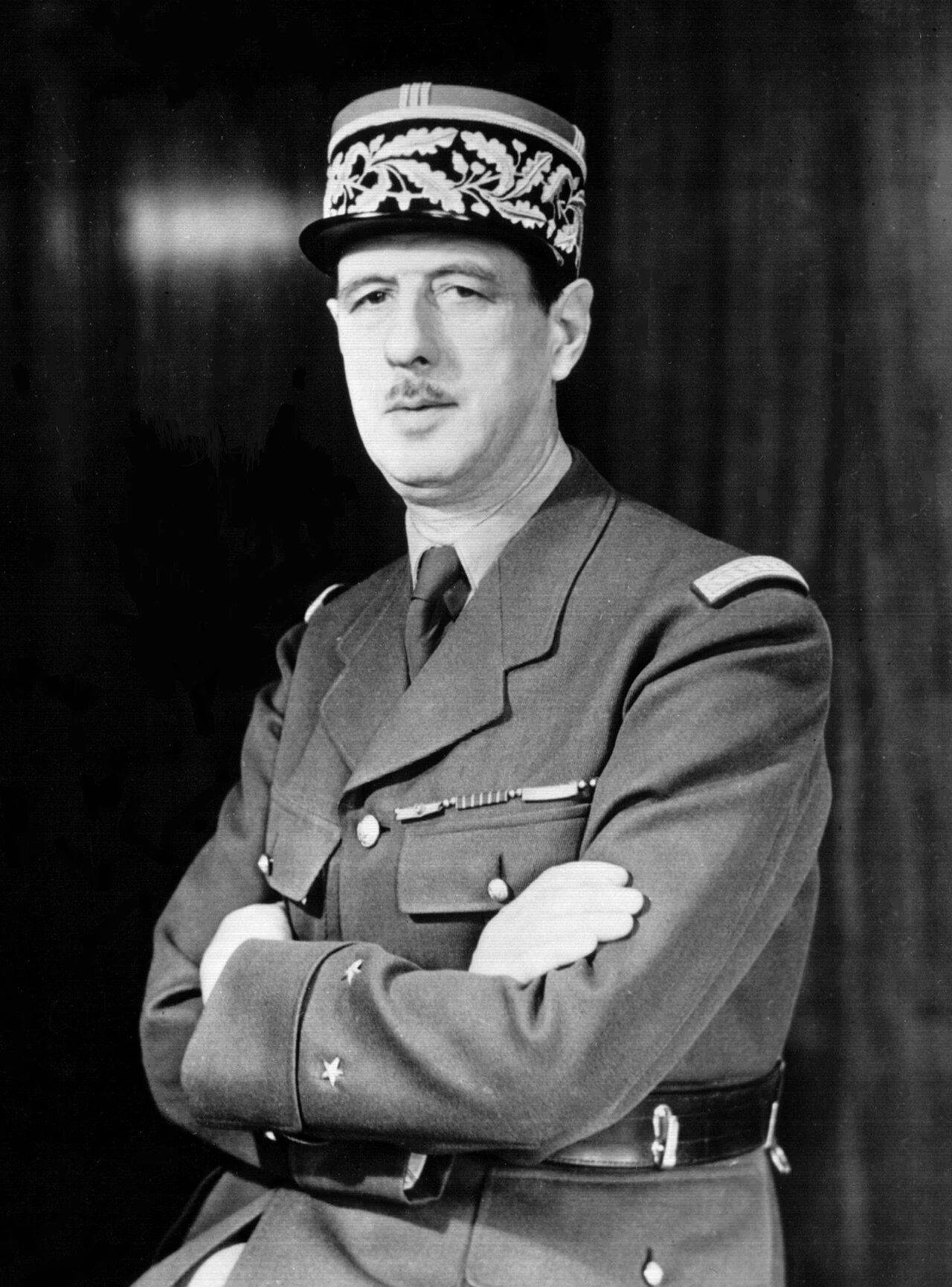
De Gaulle calls on Churchill — 9 June
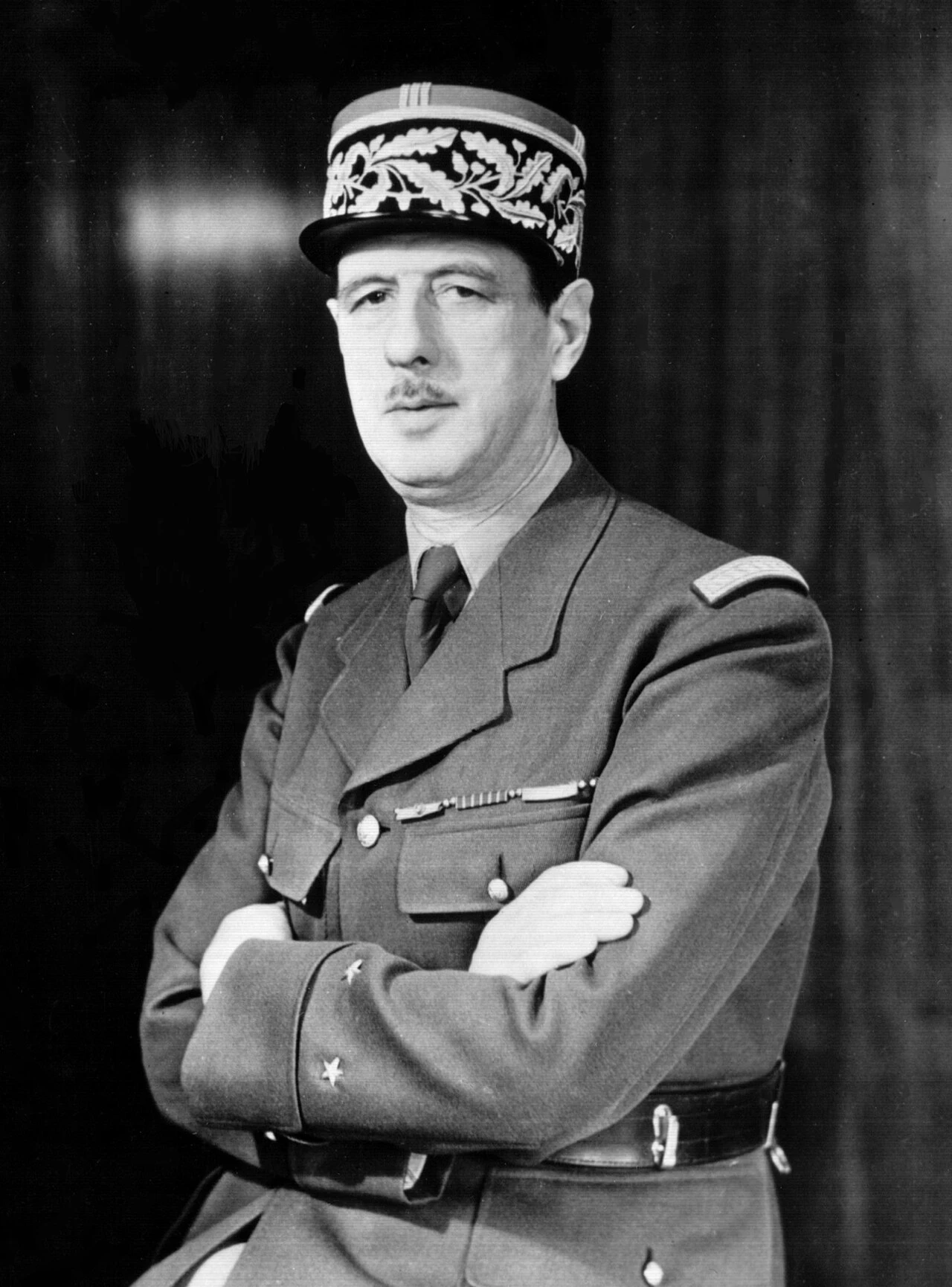
De Gaulle joins the government — 5 June
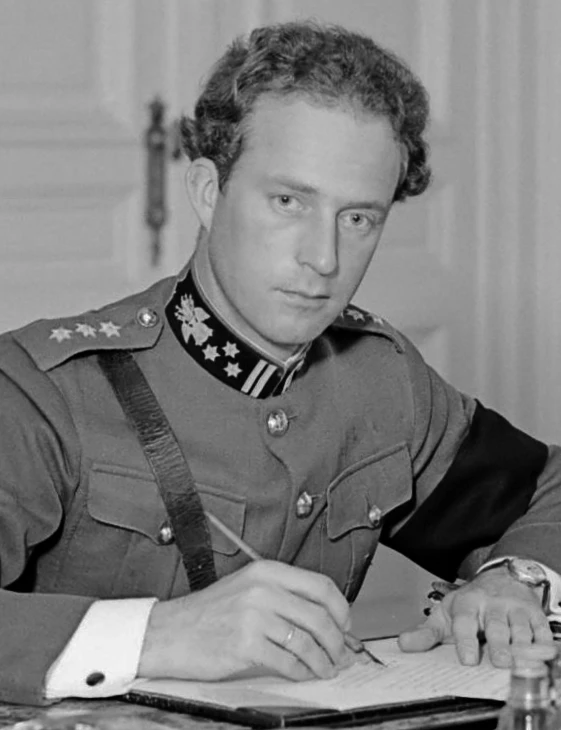
Leopold III takes command
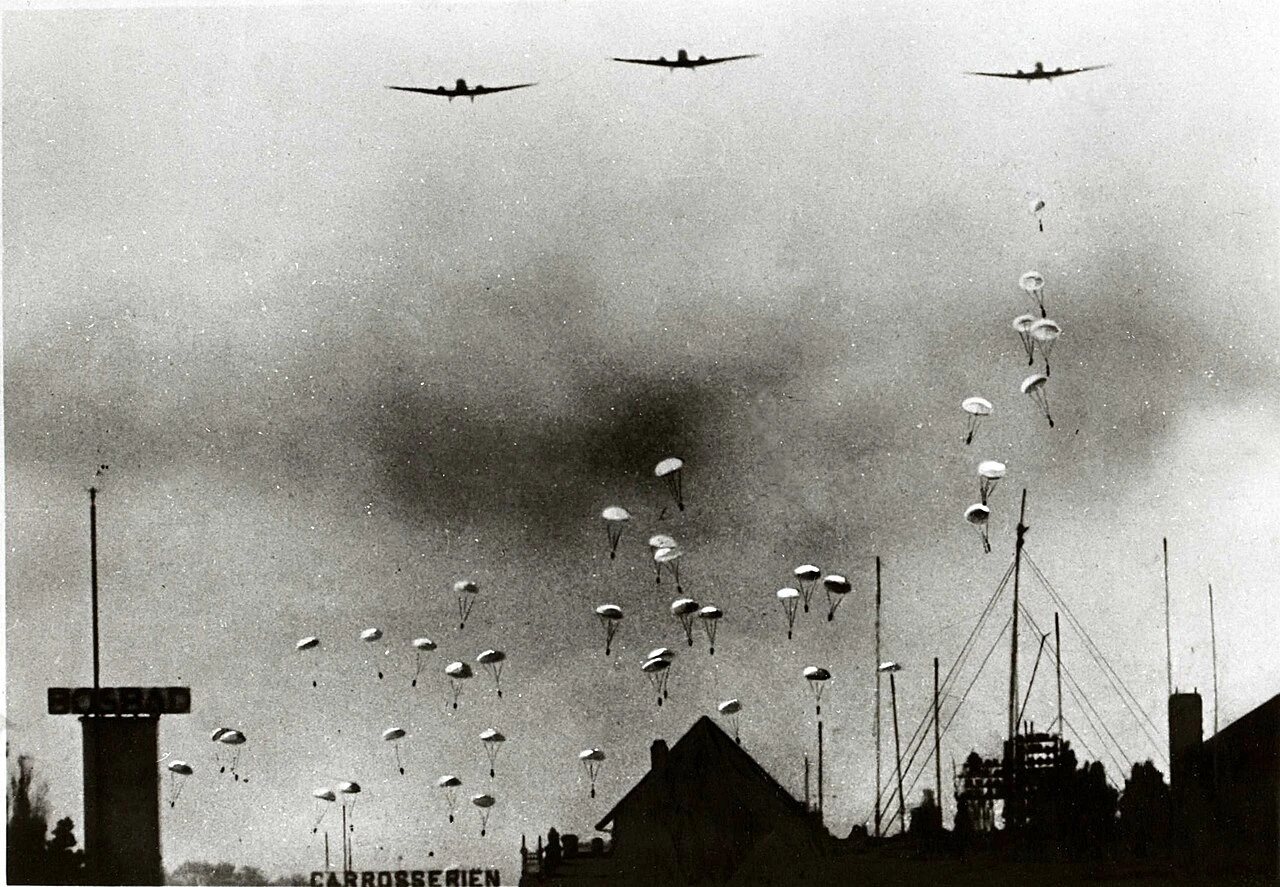
Winkelman and the fate of the Netherlands
Neutral Belgium — let the Allies in?
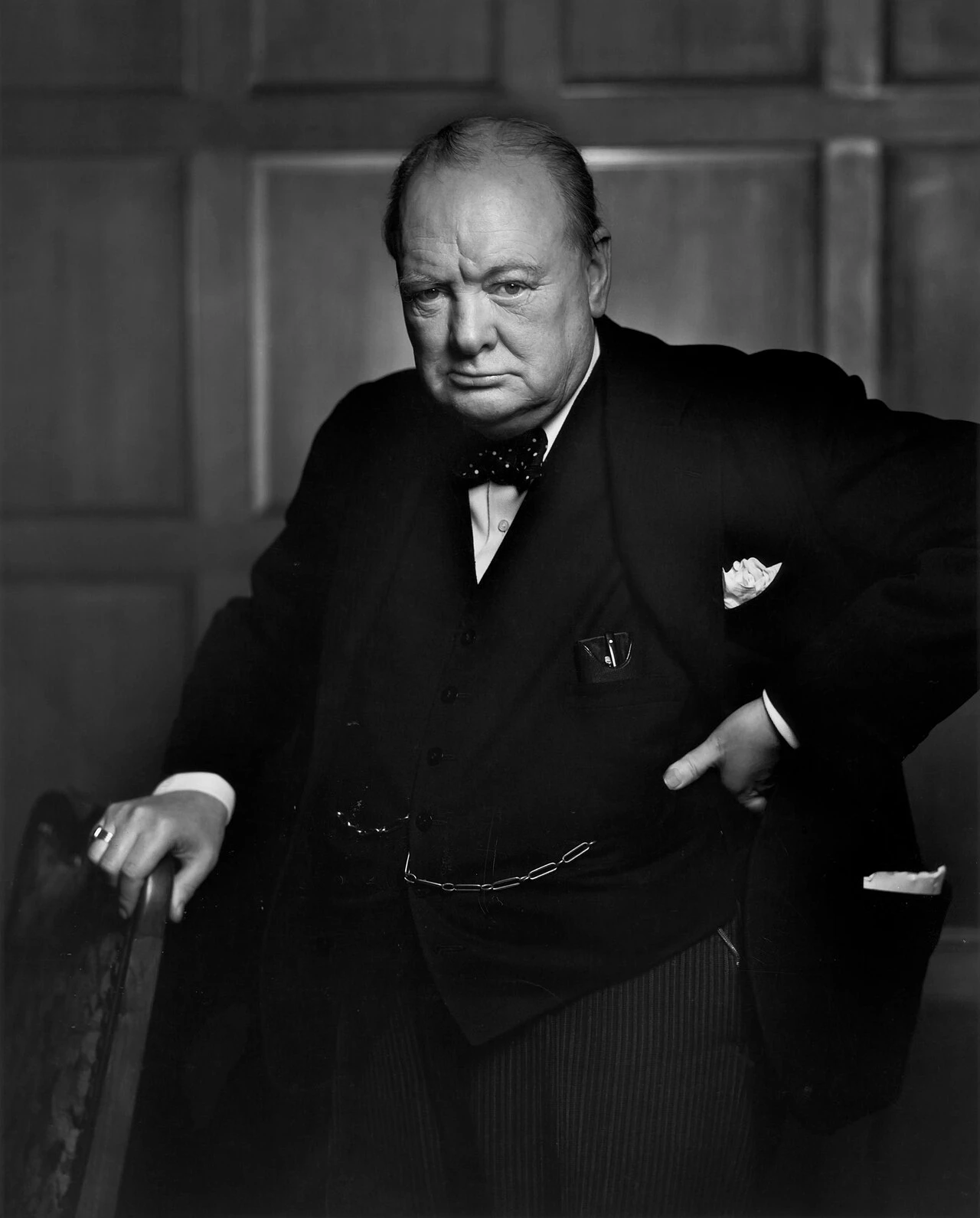
The War Cabinet — Negotiate or Carry On
Dunkirk: should the French be saved alongside the British?
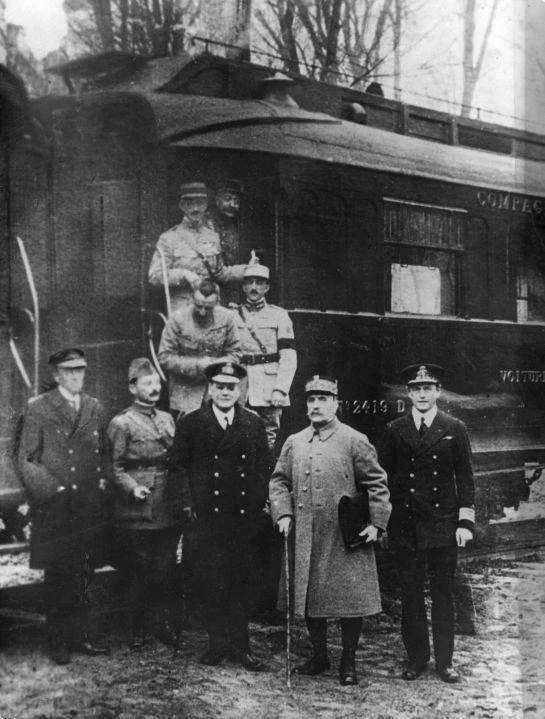
Rethondes — Article 8 on the Fleet
The Franco-British union — 16 June
Baku in the crosshairs — Operation Pike
De Gaulle calls on Churchill — 9 June
De Gaulle joins the government — 5 June
Leopold III takes command
Winkelman and the fate of the Netherlands
Neutral Belgium — let the Allies in?
The War Cabinet — Negotiate or Carry On
Dunkirk: should the French be saved alongside the British?
Rethondes — Article 8 on the Fleet
The Franco-British union — 16 June