
, 63, has been pope since 2 March 1939, taking the name . A career diplomat — Apostolic Nuncio in Munich from 1917 to 1925, then in Berlin from 1925 to 1929, finally Cardinal Secretary of State under from 1930 to 1939 — he knows Germany inside out and negotiated the Concordat of 1933 with Hitler. In 1937 it was he who drafted, for , the anti-Nazi encyclical Mit brennender Sorge ("With burning concern"), read from the pulpit in every Catholic parish in Germany.
Elected five months before the war, had been working since the summer of 1939 on his first encyclical, Summi Pontificatus, whose text is nearly finished by 1 September. It treats the nature of human society, the unity of the human family, the condemnation of totalitarianism and racism, and the right of nations to exist.
One concrete question remains, which presses on him in October: should he name Nazi Germany explicitly, the invasion of Poland, the fate of the Jews? Or stay with a condemnation of principle, naming no one, to preserve diplomatic channels and to protect the Catholics of occupied Europe? The Curia is divided: Cardinal Maglione, the Secretary of State, argues for explicit denunciation, while Tardini and Montini — the future — at the Secretariat of State, argue for prudence, in the name of the physical protection of populations under occupation, in particular the 35 million Polish and German Catholics.
How should the condemnation be framed in Summi Pontificatus?
chooses B with one explicit name: Poland. Summi Pontificatus is published on 20 October 1939. The text condemns the "erroneous doctrine" that makes racism a virtue, denounces the "monstrous persecutions" of Christians, and names Poland — "the hour of darkness reigns over this nation dear to Our heart." The word "Germany" does not appear. Nor does the word "Jew". The text is circulated in Latin and twelve languages. In occupied Poland its public reading is immediately forbidden by the Germans. Le Figaro, The New York Times and L'Osservatore Romano give it their front pages. The debate over 's silence during the Shoah remains one of the sharpest in the historiography. His defenders (Rychlak, opened archives 2020) stress the real risk of worsening the persecutions had the Pope named Hitler; his critics (Cornwell 1999, Goldhagen, Phayer) charge him with moral abdication. Summi Pontificatus remains the Vatican's strongest public stand throughout the war.
Learn more about this event
Related polls
10
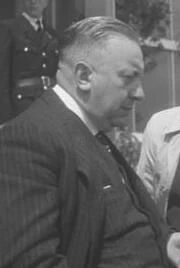
Müller in Rome — the Vatican channel
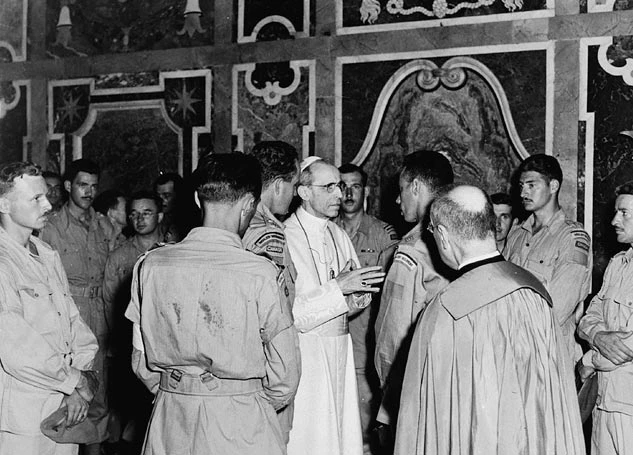
Pius XII — the Christmas allocution
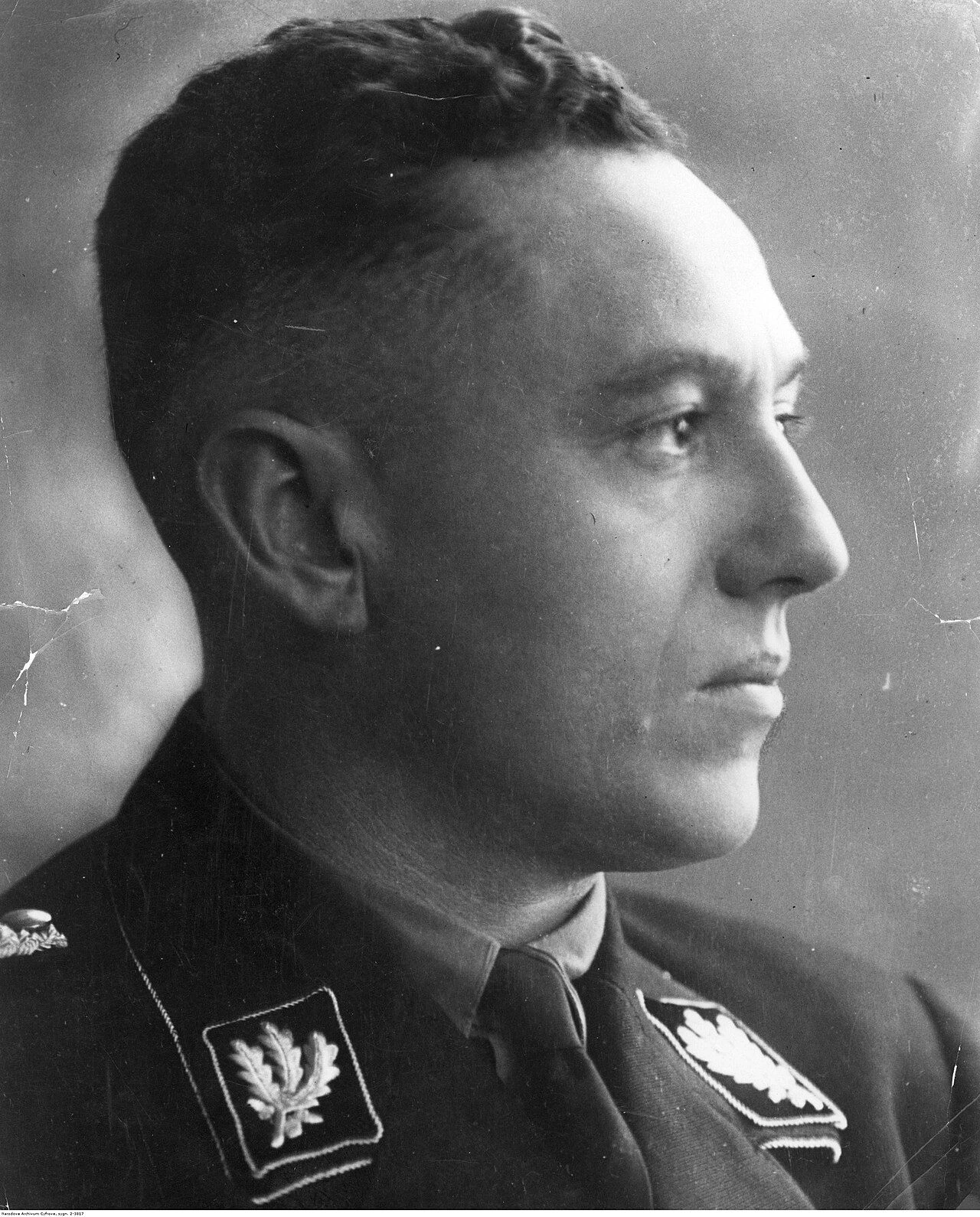
Forster — Kashubians and Kociewiacy
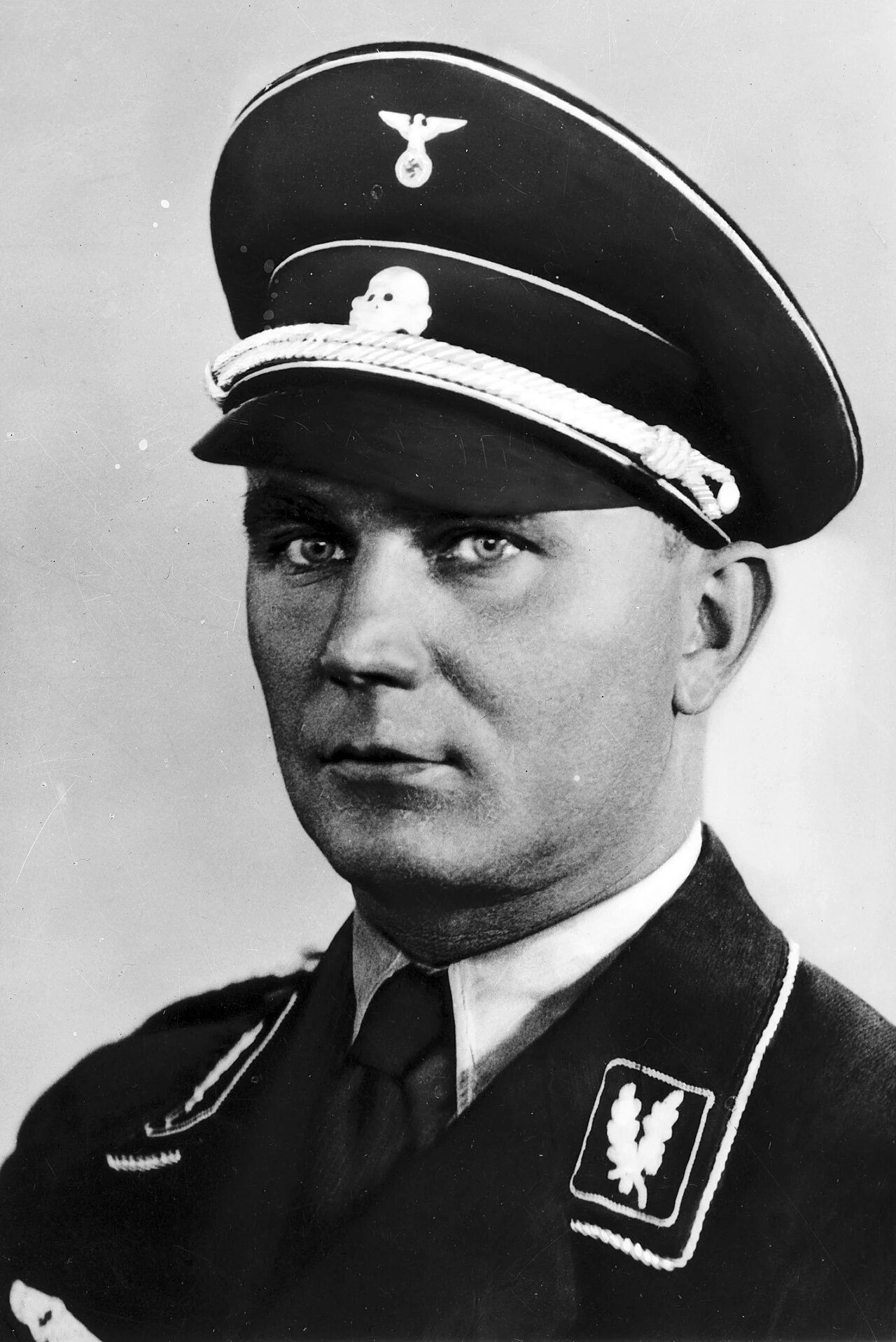
Greiser — the Priority of the Wartheland
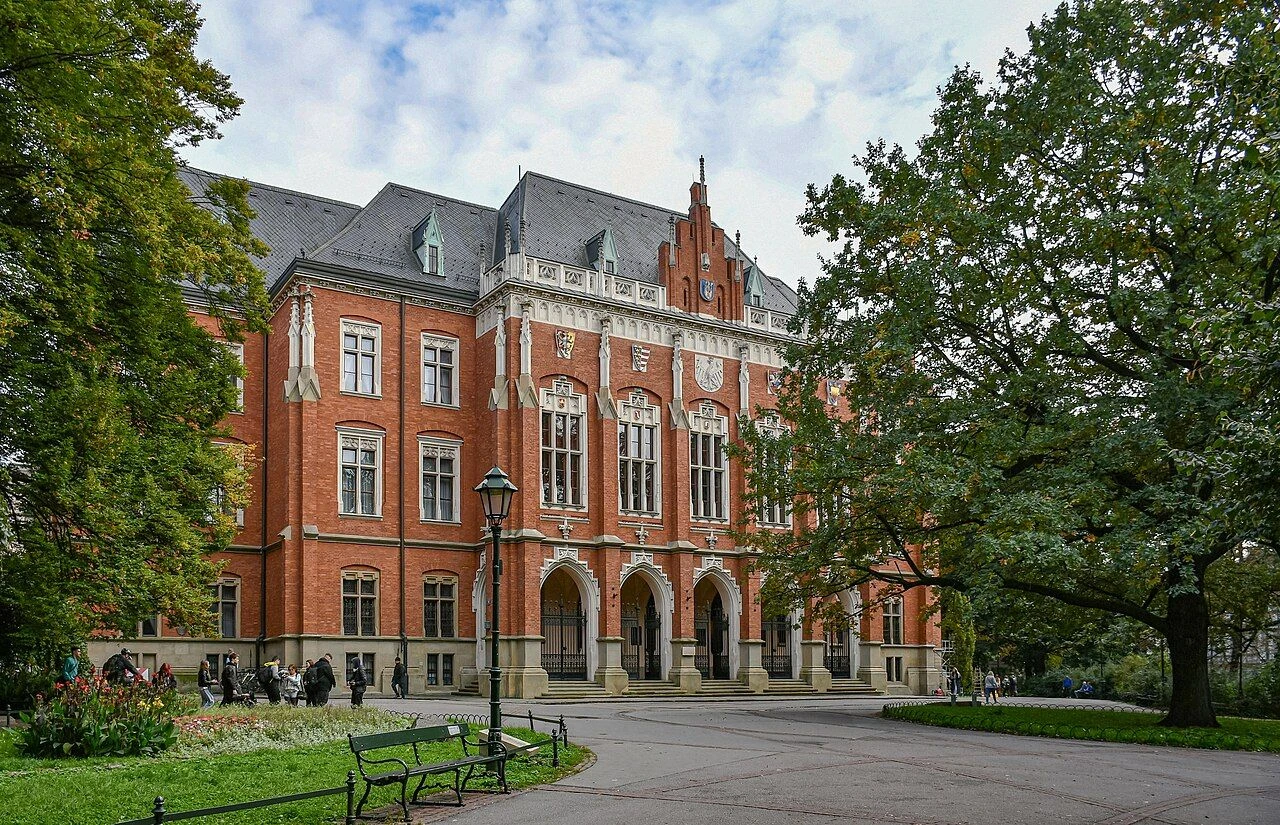
Hans Frank — the taking of the Wawel
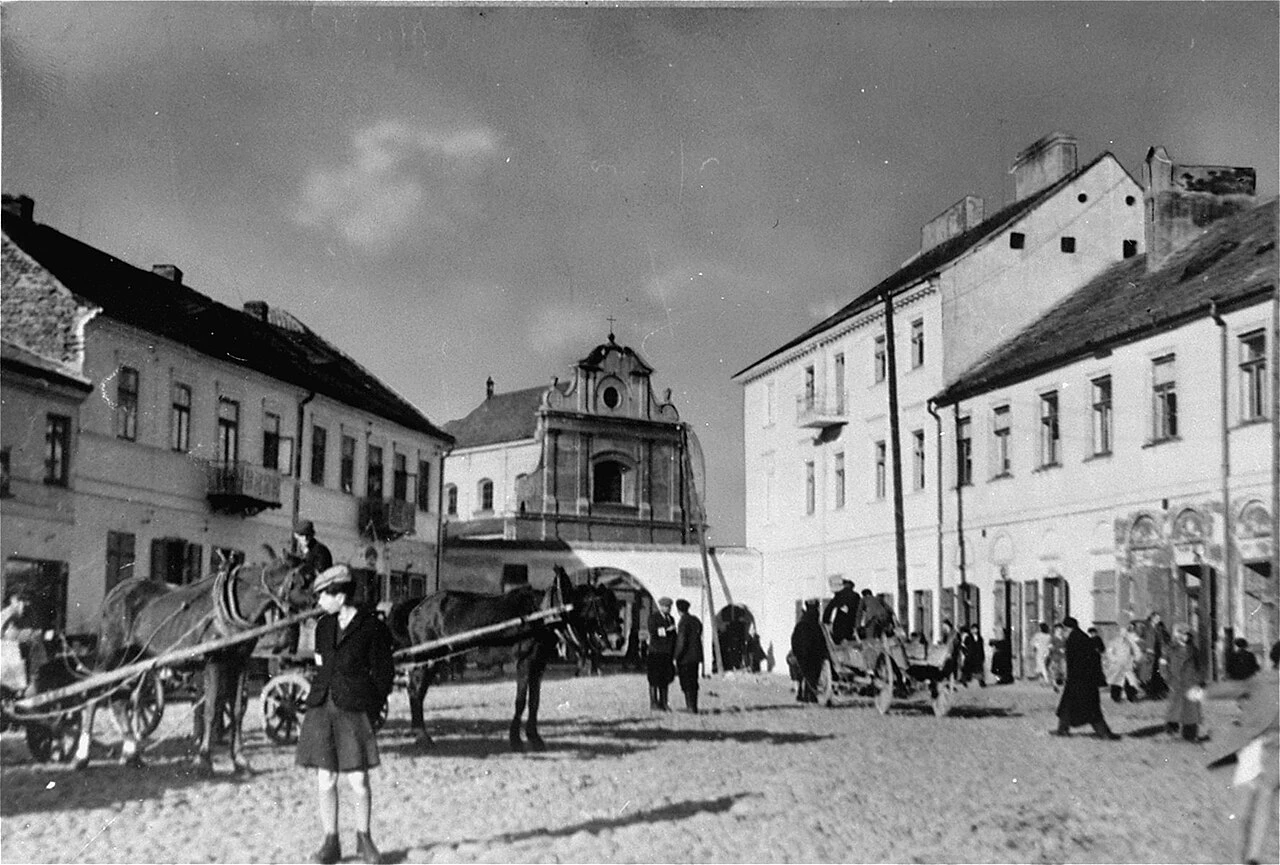
Piotrkow — Tenenberg Facing the Judenrat
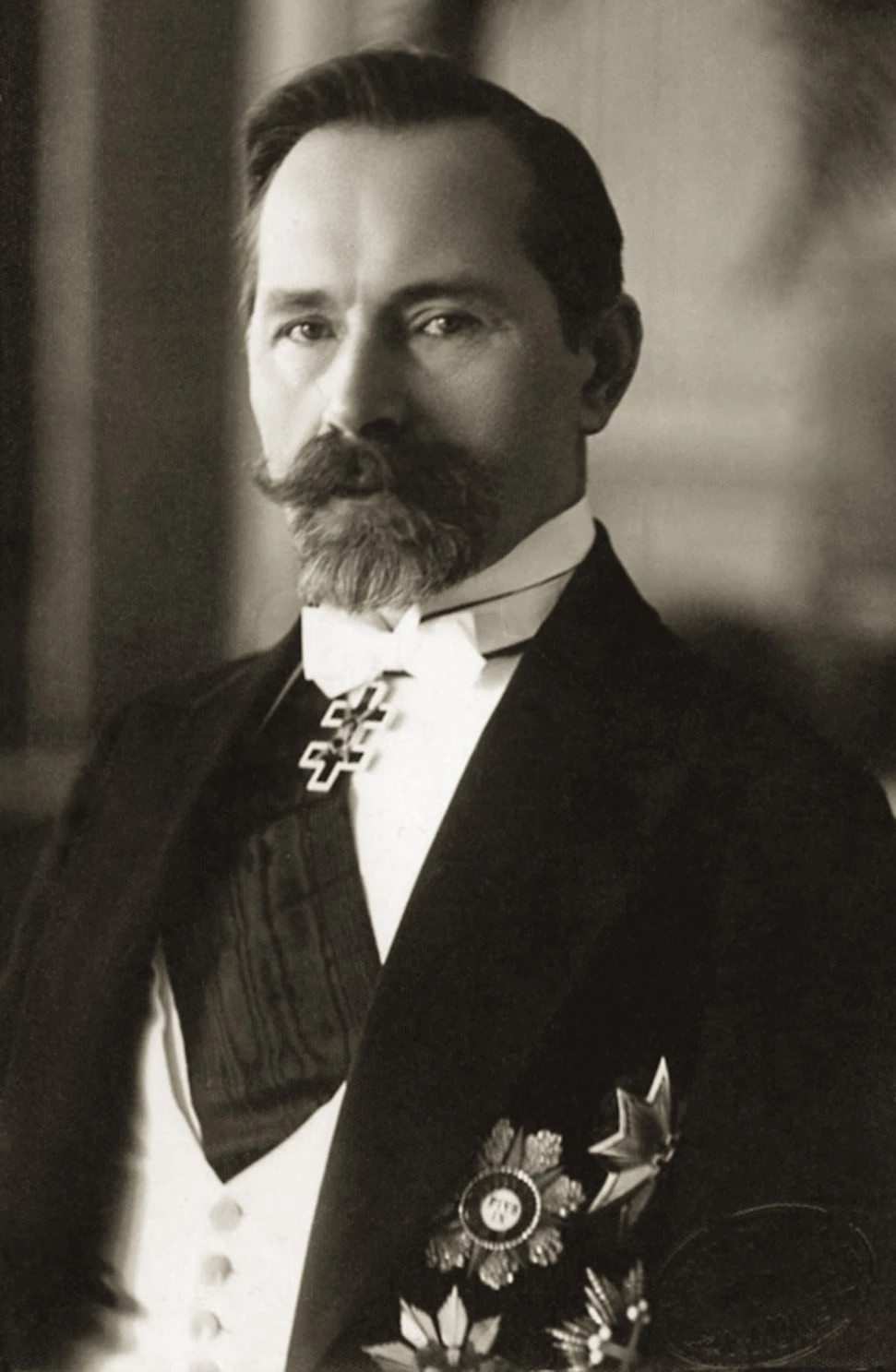
Vilnius — Smetona faces the ultimatum
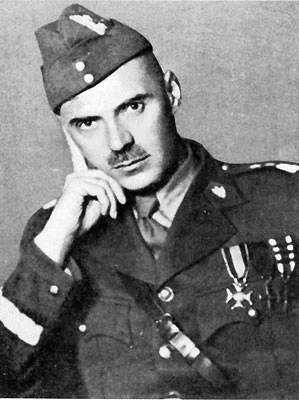
Anders in the Lubyanka
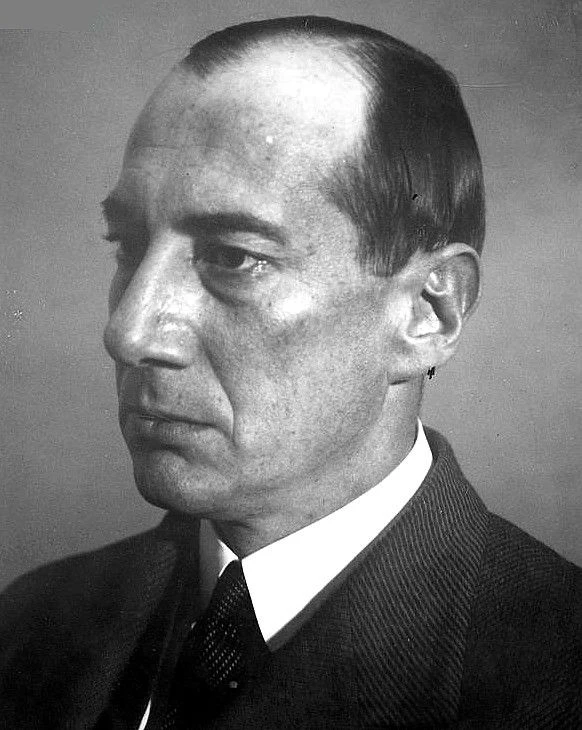
Beck in Bucharest — the Internee
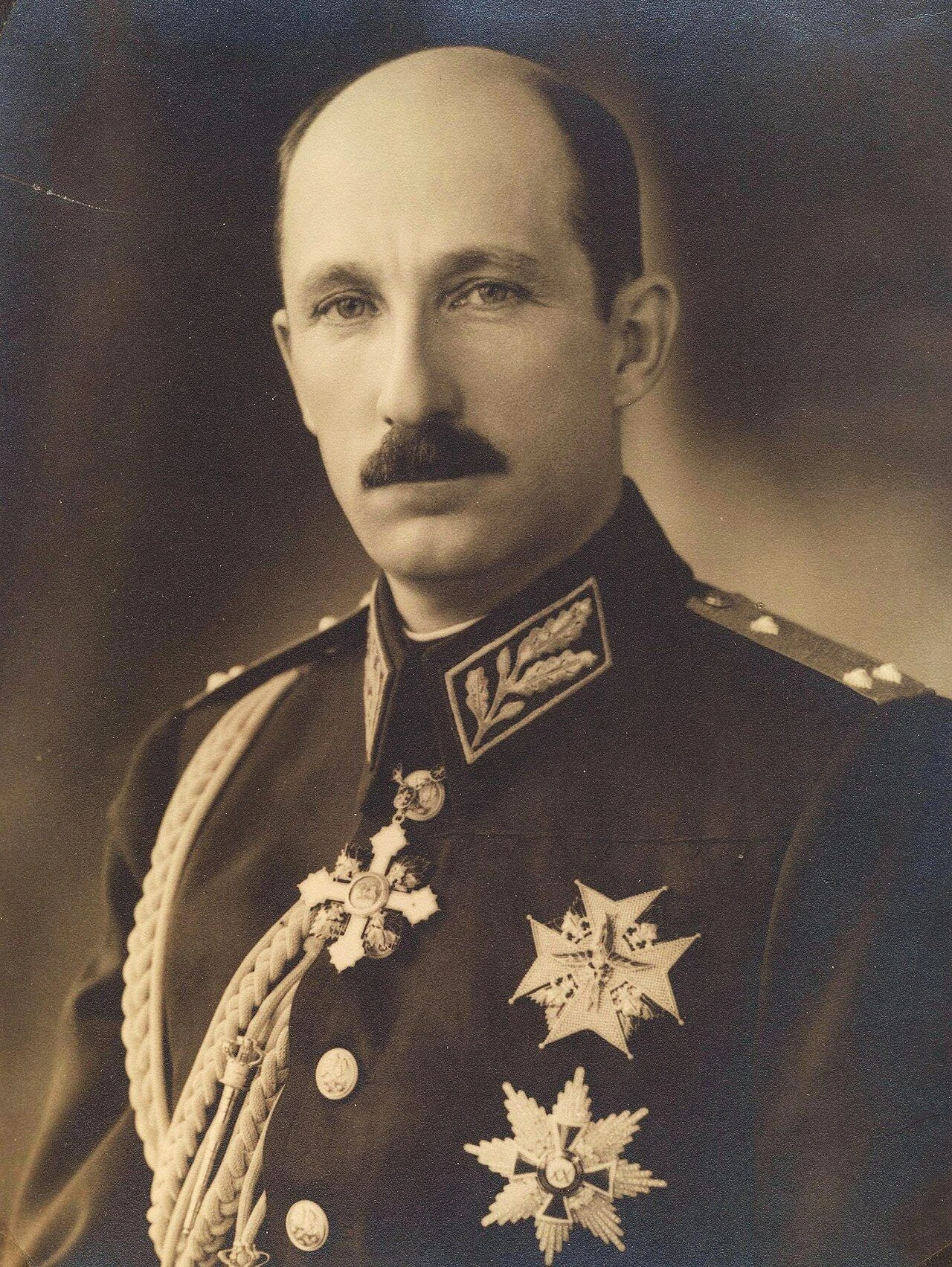
Boris III — the Bulgarian balancing act
Müller in Rome — the Vatican channel
Pius XII — the Christmas allocution
Forster — Kashubians and Kociewiacy
Greiser — the Priority of the Wartheland
Hans Frank — the taking of the Wawel
Piotrkow — Tenenberg Facing the Judenrat
Vilnius — Smetona faces the ultimatum
Anders in the Lubyanka
Beck in Bucharest — the Internee