
Valkenburg — paras on a grass strip
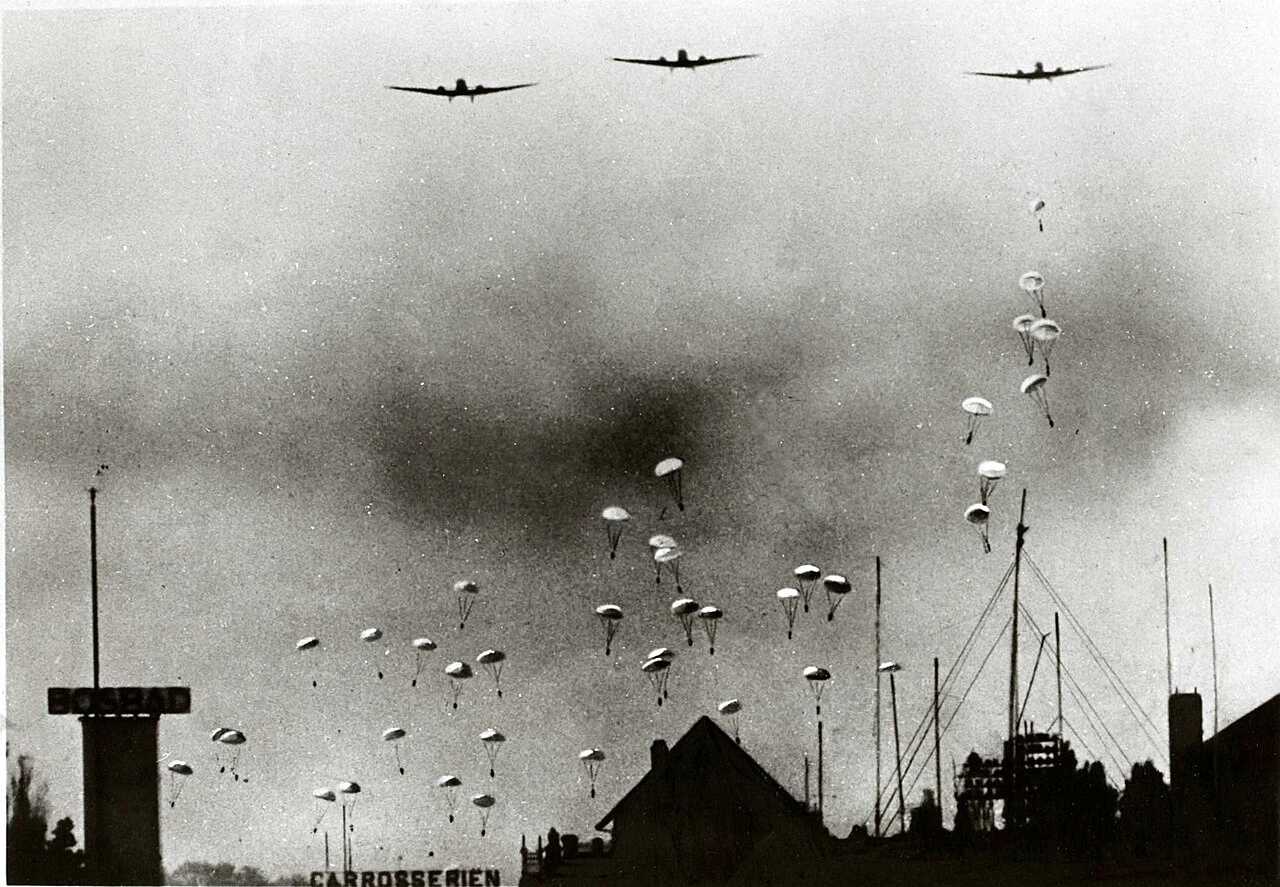
Valkenburg airfield, between Leiden and Katwijk (northwest of The Hague), was the third Dutch airborne target. Completed shortly before the war, it had no hard surface yet: its runway was nothing more than a strip of turf soaked by the rains of the preceding days. The Germans were unaware of this when they wrote it into the plan for encircling The Hague.
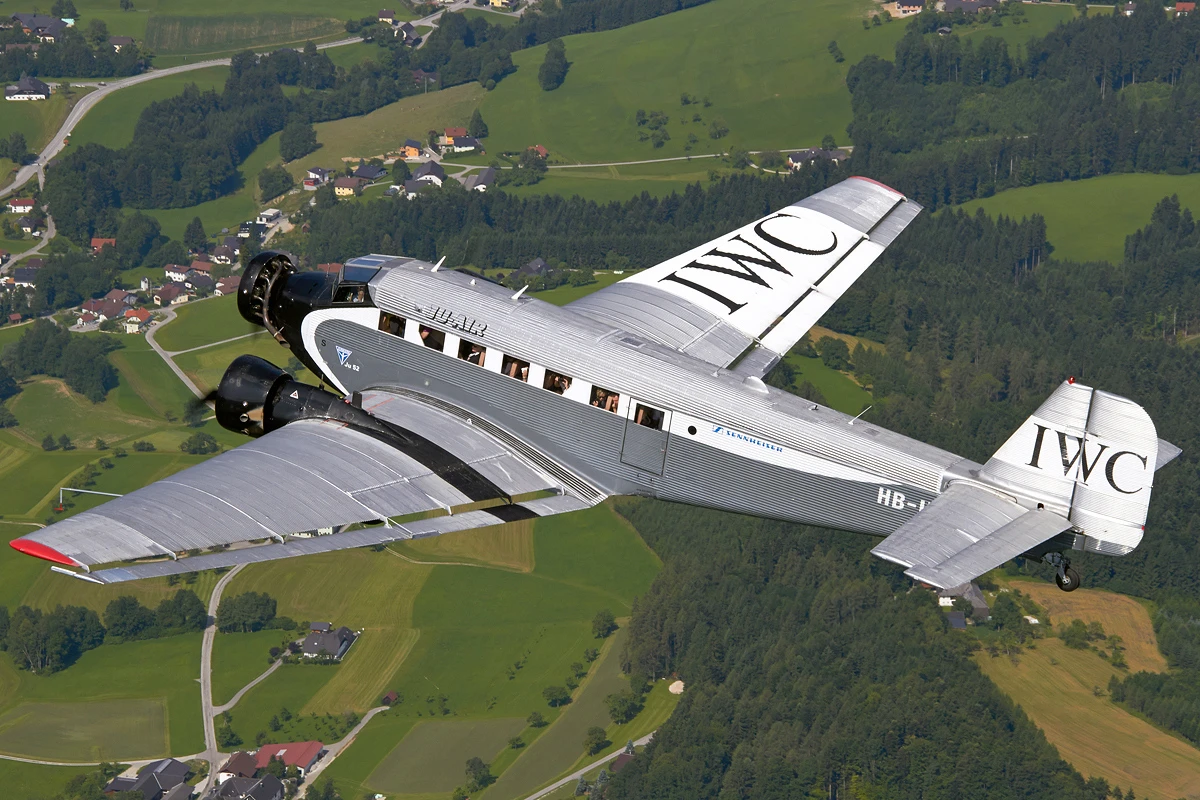
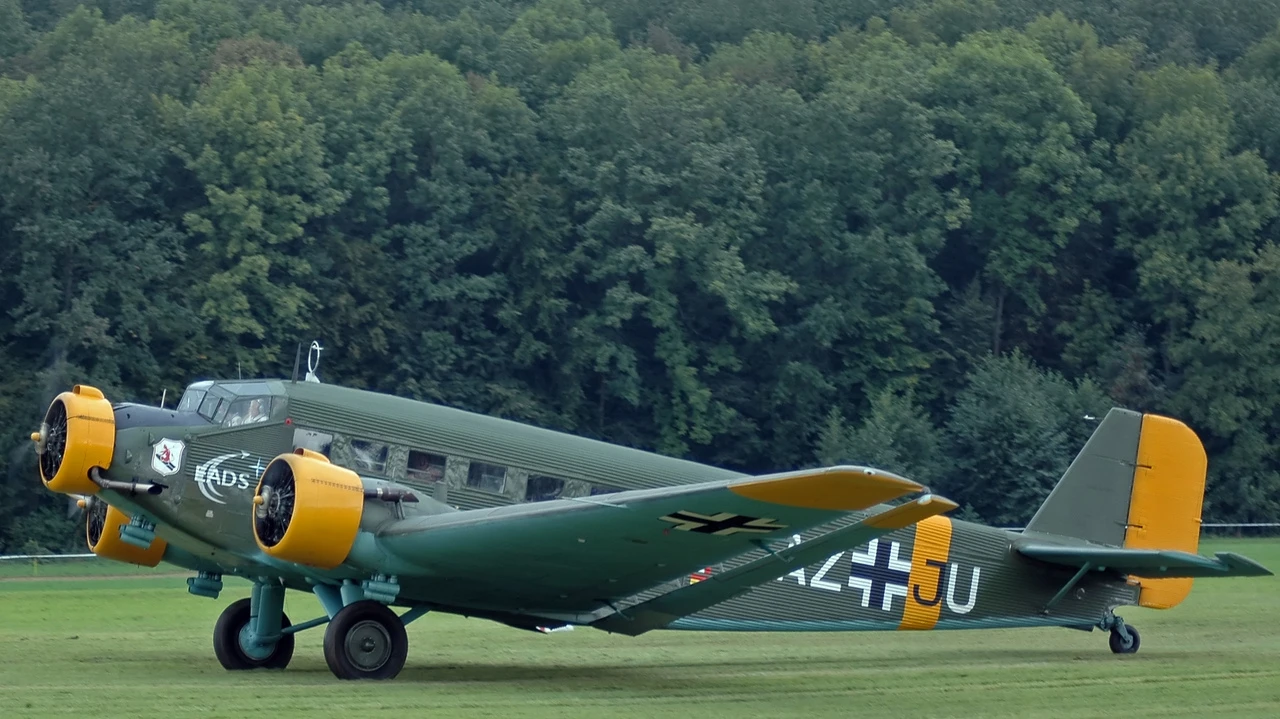
At 04:45 on 10 May, the paratroopers of Leutnant von Plessen's company dropped around the field, while the Ju 52s brought in the airborne infantry of under Oberst . From the first aircraft the trap snapped shut: the wheels sank into the mud. Aircraft after aircraft bogged down, and each wreck blocked the runway a little more for those that followed. The traffic jam turned deadly.
The Dutch defence, several hundred men of the , opened heavy fire on the immobilised transports. Reinforcements could no longer land, and the troops already on the ground found themselves isolated around an unusable airfield. The German airborne command had to decide the fate of this pocket.
With an unusable runway and reinforcements pinned on the ground, should they hold the position at Valkenburg?
The airborne force applied A — for want of any real alternative, isolated and deprived of mobility. The Valkenburg pocket, surrounded, surrendered late in the afternoon of 11 May without having taken anything of lasting value. It was the first real check to the invasion of the Netherlands, masked in the immediate term by the successes on the Albert Canal and at Waalhaven. The Luftwaffe drew one lesson from it — never again land transports on an unprepared field — but neglected the more important one: the fragility of airborne troops once on the ground without rapid armoured support. That flaw would produce the carnage of Crete in May 1941. Of the more than 3,000 men planned for Valkenburg, fewer than a thousand had been able to land before the ground closed up like a quagmire.
Learn more about this event
Related polls
10
The paratroopers on The Hague
Ypenburg — German paras outside The Hague
The coup de main on Ében-Émael
Fornebu — the transports under fire
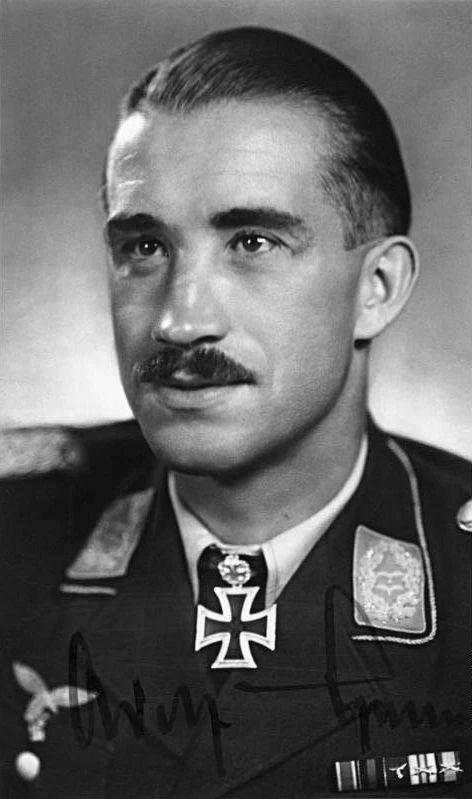
Galland over the Estuary
Waalhaven — assault on the Rotterdam airfield
The Houx weir
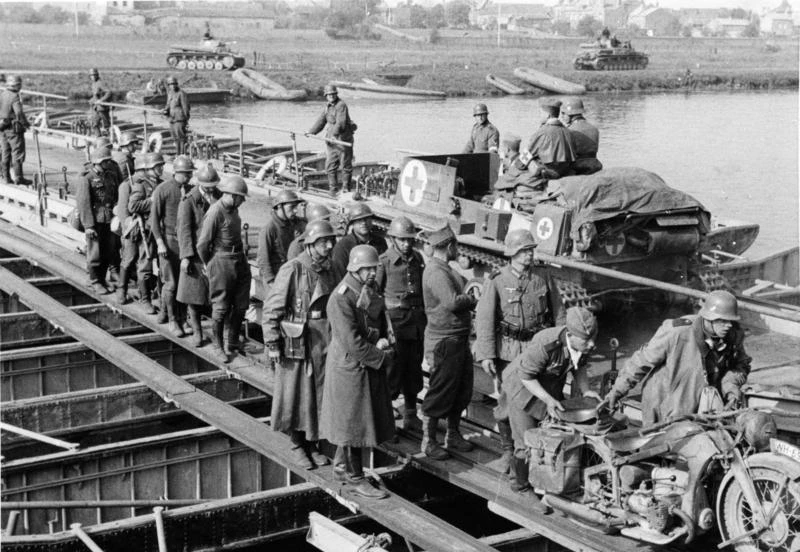
The deluge of Stukas over Sedan
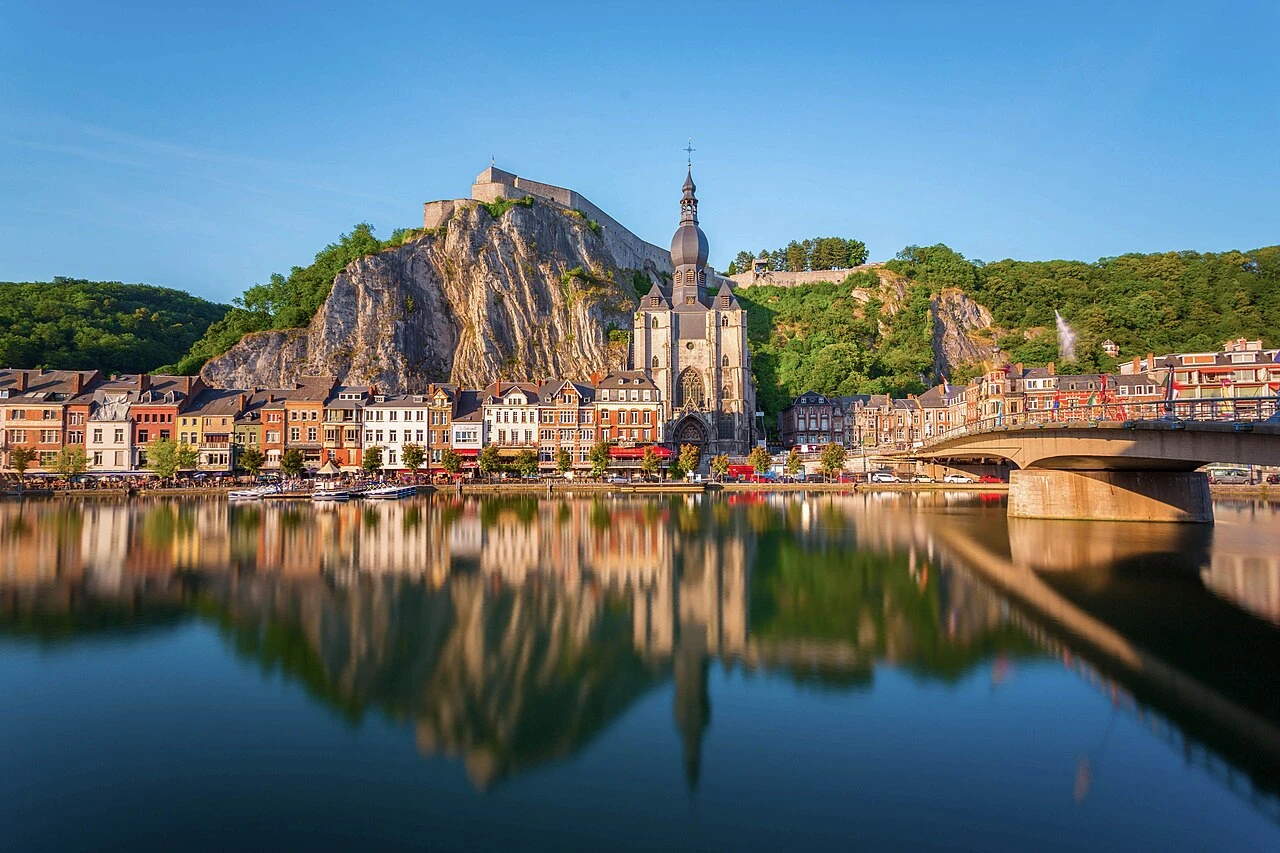
The crossing of the Meuse at Dinant
The bridges of Maastricht — the sacrifice of the Battles
The paratroopers on The Hague
Ypenburg — German paras outside The Hague
The coup de main on Ében-Émael
Fornebu — the transports under fire
Galland over the Estuary
Waalhaven — assault on the Rotterdam airfield
The Houx weir
The deluge of Stukas over Sedan
The crossing of the Meuse at Dinant