
On 21 May 1940, as the German breakthrough races towards the Channel, the British Expeditionary Force attempts a counter-attack south of Arras to loosen the noose. General has an improvised force ("Frankforce") comprising two tank battalions, including Matildas with thick armour, almost invulnerable to the standard German anti-tank guns.
The objective is to strike the flank of Rommel's to slow the advance and re-establish a link with the French forces to the south. But the force is limited, without air cover or solid coordination with the French, and the risk is of exhausting it without decisive result.
Franklyn must decide. Launch the attack despite the weakness of his means, to exploit the superiority of the Matildas and create a shock. Give up and preserve his forces for the retreat to the coast. Or wait for stronger coordination with the French, at the risk of losing the element of surprise. The stake is whether the German machine can still be checked, even locally.
Should Franklyn launch the Arras counter-attack, give it up, or wait for better coordination?
Franklyn chooses A: the Arras counter-attack of 21 May, led by the Matilda tanks, causes a genuine shock in the German camp. The German shells ricochet off the Matildas' armour; Rommel, believing for a moment that he is facing far superior forces, has to improvise a barrage with his 88 mm guns to stop the assault. Militarily limited and quickly checked for lack of means, the attack has a disproportionate psychological effect: it feeds the caution of the German command and is among the factors that, a few days later, would lead to the halt order before Dunkirk. Arras shows what a resolute armoured counter-attack could have accomplished on a larger scale.
Learn more about this event
Related polls
10
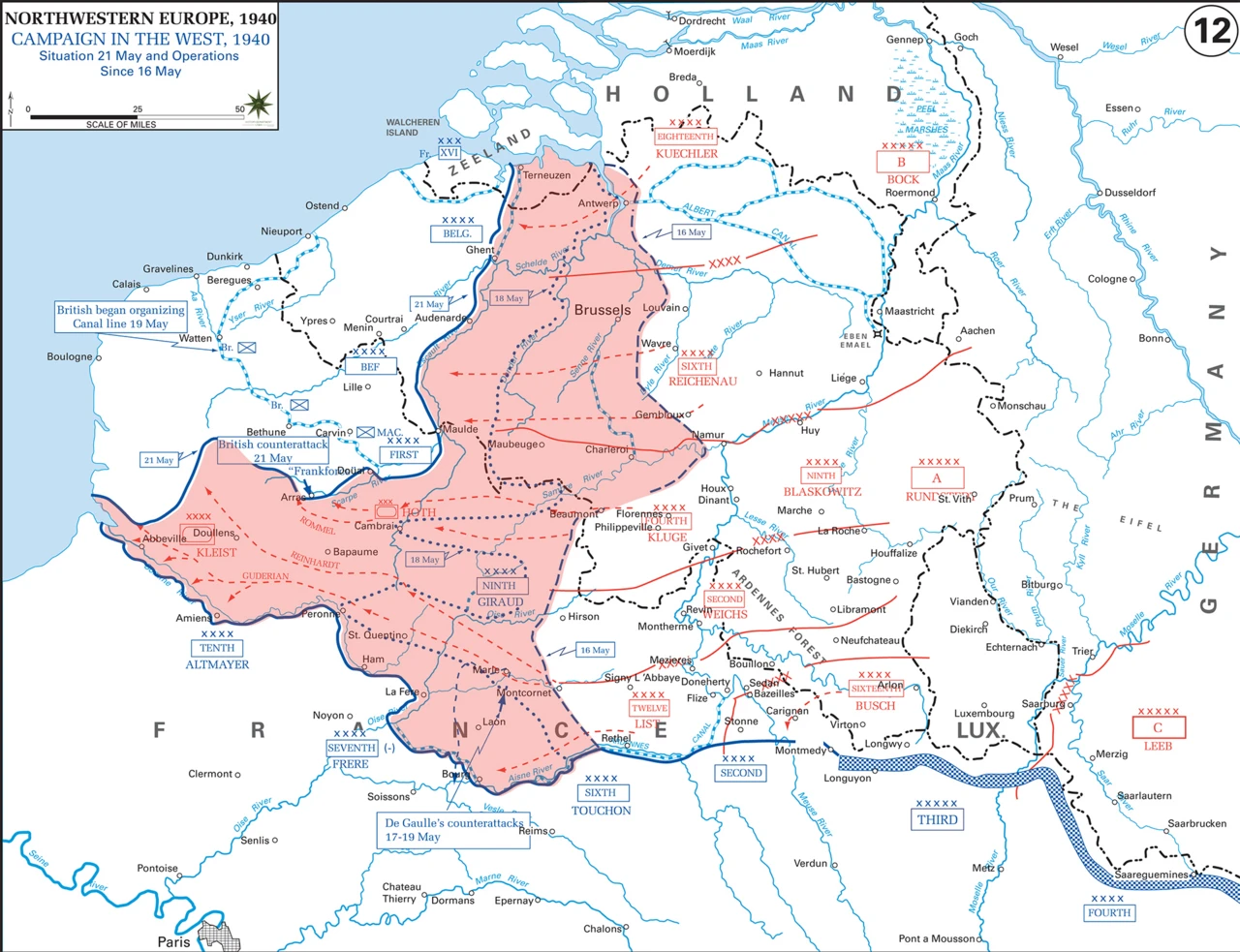
Arras — the Matildas against Rommel's flank
Boulogne — Fox-Pitt and the Guards facing the port

Bulson — Lafontaine and the 02:00 rumour
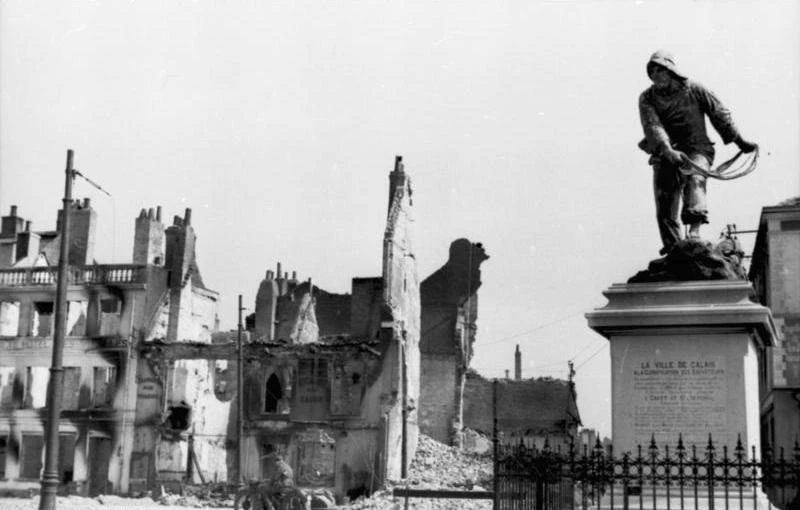
Calais — Nicholson facing the ultimatum
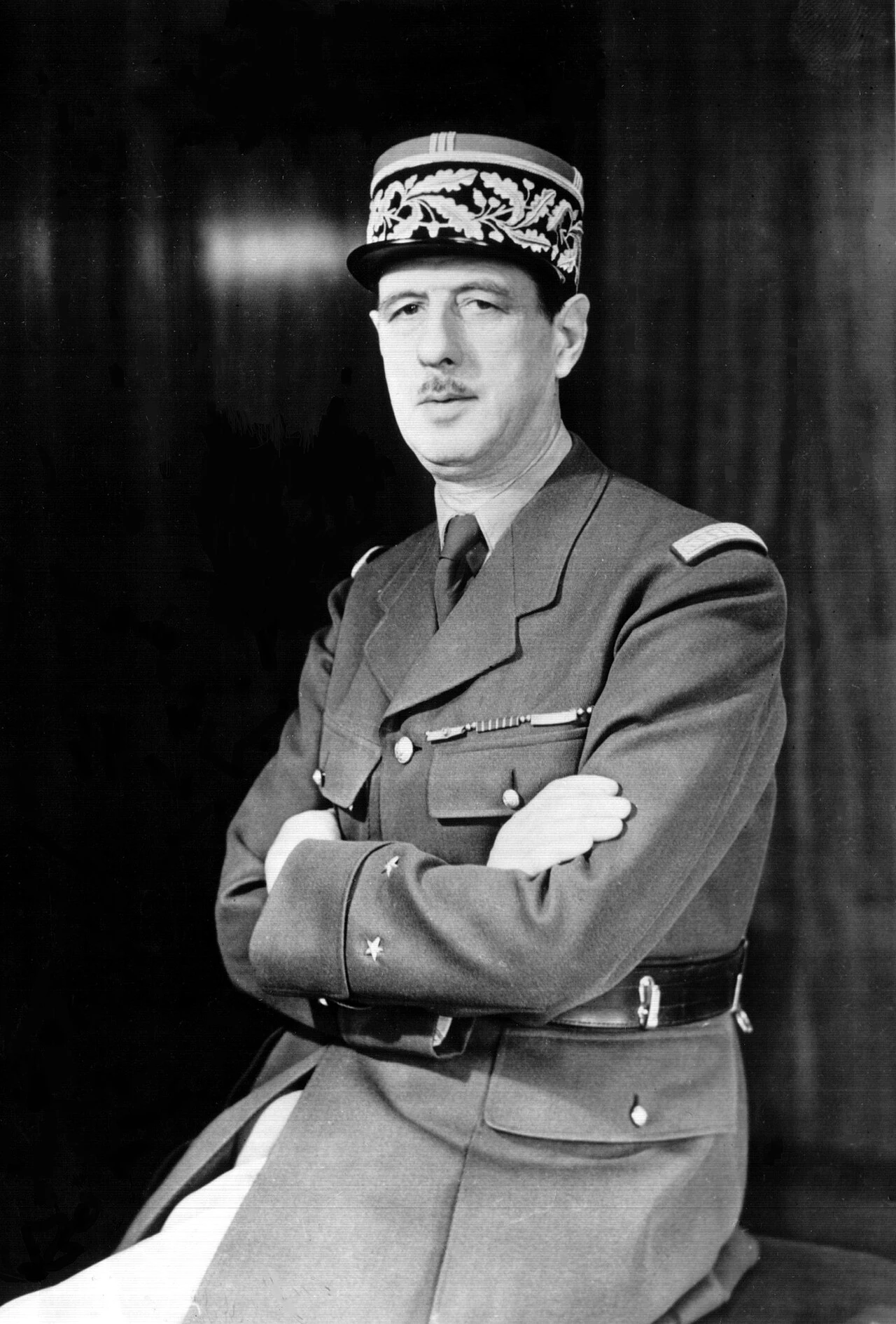
De Gaulle at Abbeville
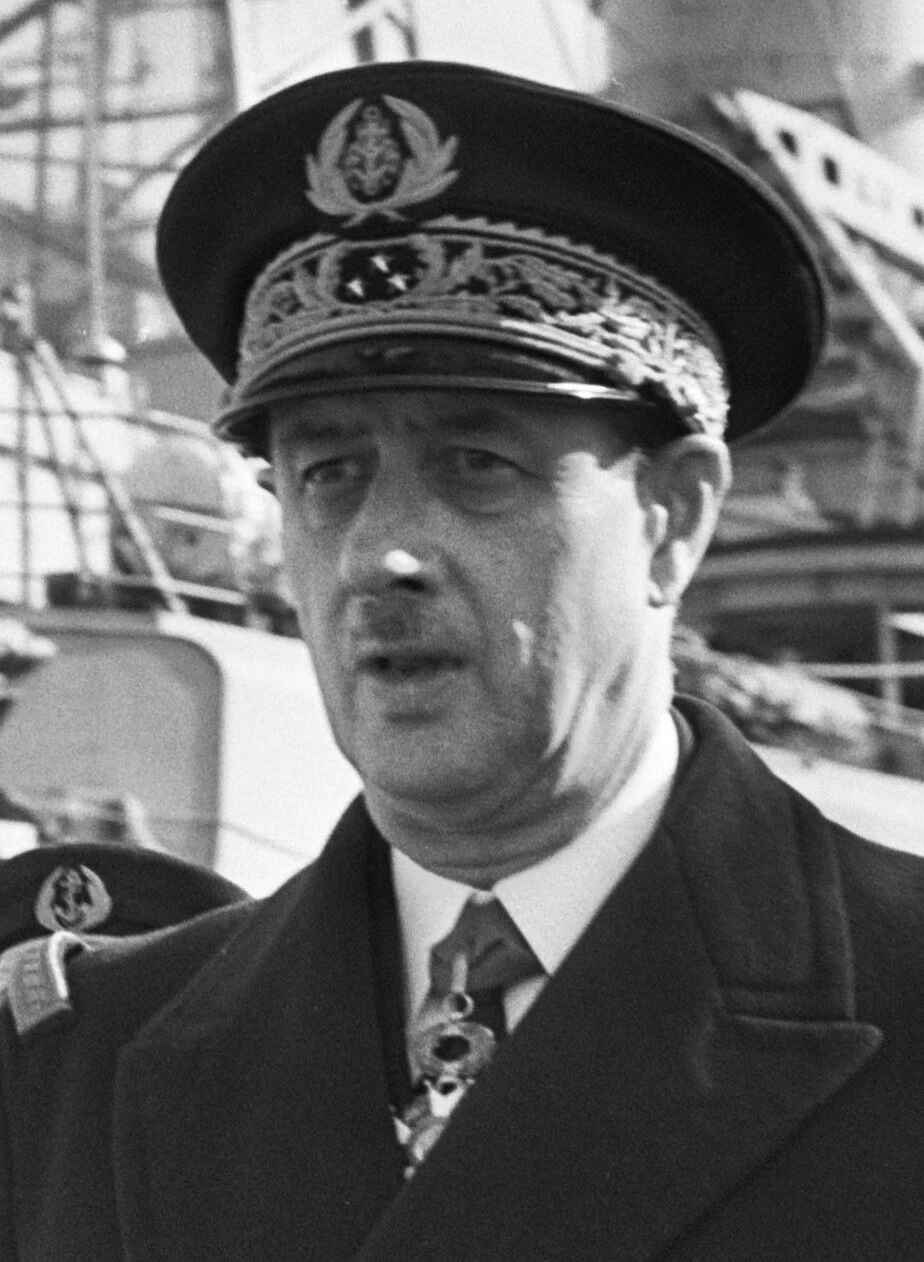
De Gaulle at Montcornet
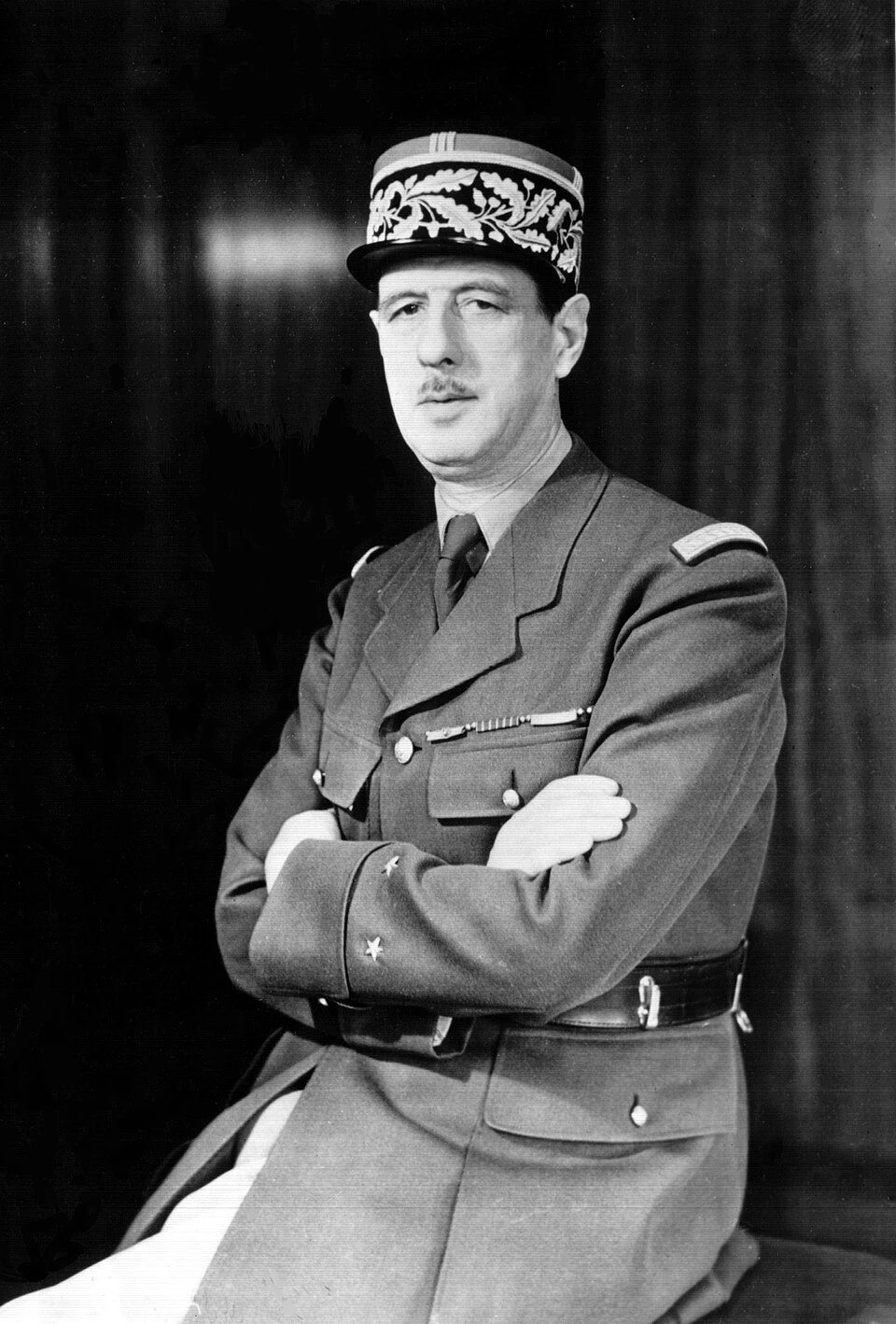
De Gaulle at Montcornet — 17 May
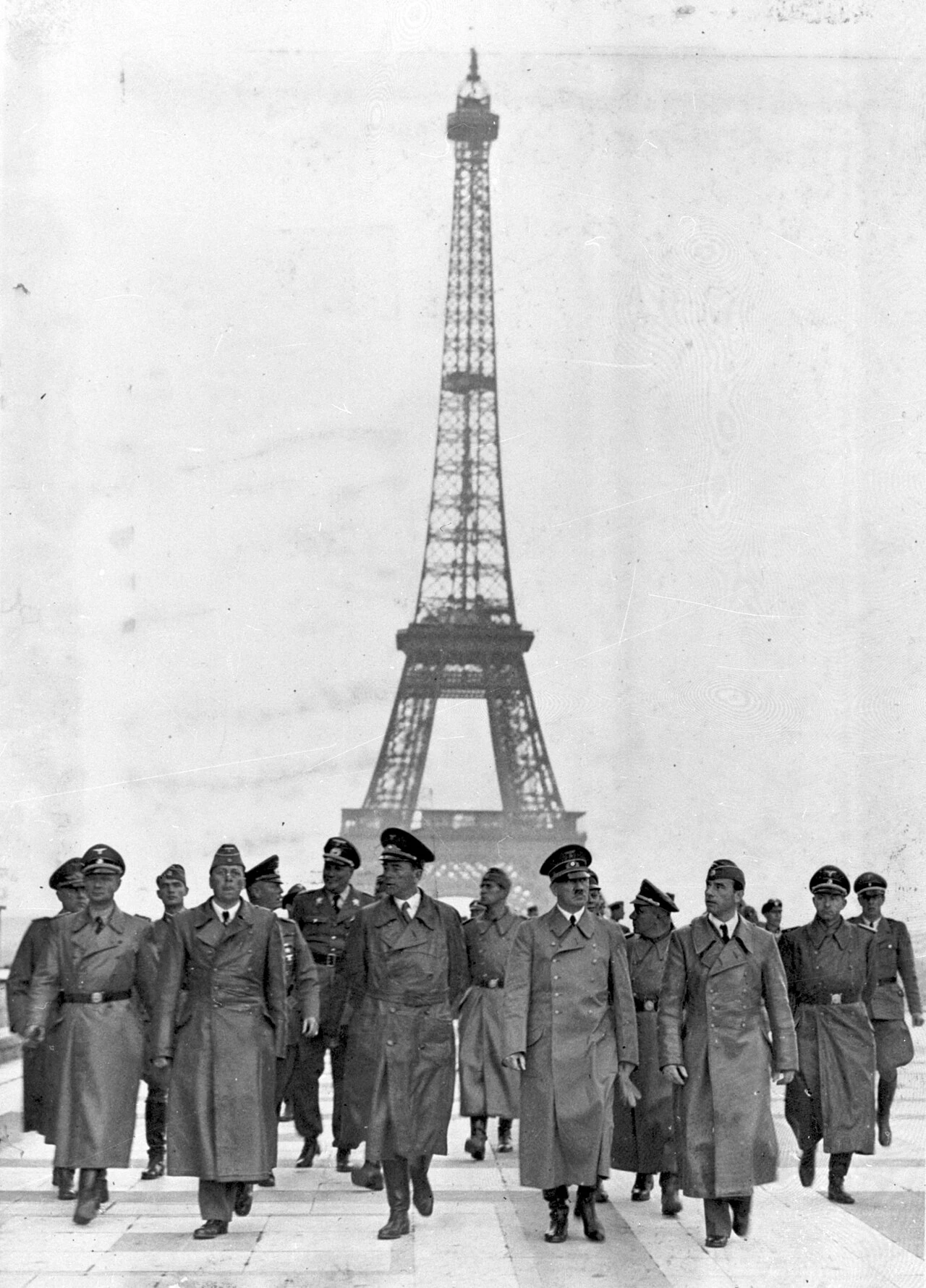
The Defence of Boulogne
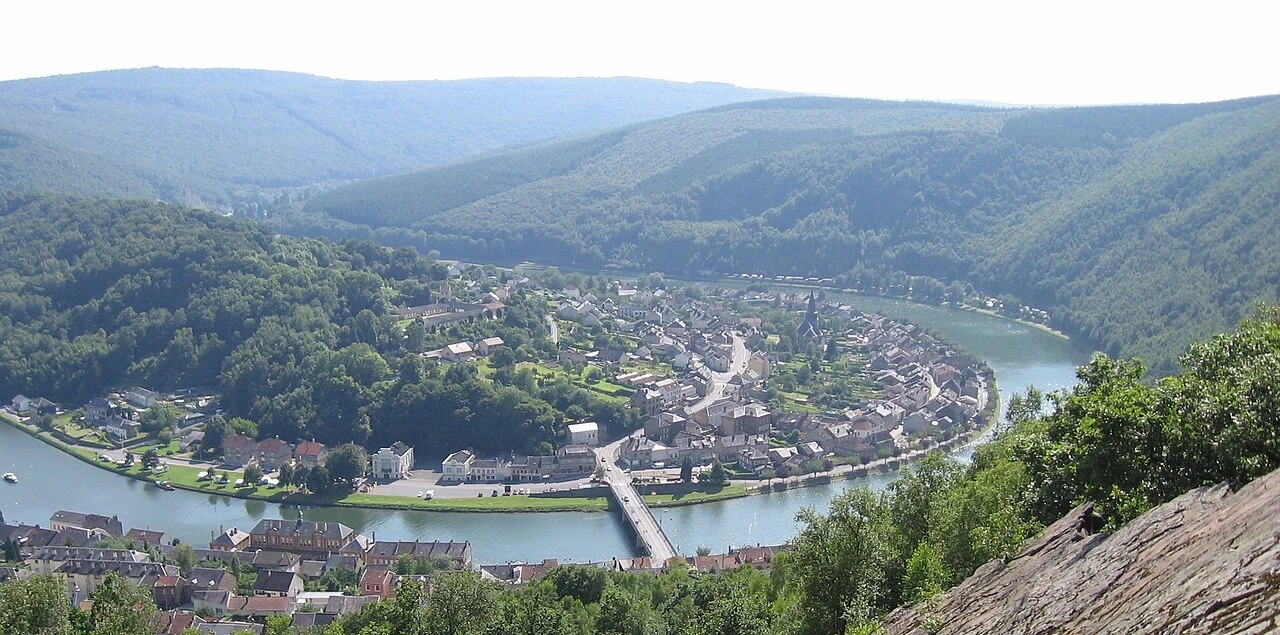
Monthermé — Portzert in the Meuse loop
The panic of Bulson
Arras — the Matildas against Rommel's flank
Boulogne — Fox-Pitt and the Guards facing the port
Bulson — Lafontaine and the 02:00 rumour
Calais — Nicholson facing the ultimatum
De Gaulle at Abbeville
De Gaulle at Montcornet
De Gaulle at Montcornet — 17 May
The Defence of Boulogne
Monthermé — Portzert in the Meuse loop