
Holding the Dunkirk Perimeter
Since late May 1940, the British Expeditionary Force and part of the French army have been falling back toward Dunkirk, their last window on the sea. Operation Dynamo is in full swing: day and night, from the east mole to the beaches of Malo-les-Bains, destroyers, trawlers and small craft are lifting off tens of thousands of men under the bombs of the Luftwaffe. But this evacuation has a chance of succeeding only if someone, behind them, holds the enemy back long enough.
You are a British rearguard officer, deployed at Bergues, on the fortified line of the perimeter, along the canals that ring the pocket. Your men are exhausted, low on ammunition, harried by the German artillery tightening its grip. Ahead of you, the pressure mounts by the hour; behind you, the line of soldiers waiting to embark still stretches across the sand. Every hour gained on this front means one more ship putting to sea fully loaded.
You know what staying in position means: the line will hold, but those who hold it may have no boat left when they finally pull back. On 1 June 1940, amid the crash of shells, you must decide within a few hours.
As a rearguard officer at Bergues, what do you decide for your men while the evacuation goes on behind you?
The rearguards held the shrinking perimeter around Dunkirk — Bergues, Furnes, the line of canals — the very condition of Operation Dynamo's success. The British rearguard units mostly pulled back during the night of 2 to 3 June 1940; it was then the French troops, notably those of the 1st Army, who held the last redoubt. When the embarkation ceased at the mole on the morning of 4 June, around 35,000 to 40,000 French rearguard soldiers, for want of ships, had to surrender. Their sacrifice had made it possible to evacuate the bulk of the Allied forces: in all, nearly 338,000 men were brought back to England.
Learn more about this event
Related polls
10
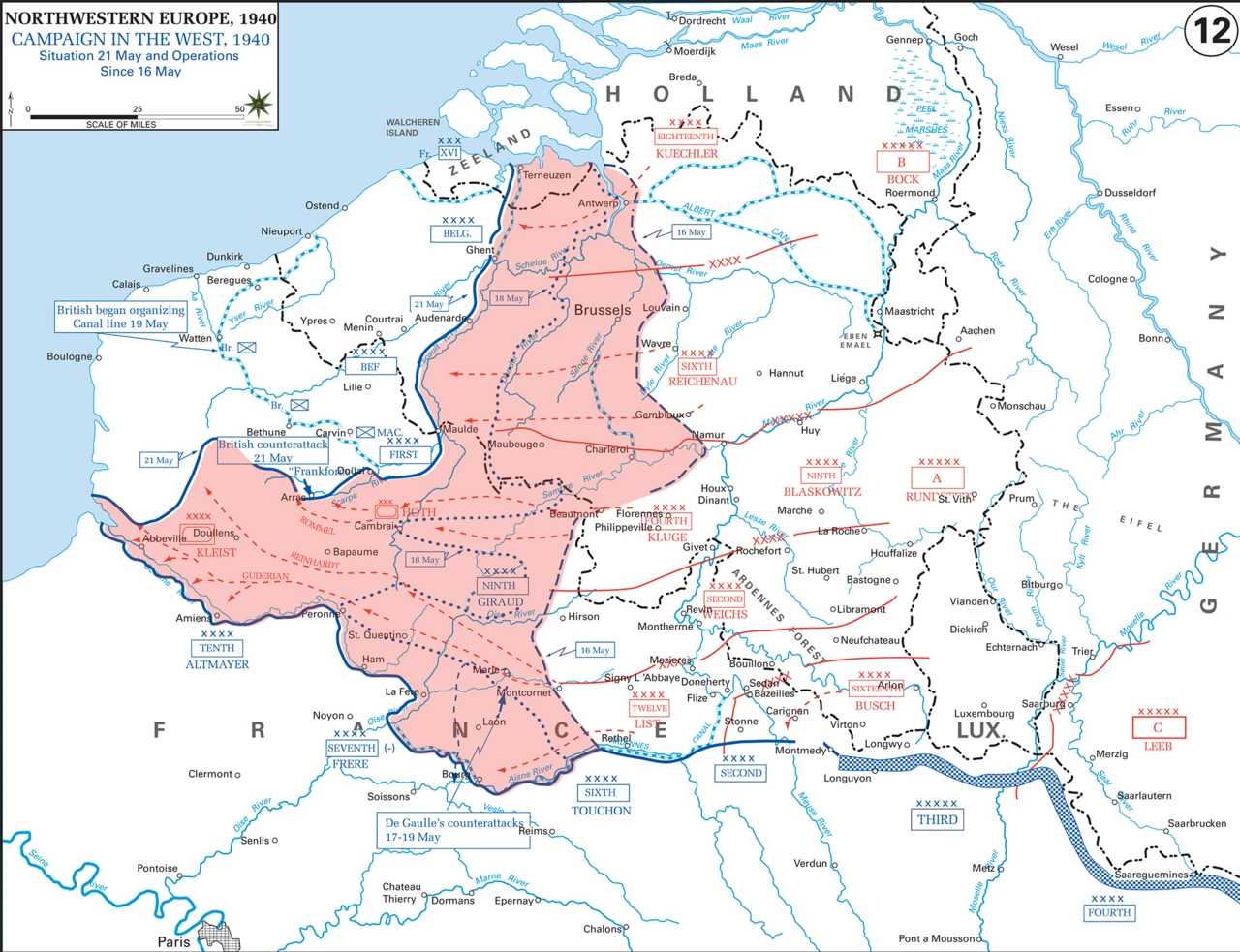
Boulogne — Fox-Pitt and the Guards facing the port
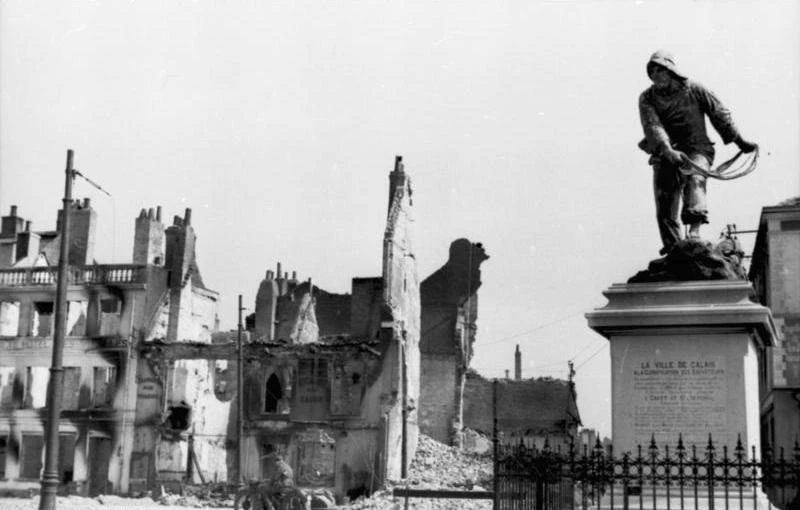
Calais — Nicholson facing the ultimatum
The Defence of Boulogne
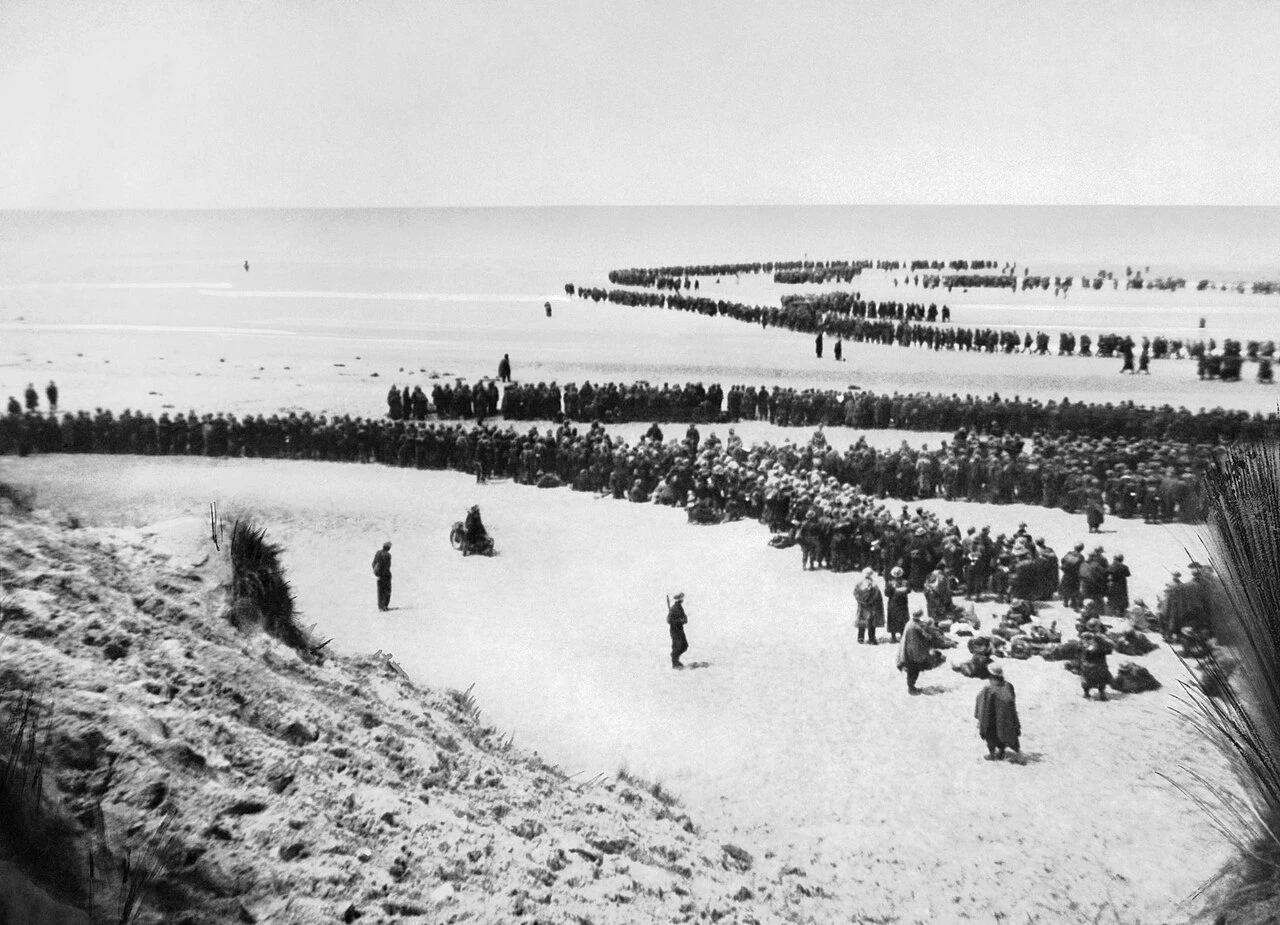
Dunkirk: holding the line under the bombs
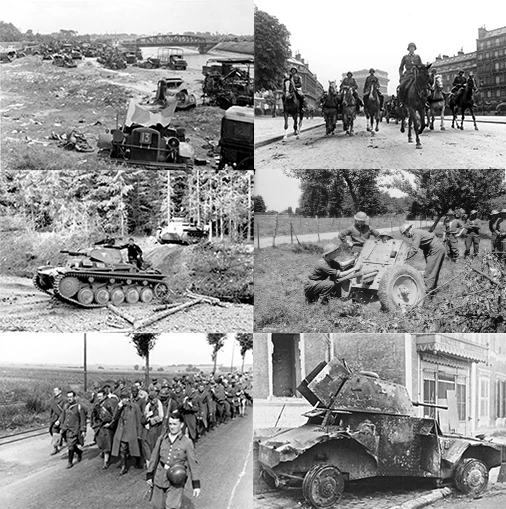
The Weygand Line on the Somme
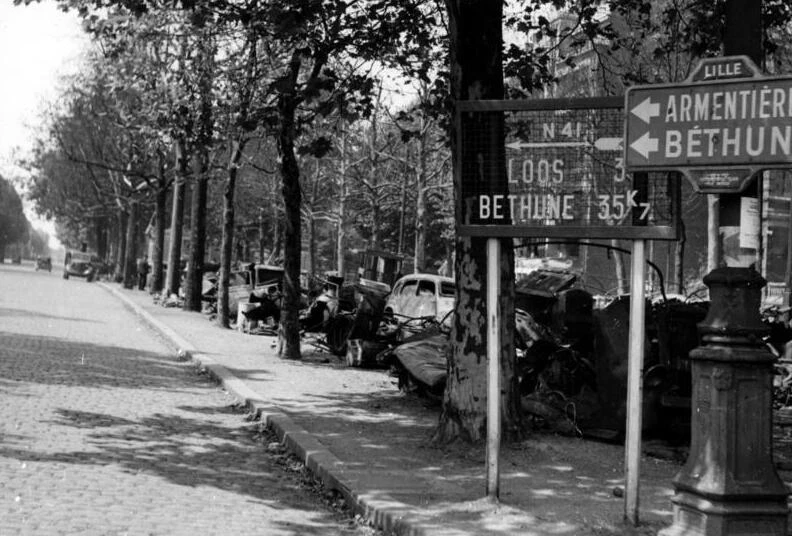
The Lille Pocket
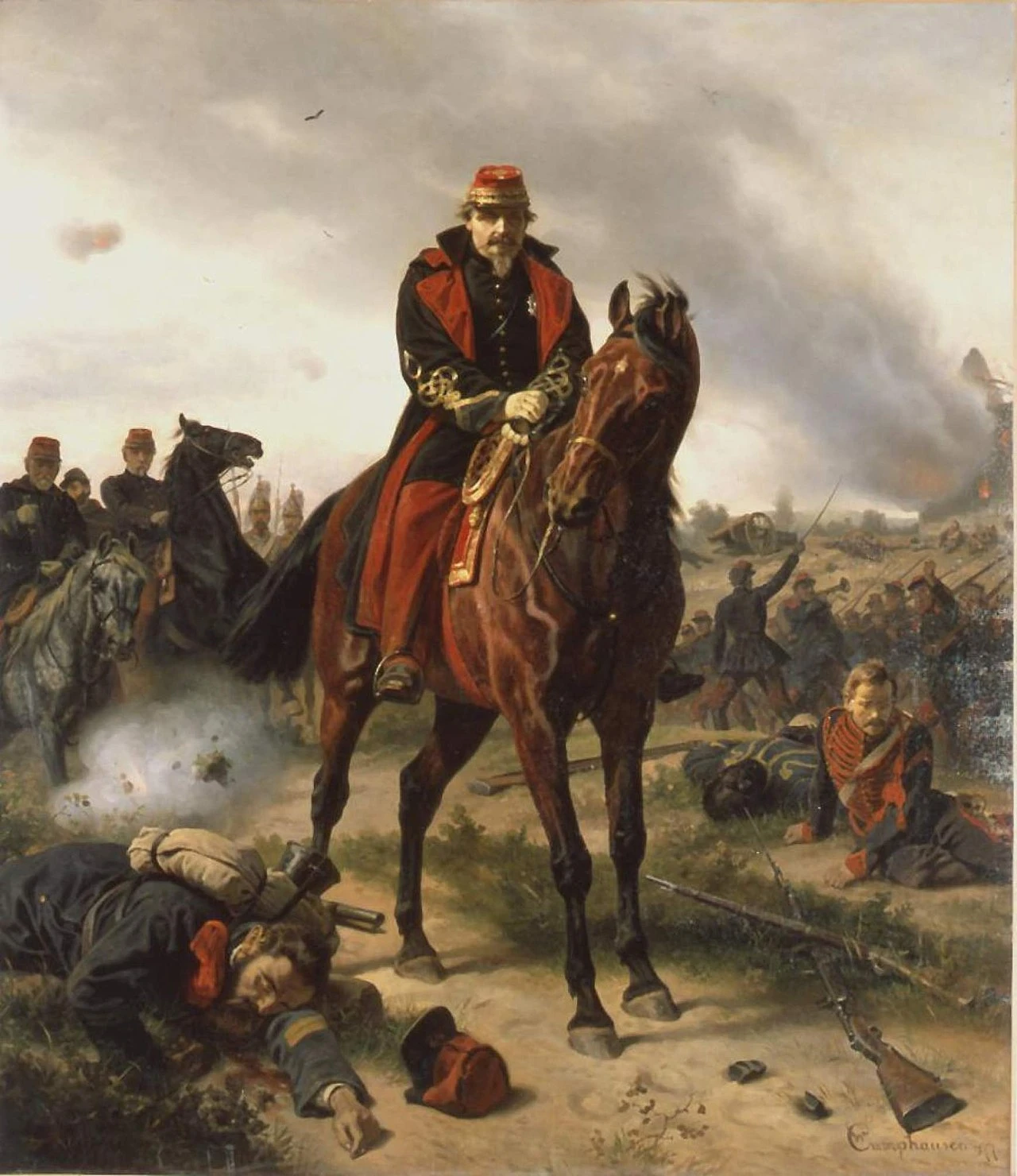
Touchon on the Aisne — Fall Rot
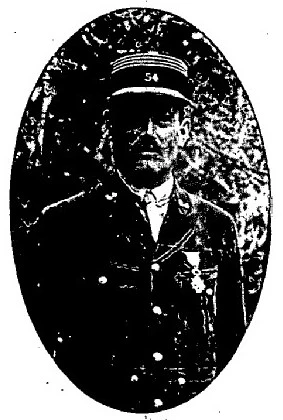
Bulson — Lafontaine and the 02:00 rumour
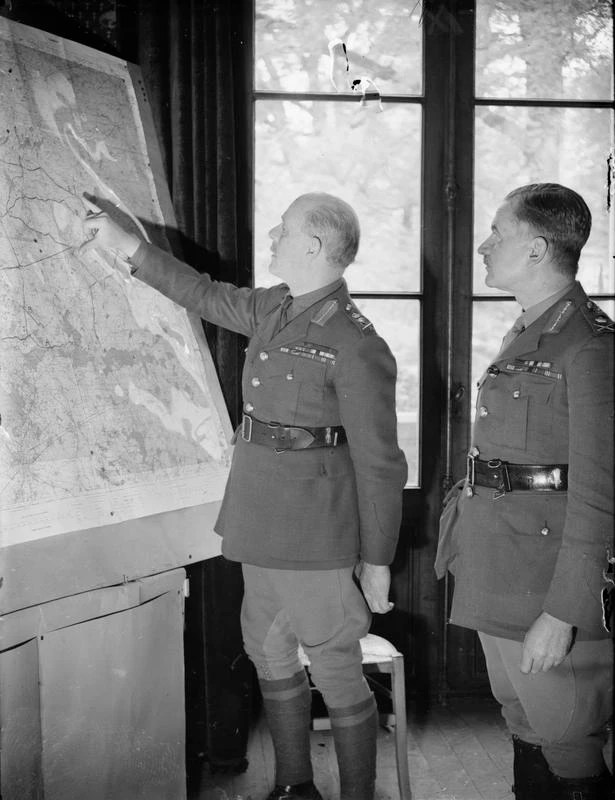
Gort at Habarcq — trust in the French plan
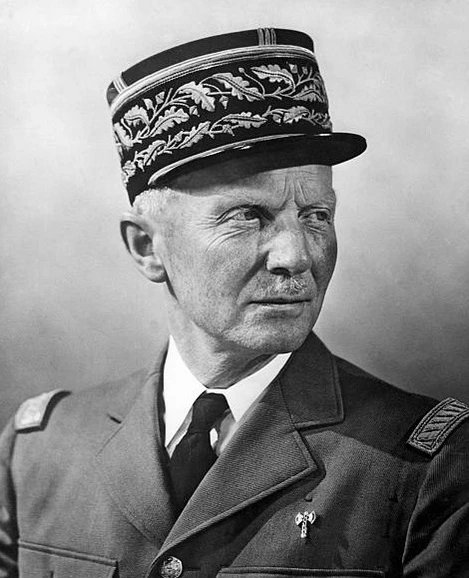
Huntziger over the Sedan reports — 13 May
Boulogne — Fox-Pitt and the Guards facing the port
Calais — Nicholson facing the ultimatum
The Defence of Boulogne
Dunkirk: holding the line under the bombs
The Weygand Line on the Somme
The Lille Pocket
Touchon on the Aisne — Fall Rot
Bulson — Lafontaine and the 02:00 rumour
Gort at Habarcq — trust in the French plan