
Bergen — the Skuas at extreme range
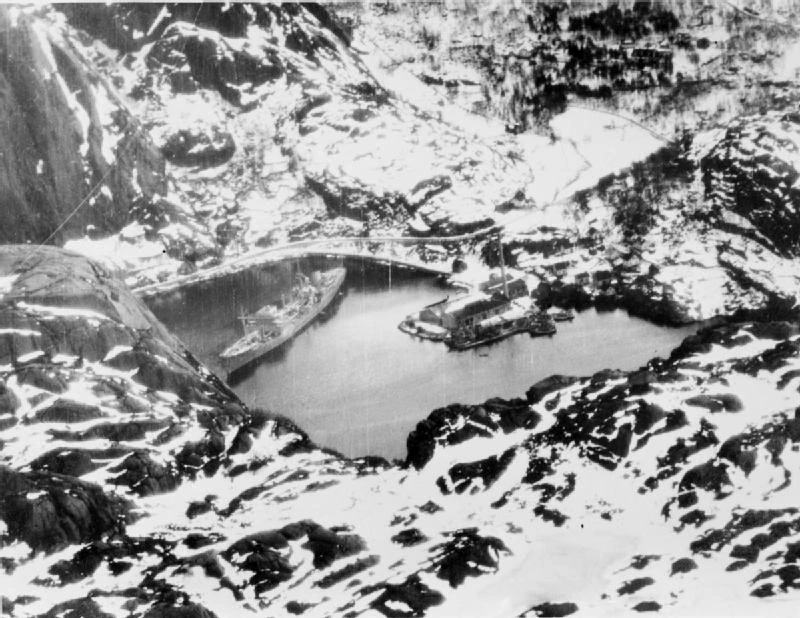
The squadron commander of Blackburn Skuas of the Fleet Air Arm, the British naval air arm, receives on 10 April 1940 a target spotted the day before: the German light cruiser Königsberg, moored in the port of Bergen, on Norway's west coast. The ship was hit by Norwegian coastal artillery during the invasion and lies at the quay, partially immobilised.
The Skua is a hybrid aircraft, at once fighter and dive-bomber, embarked on aircraft carriers but here operating from the Orkney Islands in Scotland. Yet Bergen lies at the extreme limit of its range: the round trip will leave almost no fuel margin, and any headwind or combat detour can condemn the crews to ditching in the North Sea. The port's anti-aircraft and possible German fighters await above the fjord.
No great warship has ever yet been sunk by a dive-bomber attack. The opportunity of a ship at the quay, immobile, is rare. But the risk to the crews, at this distance, is high. The officer must decide on the employment of his Skuas.
Will you launch your dive-bombers at extreme range against a cruiser at the quay, or wait for safer conditions?
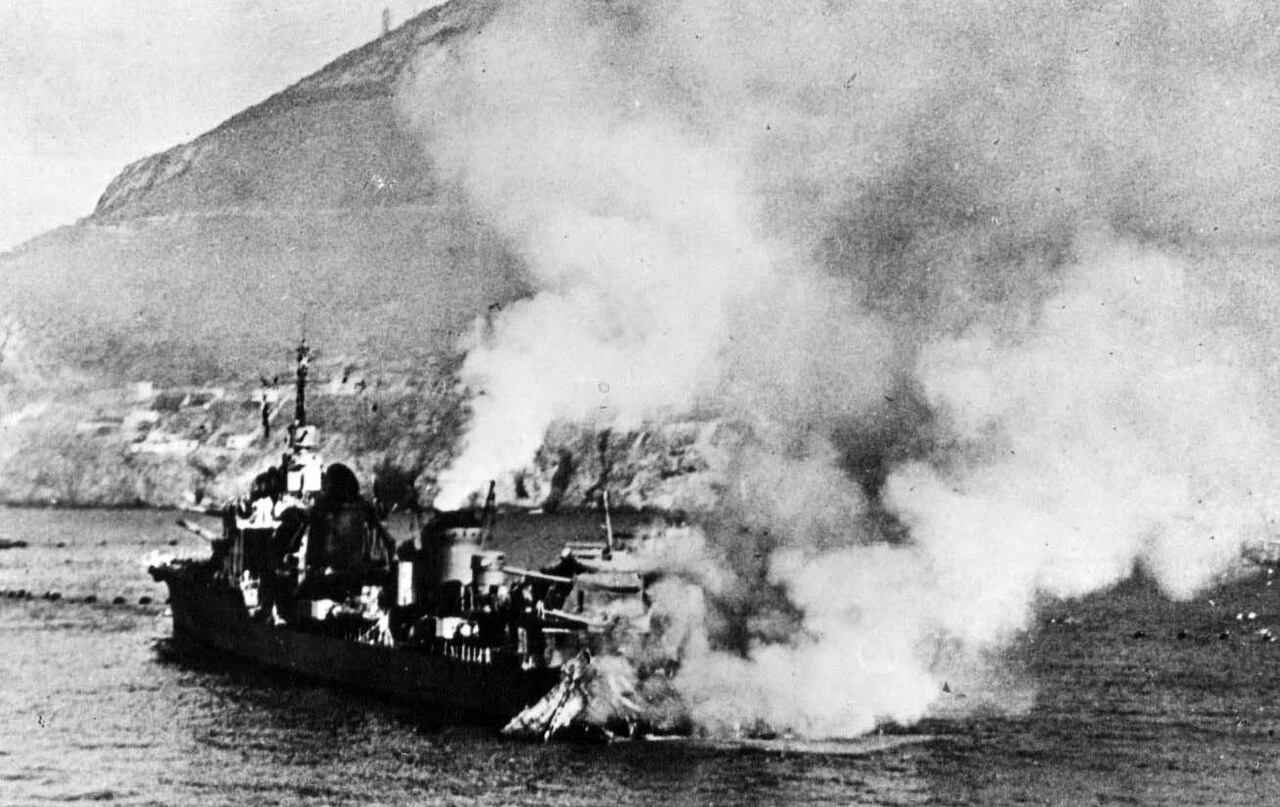
The squadron chose A. On the morning of 10 April 1940, sixteen Skuas of , flying from the Orkneys, dived on the Königsberg at her berth in Bergen. Several 500-pound bombs struck the cruiser, which capsized and sank within hours. It was the first time a great warship had been sent to the bottom by dive-bombers — a major technical precedent, which would not, however, be repeated soon, for lack of available aircraft carriers, most being in the Mediterranean. Only one Skua was lost over the target. The feat nourished the nascent debate on the vulnerability of ships to aviation, a debate the rest of the war would settle brutally, from Taranto to Pearl Harbor.
Learn more about this event
Related polls
10
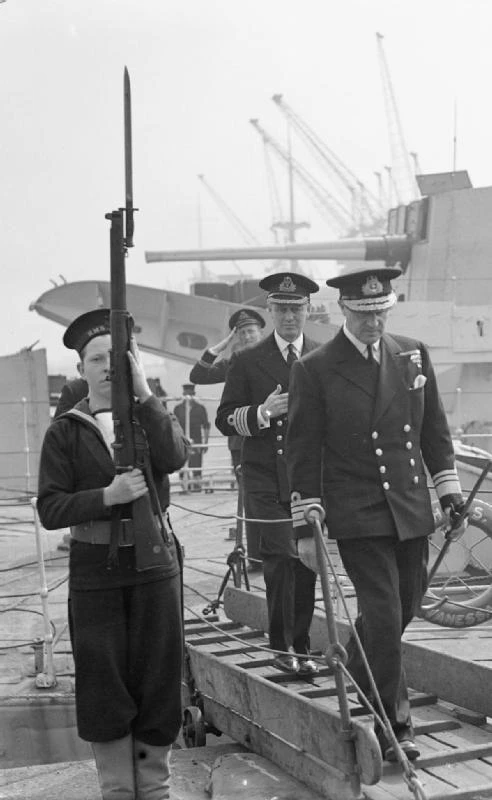
Whitworth and the Warspite — 13 April
The bridges of Maastricht — the sacrifice of the Battles
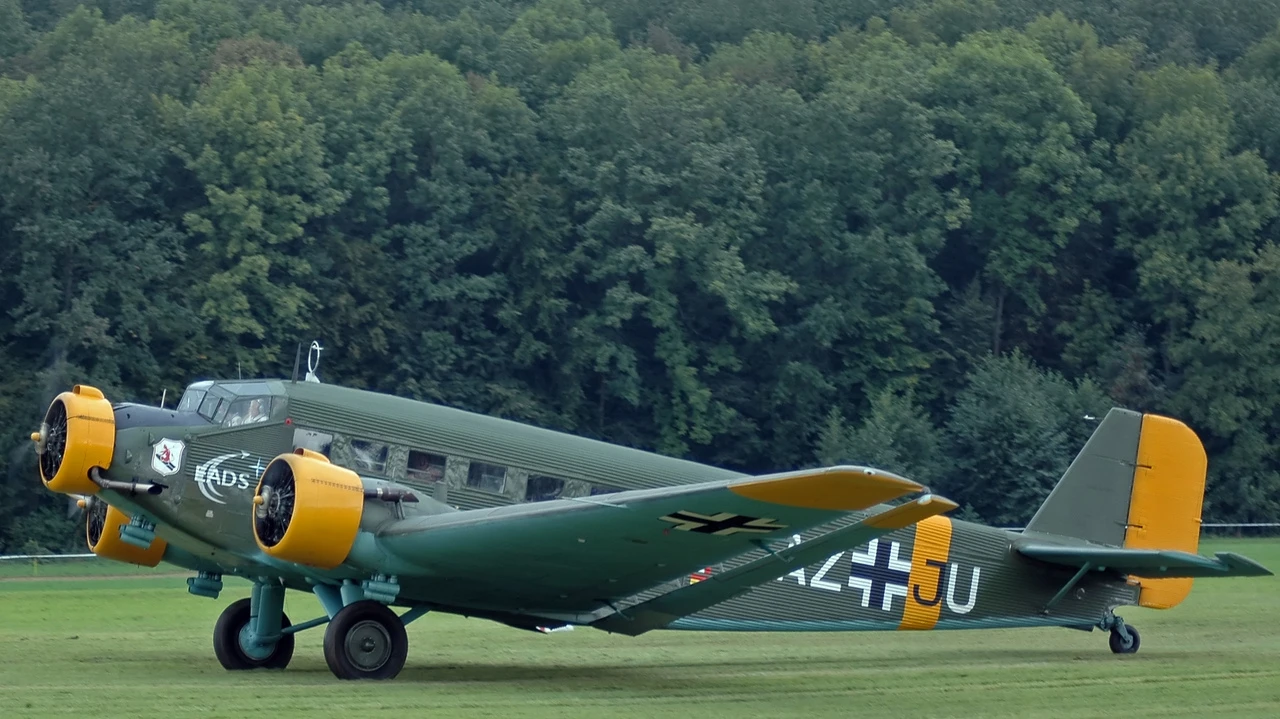
Fornebu — the transports under fire

Odderoya — an identity in the mist
Oscarsborg — the intruder in the Oslofjord
The Ports Gorged with Invasion Barges
The Altmark affair
Dakar — de Gaulle and Operation Menace
Excess: getting the convoy through under a new threat
Mers-el-Kébir
Whitworth and the Warspite — 13 April
The bridges of Maastricht — the sacrifice of the Battles
Fornebu — the transports under fire
Odderoya — an identity in the mist
Oscarsborg — the intruder in the Oslofjord
The Ports Gorged with Invasion Barges
The Altmark affair
Dakar — de Gaulle and Operation Menace
Excess: getting the convoy through under a new threat