
Warsaw Under Siege — Operating Without Morphine
In late September 1939, after weeks of siege, Warsaw lies dying. The Luftwaffe methodically pounds the city: on 25 September, sometimes called "Black Monday," hundreds of aircraft unload their bombs, striking water points, markets, and hospitals as well. Several hospitals full of the wounded are destroyed; wards overflow, and the injured pile up on blankets laid directly on the floor.
In these facilities, medicine, dressings, and water are running out. Morphine is being exhausted, and surgeons must sometimes operate and amputate with makeshift means. Doctors and nurses work for dozens of hours on end, sleeping fully clothed between operations.
An exhausted chief physician must choose: press on with treatment at all costs under appalling conditions, safeguard what remains of the supplies by leaving the city before it falls, or plead with the command for a swift surrender to stop the slaughter of the wounded.
Under the bombs of the siege of Warsaw, what does an overwhelmed hospital physician, short of everything, do?
Warsaw's medical staff stayed at their posts: doctors and nurses continued to treat and operate on the wounded, often without anesthesia or running water, until the city capitulated on 28 September 1939. The siege caused around 25,000 civilian deaths and thousands more among the soldiers; at least nine hospitals were destroyed by the bombing. The dedication of the Polish medical corps, caring for patients under the bombs in inhuman conditions, remained one of the symbols of the capital's resistance during September 1939.
Learn more about this event
Related polls
10
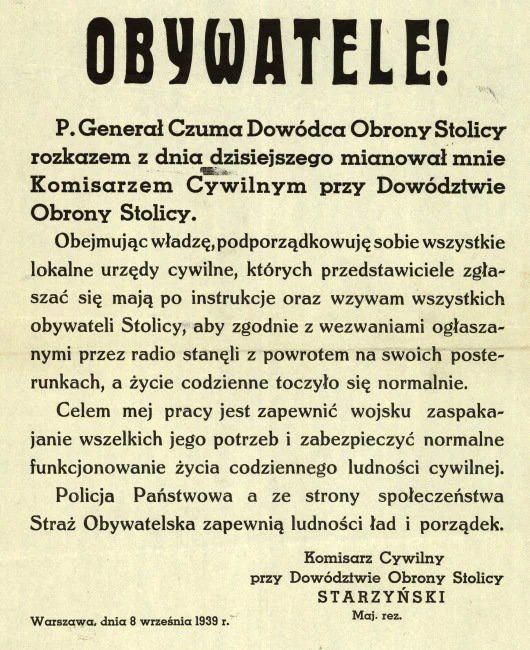
Warsaw Under Siege: Feeding the City or the Front
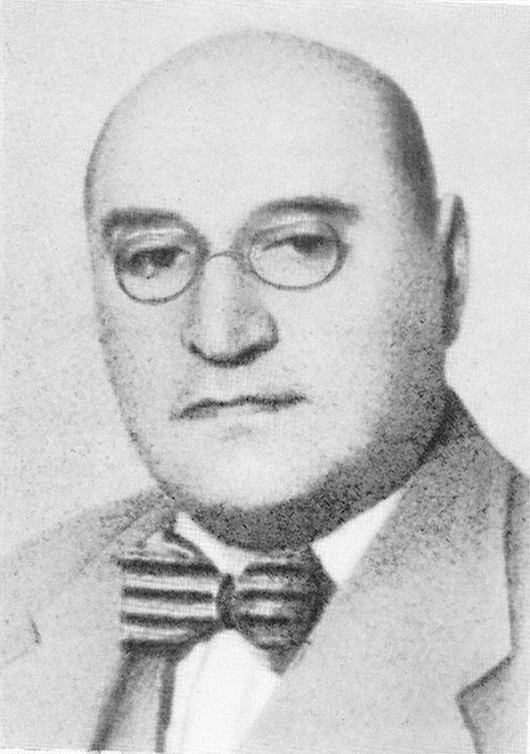
Czerniaków — the offer of the Judenrat
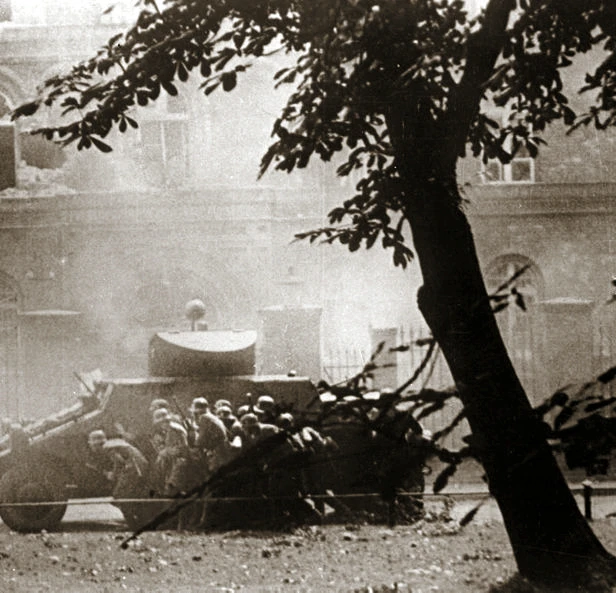
The Polish Post Office in Danzig — Guderski under SS fire
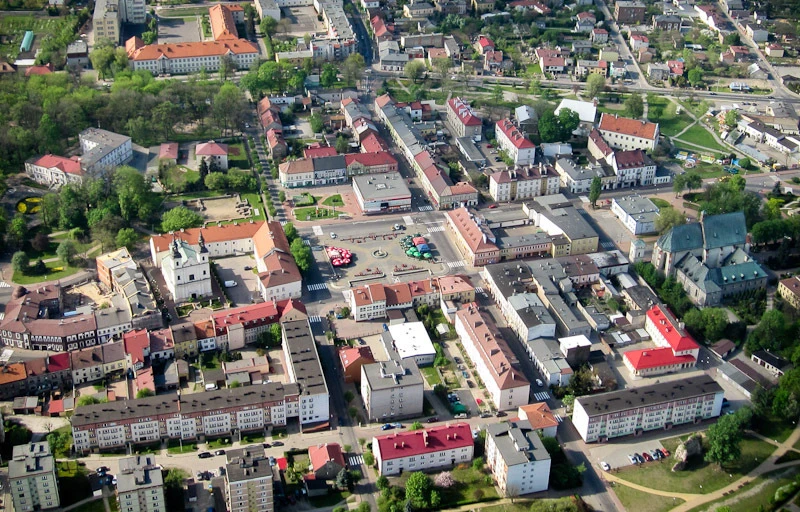
Wieluń, 4:40 a.m. — the first bomb of the war
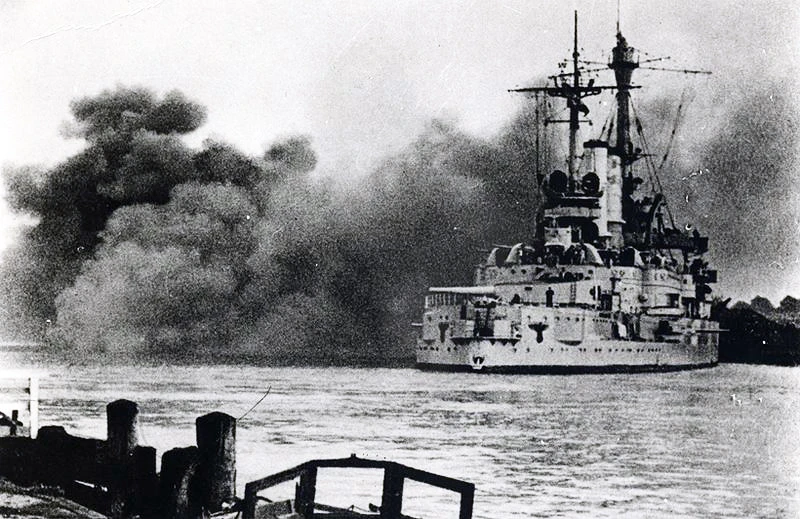
Danzig, September 1939 — the policeman of the Free City
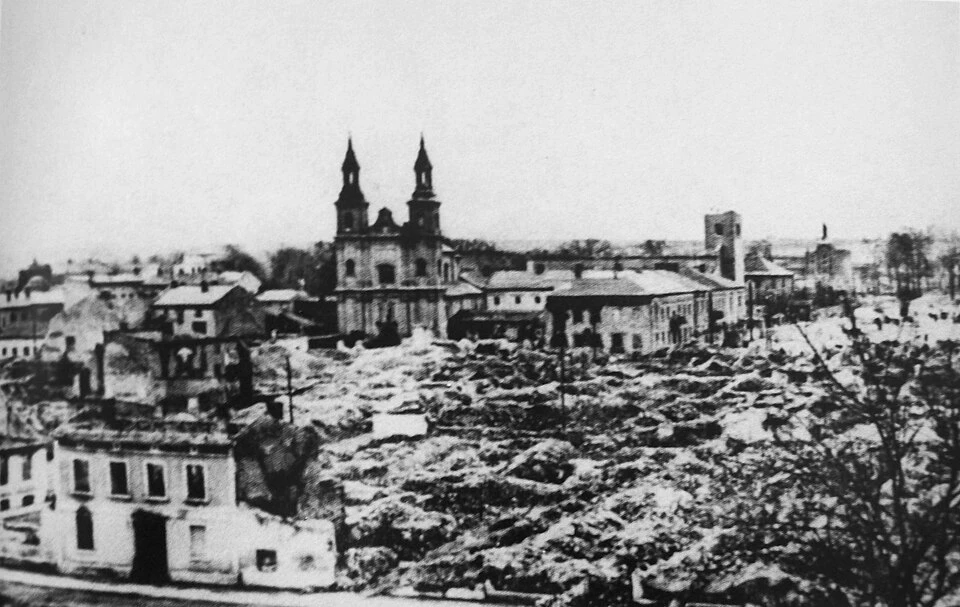
Wieluń at 04:40 — the first air strike
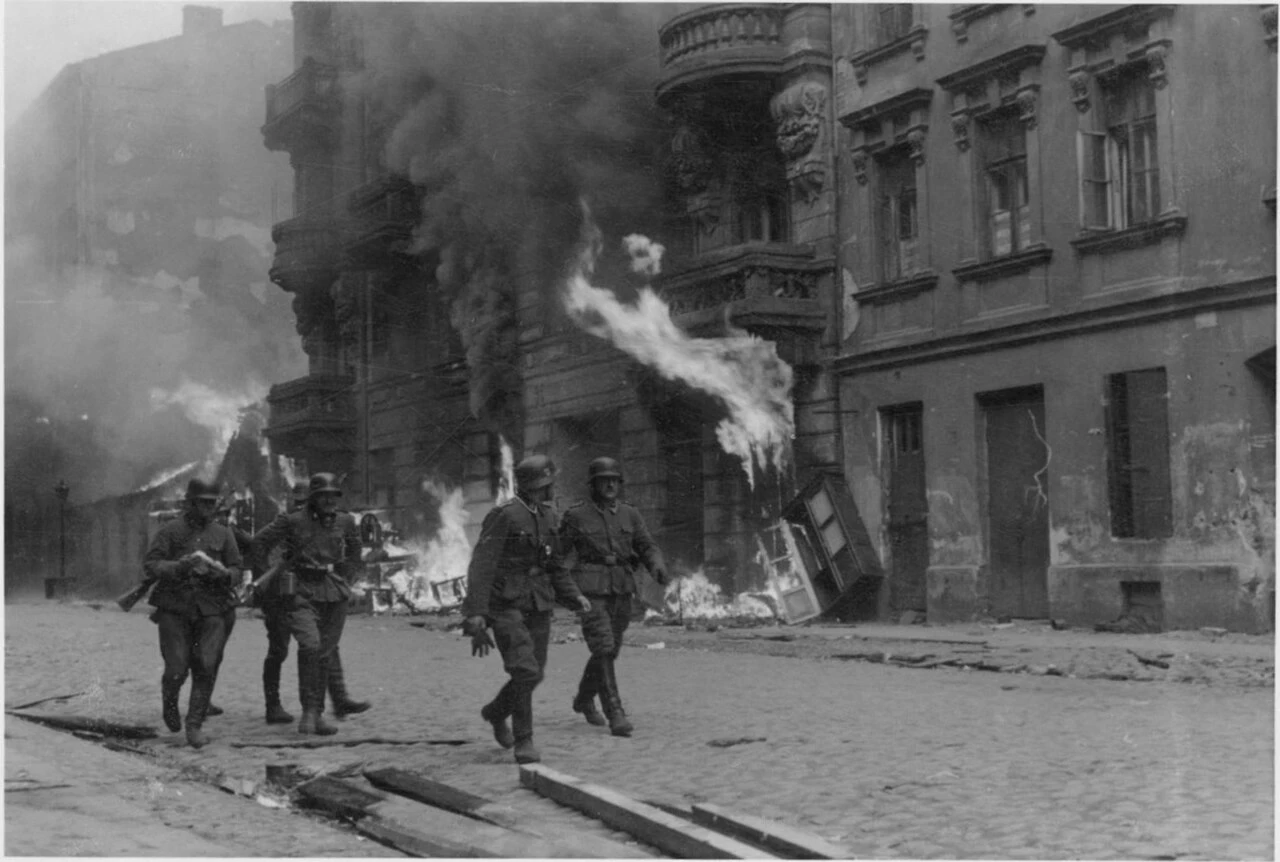
The Jewish Schoolteacher of Kazimierz
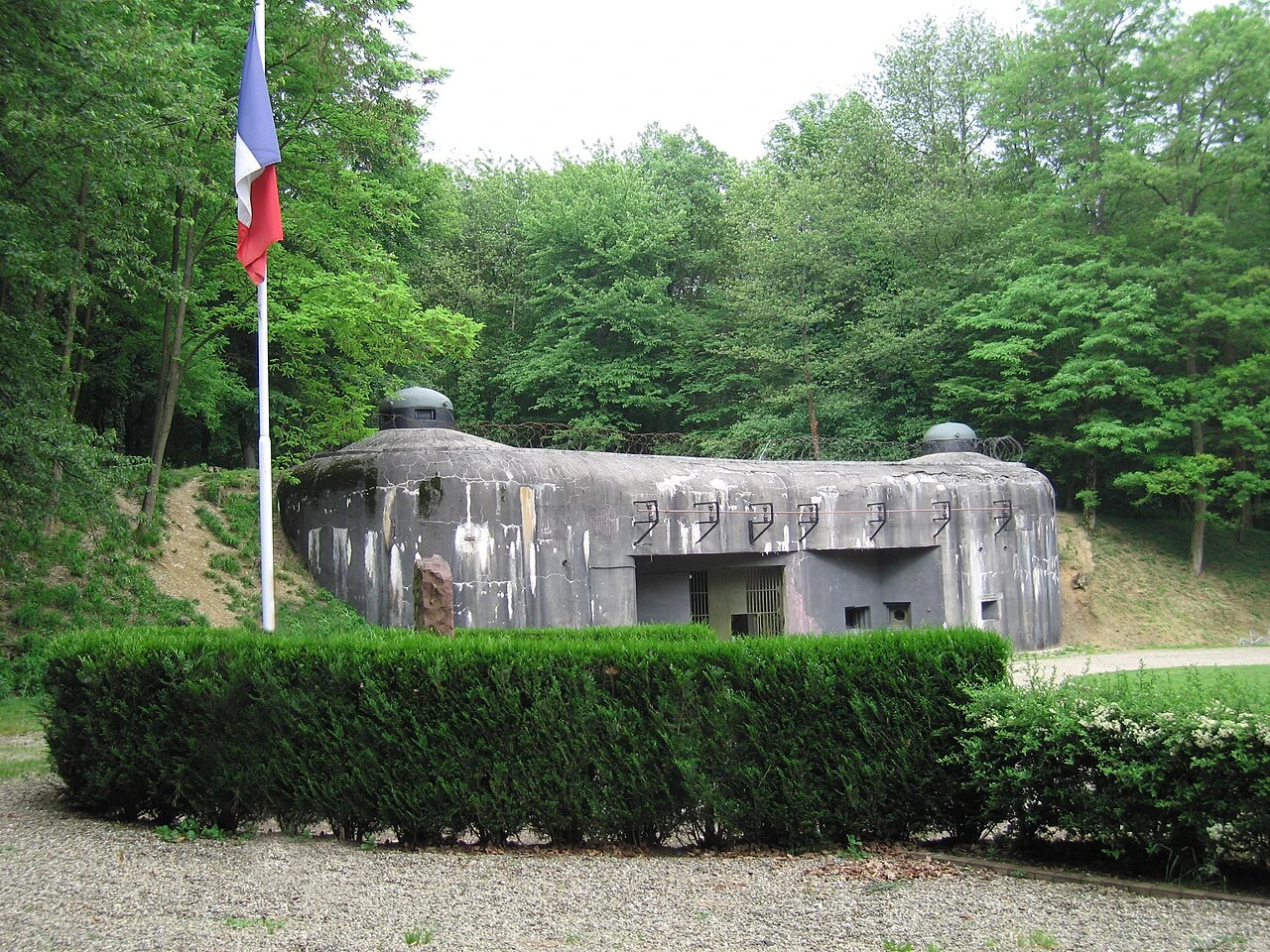
The Forbidden Zone of Alsace — what to do with the civilians of the Rhine?
Brześć — Plisowski faces Guderian
Czerniaków — the Warsaw ghetto sealed
Warsaw Under Siege: Feeding the City or the Front
Czerniaków — the offer of the Judenrat
The Polish Post Office in Danzig — Guderski under SS fire
Wieluń, 4:40 a.m. — the first bomb of the war
Danzig, September 1939 — the policeman of the Free City
Wieluń at 04:40 — the first air strike
The Jewish Schoolteacher of Kazimierz
The Forbidden Zone of Alsace — what to do with the civilians of the Rhine?
Brześć — Plisowski faces Guderian