
The Bryansk forests, autumn 1941
Summer has tipped into disaster. Ever since Operation Barbarossa was unleashed in June, the Wehrmacht has surged eastward, encircling entire armies and leaving behind whole regions handed over to the occupier. Here, in the vast wooded expanse stretching around Bryansk, the front has passed like a wave, abandoning the villages to a German military administration that requisitions the harvests, registers the men, and posts warning notices at the crossroads. The land, for its part, does not wait for the war: the rye must be brought in, the cow tended, the winter prepared that is already drawing near over Russia.
But the woods are not empty. Soldiers who escaped the encirclement pockets, Party cadres who stayed behind, men fleeing forced labor sink beneath the high timber and begin to organize. There is talk of an appeal issued from Moscow this summer, urging the population of the occupied territories to harass the invader. By night, silhouettes are seen passing; by morning, a bridge has been blown, a convoy has been derailed. And every blow struck calls forth its answer: the occupier burns farms, takes hostages, shoots at random to break those who would help the men of the forest.
The peasant you embody knows every path, every barn, every family of the hamlet. People come to him asking for bread, a roof for a night, a piece of intelligence on the patrols. To refuse may be to save his own; to accept is to risk losing everything. The occupation authorities, for their part, promise peace to whoever keeps quiet. Winter is rumbling, and every grain counts. A decision must be made.
What does the peasant of the Bryansk forests do in this autumn of 1941?
A great many villagers of the Bryansk region chose to support the partisans, providing them with food, shelter, and intelligence despite the reprisals. Fueled by Stalin's directive of 3 July 1941 and then by the organization of the movement after the order of 18 July, the Bryansk underground became one of the most powerful in the USSR: at its peak in 1942-1943, several tens of thousands of partisans operated there, controlling vast forest zones known as "partisan territories." The Germans struck back with anti-partisan operations of extreme brutality, burning entire villages and executing civilians en masse. The railway sabotage, intensified during the "rail war" of 1943, lastingly disrupted the logistics of Army Group Centre and contributed to the German collapse after Kursk.
Learn more about this event
Related polls
10
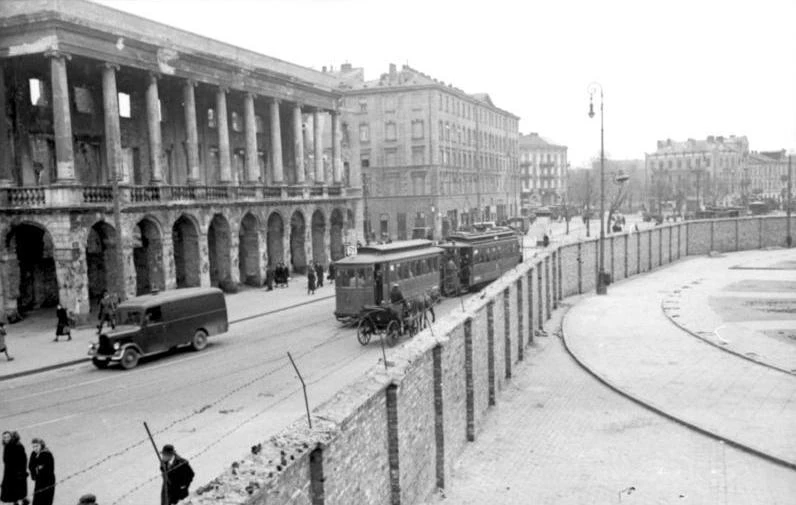
Clandestine teaching in the Warsaw Ghetto
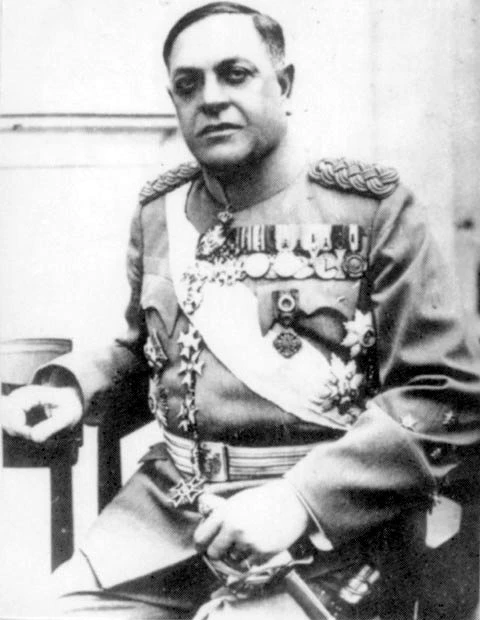
The Belgrade schoolteacher under the occupation
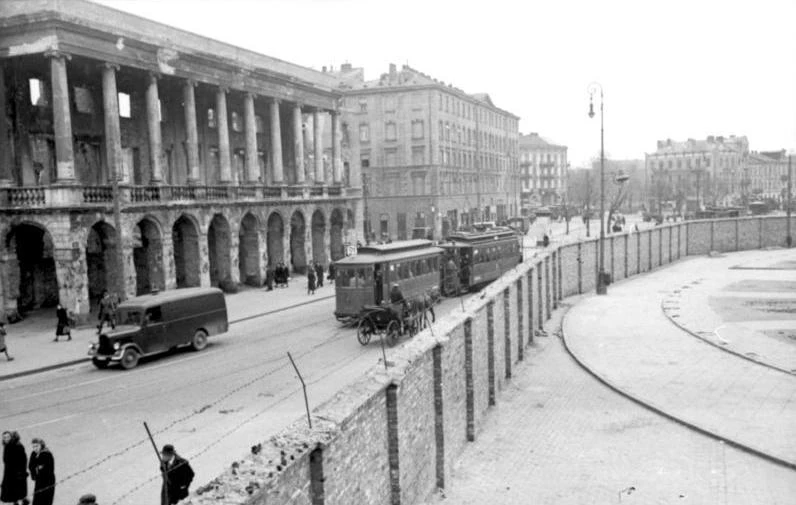
Studying in the Warsaw Ghetto
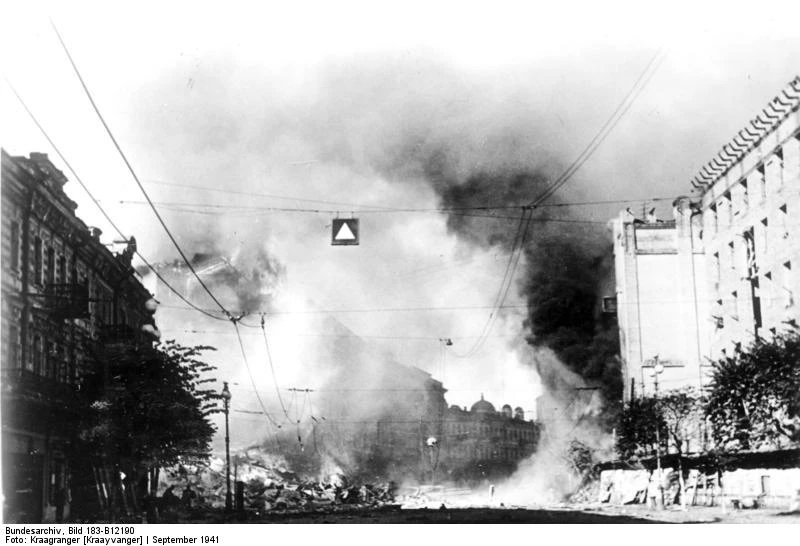
Kiev, September 1941: A Neighbor Facing Babi Yar
The Belgrade medical student and the call of the Partisans
The Parisian concierge facing informing under the Occupation
Oslo, September 1941: The Milk Strike
A French nurse facing a wounded enemy soldier
At the Dahomey pit, the morning of team-rate pay
The strike of the '100,000' in Belgium
Clandestine teaching in the Warsaw Ghetto
The Belgrade schoolteacher under the occupation
Studying in the Warsaw Ghetto
Kiev, September 1941: A Neighbor Facing Babi Yar
The Belgrade medical student and the call of the Partisans
The Parisian concierge facing informing under the Occupation
Oslo, September 1941: The Milk Strike
A French nurse facing a wounded enemy soldier
At the Dahomey pit, the morning of team-rate pay