
Tréand and La France au travail
After the dissolution of the PCF on 26 September 1939, French communist militants moved into total clandestinity. The official leadership () was in the USSR; took underground command in Paris (until June 1940, when he moved to Belgium). , 41, a former typographer at L'Humanité, headed the propaganda branch.
His missions: recover the printing presses hidden with militants before the ban; produce clandestine newspapers; circulate the Comintern's directives (which arrived by Soviet diplomatic pouch via Stockholm).
First clandestine paper: a duplicated version of L'Humanité (October 1939). Print run: 1,200 copies. Then La Vie ouvrière (the clandestine CGT-U). On 20 December 1939 came the first issue of La France au travail — clandestine PCF daily, print run 5,000 copies, distributed in Paris and its suburbs through cells of 5 militants.
The Comintern directives reaching him via Stockholm imposed an "anti-imperialist-war" line, hostile both to national defence and to the Socialist leaders (Blum having supported the dissolution of the PCF).
Tréand had to decide on the paper's line in the face of the PCF's discredit.
How should Tréand handle the political discredit of the PCF?
Tréand applied A strictly. Throughout the winter of 1939-1940, the clandestine PCF's line remained anti-imperialist-war, alienating part of the French working class (which backed national defence). Consequence: mass arrests by the French police's anti-terrorist special brigade (BS1 then BS2) — 5,600 militants arrested between September 1939 and June 1940, 3,700 convicted. La France au travail was seized several times but kept reappearing. Political pivot on 22 June 1941 (Barbarossa): the clandestine PCF entered active resistance against the Nazi occupier. and ("Maxime") created the (). Tréand remained head of PCF clandestine propaganda during the Occupation, arrested in May 1941, interned at Châteaubriant. Released in 1942, arrested again in 1943, deported to Buchenwald. He survived. After the war, marginalised by Thorez, expelled from the Political Bureau in 1952. Died in 1980. The episode of the clandestine PCF in the winter of 1939-1940 remains politically awkward for postwar French memory.
Learn more about this event
Related polls
10

Daladier — Thorez's Defection
Maurras and the phoney war
Sikorski — Paris, autumn 1939
Sosnkowski — KSK, 27 November
Anders in the Lubyanka
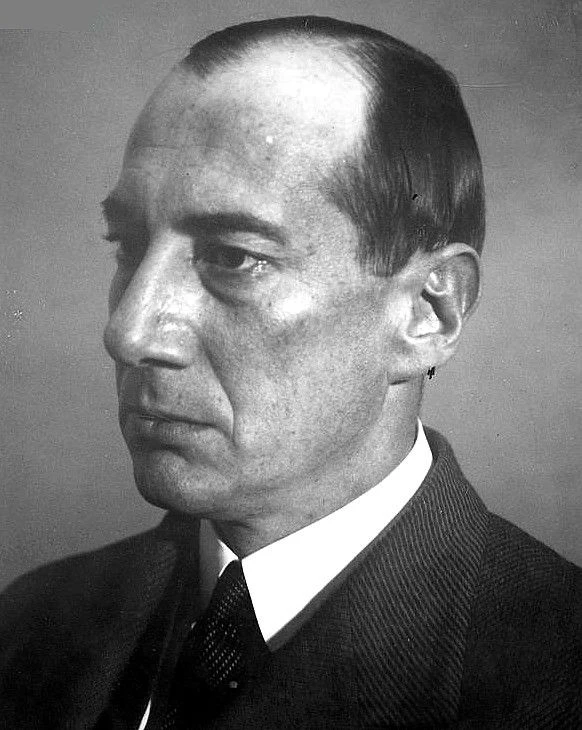
Beck in Bucharest — the Internee
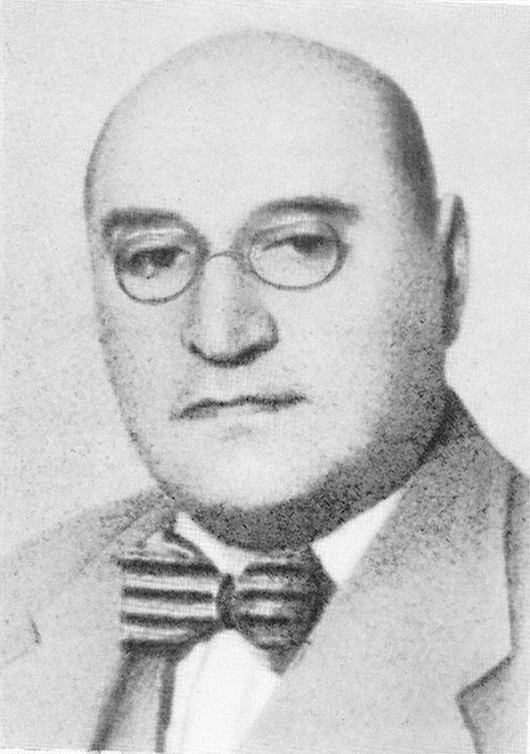
Czerniaków — the offer of the Judenrat
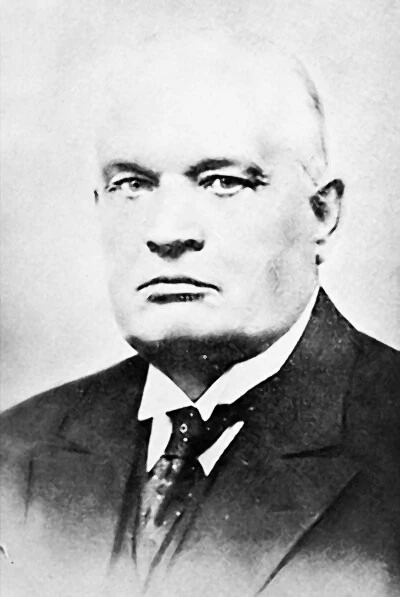
Estonia — Päts Facing the Ultimatum
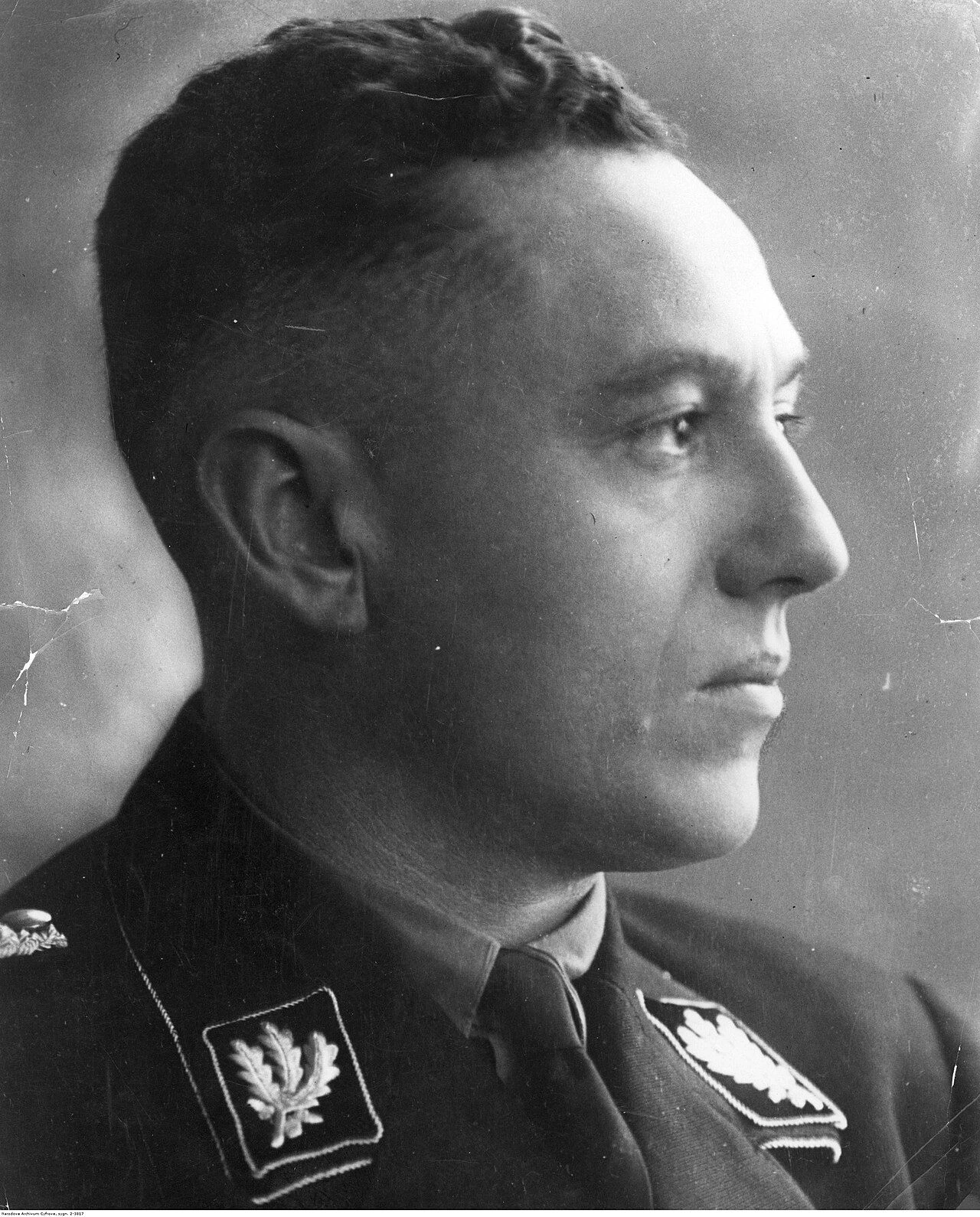
Forster — Kashubians and Kociewiacy
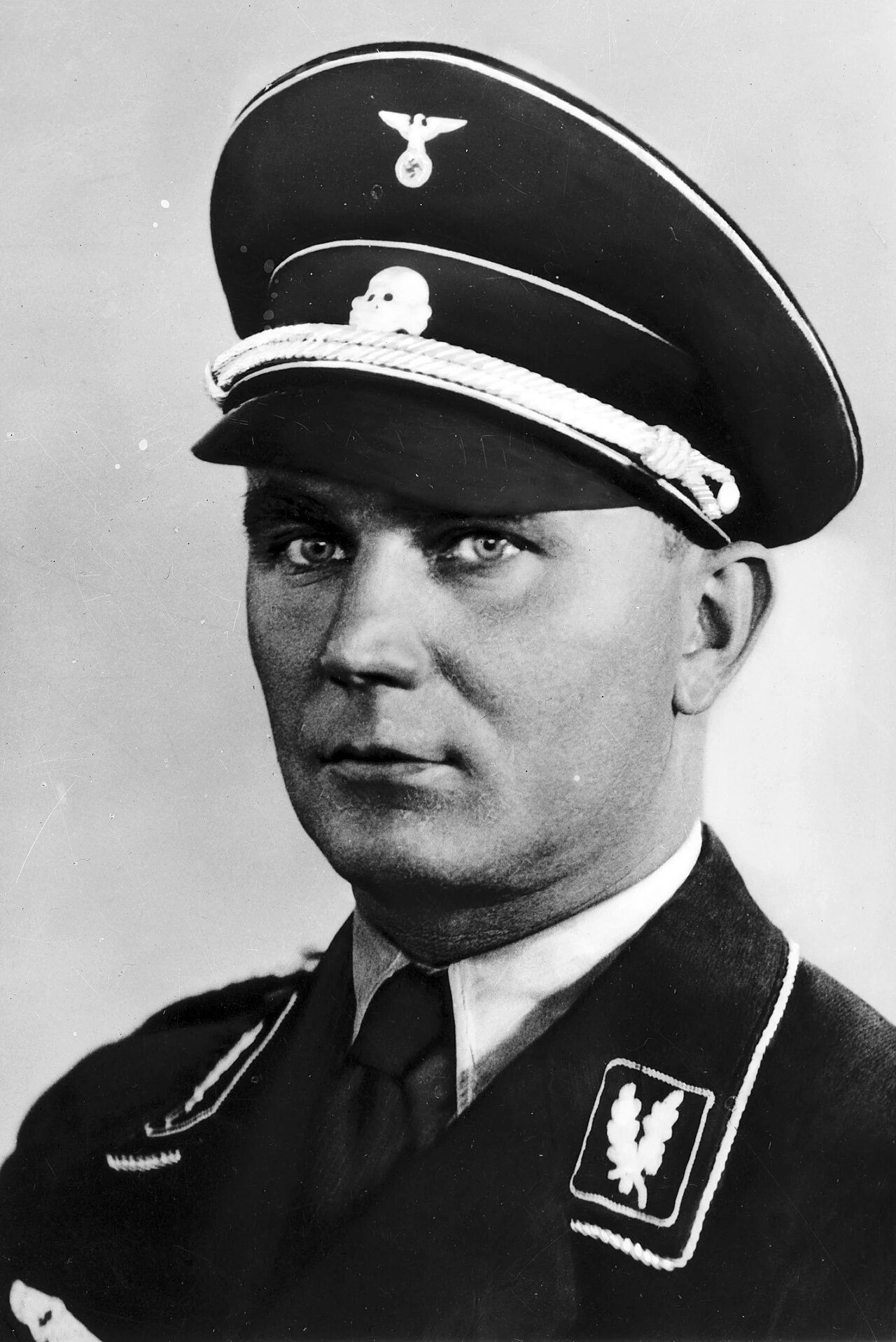
Greiser — the Priority of the Wartheland
Daladier — Thorez's Defection
Maurras and the phoney war
Sikorski — Paris, autumn 1939
Sosnkowski — KSK, 27 November
Anders in the Lubyanka
Beck in Bucharest — the Internee
Czerniaków — the offer of the Judenrat
Estonia — Päts Facing the Ultimatum
Forster — Kashubians and Kociewiacy