
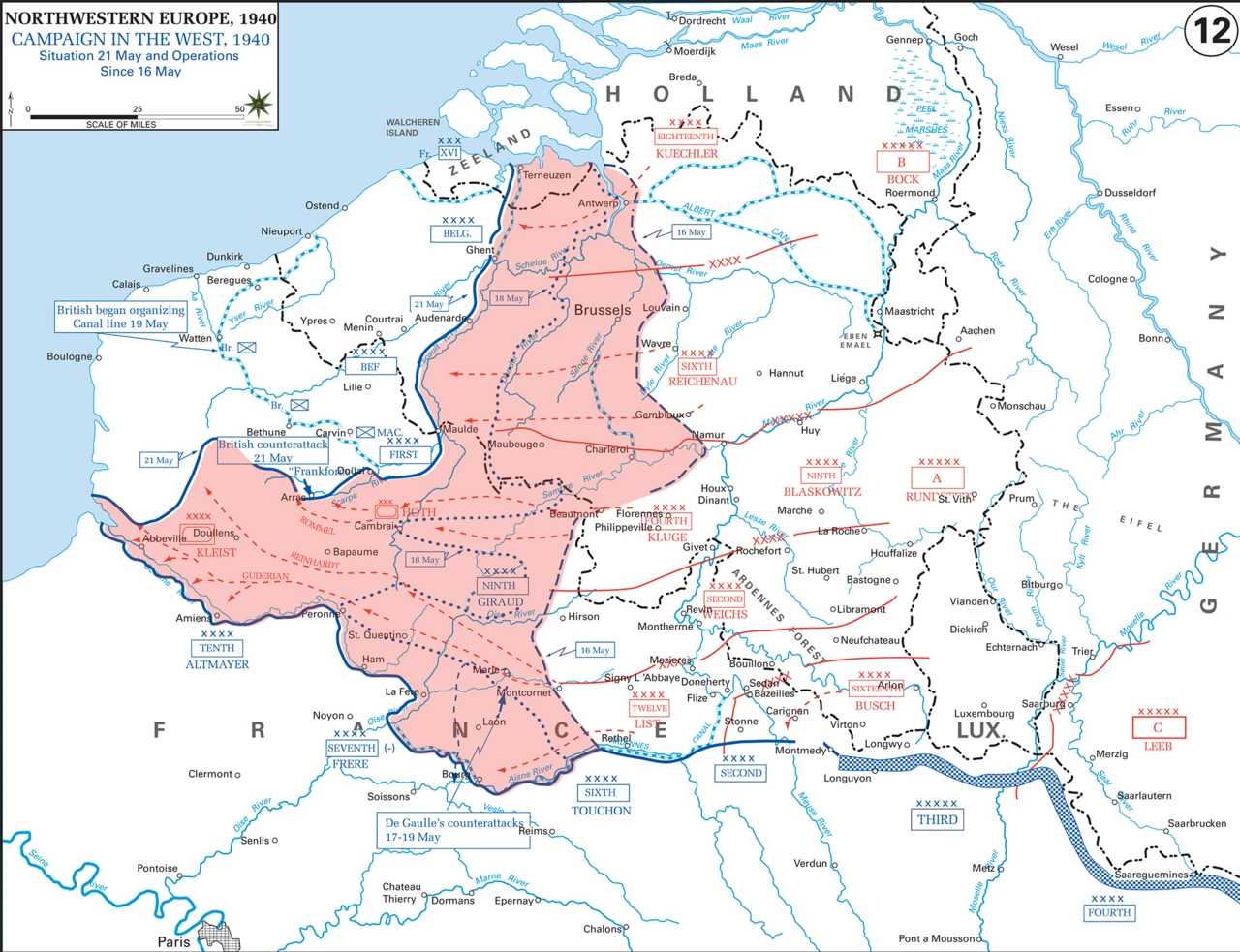
In late May 1940, while the Dunkirk evacuation is in full swing, part of the finds itself encircled around Lille, some fifty kilometres from the coast. These units, cut off from the bulk of the forces, no longer have any realistic hope of reaching the beaches.
Their commander, General , faces a rearguard choice. By continuing to fight in the "Lille pocket", these troops pin down several German divisions — up to seven, it is said — which would otherwise charge towards Dunkirk and jeopardise the evacuation. But it is at the cost of their own sacrifice.
Molinié may resist in Lille to pin down the maximum of German forces for the benefit of Dunkirk. He may capitulate quickly to spare his men in a hopeless situation. Or he may attempt a desperate sortie towards the coast. The decision pits the immediate salvation of his soldiers against the higher interest of the army re-embarking further north.
Should Molinié resist in Lille to cover Dunkirk, capitulate quickly, or attempt a sortie?
Molinié chooses A: from 28 to 31 May, around 40,000 French soldiers hold the Lille pocket and pin down several German divisions, helping to cover the Dunkirk evacuation. Out of ammunition and without hope, the garrison capitulates on 31 May. In tribute to their courage, the Germans grant the defenders the honours of war: the French soldiers march past the enemy bearing arms before captivity — a rare event. The siege of Lille remains one of the finest feats of arms of the French army in 1940, an example of a rearguard sacrifice in the service of the Allied evacuation.
Learn more about this event
Related polls
10
Boulogne — Fox-Pitt and the Guards facing the port
Calais — Nicholson facing the ultimatum
The Defence of Boulogne
The Weygand Line on the Somme
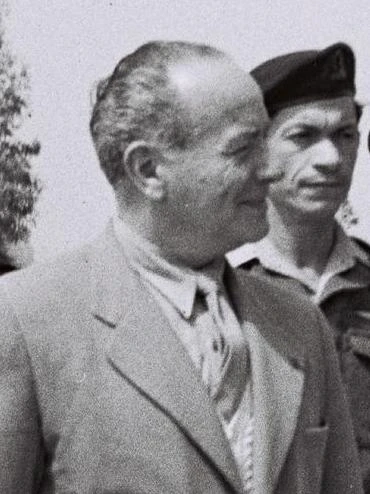
Stonne — Billotte facing the Panzer column
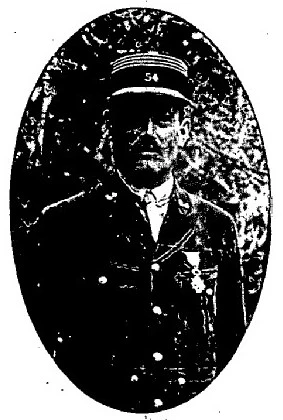
Touchon on the Aisne — Fall Rot
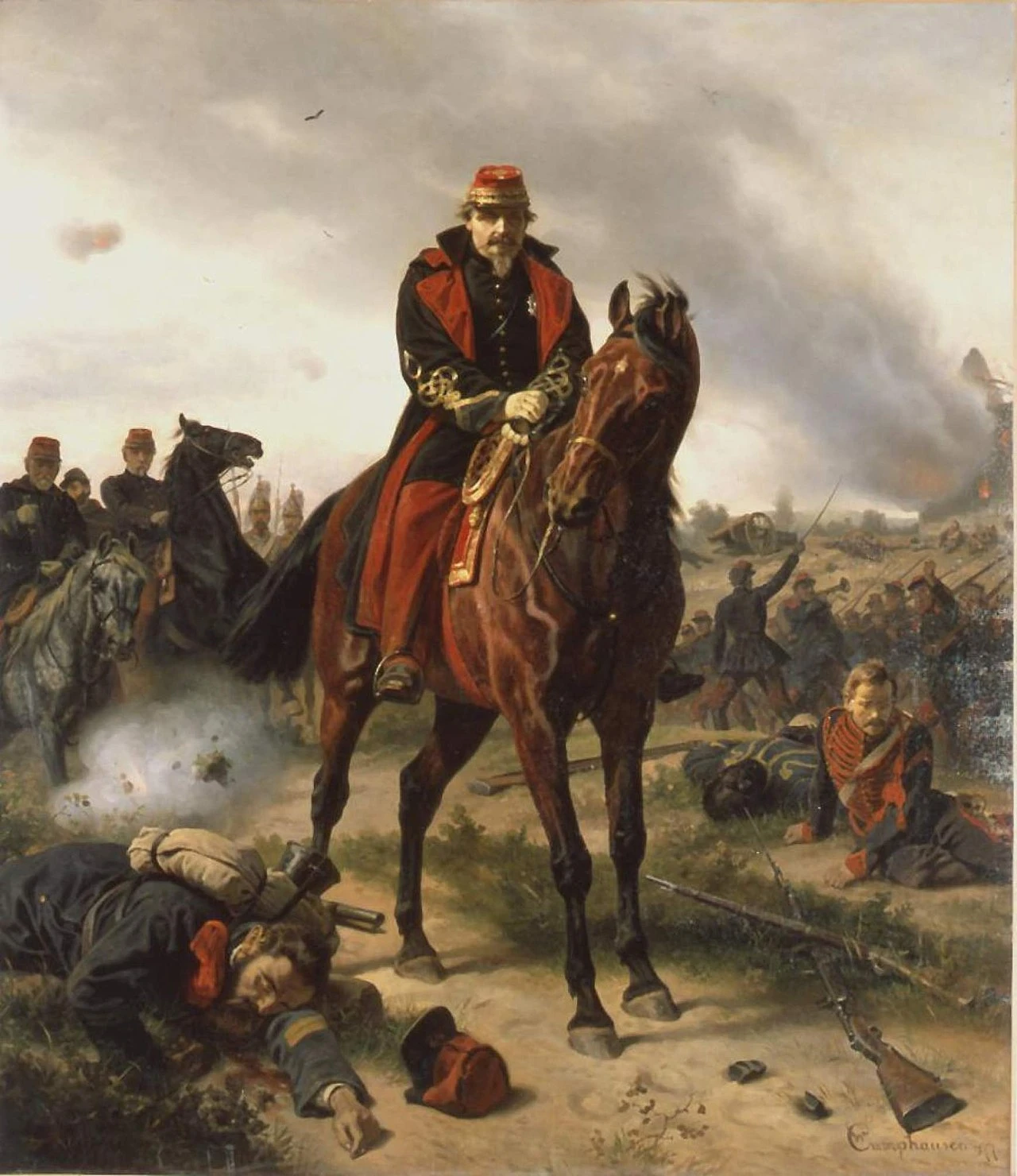
Bulson — Lafontaine and the 02:00 rumour
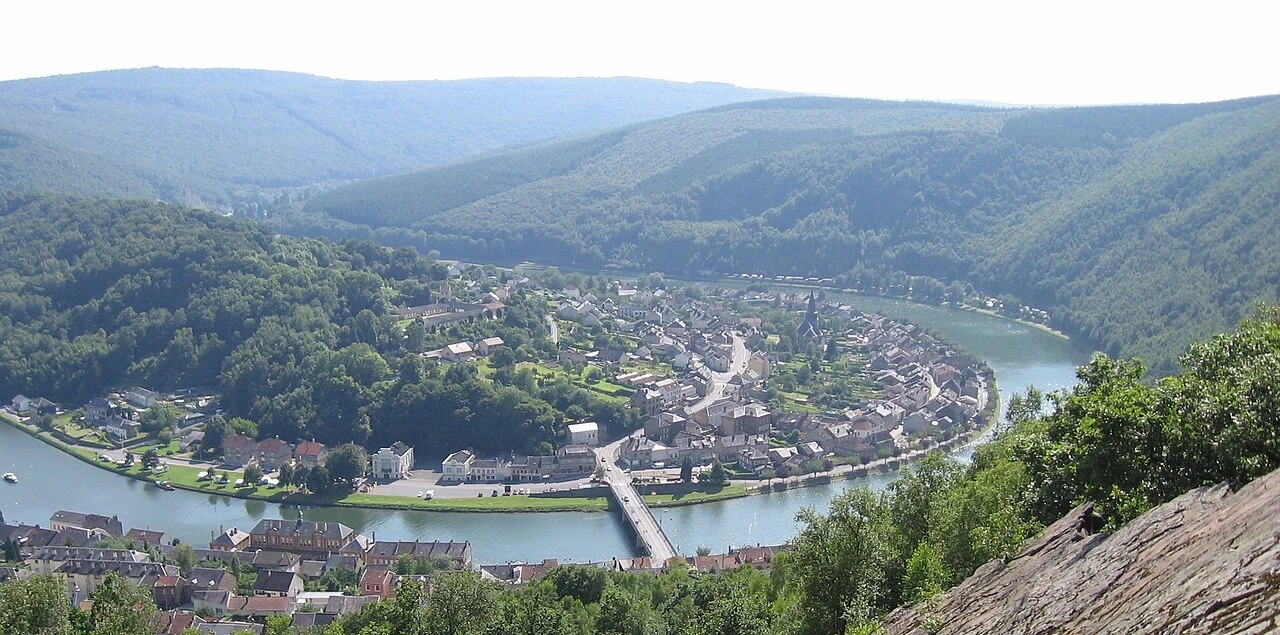
Monthermé — Portzert in the Meuse loop
The panic of Bulson
The Battle of the Lys
Boulogne — Fox-Pitt and the Guards facing the port
Calais — Nicholson facing the ultimatum
The Defence of Boulogne
The Weygand Line on the Somme
Stonne — Billotte facing the Panzer column
Touchon on the Aisne — Fall Rot
Bulson — Lafontaine and the 02:00 rumour
Monthermé — Portzert in the Meuse loop
The panic of Bulson