
Pius XII — the Christmas allocution
After the encyclical Summi Pontificatus of 20 October 1939, prepares his next major public address: the Christmas 1939 allocution to the Sacred College of Cardinals and the diplomatic corps accredited to the Holy See. Broadcast by Vatican Radio (founded in 1931 by Marconi) and relayed by media around the world. Expected audience: 200 million Catholics.
Three months have passed since the invasion of Poland. The Pope must decide whether to mention explicitly the crimes committed in Poland, of which the Holy See is informed through the nunciatures and the exiled Polish bishops — executions of elites by the , the first ghettos, mass expulsions, executions of priests and religious; whether to address the fate of the Jews, whose persecution is intensifying (first ghetto at Piotrkow, marking by star in the Wartheland since November); or to articulate a universal "doctrine of peace," without naming the guilty, to preserve the Vatican's diplomatic capacity.
The Curia is divided. Cardinal Maglione (Secretary of State) argues for explicit denunciation, supported by the exiled Polish bishops (Hlond from Rome, memorandum of 6 November 1939). Tardini (under-secretary), Montini (the future , at the Secretariat of State), and Mgr argue for caution, citing the dangers for Catholics under occupation in case of German reprisals.
The Pope spends seven weeks personally drafting the text, producing four versions. He meets 17 people individually before the broadcast.
What line should be adopted for the address of 24 December 1939?
chooses B. The allocution of 24 December 1939 at 11:30 a.m., delivered in Italian and then translated, articulates a "decalogue of peace" in five principles: (1) respect for the independence of nations; (2) gradual and general disarmament; (3) restoration of international juridical institutions; (4) protection of ethnic and religious minorities; (5) the moral principle as foundation of peace. The word "Poland" appears once — in the passage on oppressed minorities. The words "Germany," "Hitler," "USSR," "Stalin," and "Jew" do not appear. The reaction is mixed: British and American media greet the speech as an implicit condemnation; the Germans and Soviets call it "neutral." Sikorski (the Polish government-in-exile) cables: "Too discreet. The Holy Father should have named the executioner." For many historians (Cornwell, Phayer), the address of 24 December 1939 marks the "middle way" that will characterize throughout the war — a refusal of explicit engagement, a principled doctrine. For others (Rychlak, Blet), it is the realistic expression of a diplomacy of protection: not endangering Catholics under occupation by provoking reprisals. The debate remains lively until the opening of the Vatican archives on the pontificate of in March 2020.
Learn more about this event
Related polls
10
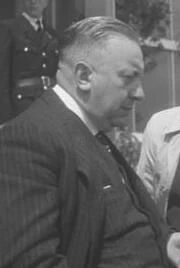
Müller in Rome — the Vatican channel
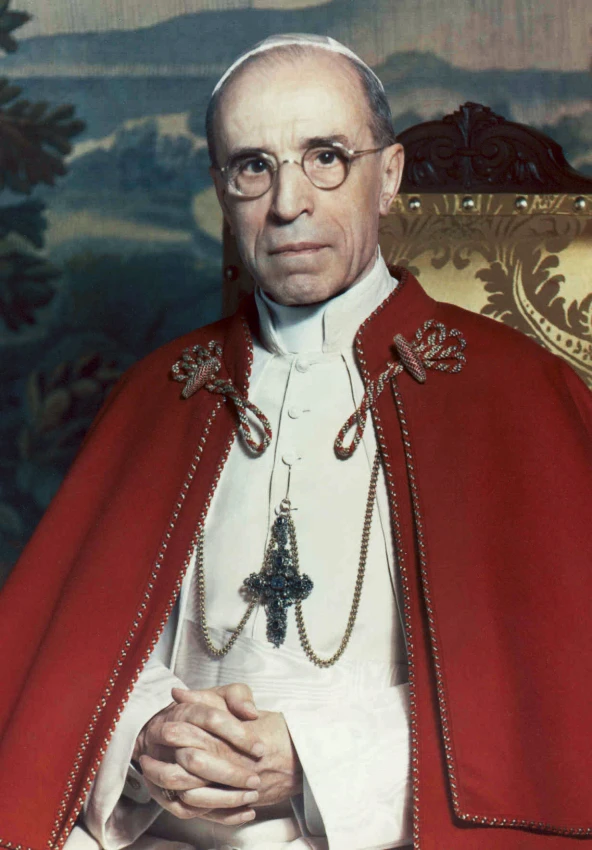
Pius XII — Summi Pontificatus
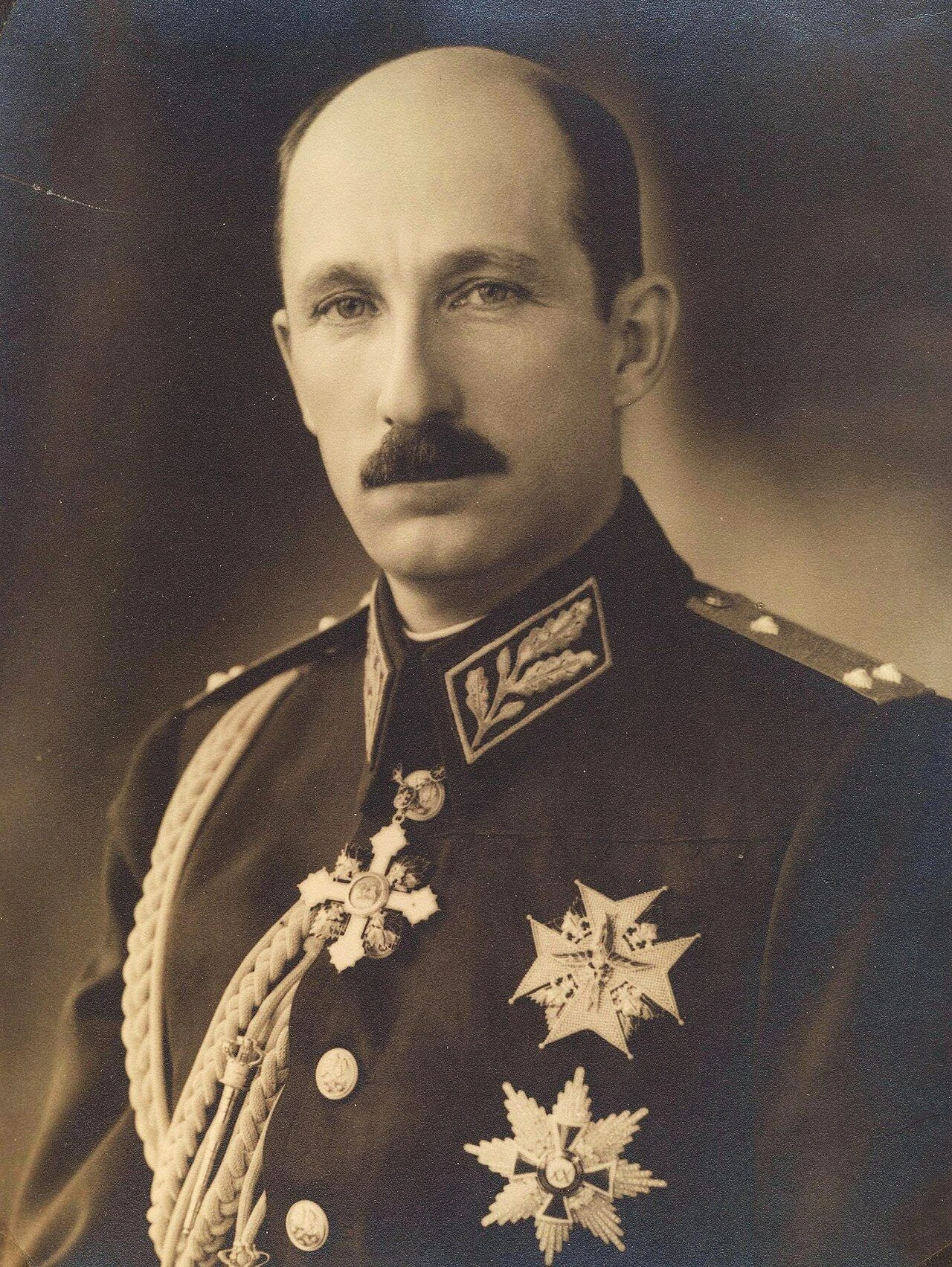
Boris III — the Bulgarian balancing act
Carol II in Bucharest — the Romanian balance
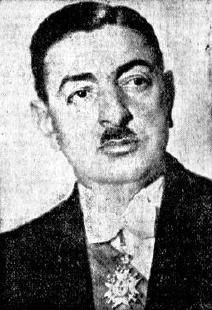
Cvetković under pressure
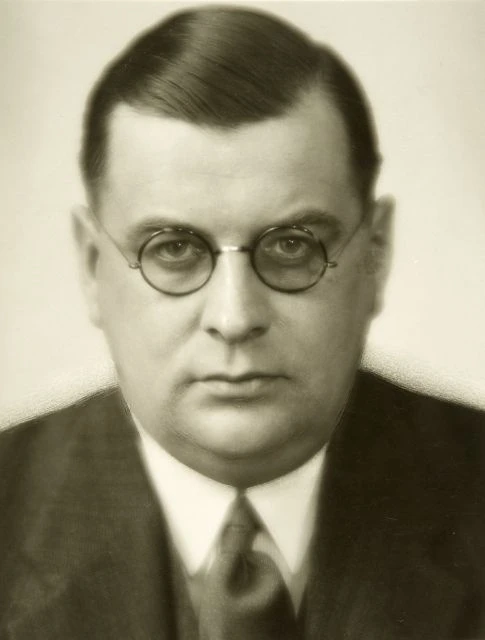
Erkko — the minister of 1 December
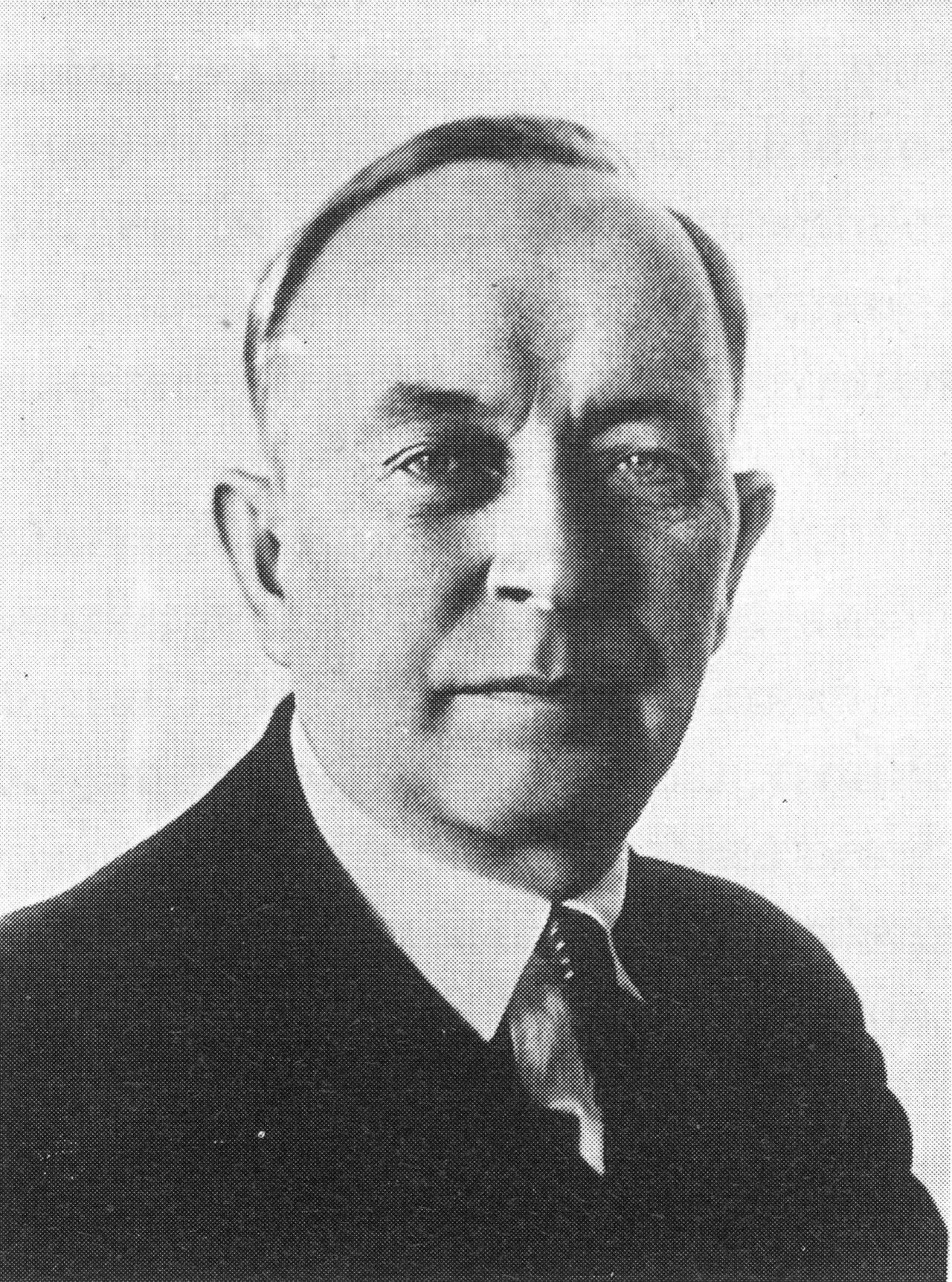
Kuusinen — Terijoki, 1 December
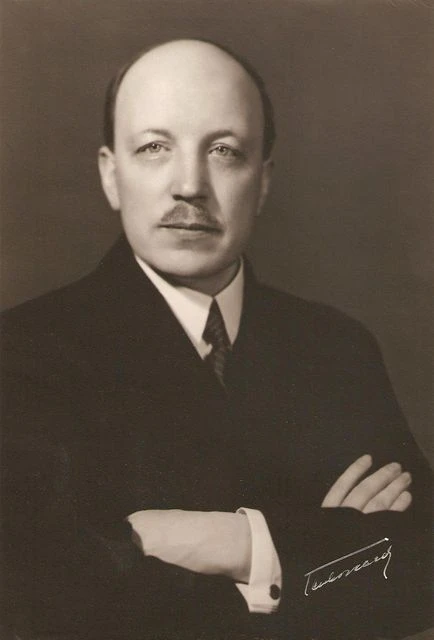
Ryti — Prime Minister on 2 December
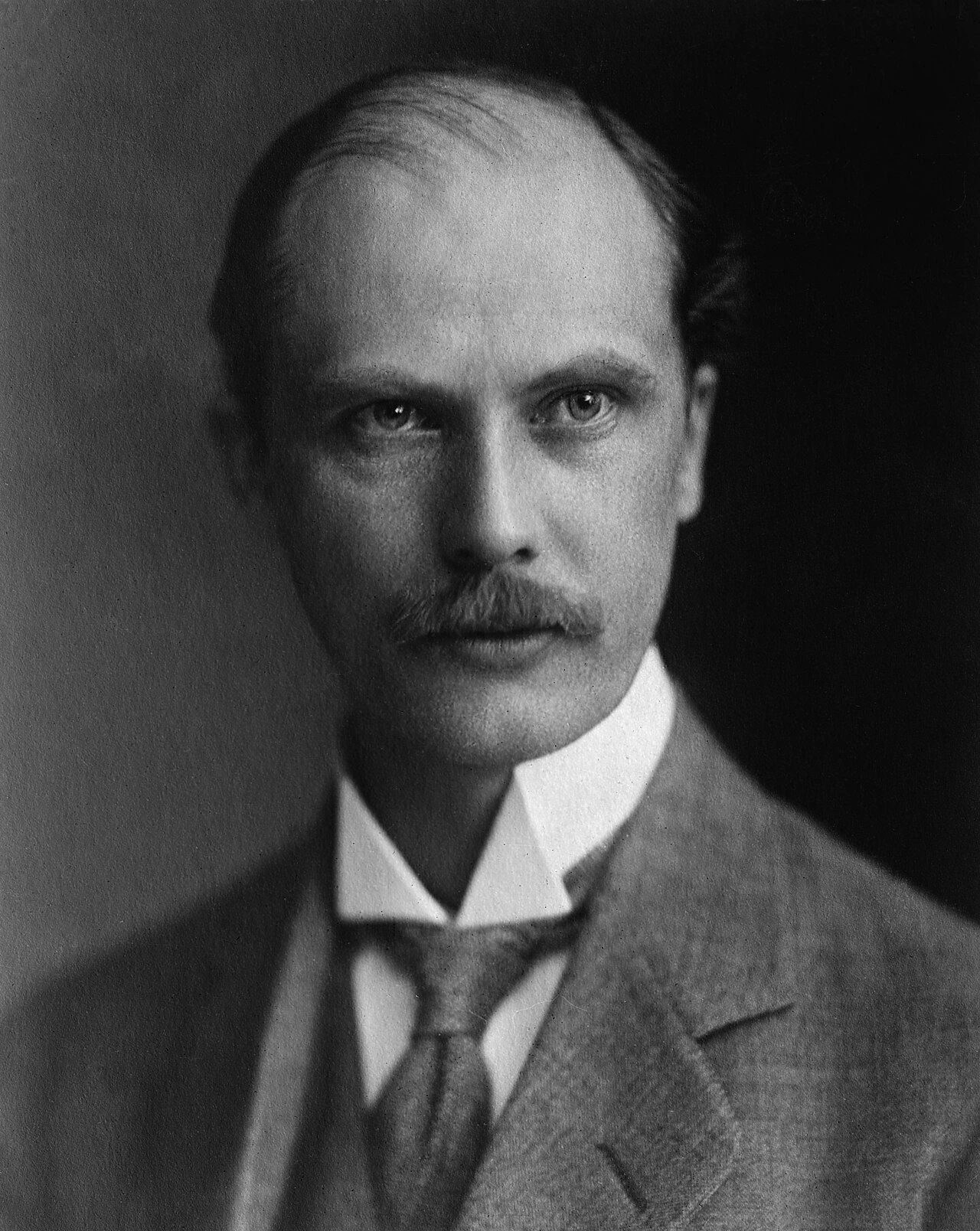
Sandler against the Hansson Council
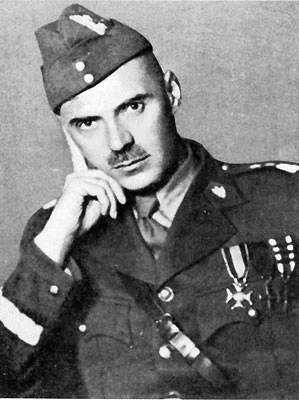
Anders in the Lubyanka
Müller in Rome — the Vatican channel
Pius XII — Summi Pontificatus
Boris III — the Bulgarian balancing act
Carol II in Bucharest — the Romanian balance
Cvetković under pressure
Erkko — the minister of 1 December
Kuusinen — Terijoki, 1 December
Ryti — Prime Minister on 2 December
Sandler against the Hansson Council