
The tank of the future or the tanks of today?
Since 1935, the French army has been pursuing the 20-tonne tank programme, the future Char G1: a modern armoured vehicle fitted with a turret-mounted 47 mm gun, 40 mm of armour and a radio, designed to outclass existing machines. But in December 1939, with war declared, no prototype has been completed: the projects exceed the planned weight and are bogged down in technical difficulties.
The Inspectorate of Tanks must make a decision. The factories are running and every month counts. Should the industrial effort be concentrated on the models already perfected — Renault R35, Hotchkiss H35, Somua S35, Char B1 bis — even at the cost of fielding less ambitious machines? Or should the bet be placed on the medium tank of the future, at the risk of delaying deliveries in the middle of mobilisation?
Behind this choice lies the pace of French armament on the eve of the 1940 campaign.
With war declared, how should the French armoured industry direct its production?
In December 1939, the Inspectorate of Tanks decided to limit wartime production to the types already in existence, reserving the future for only three classes (the accompaniment tank, the battle tank and the fortress tank). The Char G1, intermediate between these categories, was not put into production. France concentrated its industrial capacity on manufacturing the proven models (R35, H35, S35, B1 bis). No prototype of the G1 was ever completed: the programme died with the defeat of June 1940, leaving unfinished one of the most advanced designs of the era.
Learn more about this event
Related polls
10
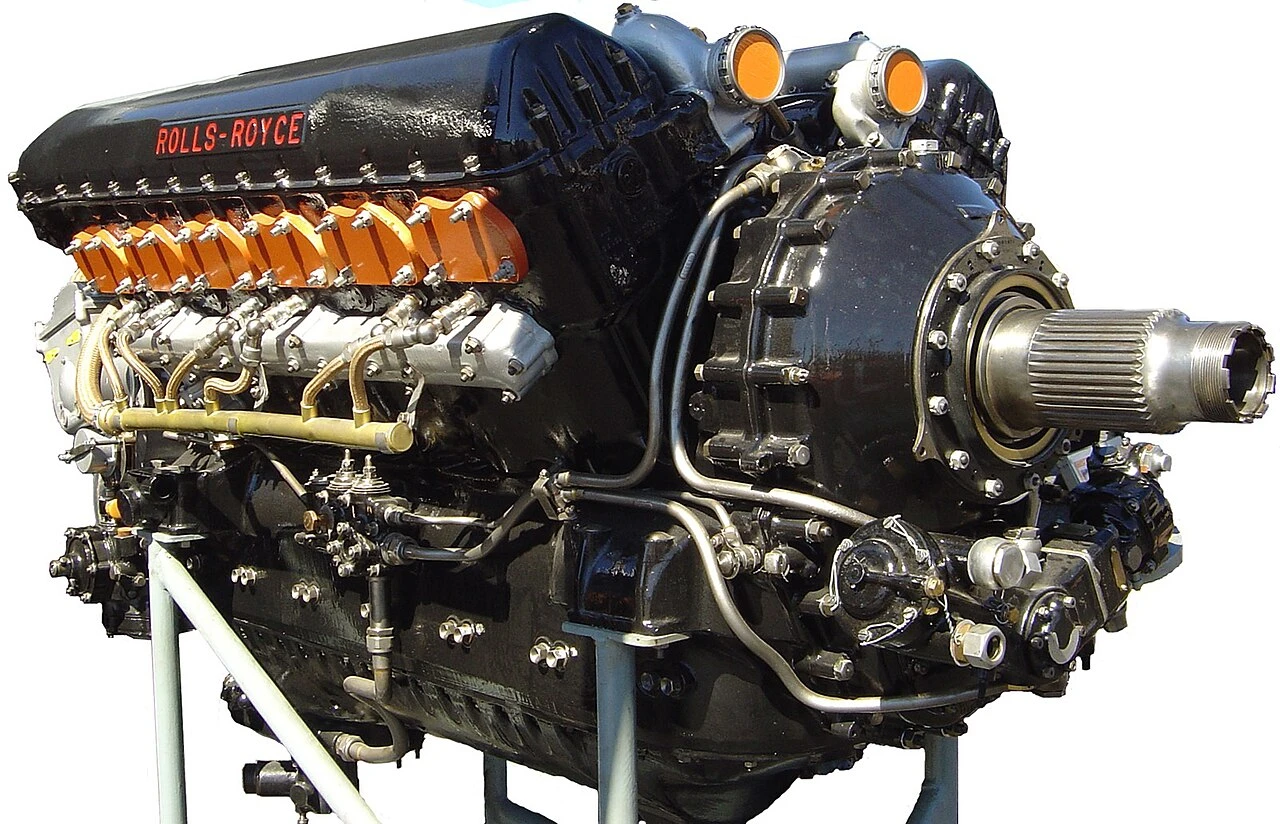
Car assembly lines for an aircraft engine
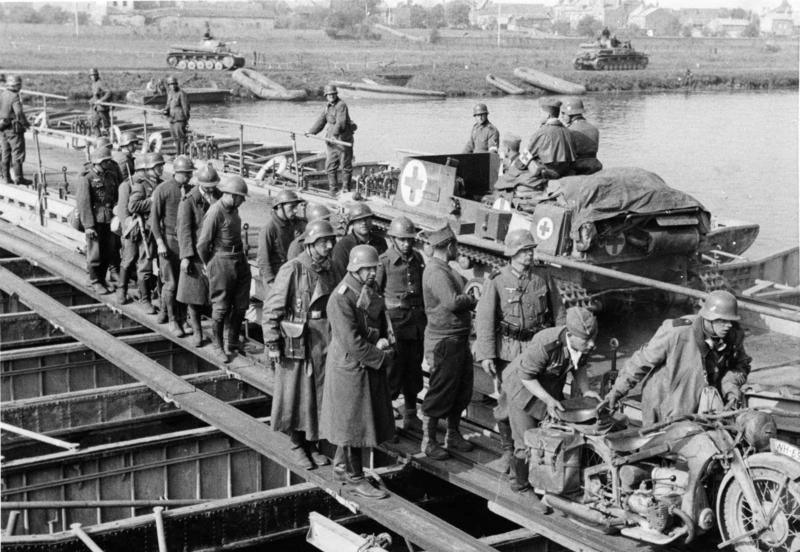
The French engineers at Sedan
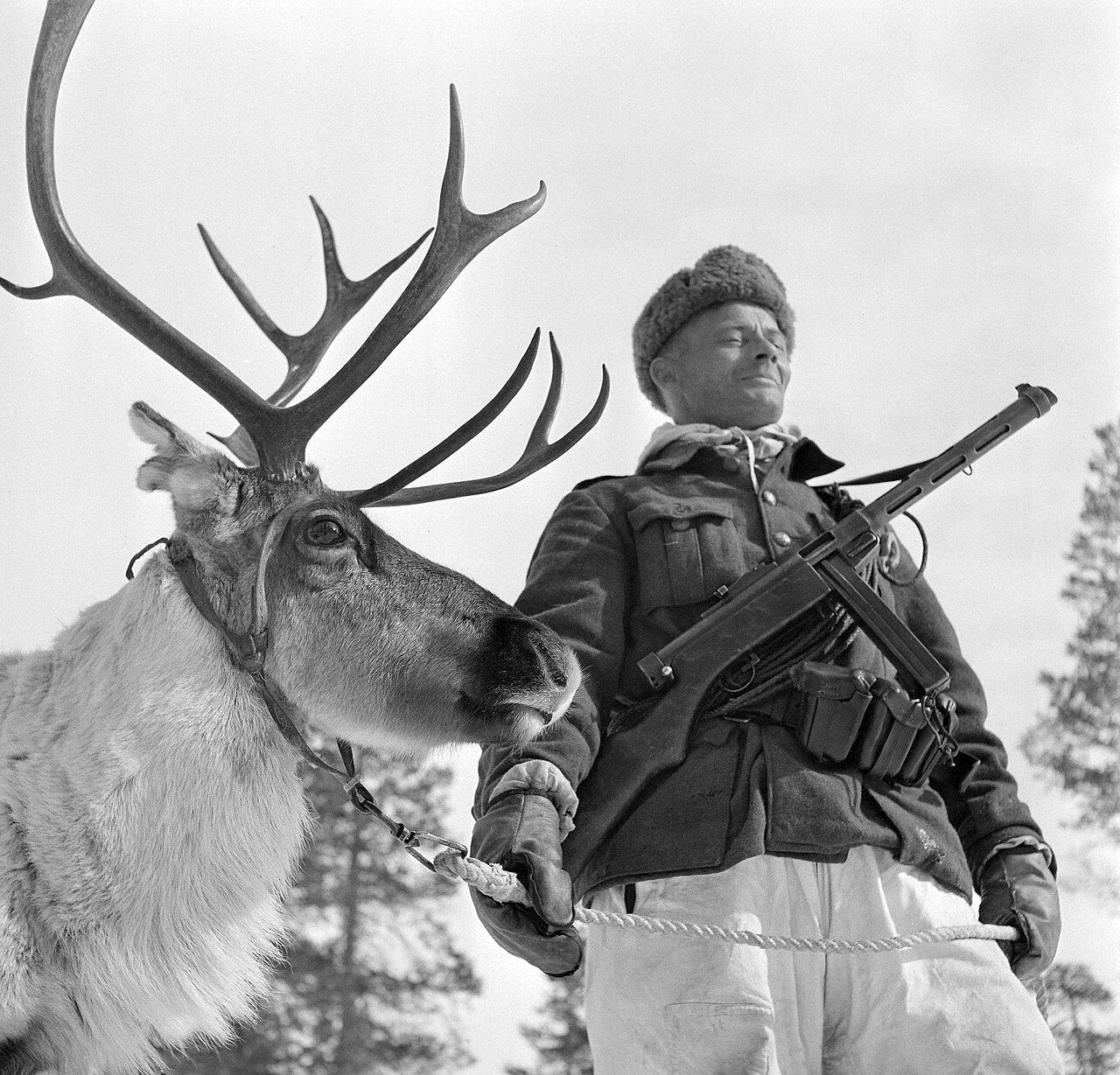
Lahti at Tikkakoski — tripling production
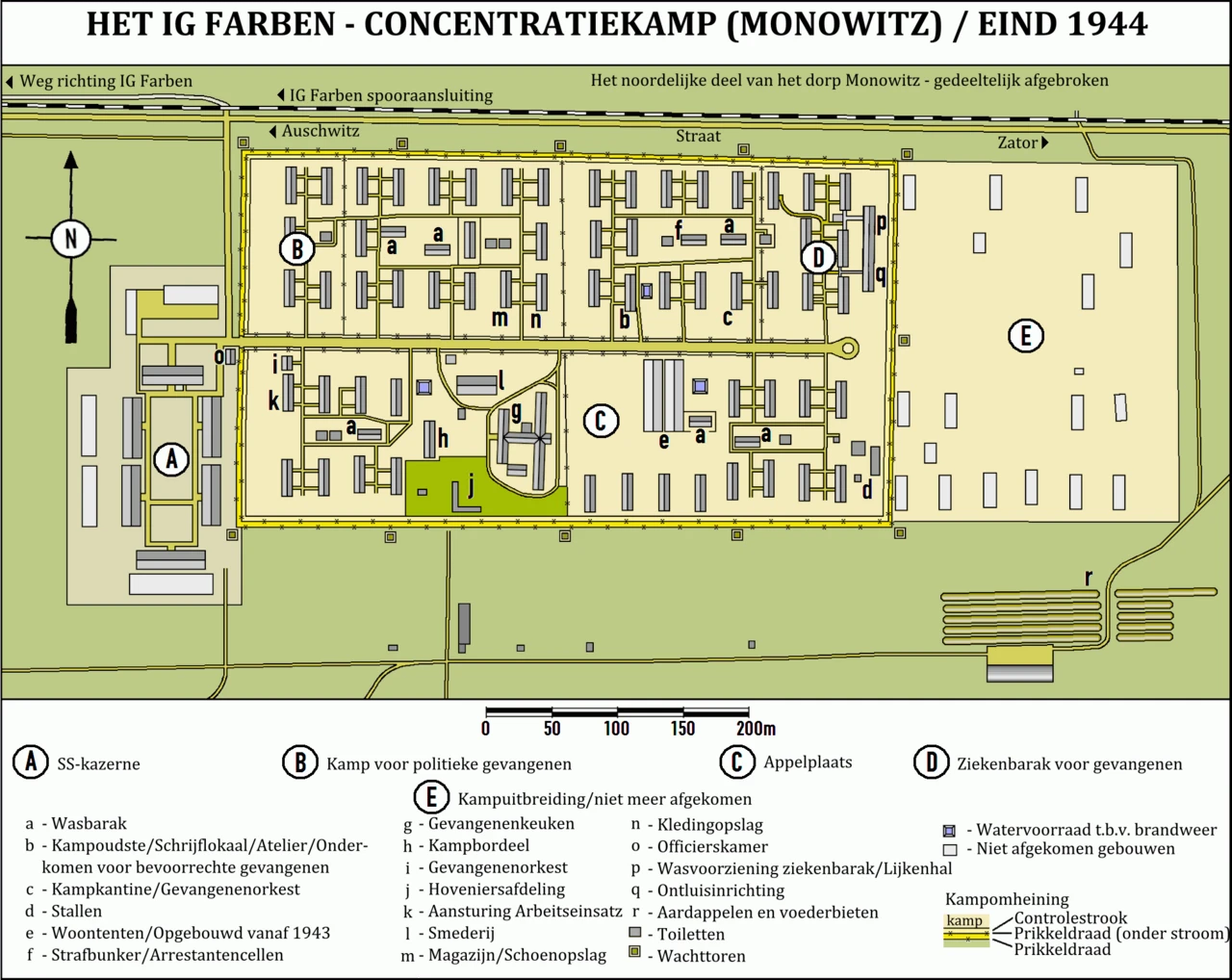
The Monowitz Construction Site
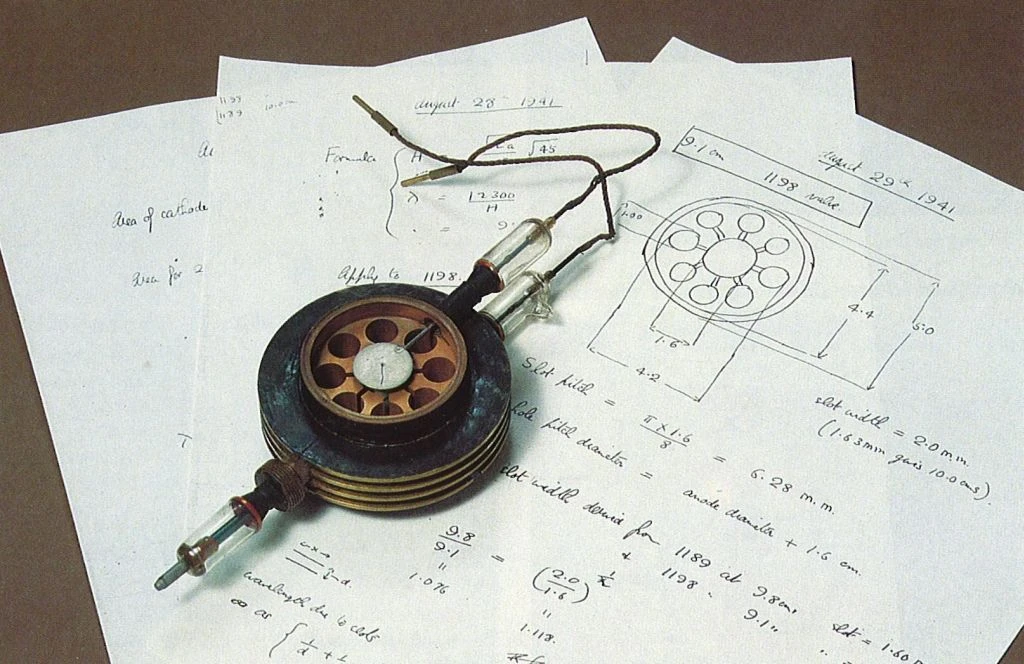
The Tizard Mission's Trunk for America
The wire or the wave: how to command fire
Soviet Sappers at Kharkov

The Fourth Buna — Where to Site the Plant
The Shadow Factories
Ouvry and the magnetic mine
Car assembly lines for an aircraft engine
The French engineers at Sedan
Lahti at Tikkakoski — tripling production
The Monowitz Construction Site
The Tizard Mission's Trunk for America
The wire or the wave: how to command fire
Soviet Sappers at Kharkov
The Fourth Buna — Where to Site the Plant
The Shadow Factories