
With hundreds of thousands of men prisoner, mobilised or missing, it was often women who, in the summer of 1940, had to keep the household, the farm or the business going, and to face the trials of the occupation alone: shortages, provisioning, the education of the children, the search for a captive husband or son.
For you, the weight of responsibility grew abruptly heavier. To take charge of the household and the work in place of the absent man — to run the farm, the shop, the workshop, to manage the money and the formalities — taking on a new role. To rely on the extended family and the solidarity of the neighbourhood to share the burden. Or, for some, to commit to acts of resistance (aid to escapees, intelligence, the clandestine press), where women would play an essential role.
The occupation overturned roles: women discovered a new autonomy and new skills, in adversity. This mobilisation of women, long underestimated in the narrative of the war, is one of the major realities of civilian life in 1940 and the years that followed.
Should our woman take on the household and the work alone, rely on family solidarity, or commit to the resistance?
Women combined above all A and B: in the absence of millions of men (prisoners, mobilised), they massively took on the running of households, farms, businesses and formalities, discovering a new autonomy in the ordeal. Many relied on family and village solidarity to overcome shortages and difficulties. A growing share would commit to the resistance (C), where women would play a decisive role (escape networks such as the Comet line led by , liaison agents, the clandestine press, the provision of shelter). The mobilisation of women, in the domestic sphere as in the underground, is one of the essential — and long underrated — dimensions of the experience of the occupation from 1940 onwards.
Learn more about this event
Related polls
10
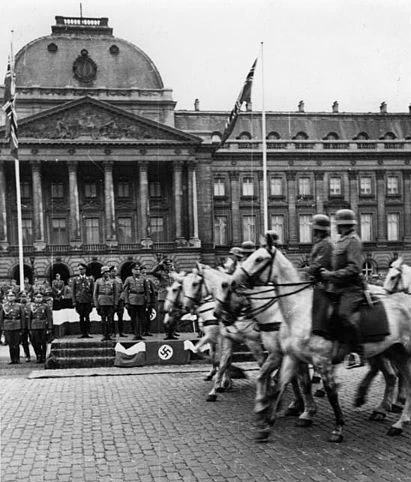
Going back to work under the occupier

The burgomaster faced with requisitions

The Red Cross and the Missing
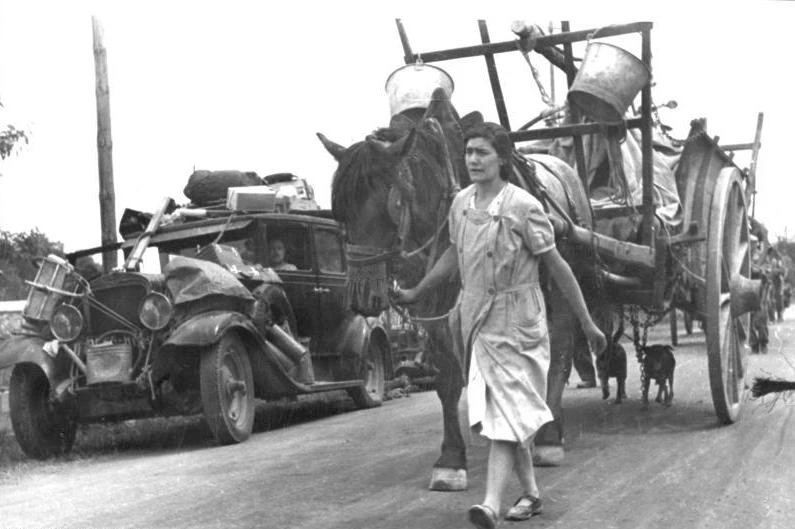
The exodus — flee or stay
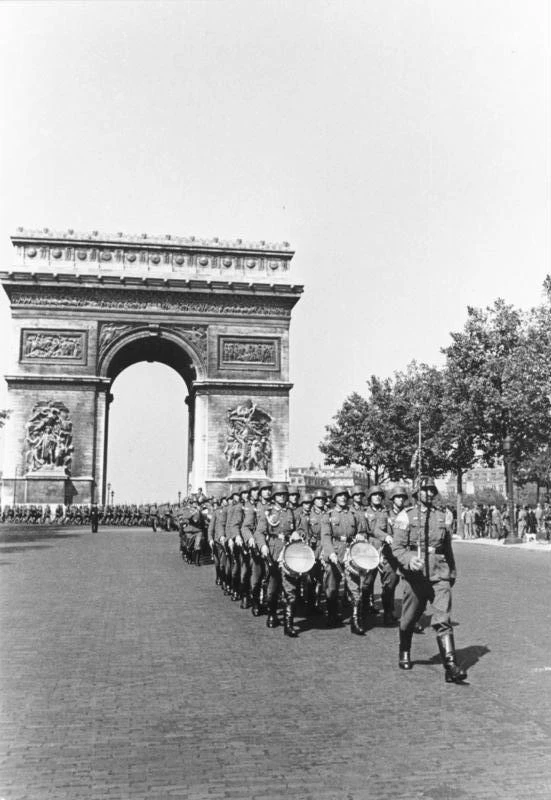
The Press under German Control
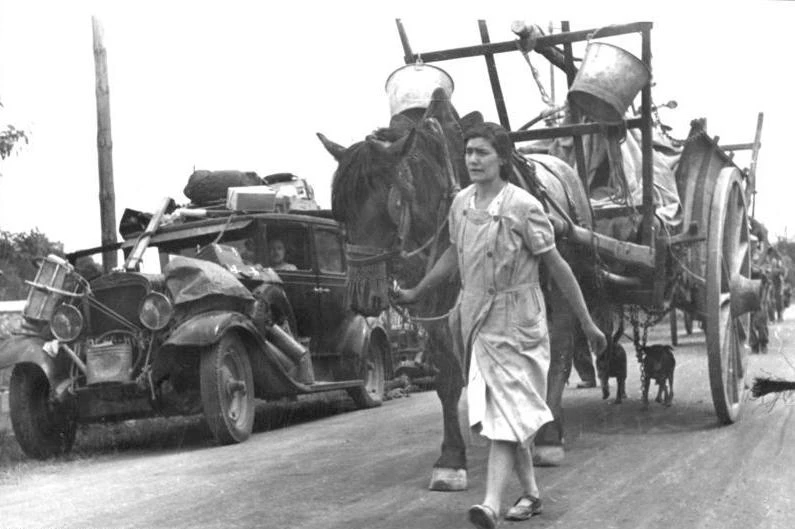
The Repatriation of the Refugees
Provisioning and the Black Market
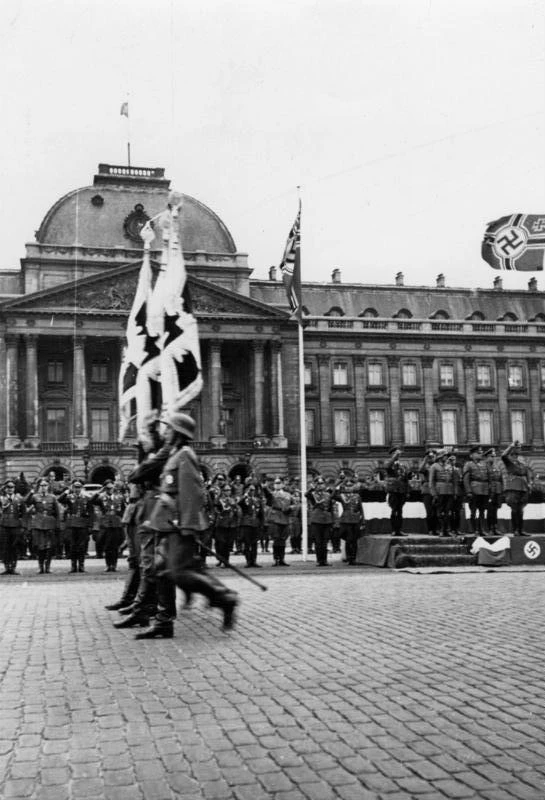
Rebuild or Wait
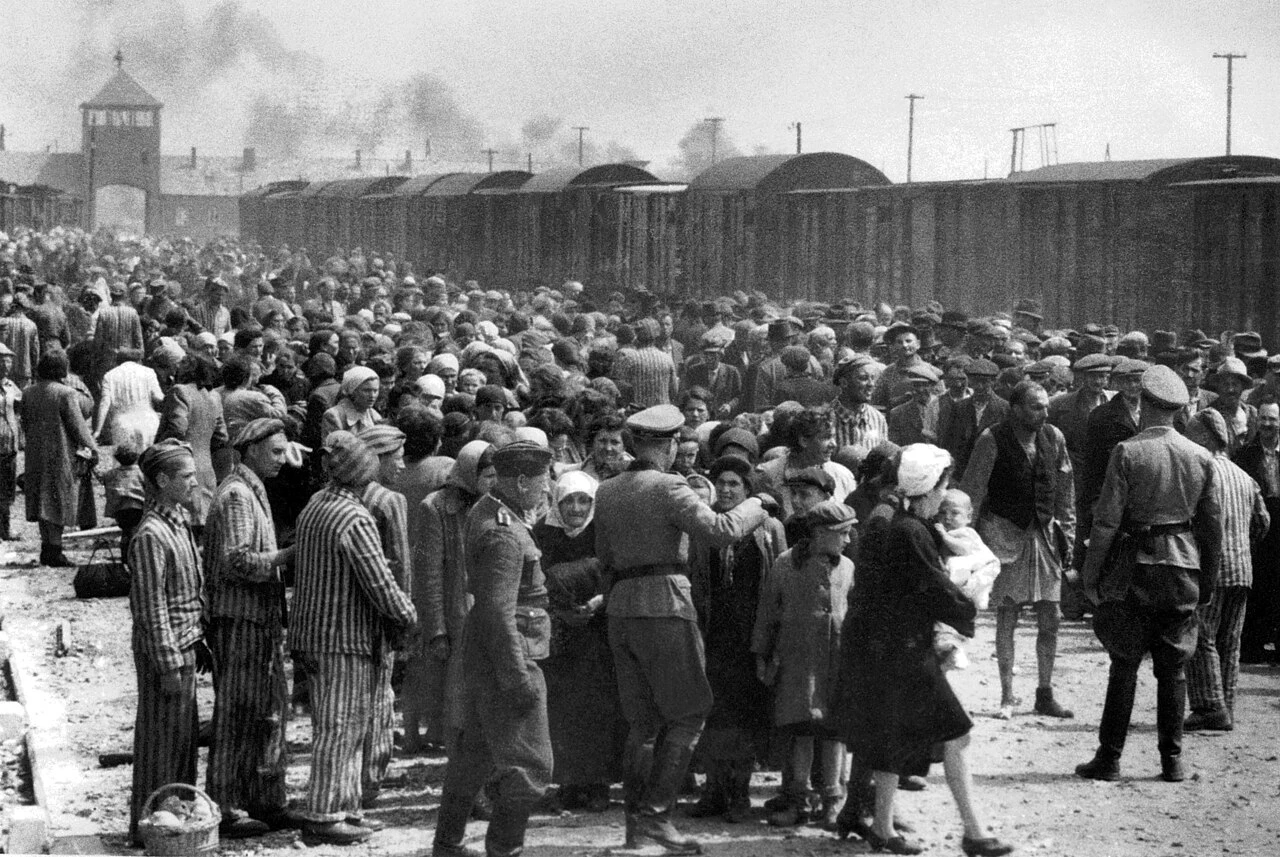
Jewish refugees — to stay or flee again
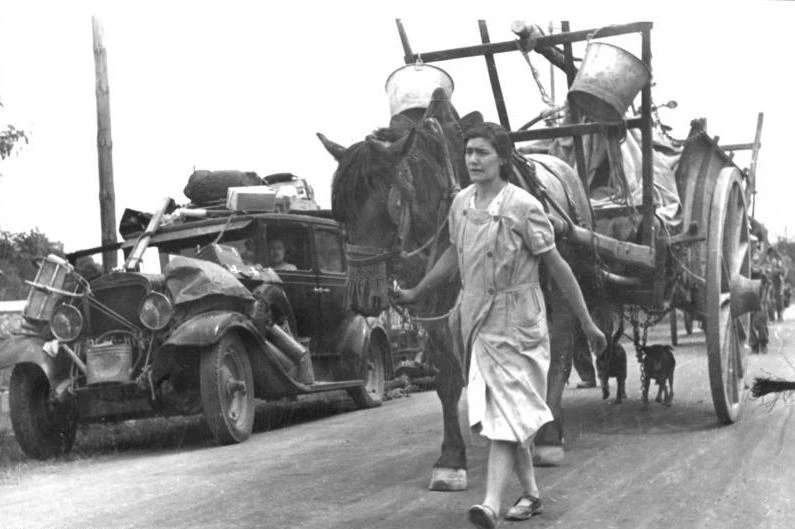
The return from the exodus
Going back to work under the occupier
The burgomaster faced with requisitions
The Red Cross and the Missing
The exodus — flee or stay
The Press under German Control
The Repatriation of the Refugees
Provisioning and the Black Market
Rebuild or Wait
Jewish refugees — to stay or flee again