
The Mud, the Winter and the Road to Moscow
After Kiev, the Wehrmacht turns toward Moscow: this is Operation Typhoon. Guderian's Panzer Group sets off as early as 30 September — two days before the general assault of 2 October — from the Glukhov region toward Oryol and Bryansk. Von Bock's aims to encircle the Soviet fronts before the capital.
The true adversary is the calendar. The rasputitsa, the autumn mud, will soon mire the tracks, and then the frost will come; the tanks are worn, fuel is scarce. Push at full strength now to close the pockets and reach Moscow before winter, or halt to rebuild the units and shorten the lines?
Guderian, an apostle of mobile warfare, knows that every day lost benefits the Soviet defence.
Should Guderian launch the armoured rush toward Oryol and Bryansk at once, wait for the main offensive, or halt to spare his tanks before the mud?
Guderian attacked as early as 30 September. Typhoon began in triumph: the Vyazma and Bryansk pockets yielded some 673,000 prisoners, and Oryol fell on 3 October. But the mud, then the cold of December, brought the Wehrmacht to a halt at the gates of Moscow; Guderian's tanks reached the approaches to Tula without being able to take it. The race won against the calendar was lost in the rasputitsa and the snow.
Learn more about this event
Related polls
10
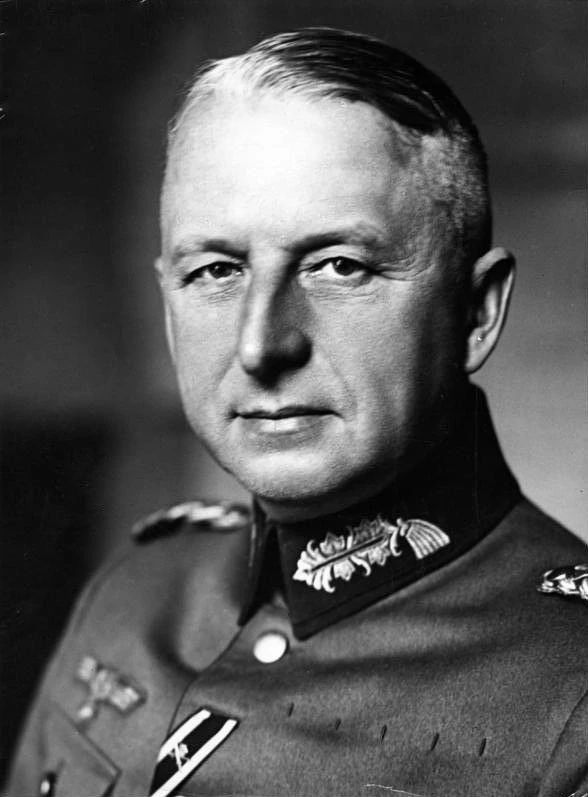
Perekop: the Iron Gate of Crimea
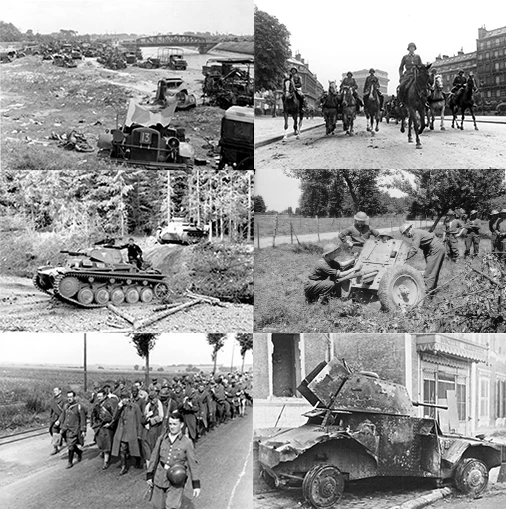
Fall Gelb — the order of 9 May 20:00
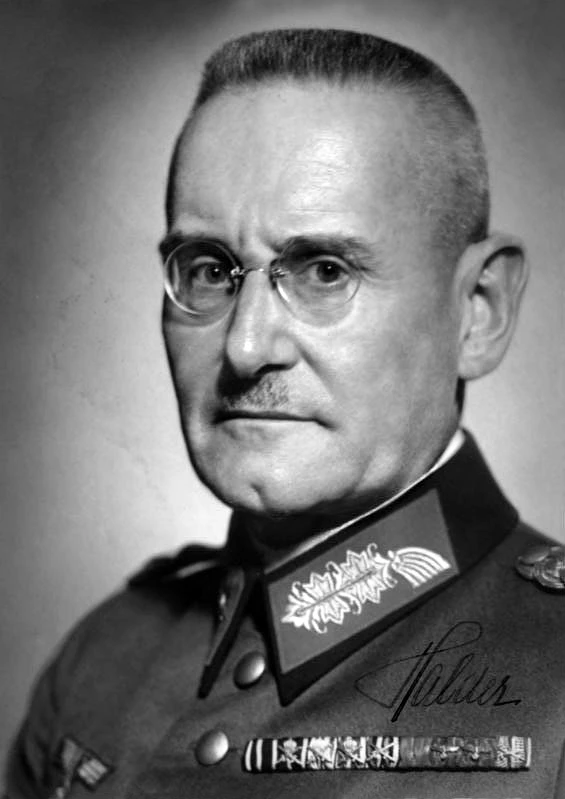
Which heart to strike in the East?
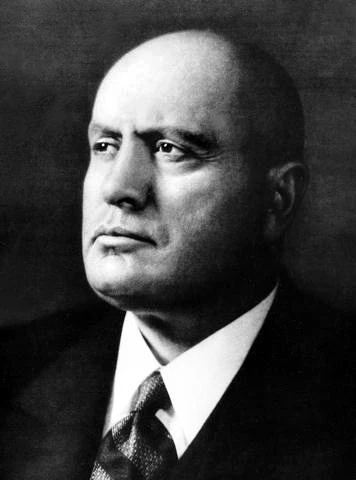
Mussolini wants his victory in Albania
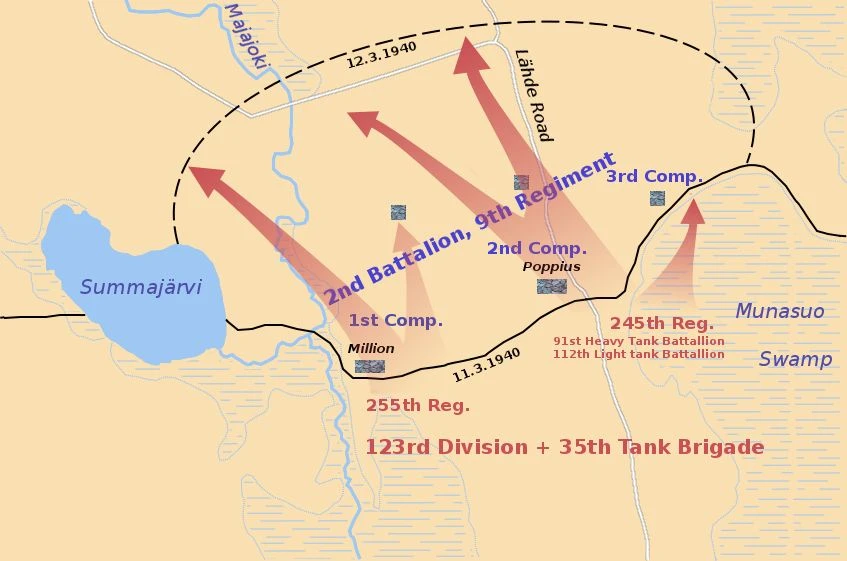
Lähde — Yakovlev against the Mannerheim bolt
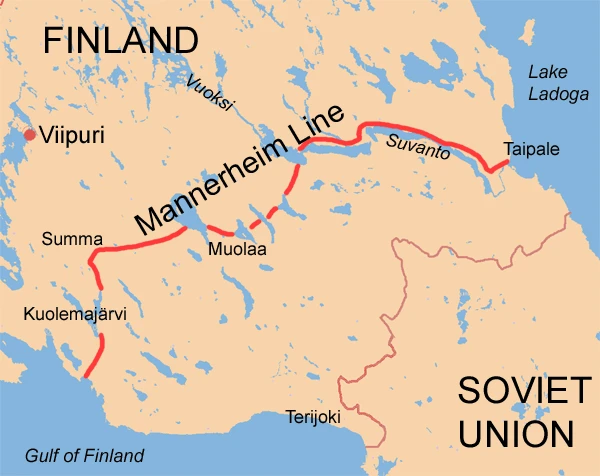
Timoshenko at Summa — 11 February
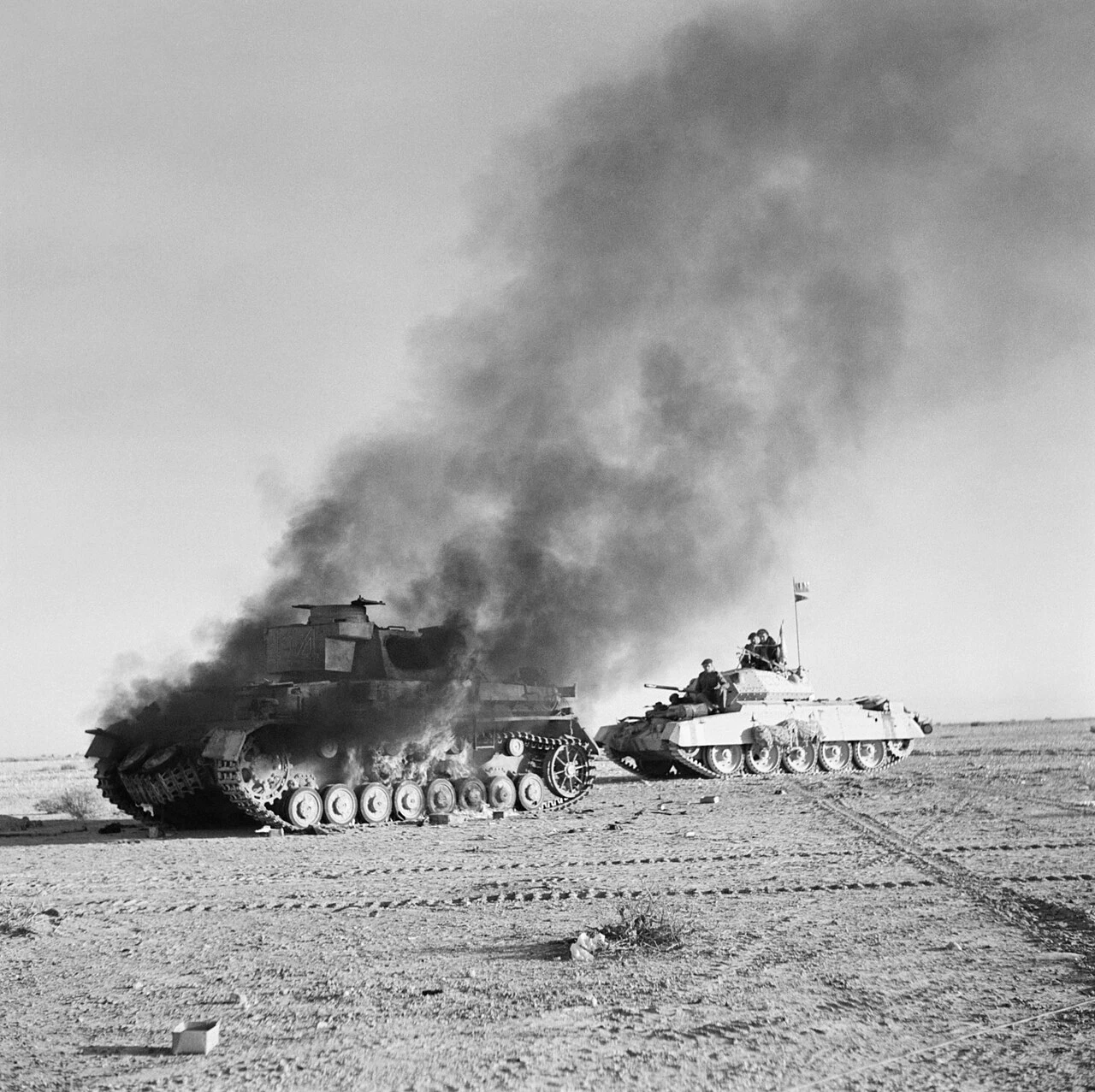
Crusader: The Generals' Doubt
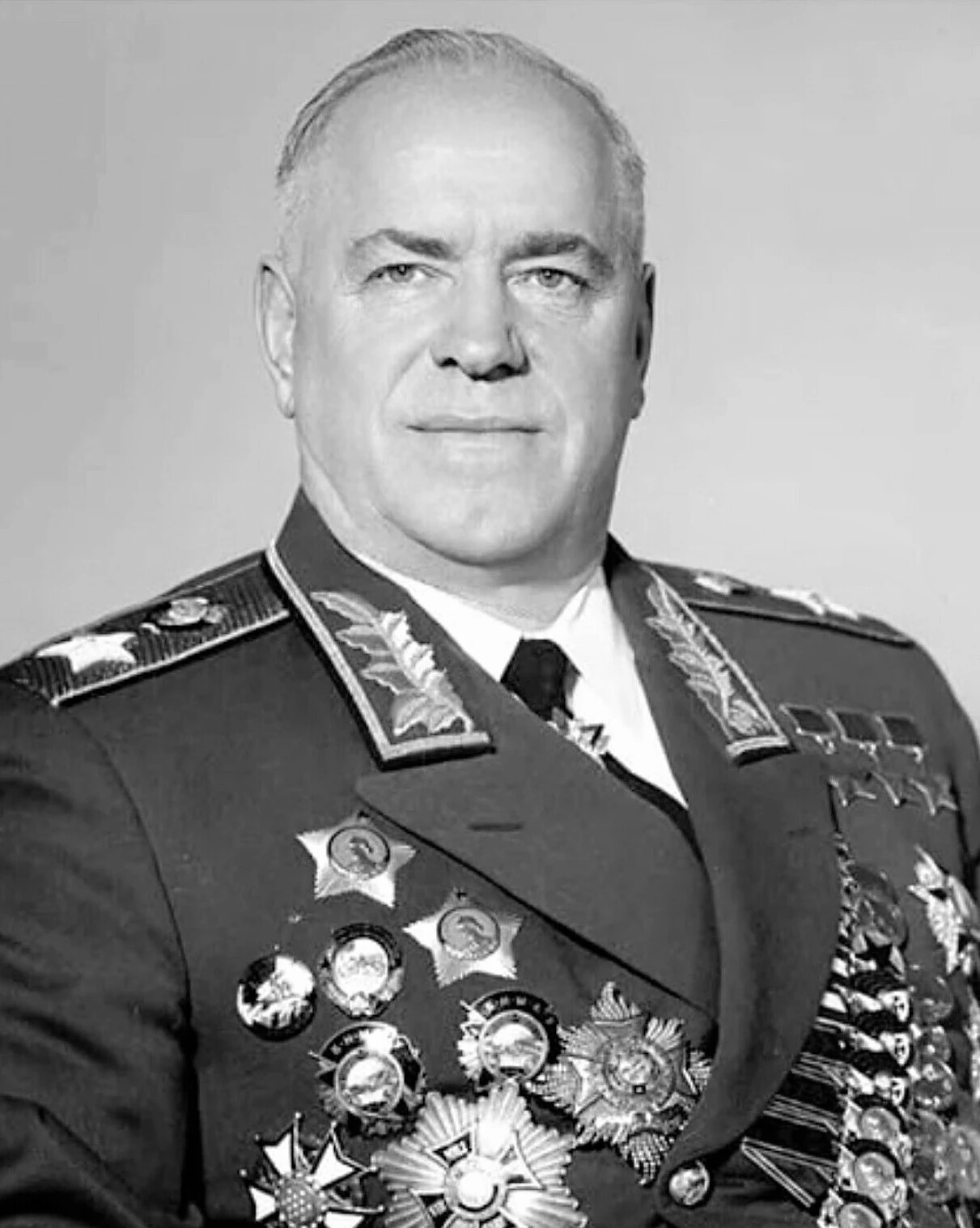
Zhukov Facing the Void Before Moscow
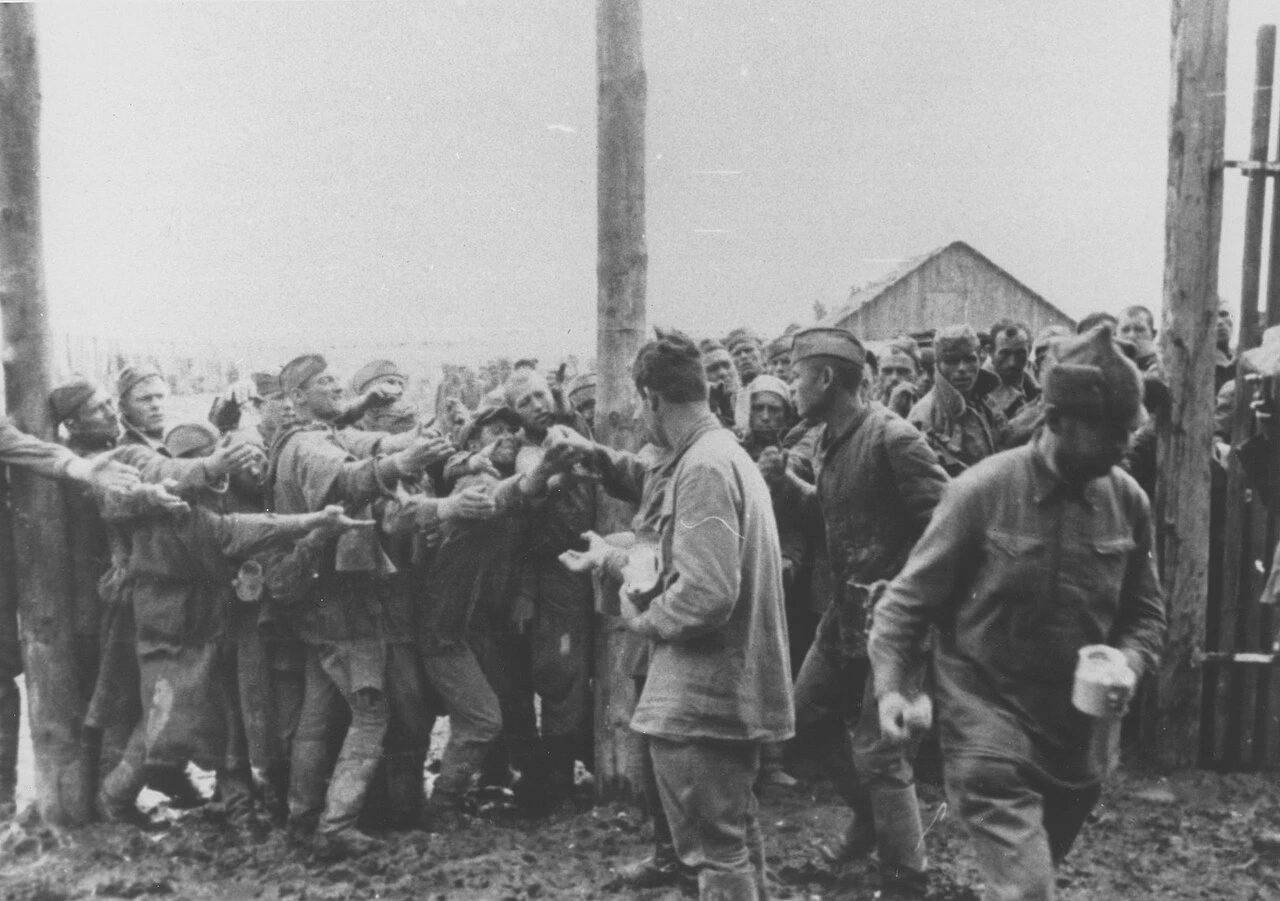
The Commissar Order
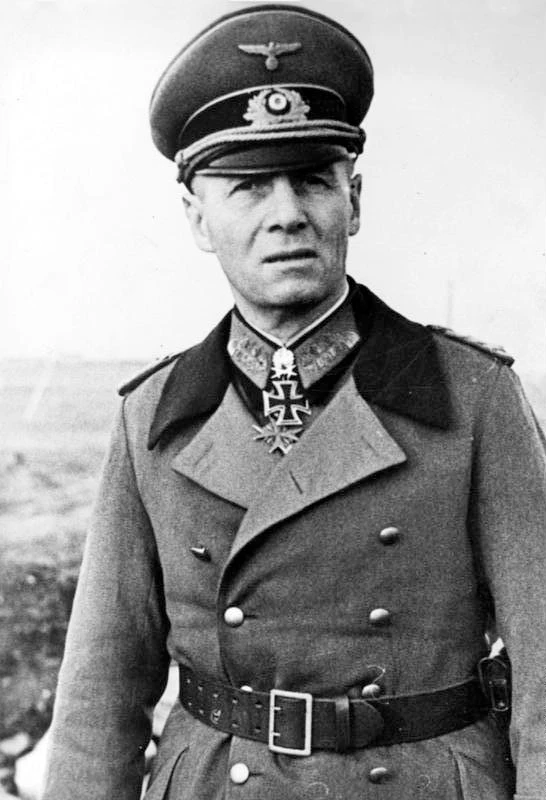
The dash to the wire: Rommel's gamble on the frontier
Perekop: the Iron Gate of Crimea
Fall Gelb — the order of 9 May 20:00
Which heart to strike in the East?
Mussolini wants his victory in Albania
Lähde — Yakovlev against the Mannerheim bolt
Timoshenko at Summa — 11 February
Crusader: The Generals' Doubt
Zhukov Facing the Void Before Moscow
The Commissar Order