
A few weeks before Barbarossa, the German high command prepared, at Hitler's instigation, a series of « criminal orders » intended to make the war in the East a war of annihilation. Among them, the Kommissarbefehl — the « Commissar Order » — of 6 June 1941, applied from the 22nd.
The text targets the political commissars (politruks) of the , those officers responsible for the ideological supervision of the troops. Nazi ideology presents them as the embodiments of « Judeo-Bolshevism » and the « true ringleaders » of Soviet resistance. The order prescribes that they be, contrary to every rule of the laws of war, excluded from prisoner status and shot immediately after capture.
For the officers of the Wehrmacht, the order poses a matter of conscience that the institution claims to settle in advance: execute this manifestly illegal order without reservation in the name of obedience and ideology; circumvent it discreetly out of moral or military refusal; or transmit it while turning a blind eye to its application. The conduct of millions of soldiers in the face of this order is at stake.
How should the Wehrmacht treat the order to execute captured Soviet commissars?
In the vast majority of cases, it is A or C that prevails: during the first months of Barbarossa, thousands of captured commissars are shot in application of the order, with the direct participation of Wehrmacht units and not of the SS alone. A few officers circumvent it, but open refusals remain rare. The order is so manifestly contrary to the law that it ends by being officially suspended in May 1942 — not out of scruple, but because it drives the commissars and Soviet soldiers to fight to the end rather than surrender. The Kommissarbefehl, like the Barbarossa Decree, establishes the institutional complicity of the German army in the crimes of the East and dismantles, after the war, the legend of a « clean Wehrmacht ».
Learn more about this event
Related polls
10

The Barbarossa decree — the 'licence to kill'
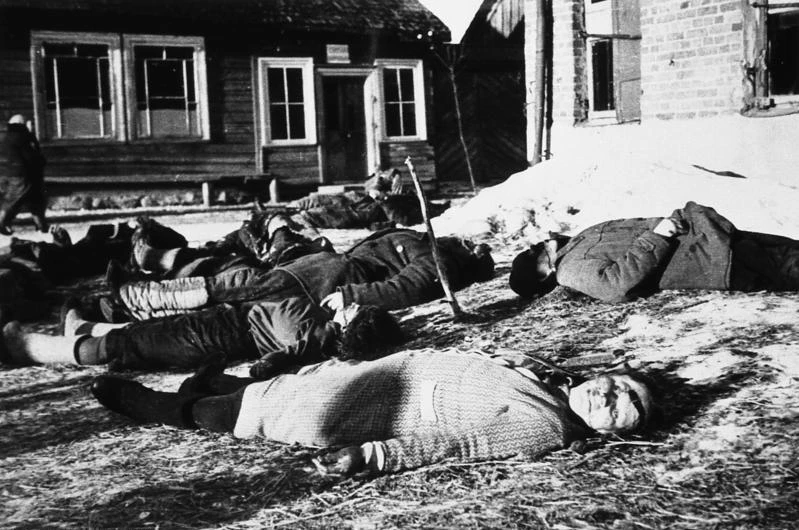
Generalplan Ost — the Hunger Plan
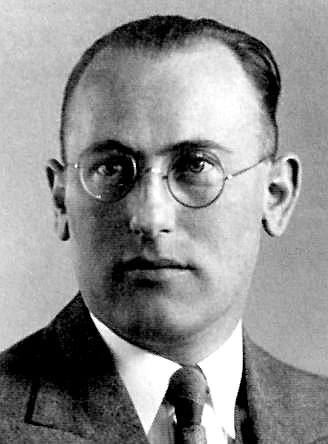
Kaunas — the first pogroms
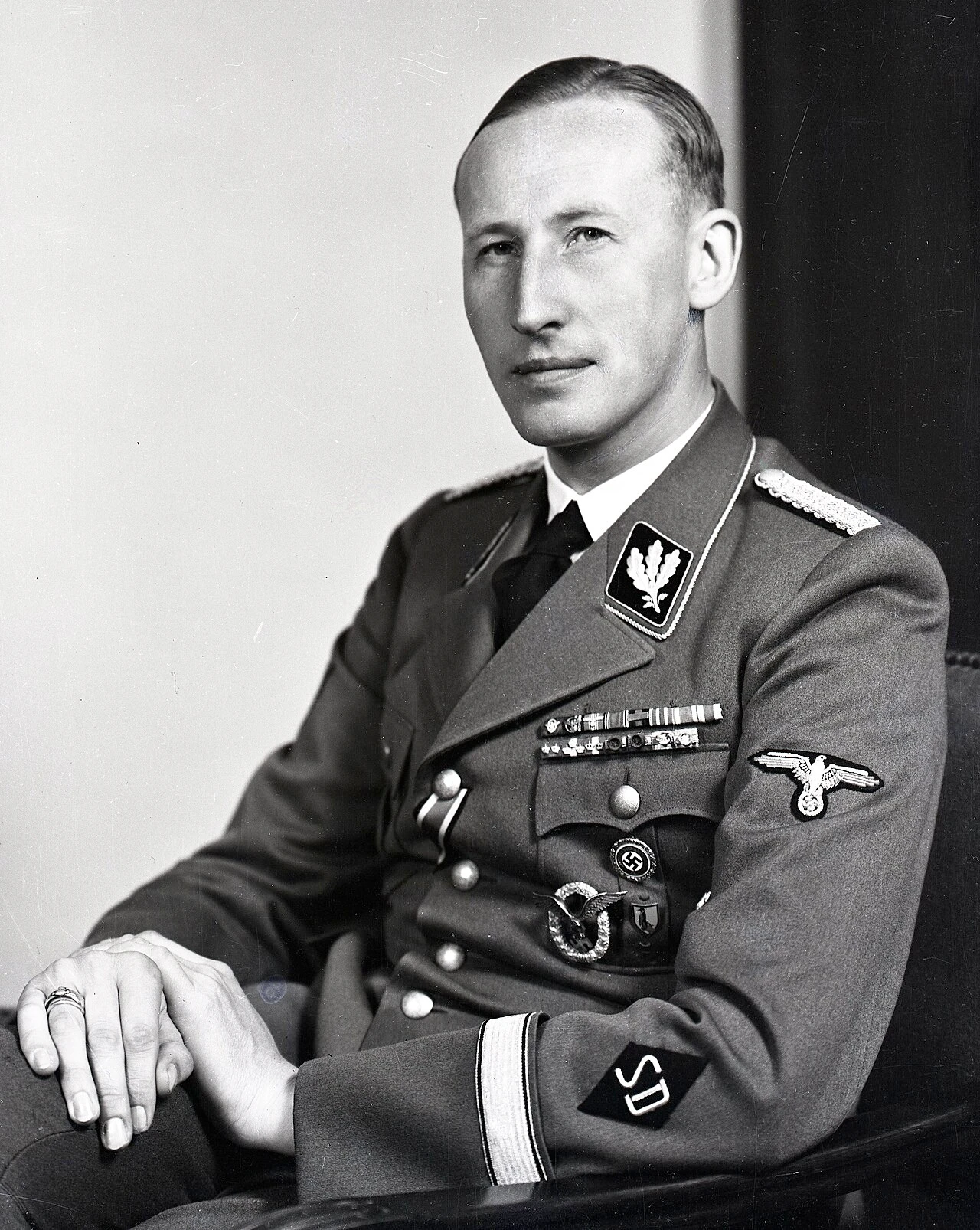
Heydrich's mandate

Gleiwitz — Naujocks at the Transmitter
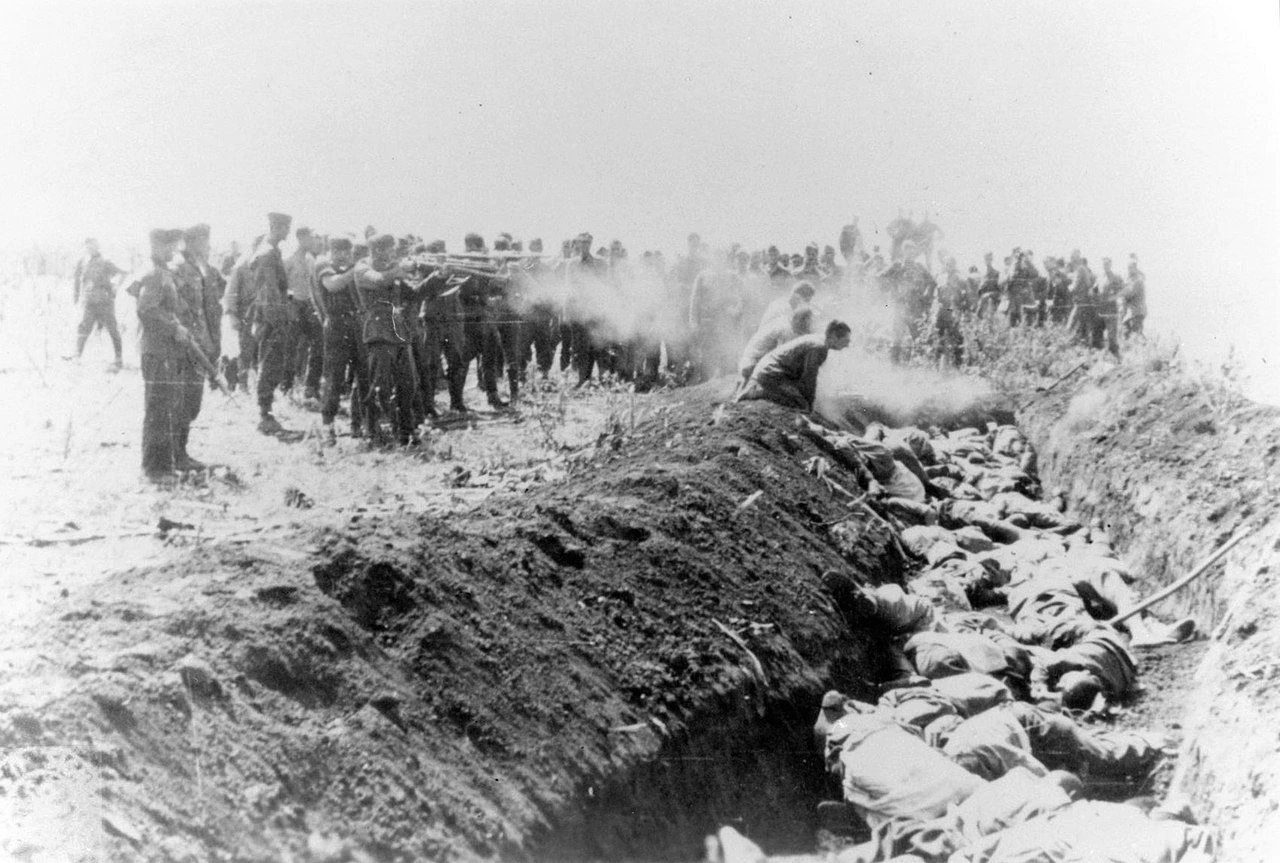
Heydrich — the Conference of 21 September
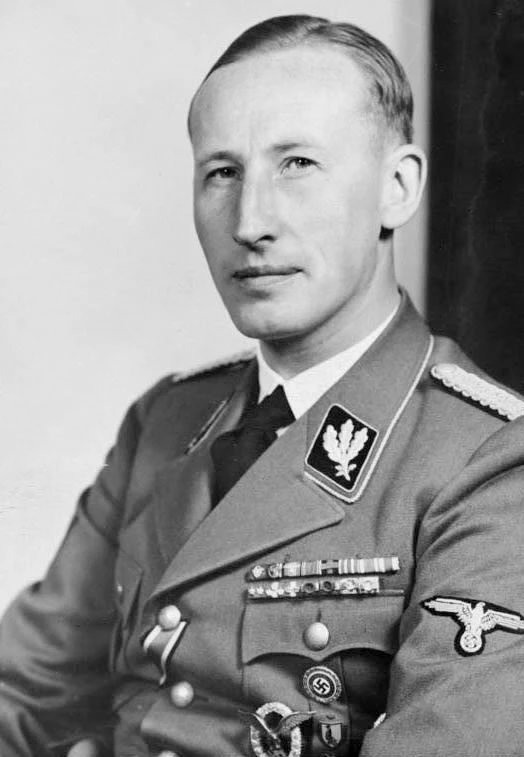
The Reich Central Office for Jewish Emigration
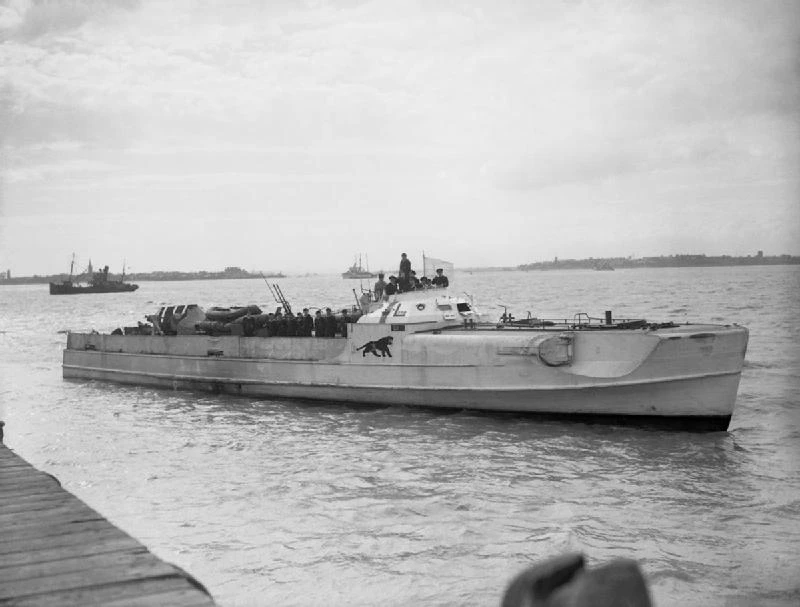
The torpedo boat and the lit Meknes
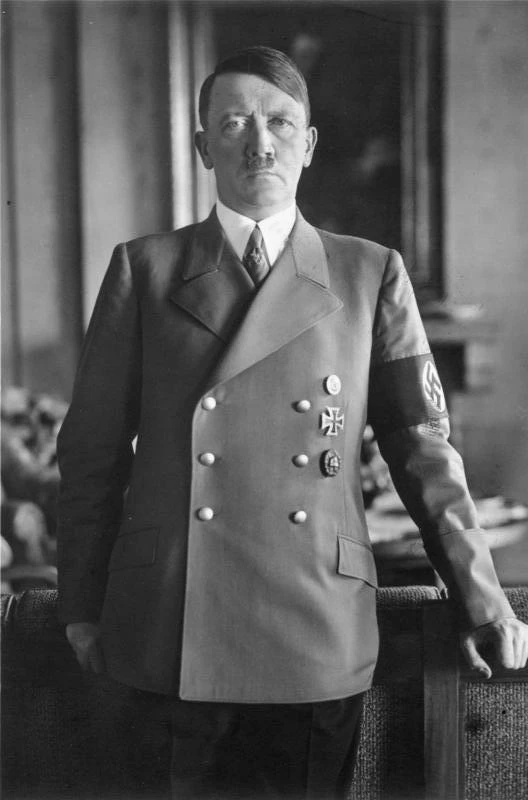
The Obersalzberg Speech
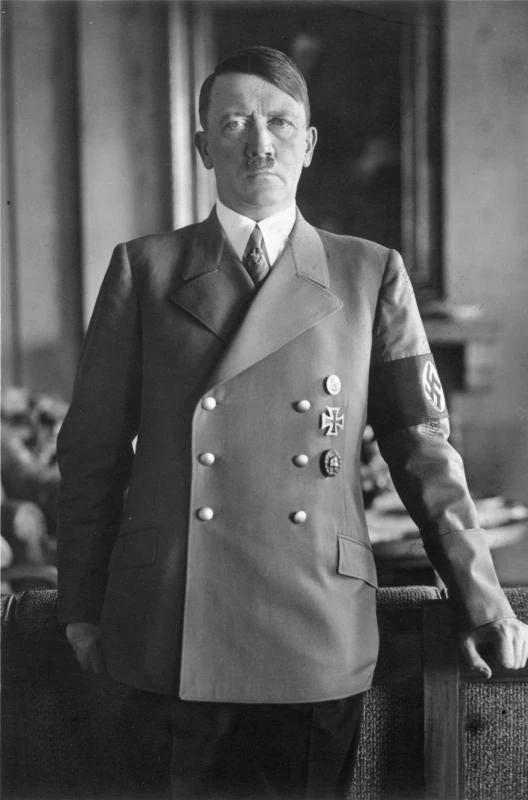
The Prophecy Speech
The Barbarossa decree — the 'licence to kill'
Generalplan Ost — the Hunger Plan
Kaunas — the first pogroms
Heydrich's mandate
Gleiwitz — Naujocks at the Transmitter
Heydrich — the Conference of 21 September
The Reich Central Office for Jewish Emigration
The torpedo boat and the lit Meknes
The Obersalzberg Speech