
The Pact of Steel of May committed Italy to entering the war alongside Germany unconditionally. But when, in late August 1939, Hitler informs Mussolini of his intention to attack Poland shortly, the Duce grasps the trap: Italy, which he knows to be incapable of sustaining a great conflict, is going to be called upon to honour its signature.
Mussolini is torn. Pride and ideology push him to remain faithful to the German ally and not to lose face. Reality — a shortage of raw materials, a poorly equipped army, an unwarlike public — commands prudence. His son-in-law Ciano, hostile to the war, argues for breaking free.
Three paths lie open to him. Honour the Pact of Steel and enter the war alongside Germany, in defiance of Italian unpreparedness? Back away by invoking that unpreparedness, at the risk of humiliating the regime and antagonising Hitler? Or set conditions so heavy that they would amount to a disguised refusal? Rome's answer will weigh on Berlin's calculation on the eve of the attack.
Should Mussolini honour the Pact of Steel and enter the war, or back away by invoking Italian unpreparedness?
Mussolini chooses C, which amounts to B: on 25 August, he lets Hitler know that Italy can enter the war only if Germany delivers astronomical quantities of raw materials and equipment — a deliberately exorbitant list, impossible to satisfy. It is a barely veiled refusal. Italy will declare itself « non-belligerent » at the start of the conflict, entering the war only in June 1940, when German victory will appear assured. The Italian backing away, added to the British firmness of the same day, contributes to the brief postponement of the German attack — without changing its outcome. Ciano, hostile to the conflict, sees in this evasion a welcome reprieve for a country he knows to be unprepared.
Learn more about this event
Related polls
10
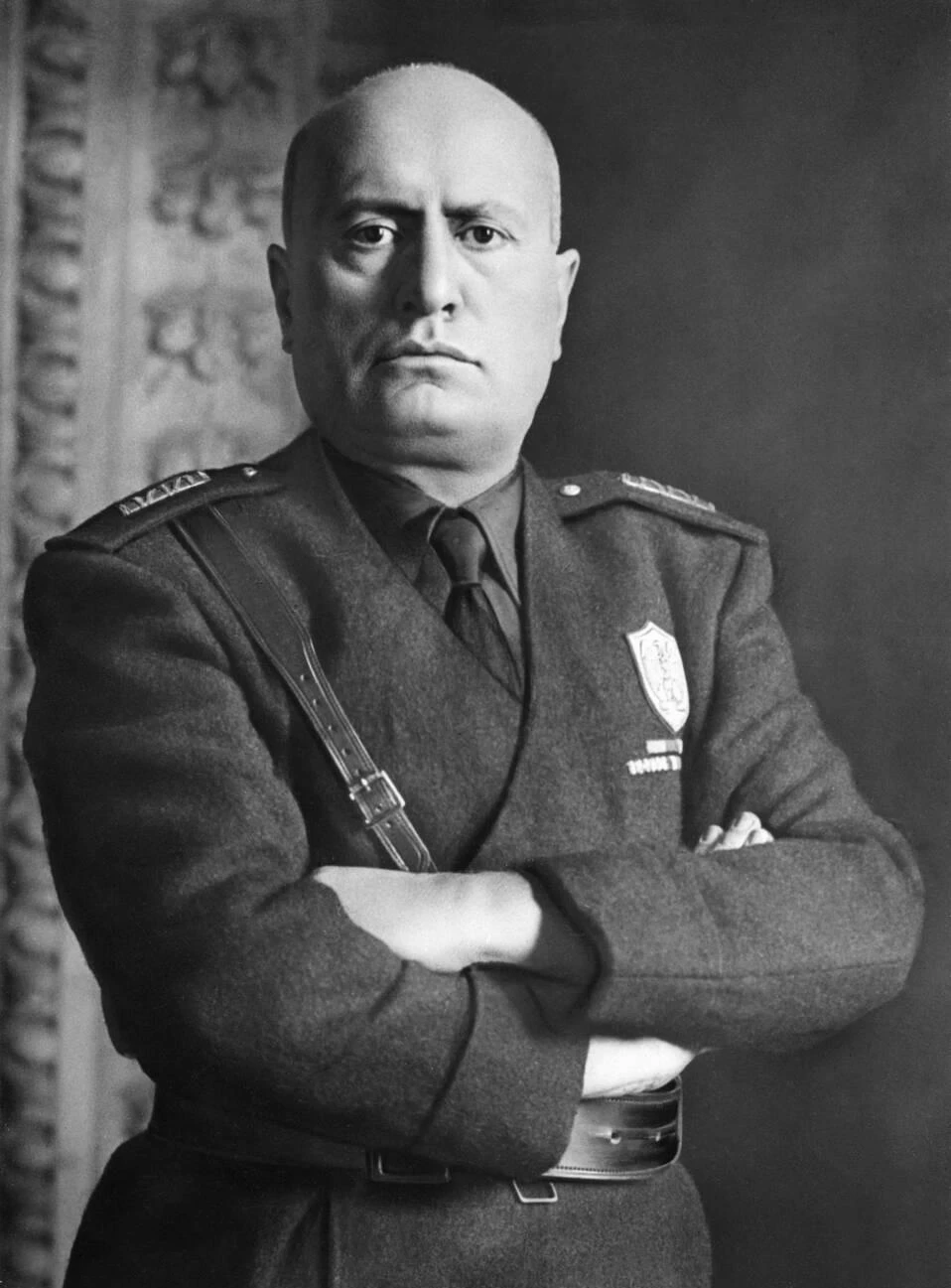
Mussolini — Palazzo Venezia, 1 September
The Anglo-Polish Alliance
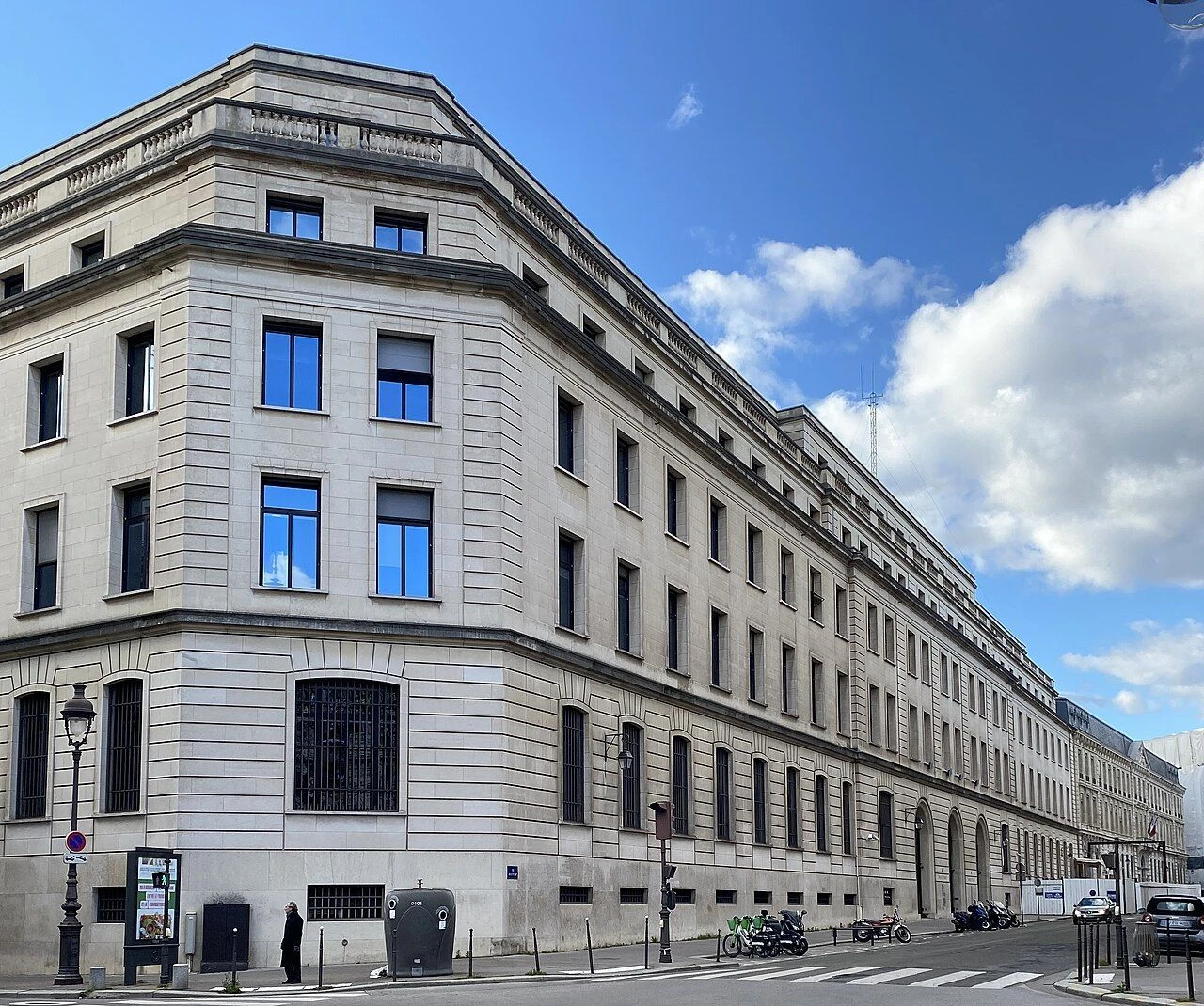
Baumgartner and the gold of the Banque de France
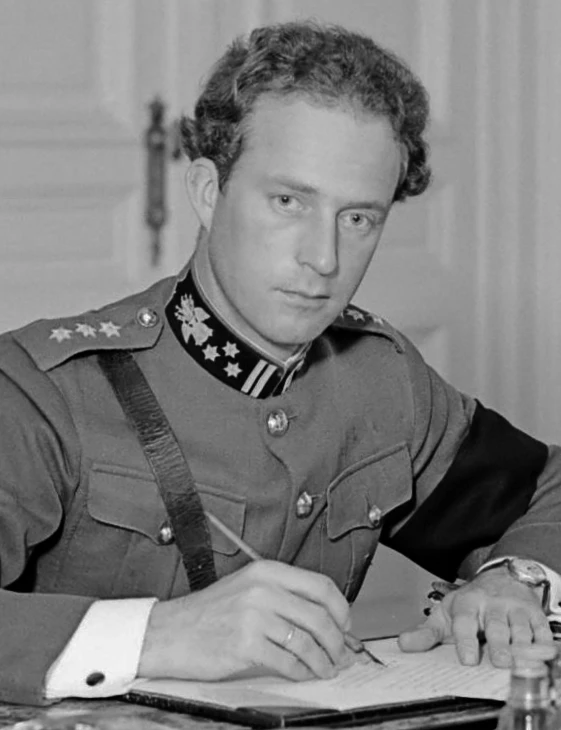
Brussels, September 1939: a small country's tightrope walk
Cambridge, 1939: The Evacuated LSE Student and Conscription
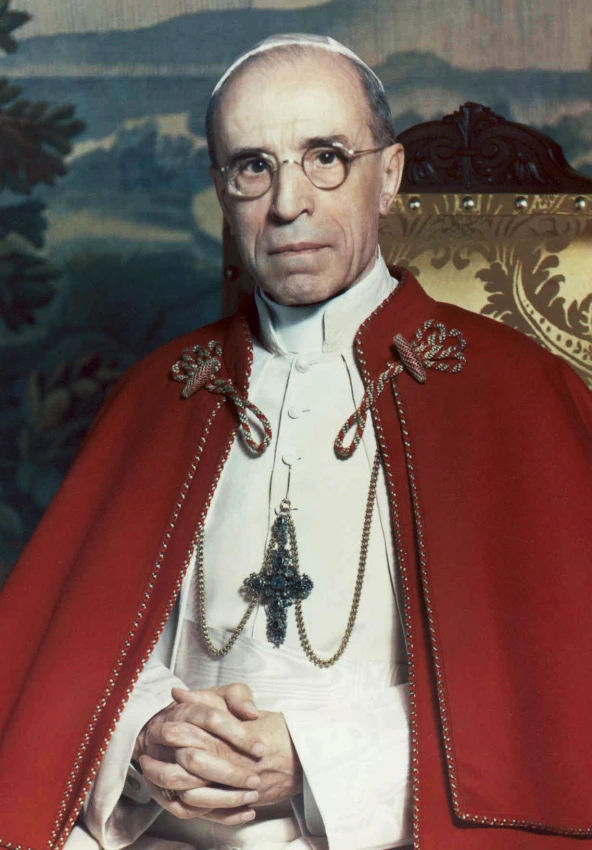
Cardinal Hlond — the Vatican's instruction
Cardinal Sapieha — Krakow under Occupation
Chamberlain — 11:15 BST
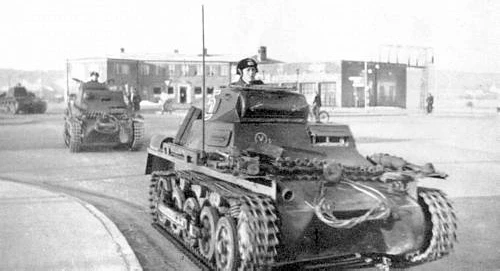
Christian X — Amalienborg, 1 September
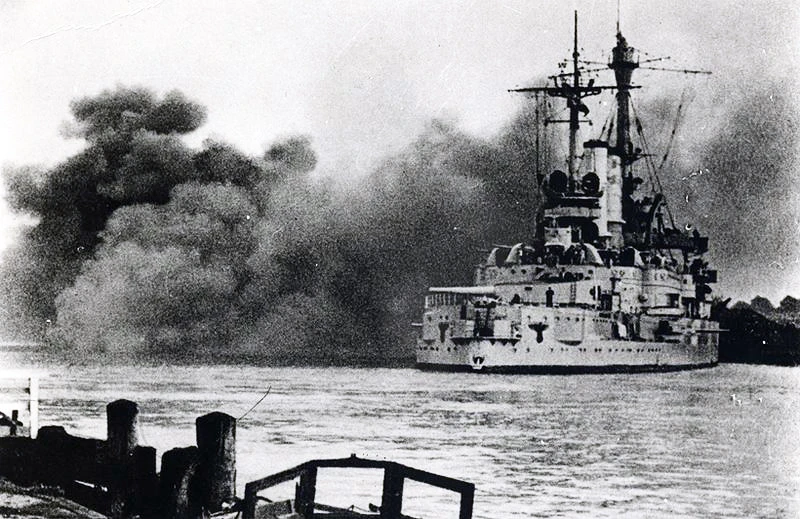
Danzig, September 1939 — the policeman of the Free City
Mussolini — Palazzo Venezia, 1 September
The Anglo-Polish Alliance
Baumgartner and the gold of the Banque de France
Brussels, September 1939: a small country's tightrope walk
Cambridge, 1939: The Evacuated LSE Student and Conscription
Cardinal Hlond — the Vatican's instruction
Cardinal Sapieha — Krakow under Occupation
Chamberlain — 11:15 BST
Christian X — Amalienborg, 1 September