
Marc Bloch Writes — Guéret Summer 1940
, 54, is one of the greatest French historians, co-founder of the Annales school and professor at the Sorbonne. Mobilised as a staff captain, assigned to the rear services of the 1st Army, he lived the debacle from within: confused orders, retreat without direction, evacuation through Dunkirk, return to France via England.
Demobilised at Guéret in mid-July, he decides to write hot, in a few weeks, his analysis of the catastrophe. The future book will be entitled Strange Defeat. Bloch knows he will not be able to publish it: the text will remain in a drawer, all the more so as Vichy's antisemitic legislation, which will strike the Jews from October, threatens him personally.
What remains is the historian's intellectual choice: what central thesis to give his testimony? To name a betrayal of the elites, the intellectual incapacity of a command still rooted in 1918, or a moral collapse of all French society? The analysis he settles on will shape the reading of the defeat for generations.
What central explanation of the defeat should Marc Bloch develop?
Bloch settles principally on B, nuanced by elements of C. The central thesis of Strange Defeat, written between July and September 1940, comes down to a formula: 'Our leaders... above all thought this war as historians... in terms of the past' — a high command imprisoned in the frames of 1918, incapable of grasping the speed of mechanised warfare. Bloch joins the Resistance (Franc-Tireur movement), is arrested in Lyon in 1944, tortured, then shot near Lyon on 16 June 1944. Strange Defeat appears in 1946: it has become one of the most cited analyses of the defeat of 1940, and a foundational text on the responsibility of elites.
Learn more about this event
Related polls
10
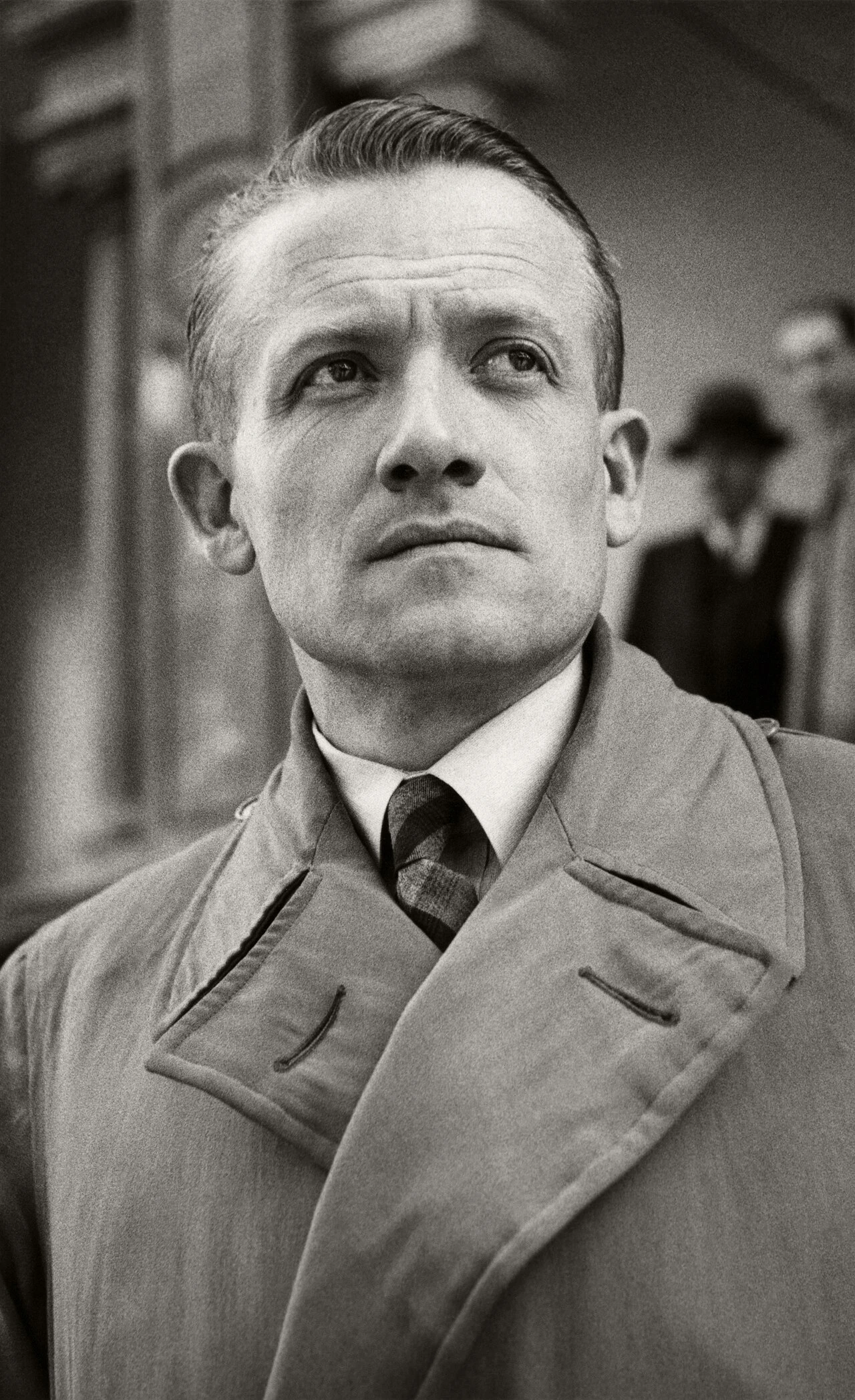
Henri Frenay at Marseille — August 1940
Beauffrère and the 21st RIC at Dunkirk
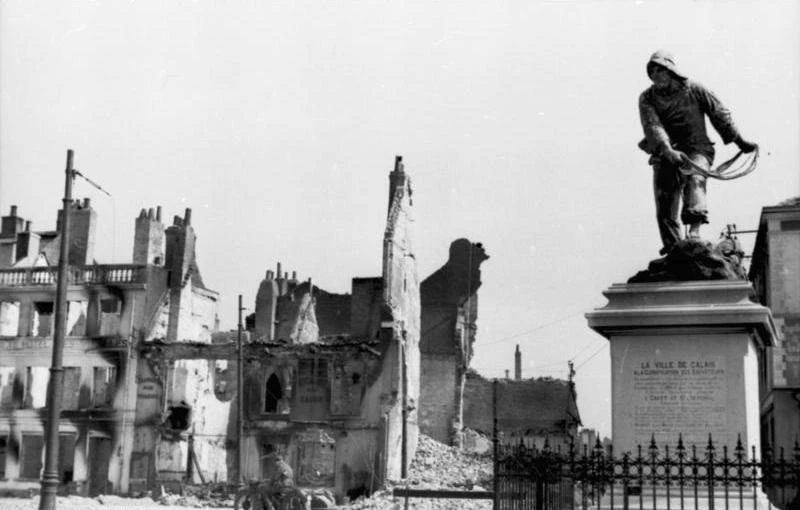
Calais — Nicholson facing the ultimatum
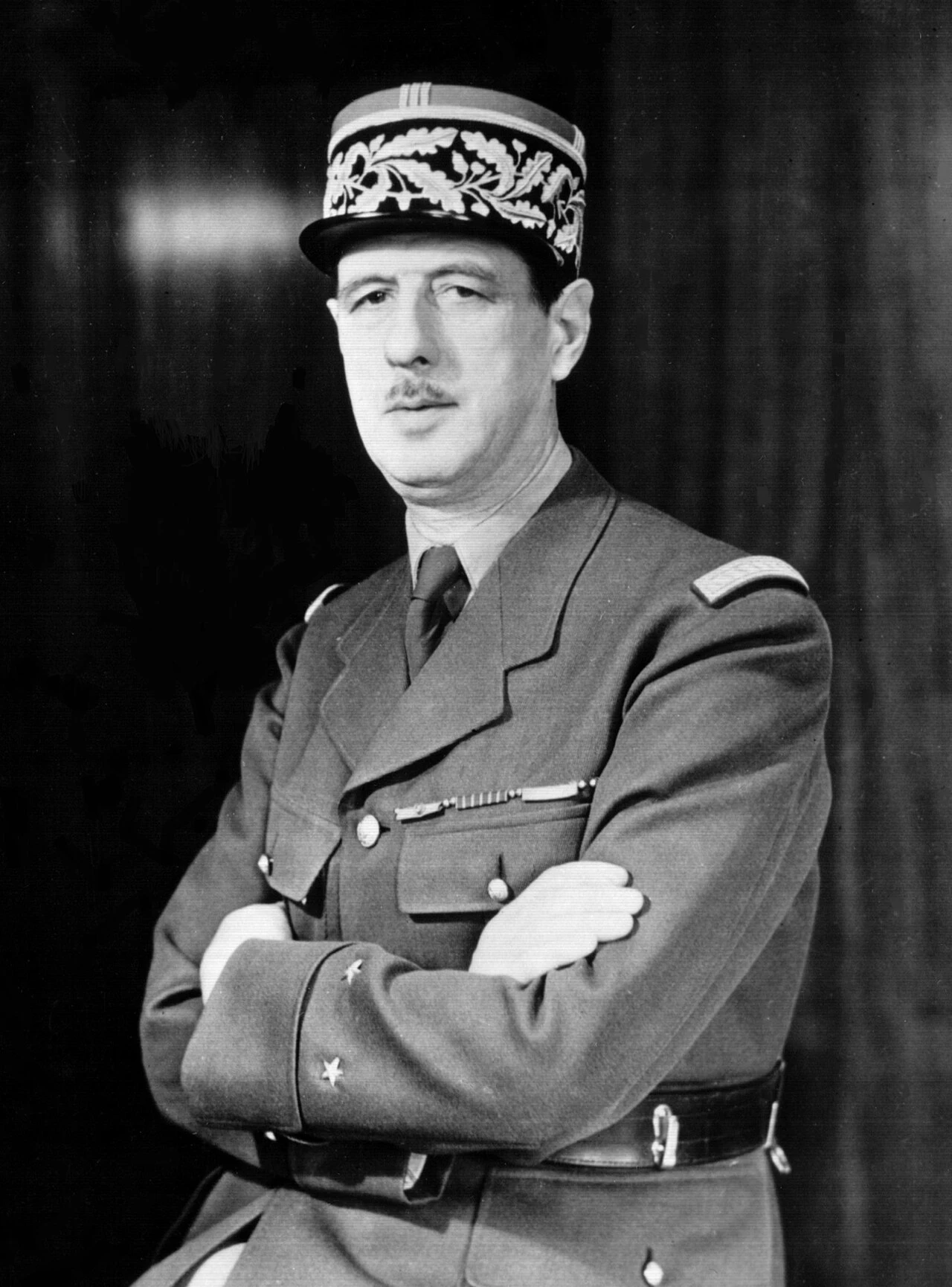
De Gaulle joins the government — 5 June
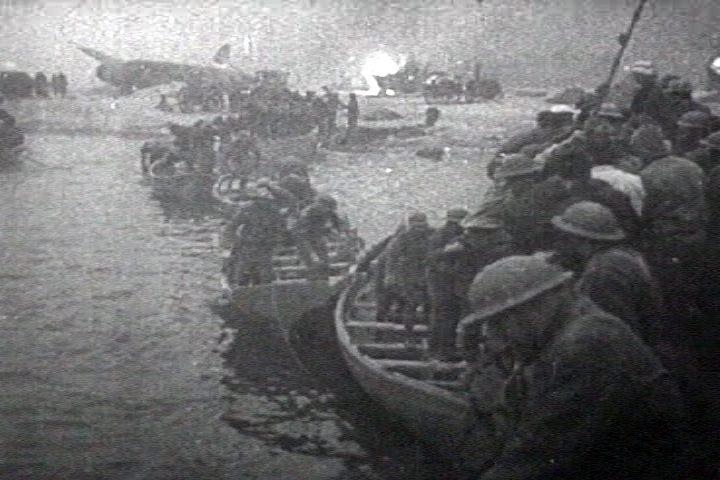
Dunkirk — Tennant and the devastated port
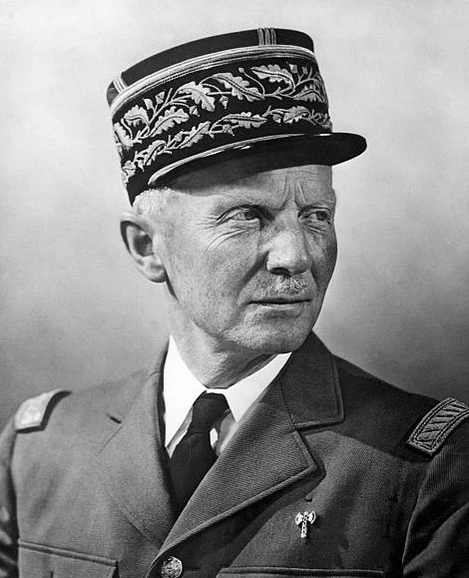
Huntziger in Foch's Carriage — 22 June
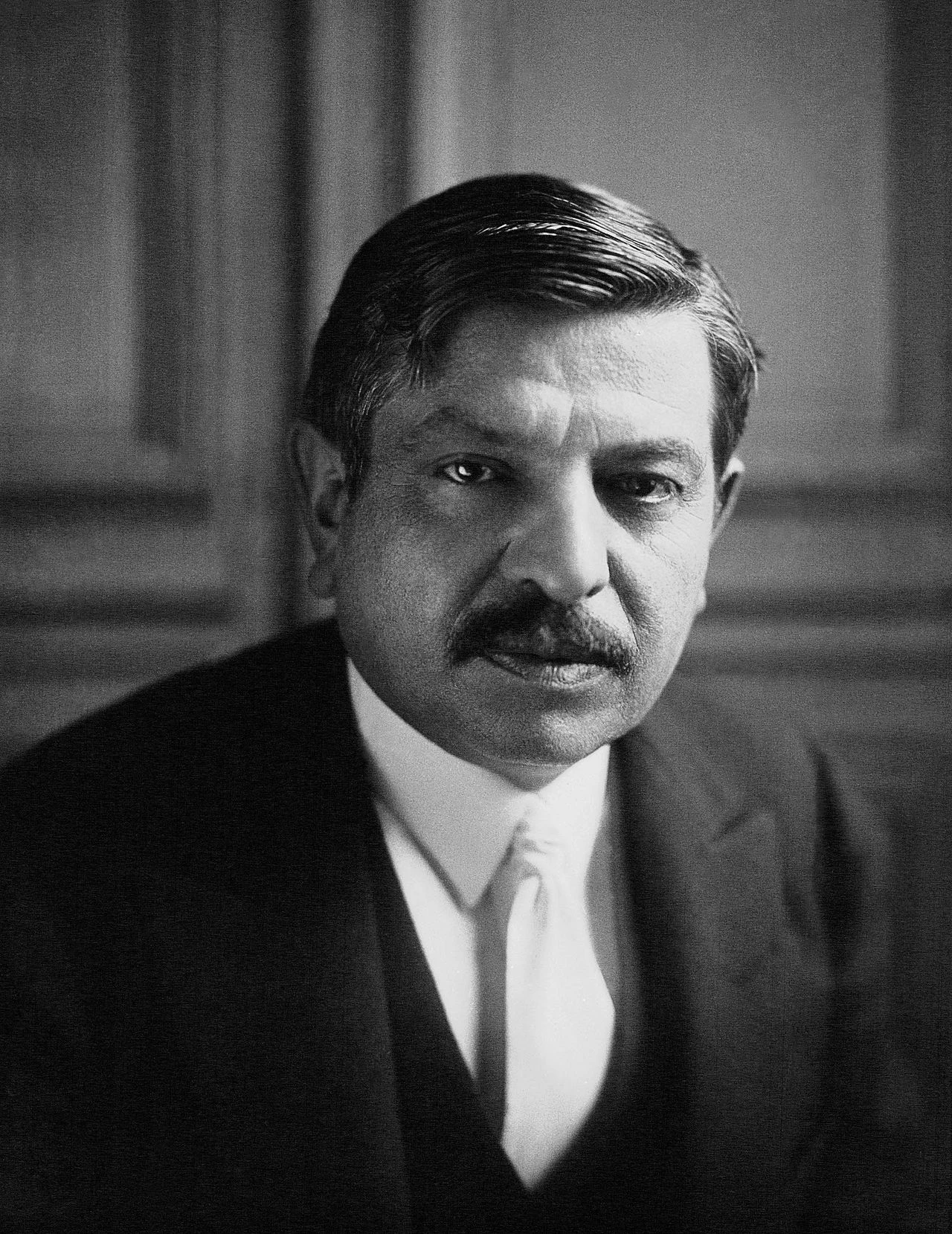
Laval at the Vichy Casino — 10 July
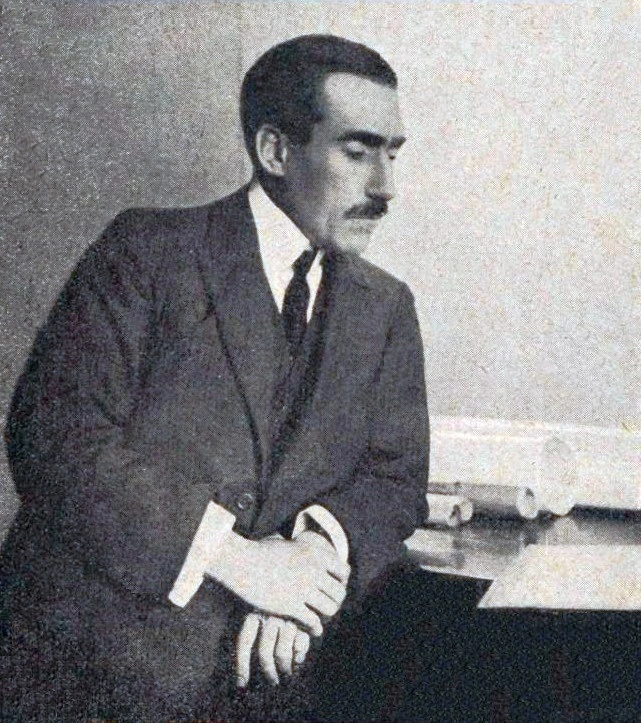
Louis Renault Returns from the United States: Billancourt Under German Control
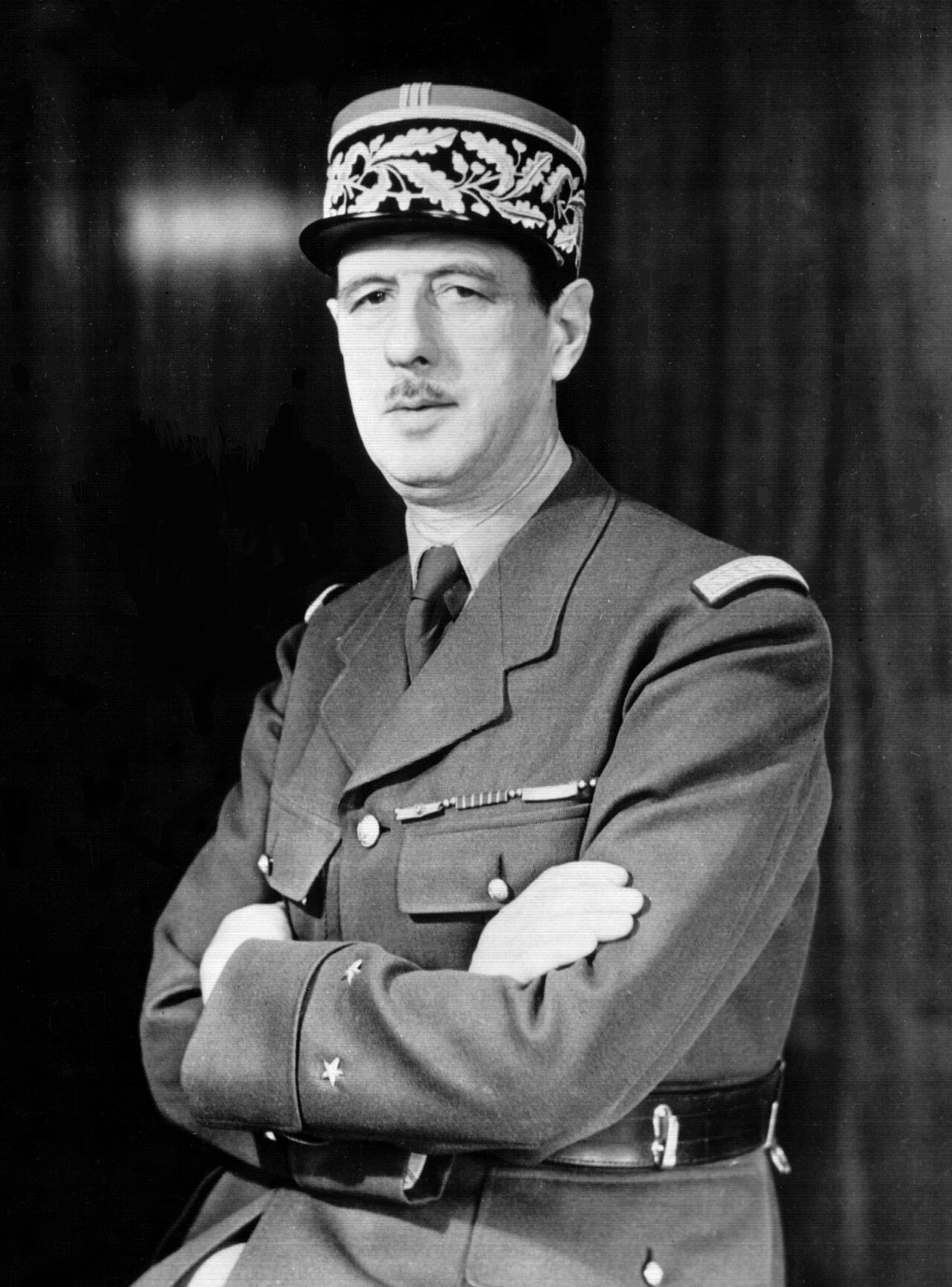
Mérignac — de Gaulle and Spears's aircraft
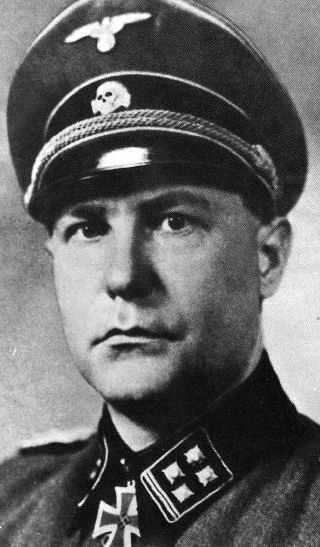
Le Paradis — the barn at Cornet-Malo
Henri Frenay at Marseille — August 1940
Beauffrère and the 21st RIC at Dunkirk
Calais — Nicholson facing the ultimatum
De Gaulle joins the government — 5 June
Dunkirk — Tennant and the devastated port
Huntziger in Foch's Carriage — 22 June
Laval at the Vichy Casino — 10 July
Louis Renault Returns from the United States: Billancourt Under German Control
Mérignac — de Gaulle and Spears's aircraft