
The physics student evacuated from Moscow
On 16 October 1941, Moscow lives through its darkest day. The Wehrmacht's panzers are only about a hundred kilometres away, Operation Typhoon threatens the capital, and the Soviet state orders the mass evacuation of institutions, factories and officials to the interior. It is the "great panic": packed trains at Kazan station, files burned, rumours of imminent collapse. Moscow State University (MGU) is ordered to evacuate. For a physics student in his early twenties, should he board the convoy, rush to the recruitment office, or get hired at a dismantled factory?
The evacuation of the universities was an extraordinary logistical effort. MGU first went to Ashgabat, in Turkmenistan, on the edge of the Karakum desert, and reached Sverdlovsk, in the Urals, only in the summer of 1942. Cattle wagons, cold, hunger, typhus, weeks of travel: such was the daily lot of the displaced.
This migration was part of the greatest industrial transfer in history: under the aegis of the Council for Evacuation, more than 1,500 major enterprises and 10 to 16 million people were moved to the Urals, Siberia, Kazakhstan and Central Asia in 1941–1942. For young people, each path weighed heavily: enlisting meant risking the opolcheniye, those poorly armed militia divisions with appalling losses; the factory imposed eleven- or twelve-hour days; the university meant an uncertain exile.
Should this student follow his university's evacuation to the east, enlist for the front, or join an armaments factory?
The majority of students and teachers of the great Soviet universities followed the state-organised evacuation. MGU left for Ashgabat in the autumn of 1941, was then transferred to Sverdlovsk in the summer of 1942, and continued its teaching there before returning to Moscow in 1943. The evacuation preserved the country's scientific elite at the cost of an exhausting exile marked by hunger, cold and disease; many graduates of those years went on to feed Soviet research and the war industry.
Learn more about this event
Related polls
10
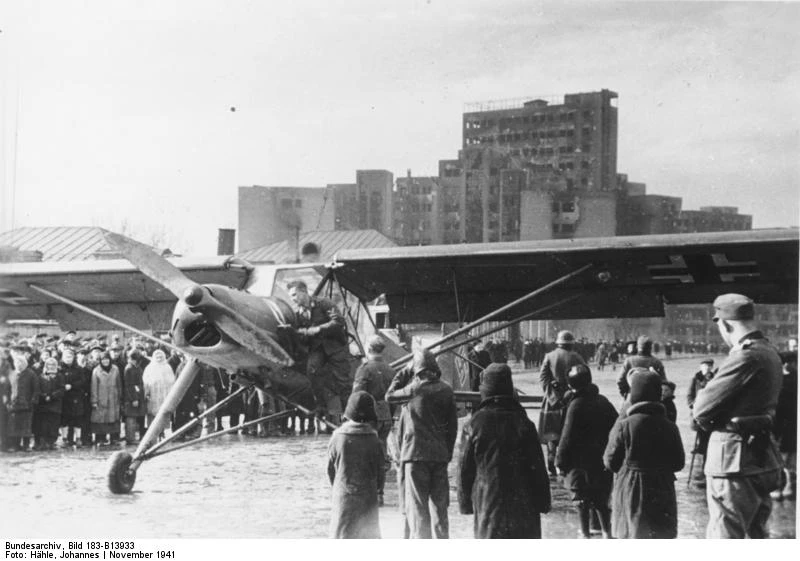
The Kharkov worker facing the dismantling of the tank factory
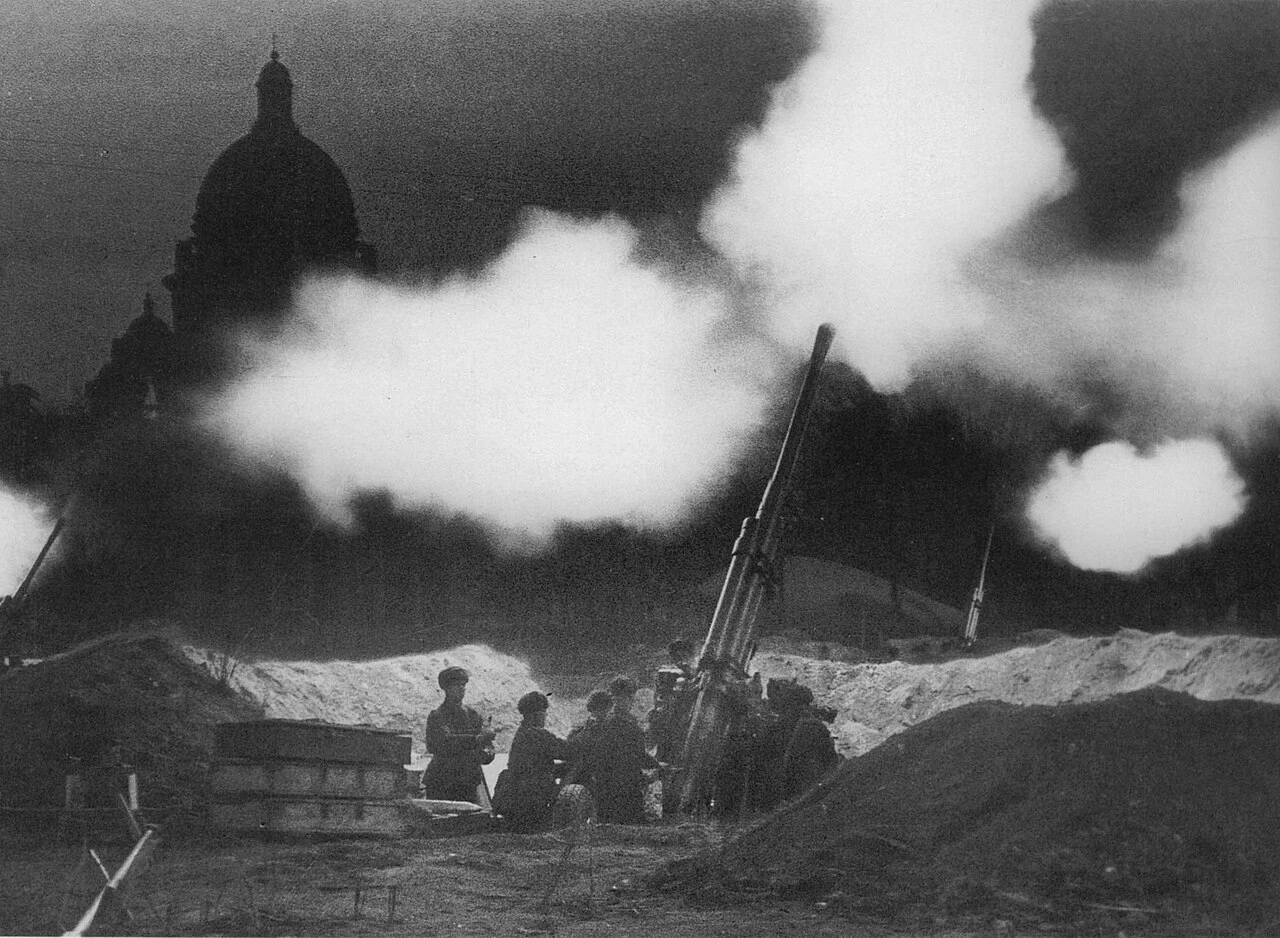
The Kirov Plant Under the Shells
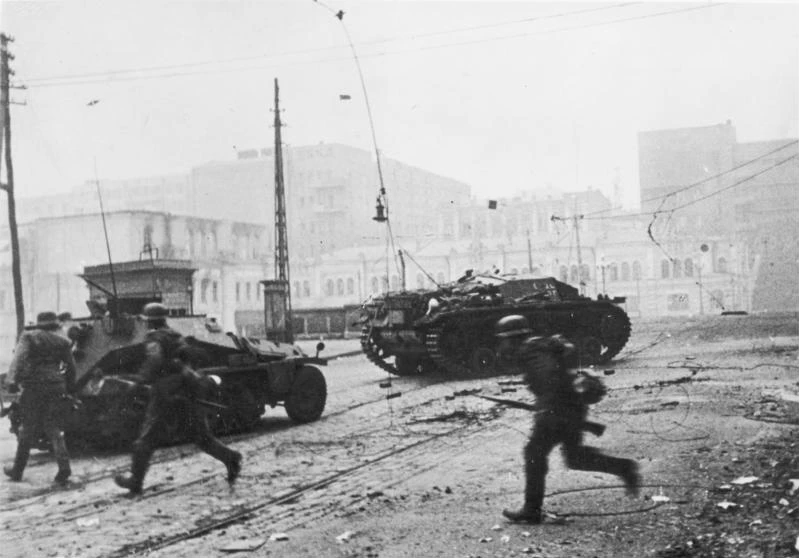
Soviet Sappers at Kharkov
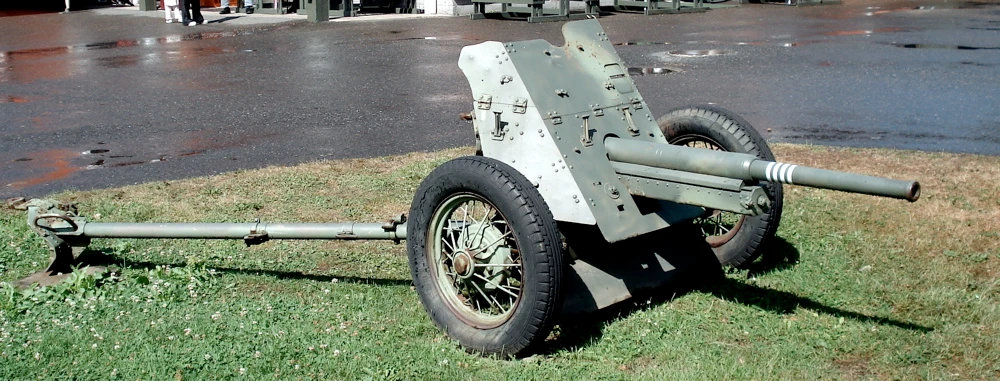
The gun that will have to do

The Kharkov railwayman and the Reichsbahn
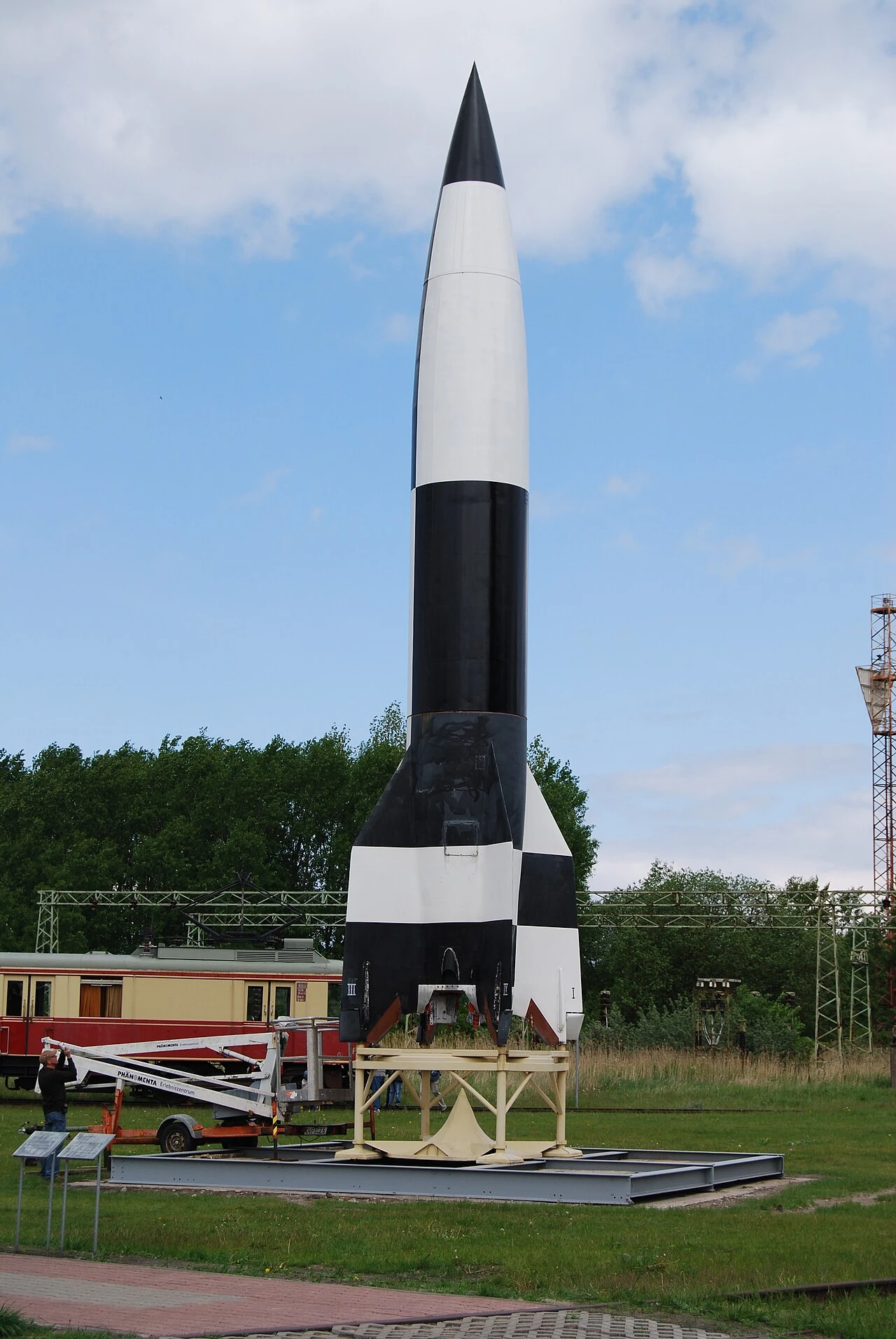
Peenemünde: producing before flying
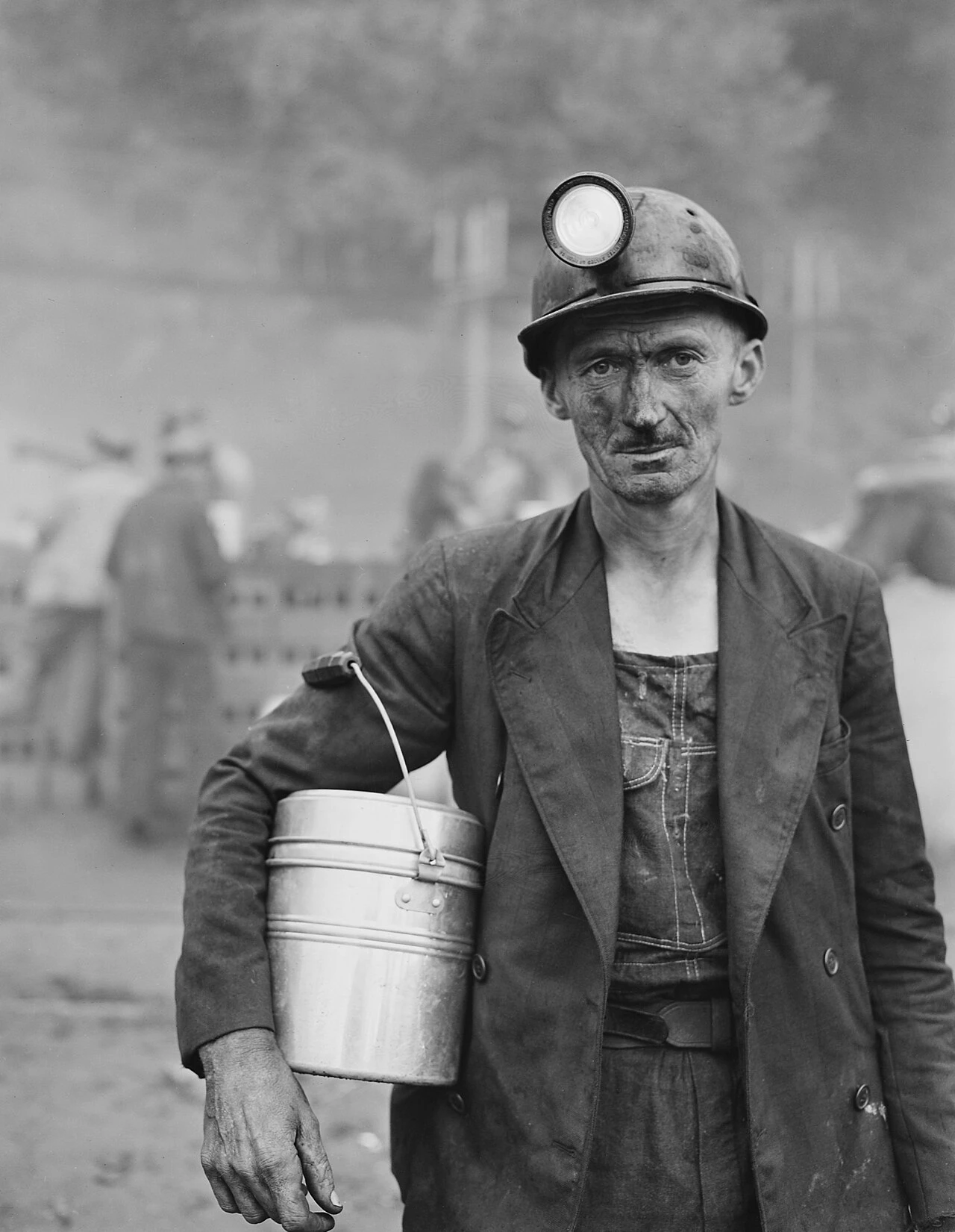
At the Dahomey pit, the morning of team-rate pay
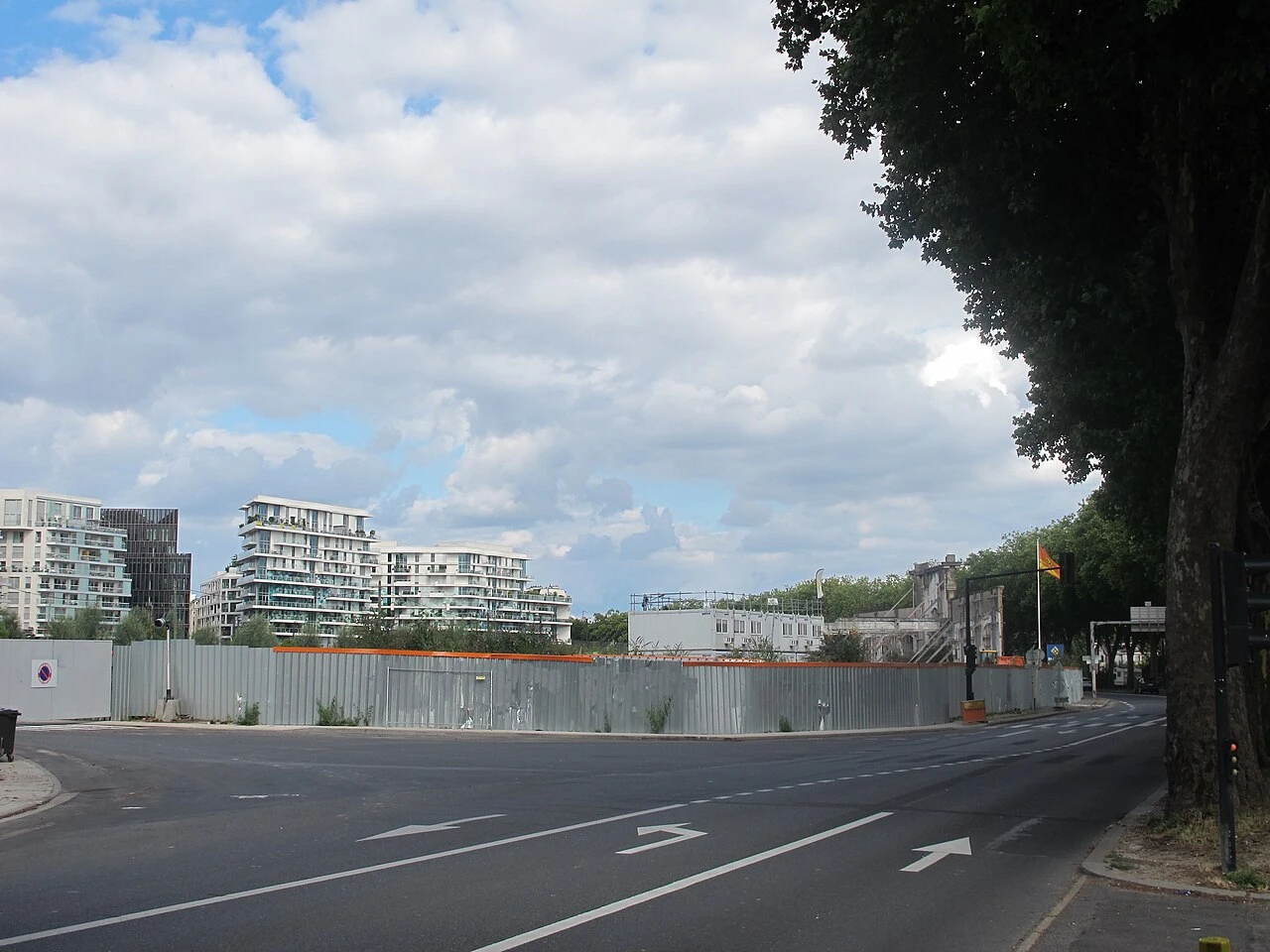
Billancourt Under the Eye of the Occupier
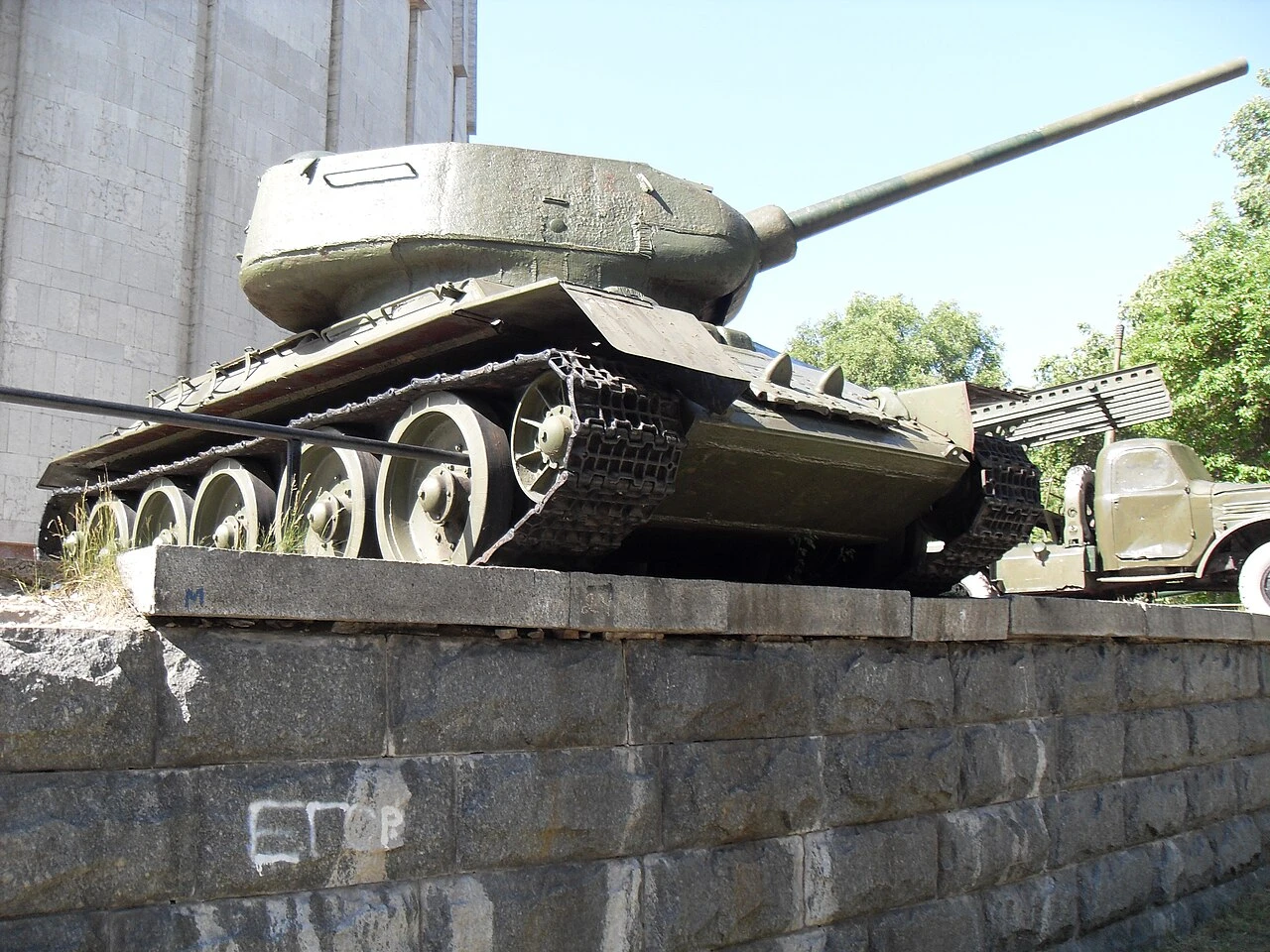
Ten thousand tanks, and nothing on paper
Kharkiv 1939 — track or wheel?
The Kharkov worker facing the dismantling of the tank factory
The Kirov Plant Under the Shells
Soviet Sappers at Kharkov
The gun that will have to do
The Kharkov railwayman and the Reichsbahn
Peenemünde: producing before flying
At the Dahomey pit, the morning of team-rate pay
Billancourt Under the Eye of the Occupier
Ten thousand tanks, and nothing on paper