
In the summer of 1939, Stalin holds both ends of the same game. On one side, the negotiations with France and the United Kingdom, lukewarm and blocked by the question of allowing troops to pass through Poland. On the other, Nazi Germany, which multiplies its overtures and offers, for its part, something concrete and immediate.
Hitler is in a hurry: he wants to attack Poland before autumn and needs to neutralise the USSR to avoid a second front. Berlin therefore proposes a non-aggression pact — accompanied, in secret, by a division of « spheres of influence » in Eastern Europe.
For Stalin, the calculation is cold. Ally with the democracies against Germany, at the risk of bearing alone the weight of war in the East without sufficient guarantees? Sign with Hitler, gain time, recover territories lost in 1920 and divert the war towards the West? Or stay aloof, in armed neutrality? The decision, matured in the secrecy of the Kremlin, will redraw the map of forces in Europe and weigh on the very outbreak of war.
Should Stalin sign a pact with Nazi Germany rather than ally with the democracies?
Stalin chooses A: during the night of 23 to 24 August 1939, Molotov and Ribbentrop sign a non-aggression pact in Moscow. A secret additional protocol divides Eastern Europe into spheres of influence — Poland, the Baltic States, Finland, Bessarabia. The pact gives Hitler a free hand to attack Poland without fearing the USSR, and gives Stalin time, territorial gains and the hope of seeing the capitalist powers exhaust one another. This reversal astounds the world, disorients the communist parties and seals the fate of Poland. A week later, war breaks out; the USSR will in turn invade Poland from the east on 17 September.
Learn more about this event
Related polls
10
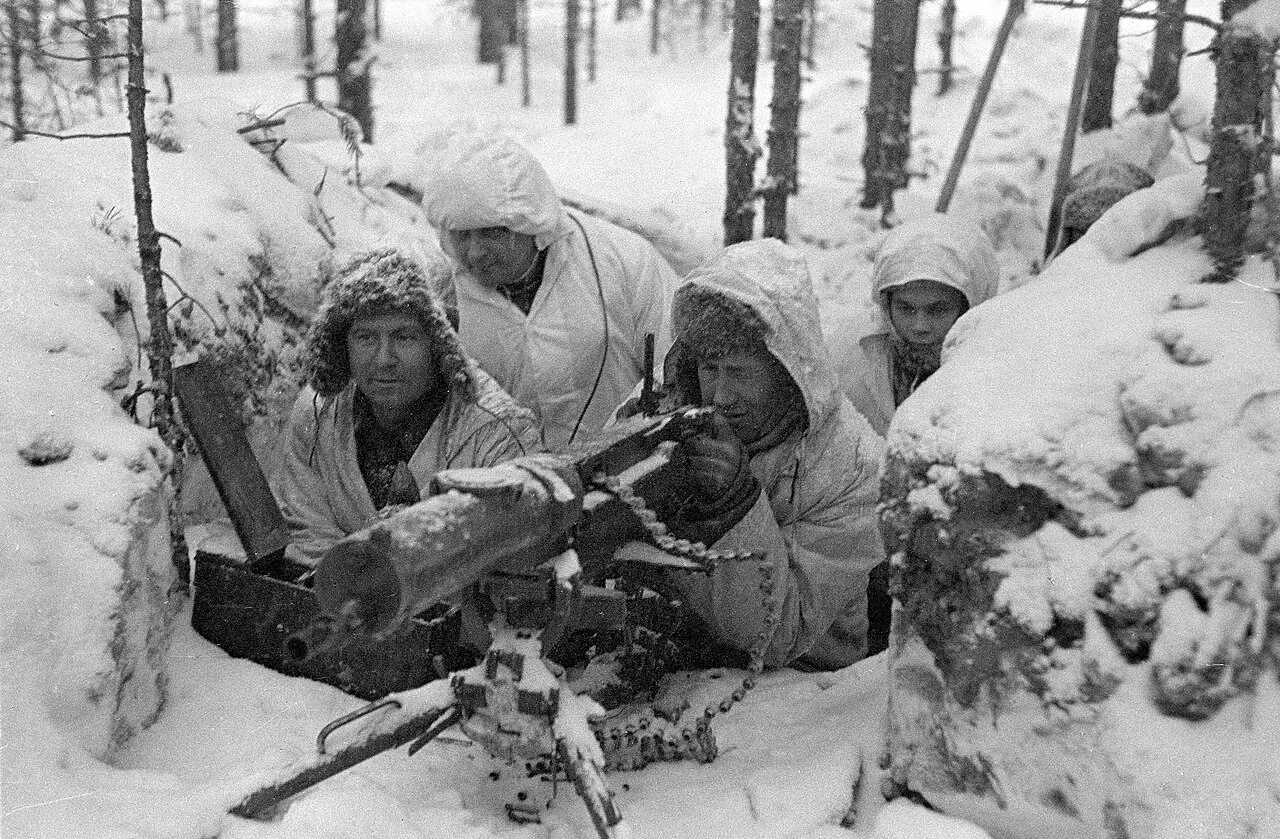
The Drax-Doumenc Mission
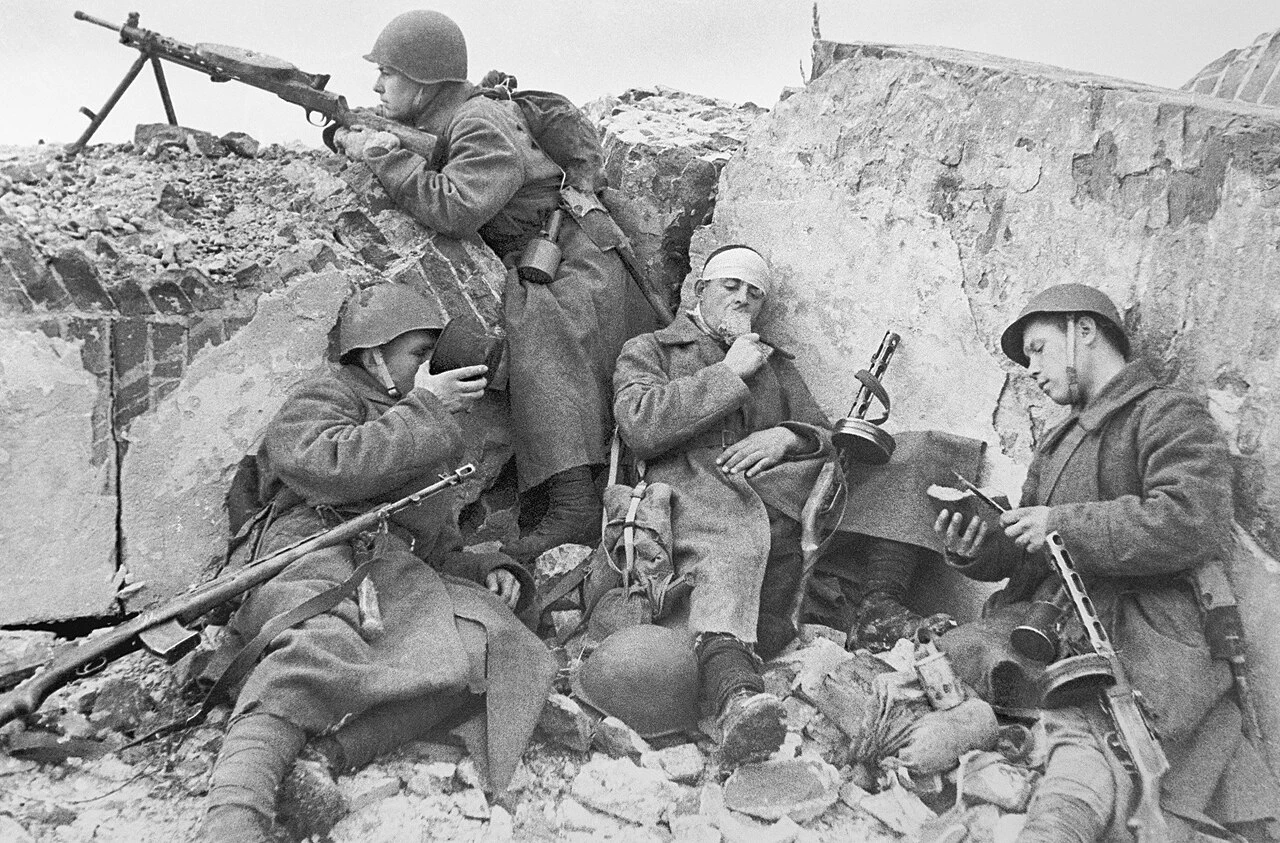
The Moscow Talks
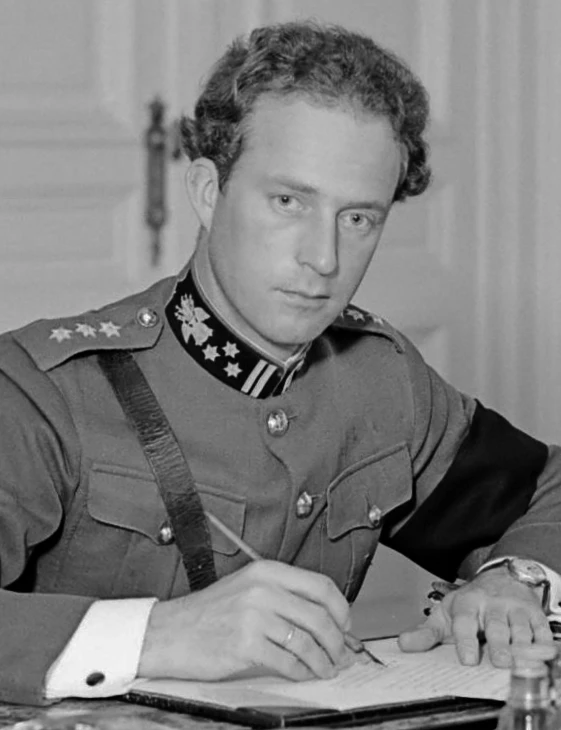
Brussels, September 1939: a small country's tightrope walk
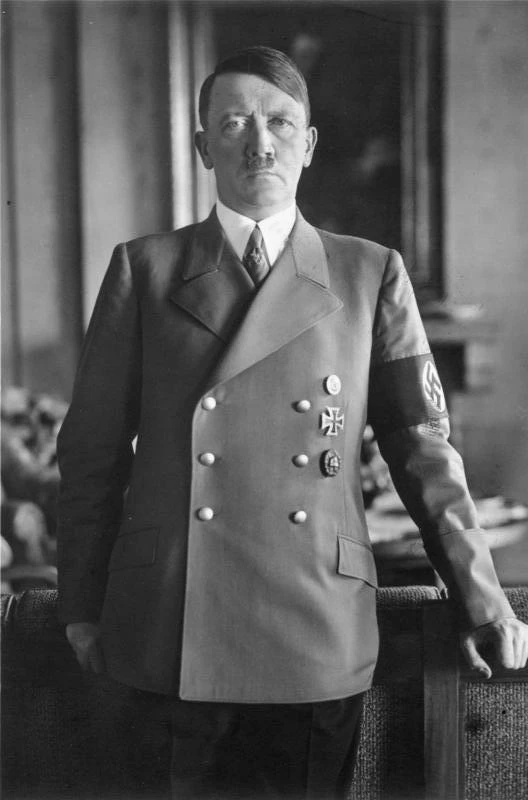
The Obersalzberg Speech
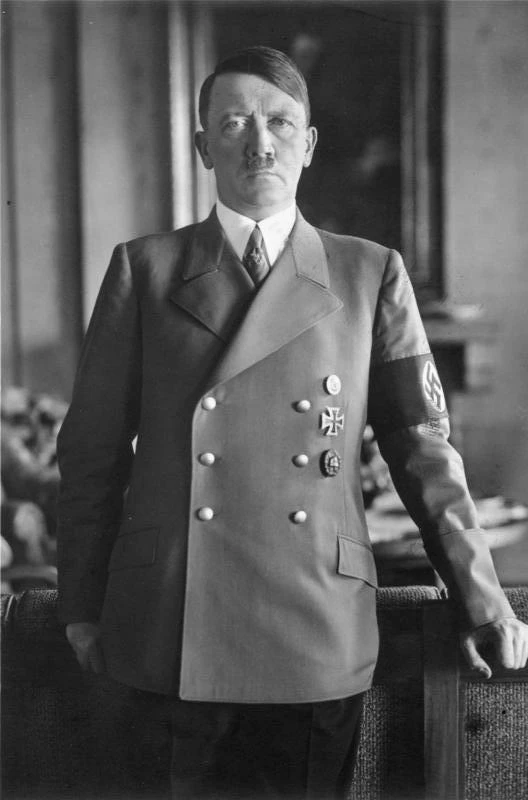
Hitler Postpones Fall Weiss
Per Albin Hansson — facing the Finnish appeal
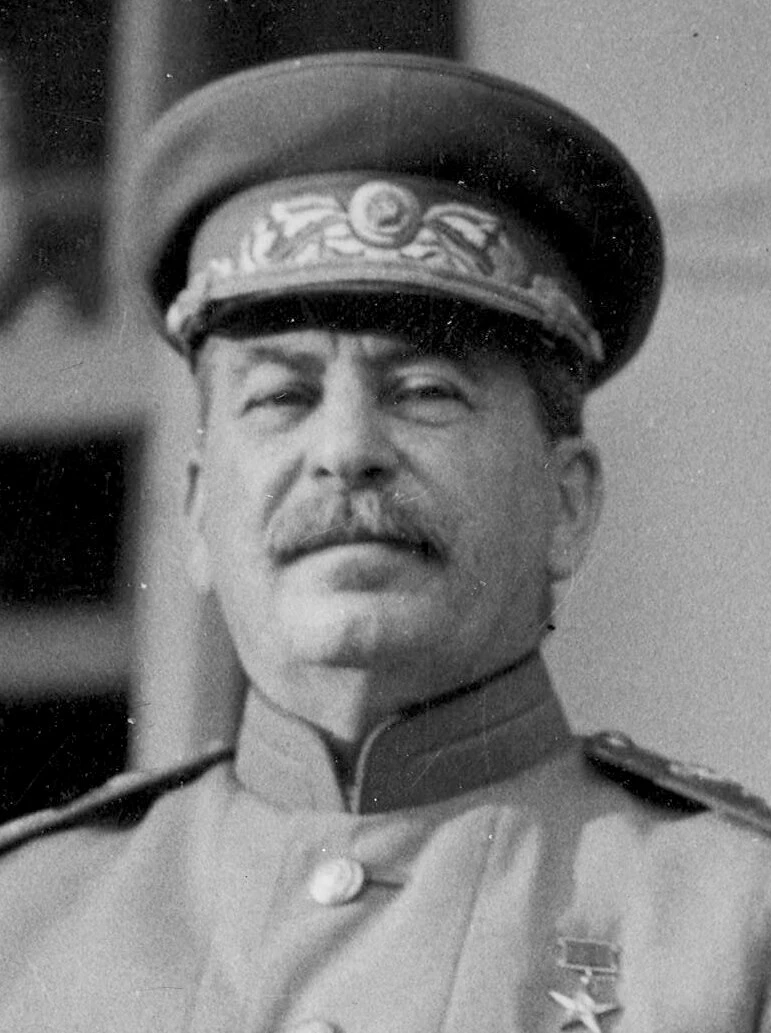
The Dismissal of Litvinov
Harriman in Moscow, Face to Face with Stalin
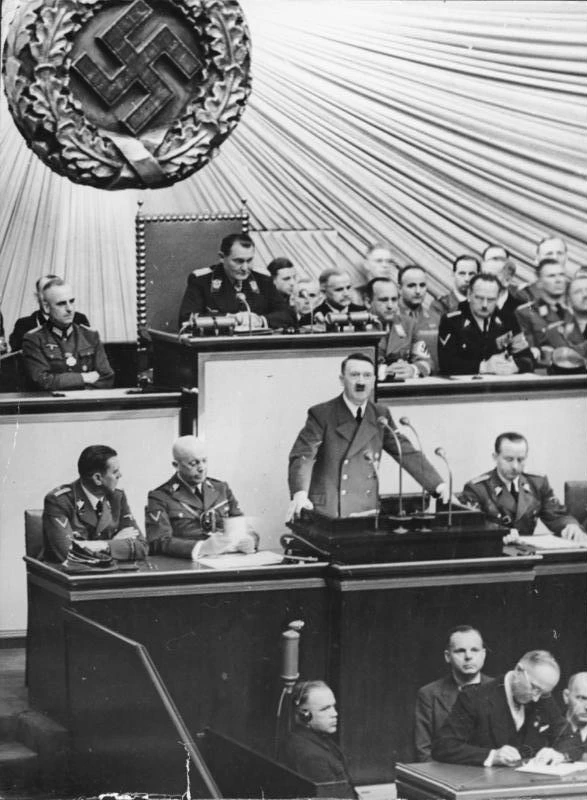
Hitler — the Reichstag Speech
Japan Disoriented
The Drax-Doumenc Mission
The Moscow Talks
Brussels, September 1939: a small country's tightrope walk
The Obersalzberg Speech
Hitler Postpones Fall Weiss
Per Albin Hansson — facing the Finnish appeal
The Dismissal of Litvinov
Harriman in Moscow, Face to Face with Stalin
Hitler — the Reichstag Speech